Join the ScotiabankStartRight® Program designed for Newcomers‡ and get up to $2,300* in value in the first year.
New Year’s Eve in Canada is a magical time for newcomers, offering dazzling fireworks, winter festivals, and multicultural traditions. Across the country, cities like Toronto and Vancouver host spectacular public fireworks displays. At the same time, Edmonton, Ottawa, and Halifax offer family-friendly outdoor celebrations and winter activities.
For newcomers considering the West Coast, Vancouver offers one of Canada’s most popular New Year’s Eve celebrations — and a unique lifestyle year-round. Our Living in Vancouver guide breaks down what to expect beyond the holidays.
Canadians love blending traditions from around the world, so newcomers often bring their own customs to the festivities. From potlucks and house parties to outdoor skating and early countdowns for children, there’s something for everyone. Remember to dress warmly, check local transit schedules for extended service, and plan for fireworks or events.
Many New Year’s Eve celebrations overlap with winter festivals across the country. If you enjoy outdoor events, skating, and cultural celebrations, explore our guide to Winter Festivals in Canada Every Newcomer Will Love.
What Do Canadians Do on New Year’s Eve?
New Year’s celebrations in Canada vary by culture, city, and personal preference. Popular activities include:
Fireworks and outdoor countdowns
House parties, potlucks, and family gatherings
Special events at restaurants, museums, and bars
Outdoor skating rinks and winter festivals
Livestreams and televised broadcasts from Toronto, Montreal, and Vancouver.
Toronto skyline with New Year’s Eve fireworks.
Best Places to See New Year’s Eve Fireworks in Canada
Outdoor countdowns and New Year’s Eve fireworks in Canada are popular and usually free. Here are some of the biggest events from coast to coast.
If you plan to drive, be aware of winter road conditions and the Reduce Impaired Driving Everywhere (RIDE) Checkstop programs in place across Canada. For essential safety tips, see our guide to Winter Driving in Canada.
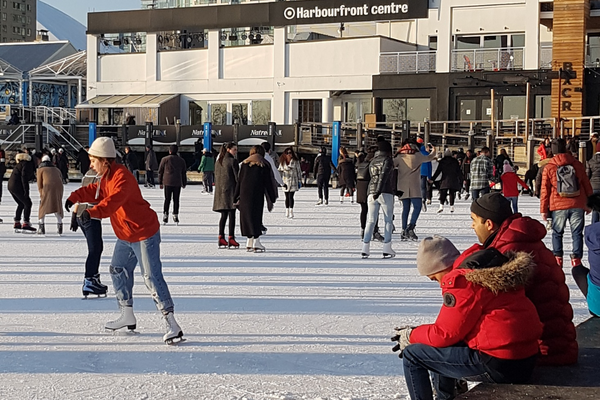
People are skating outdoors in Toronto during New Year’s Eve celebrations.
Tips for Newcomers Celebrating New Year’s Eve in Canada
Book early: Restaurants and event tickets fill quickly
Dress for winter: Stay warm during outdoor celebrations – check our 4 Items for Your First Winter Season in Canada
Join newcomer meetups: Many groups host holiday gatherings.
Check transit schedules: Make transit or ride arrangements ahead of time.
Blend your traditions: Canadians love multicultural celebrations.
Newcomer FAQs
Is New Year’s Eve a holiday in Canada?
No, Dec. 31 is not a statutory holiday, but Jan. 1 (New Year’s Day) is.
What should I wear on New Year’s Eve in Canada?
Dress warmly for outdoor events. For indoor parties, outfits range from casual to formal.
Are stores open on New Year’s Eve in Canada?
Yes, but most stores close early.
How do newcomers usually celebrate?
Through potlucks, house parties, city countdown events, or cultural community celebrations.
Final Thoughts
Your first New Year’s Eve in Canada is a chance to experience local traditions, winter festivities, and multicultural celebrations. Whether attending fireworks, enjoying a potluck, or celebrating at home, this festive night is the perfect way to start your new year in Canada!
For many newcomers, the New Year is also a time to plan next steps, like finding housing. If renting is on your list, our downloadable Renter’s Guide explains how renting works in Canada, what documents landlords expect, and how to avoid common newcomer mistakes.
The Ultimate Rental Application Guide
Unlock the Secrets to Crafting a Winning Rental Application.
Are you a newcomer to Canada searching for your perfect rental home? Look no further! Our comprehensive guide will help you navigate the rental application process confidently and successfully!
Wearing the right clothing during the winter season in Canada will ensure you stay toasty warm so you can enjoy amazing outdoor activities. The winter season starts in December, but Canadians start dressing for winter in November when the temperature drops. For newcomers, getting winter-ready and buying good winter clothing basics is key to enjoying the winter season. The basic clothing items include a winter jacket, boots, scarves & gloves, and a warm hat (or “toque”).
Weather Conditions Vary During the Winter Season in Canada
Canada’s weather conditions can be extreme, and they vary across the country. For example, the average daily temperature in Alberta, Saskatchewan, and Manitoba can range between -15 degrees and as low as -40 degrees Celsius.
British Columbia enjoys a warmer and milder winter, and the temperature rarely drops below freezing.
In central Canada (Ontario and Quebec), the average temperature ranges from -2 to -22 degrees Celsius. Northern Ontario and Quebec are much colder than southern Ontario.
In the Atlantic provinces (Nova Scotia, Prince Edward Island, New Brunswick, and Newfoundland), the average temperatures range from -2 to -20 degrees C.
Add the wind chill index, and the temperature can feel even lower. The temperature may be -10 degrees C, but with a wind chill, it may feel like -20 degrees C.
A puff jacket is waterproof and durable, and offers warmth for winter activities.
Winter Clothing to Keep You Warm: The Basics
1. A Good Winter Jacket
When shopping for a winter jacket, make sure it is warm, waterproof, and durable. It’s best to wait until you arrive in Canada to buy a winter jacket, so you can buy one that is most suitable for the winter season in Canada. When buying a winter jacket, make sure it is well-insulated, covers your neck, and has a hood. The Black Friday sales event is one of the best times to buy affordable winter clothes and gear.
Types of Winter Jackets
You can select from down jackets, synthetic jackets, and activewear jackets. Each type of jacket offers different levels of protection for the winter season and activities in Canada.
Down puff jackets are great insulators, lightweight, and trap and hold heat. The more down, the higher the cost of the coat. Typically, a 500 to 800-fill power is suitably warm and affordable. Synthetic insulation is heavier than down, but it is still warm, even when wet. It’s also a more affordable winter jacket option.
Winter jackets in Canada are specifically designed for temperatures below 0 degrees. When selecting a winter jacket, consider the activities you will wear it for. For example, a heavy-duty winter jacket is ideal for places with frigid temperatures, especially if you plan to be outdoors for a long time. However, on Canada’s west coast, where the winter is not as cold as it is wet, you may want a winter coat geared more to water protection. Weather and precipitation are important factors to consider when you purchase your winter jacket.
Ask Questions When Buying a Winter Jacket
If you are unsure if a winter jacket will be warm enough for cold temperatures, windchills, or precipitation, ask the store clerk which jacket will best suit your needs. They know what clothing is required for Canadian winters and can offer you options.
Premium winter jacket brands such as Canada Goose are expensive. However, a lower-cost jacket can offer warmth and protect you from the elements just as well. Keep an eye out for cost savings and discounts, and check online for deals before you buy in-store to get the best possible price.
Specially designed winter boots lock heat in and allow your feet to breathe.
2. Good Quality Winter Boots
Choosing good-quality winter boots will save money in the long run. You can buy cheap winter boots, but they may not last more than one winter season. When it comes to winter boots, you really do get what you pay for.
Wearing sneakers or dress shoes in snow or ice is cold and unsafe. Even though there may be salt on the sidewalk after a snowfall to melt the ice, you need proper winter boots to prevent falls and injuries.
Winter boots do more than provide grip between your feet and the icy and snowy ground. You lose heat through your feet because the ground is cold. Specially designed winter boots with a thick lining lock in heat while allowing your feet to breathe.
A pair of thick merino wool socks is also a good way to stay warm in the winter season in Canada. Cotton socks are not as warm, don’t keep moisture away, and don’t dry out quickly, which will make you cold and uncomfortable.
Your First Weeks in Canada | Developing Your Action Plan
Arriving with an action plan for your first weeks in Canada can save you time and money. The quicker you settle into your new environment the faster you’ll feel at home! In this webinar, Your First Weeks in Canada, we discuss the important things to do to manage your first weeks efficiently.
What to Consider When Choosing Boots for the Winter Season
While quality winter boots can be expensive, investing in a good pair to last more than one winter season is worth the money. Consider these factors when choosing winter boots:
What winter season activities are you doing?
You can get by with casual winter boots for a short walk or commute to work. But, for outdoor winter hiking and cold, snowy weather, you’ll need boots with greater insulation and traction.
As a newcomer, you may not have access to a car and may rely on public transit during your first winter season in Canada. So, you’ll need warm winter boots and clothing while waiting at the bus stop in cold weather.
People wait to board a public transit bus during a snowstorm in Canada.
How much warmth do you need?
Winter boots come with insulation weights that range from 100 – 600 grams to keep your feet warm.
INSULATION WEIGHT
TEMPERATURE RATING
BEST FOR
100g
-20C
mild winter conditions
200g
-32C
cold-weather hiking
400g
-40C
all-day winter activities
600g
-48C
extremely cold conditions
Are the boots waterproof and breathable?
You’ll be walking in snow and slush, so waterproof boots keep your feet dry and warm. Look for sealed seams to ensure that water can’t get in. Gore-Tex boots are a top choice because they are waterproof and breathable.
What traction do you need?
Traction is a top priority to prevent dangerous slips and falls on ice.
3. Warm Gloves and Scarves for the Winter Season in Canada
Warm gloves are essential winter clothing for a cold day in Canada. With temperatures dropping lower than -20 degrees, you need gloves that can protect you from the cold.
A scarf or muffler will keep your neck warm. And, these two small additions to your winter clothing in Canada make a huge difference in your outdoor comfort.
Winter clothing basics allow skaters to stay toasty warm and enjoy the outdoors.
4. Winter Hat or ‘Toque’
So you have your winter jacket, boots, scarves, and gloves, and now you need to keep your head warm. A toque is a close-fitting knitted hat that covers your ears and protects your head from the wind and cold.
Canadians call it a toque, although it has many names. You can buy a toque from the same store where you buy your winter jacket. Winter hats come in all shapes, sizes, and colours.
Making it Through Your First Winter Season in Canada!
The fact is, people don’t hibernate during the winter season in Canada. People go outdoors to experience Christmas markets and winter festivals, and to engage in sports like hockey, ice skating, skiing, and snowboarding. Even a ten-minute walk in the sunlight can help release and combat winter stress, benefiting your mental health after immigrating to Canada.
Having the right winter gear makes it easier to enjoy the winter season in Canada, from walking to work to attending seasonal events. Many newcomers find that winter festivals are one of the most enjoyable ways to experience Canadian culture once they’re properly dressed for the weather.