
Thinking about where to live when moving to Surrey, B.C., Canada? You’re not alone. Finding the best neighbourhoods in Surrey that offer a welcoming and diverse entry point to life in the Lower Mainland is vital. This fast-growing city, located 23 km from downtown Vancouver, is a popular destination for newcomers, offering vibrant communities, job opportunities, expanding public transit, and a lower cost of living.
Whether you’re moving with family, arriving as an international student, or continuing your career in Canada, choosing the best neighbourhood for you and your family can help you feel at home faster. Whether you want city vibes, quiet, or family-friendly parks, this guide covers the best neighbourhoods in Surrey for newcomers, with tips on rent, transit, and housing availability.
Deciding Where to Live in Surrey, BC as a Newcomer
Living in Surrey offers a range of affordable rental options, culturally rich neighbourhoods, growing transit, and community services.
According to Statistics Canada, Surrey is home to one of Canada’s most diverse populations, with 41% of new immigrants identifying as South Asian, and a total population nearing 600,000.
Average Rent Comparison: Living in Surrey vs. Vancouver
| LOCATION | AVERAGE RENT (1-BEDROOM)* |
|---|---|
| Canadian National Average* | $2,180 |
| Vancouver | $2,650 |
| Surrey | $1,980 |
*Data source: Rentals.ca National Rent Report (2026)
Key Takeaway: Newcomers can save more than $600 to $670 per month on rent by choosing the best areas to live in Surrey, BC, rather than Vancouver, while staying well-connected to the Metro Vancouver urban core.
To learn more about regional options and city comparisons, check out our related guides:
What to Expect When Moving to Surrey, BC
- More Affordable Rent: Surrey offers lower rental rates across high-rise apartments, townhomes, and ground-level secondary suites.
- Culturally Rich Community: Strong newcomer support networks, settlement organizations (such as MOSAIC, S.U.C.C.E.S.S., and DIVERSEcity) and cultural hubs make living in Surrey smooth for new arrivals.
- Expanding Rapid Transit: Direct SkyTrain connections to downtown Vancouver via the Expo Line, plus active construction on the Surrey-Langley SkyTrain extension.
- Seven Vibrant Town Centres: Self-contained urban hubs featuring schools, parks, healthcare, and community centres.
- Family-Friendly & Student-Ready: Home to top-ranked public schools and post-secondary satellite campuses.
🧮 Budget Check: Calculate Your Surrey Housing Budget
Not sure how much rent you can afford based on your starting Canadian income? Use our free Rent Affordability Calculator to factor in B.C. income taxes before signing a lease.
📋 Free Tools for Newcomer Renters
Navigating the housing market can feel overwhelming. Use our free resources to protect yourself and stand out to landlords:
Rental Application Guide

Rental Viewing Checklist
Download our apartment viewing checklist and spot potential red flags during in-person or virtual tours.
Surrey Neighbourhood Map and Guide (2026 Estimates)
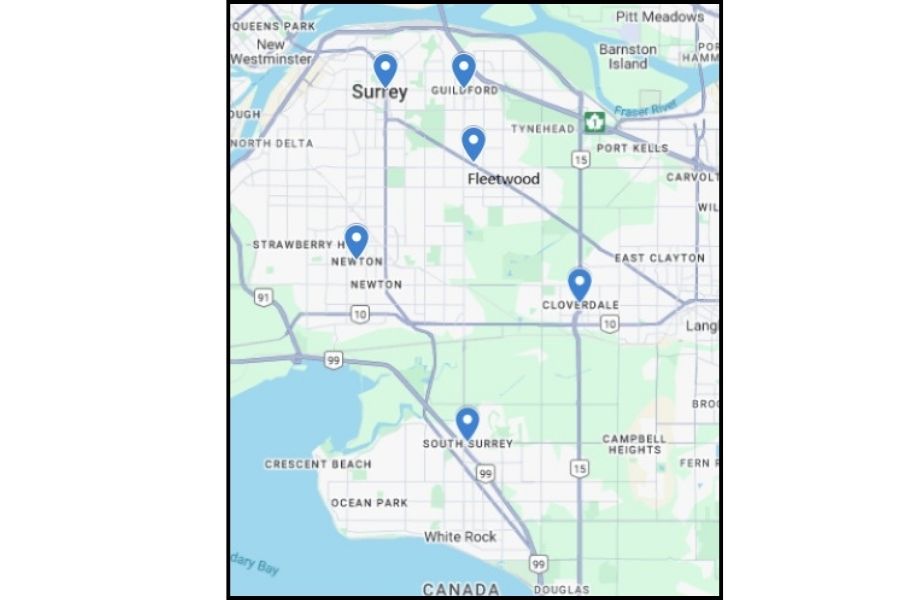
Choosing town centres like Newton or Whalley can save newcomers hundreds of dollars each month while maintaining easy transit access across Metro Vancouver. Here is a comparison of average costs and primary highlights across top areas:
| NEIGHBOURHOOD/AREA | 1-BEDROOM AVG. | 2-BEDROOM AVG. | NOTES |
| Canadian National Average* | ~$1,850 | ~$2,200 | Baseline benchmark across Canada |
| Newton | $1,850 – $2,250 | $2,400 – $2,750 | Most affordable; South Asian cultural hub; ground-level suites. View Newton Listings ↗ |
| Whalley / City Centre | $1,950 – $2,350 | $2,500 – $2,850 | High-density; Expo Line SkyTrain (35-40 min to downtown Vancouver); Simon Fraser University and Kwantlen Polytechnic University campuses. View Whalley Listings ↗ |
| Guildford | $1,950 – $2,350 | $2,500 – $2,850 | Major retail hub (Guildford Town Centre); quick transit links to SkyTrain & Hwy 1. View Guildford Listings ↗ |
| Fleetwood | $2,200 – $2,450 | $2,700 – $3,100 | Family-friendly; safe; Bear Creek Park; key corridor on future SkyTrain extension. View Fleetwood Listings ↗ |
| Cloverdale & Clayton | $2,250 – $2,550 | $2,750 – $3,150 | Mix of historic charm and modern developments; secondary & carriage suites. View Cloverdale Listings ↗ |
| South Surrey | $2,350 – $2,850 | $3,100 – $3,600 | Upscale, coastal lifestyle near Crescent Beach & White Rock; top schools. View South Surrey Listings ↗ |
Exploring the Best Areas to Live in Surrey, BC
When considering where to live in Surrey, BC, here is a breakdown of the top newcomer-friendly neighbourhoods with details about lifestyle, transit access, and local amenities.
1. Newton

- Best for: Budget-focused newcomers, South Asian newcomers, newcomers seeking cultural familiarity
- Transit: Newton Exchange bus terminal; future Bus Rapid Transit (BRT) service along King George Blvd
- Vibe: Diverse, energetic, community-oriented
- Why Newcomers Like It: Highly affordable rent, strong cultural connections, and local settlement support.
Newton is recognized as one of the cheapest neighbourhoods in Surrey, BC, offering some of the most competitive housing rates in Metro Vancouver. It is a major hub for South Asian culture, featuring specialized grocery stores, community centres, places of worship, and the Newton Wave Pool. The area provides a wide selection of ground-level basement suites and multi-bedroom options for larger families.
🔗 Browse Newton Apartments & Basement Suites ↗
2. Whalley / Surrey City Centre
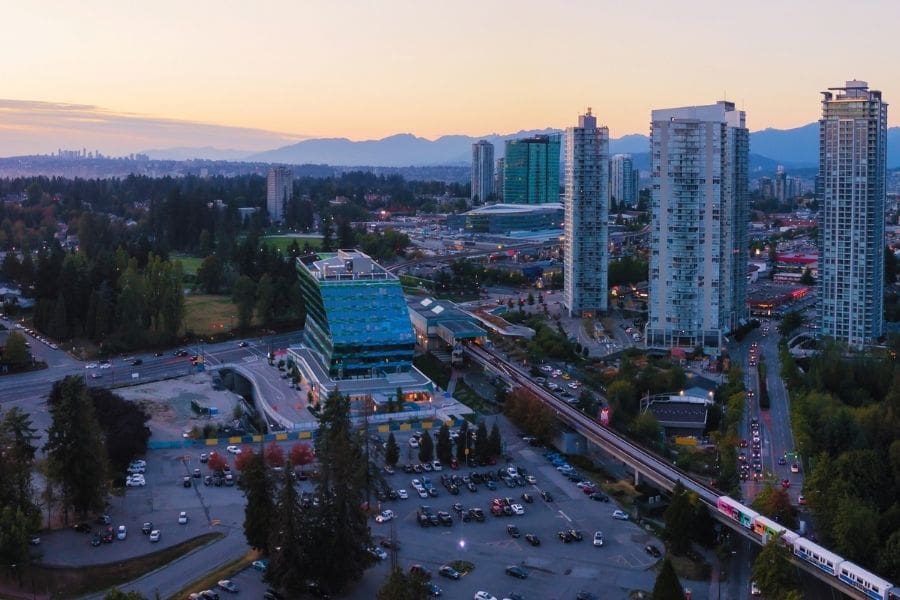
- Best for: International students, young professionals, newcomers without a car
- Transit: Surrey Central, King George, and Gateway SkyTrain stations (Expo Line)
- Vibe: Urban, fast-paced, and highly walkable
- Why newcomers like it: Walkable lifestyle, easy SkyTrain access, close to employment and post-secondary institutions.
Whalley is the downtown of Surrey and the civic and business core. With access to Simon Fraser University’s Surrey campus, Kwantlen Polytechnic University, Surrey City Hall, and Central City Shopping Centre, it’s ideal for students and newcomers who rely on public transit. Holland Park provides green space amidst modern high-rise rentals and basement suites. For step-by-step navigation tips, read our guide on How Newcomers Can Get Around Vancouver Using Public Transit.
🔗 Search Whalley & Surrey City Centre Rental Listings ↗
3. Guildford
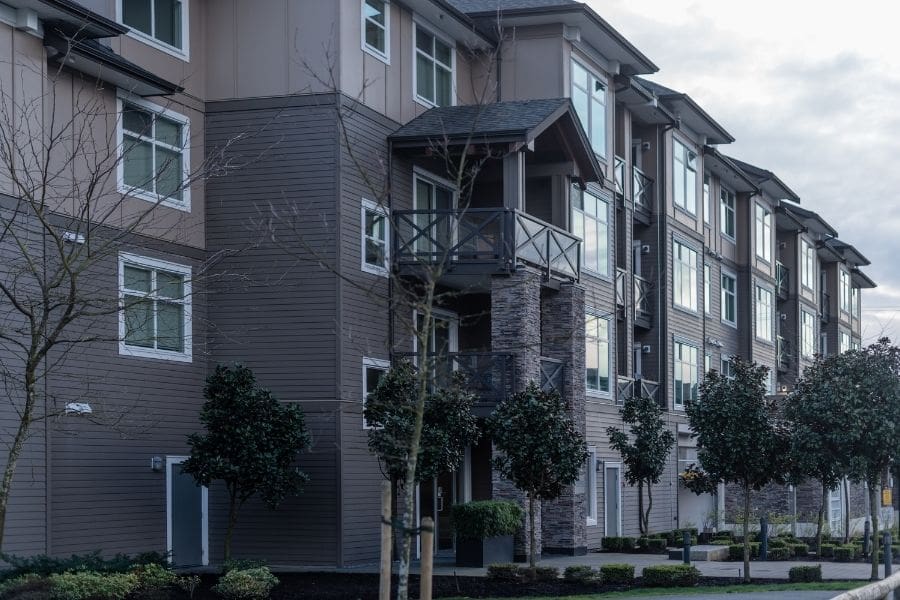
- Best for: Budget-conscious renters, students, families
- Transit: Bus routes and access to the SkyTrain via nearby stations
- Vibe: Active, commercial, accessible
- Why newcomers like it: Close to shopping, job opportunities, and budget-friendly rentals.
Guildford offers an optimal balance of affordability and convenience. It’s anchored by Guildford Town Centre, one of British Columbia’s largest malls. It features low-rise apartments, condos, townhomes, and multi-family rentals. There are nearby schools and services, and Tynehead Regional Park offers nature trails.
🔗 Explore Guildford Rental Properties ↗
4. Fleetwood (Best Places to Live in Surrey for Families)
- Best for: Families, couples, commuters
- Transit: TransLink bus network; direct access to future Surrey-Langley SkyTrain stations
- Vibe: Quiet, residential, with many parks
- Why newcomers like it: Safe, suburban vibe with family-friendly events and good transit links.
Fleetwood consistently ranks among the best places to live in Surrey for families. It is a safe residential neighbourhood surrounded by natural green space, including Bear Creek Park. It offers well-rated elementary and secondary school options, making it a top pick for newcomers who are moving to Surrey. The ongoing Surrey-Langley SkyTrain extension along Fraser Highway will add new rapid transit stations in Fleetwood, shortening future commutes to Vancouver.
5. Cloverdale & Clayton Heights
- Best for: Families, community-focused renters, those seeking secondary suites
- Transit: Bus connections; future SkyTrain access coming to Fraser Highway
- Vibe: Historic, family-friendly, rapidly growing
- Why Newcomers Like It: Strong community feel, modern housing developments, and family-friendly amenities.
Cloverdale is another top option when looking for the best places to live in Surrey for families, combining historic small-town charm with modern suburban growth in neighbouring Clayton Heights. Famous for community events like the Cloverdale Rodeo, the area offers newer housing stock, carriage homes, and ground-level secondary suites. The 16 km Surrey-Langley SkyTrain expansion will introduce a dedicated station in Cloverdale, enhancing overall transit accessibility.
6. South Surrey
- Best for: Families, established professionals, nature lovers
- Transit: Express bus service to Metro Vancouver hubs; driving preferred
- Vibe: Coastal, upscale, laid-back
- Why Newcomers Like It: Safe, quiet environment, top-tier schools, and coastal recreation.
South Surrey provides a coastal, suburban lifestyle near Crescent Beach, White Rock, and Blackie Spit Park. Recognized as one of the best areas to live in Surrey, BC, the neighbourhood features top-ranked public and private schools, low crime rates, and peaceful residential streets. Located near the U.S. border crossings (Peace Arch and Pacific Highway), it is ideal for families seeking a higher-density suburban layout.
How to Avoid Rental Scams When Renting in Surrey
With high demand for housing across Metro Vancouver, online rental scams often target newcomers and international students. Follow these essential safety rules during your home search:
- Verify Landlords and Property Ownership: Cross-reference the property address and images using Google Maps or reverse image search. Be cautious of “middlemen” claiming to represent out-of-town owners.
- Never Send Deposits Before Inspecting: According to the Canadian Anti-Fraud Centre (CAFC), requesting upfront e-Transfers or wire payments before a viewing is the #1 red flag of rental fraud. Inspect the unit in person or through a verified live video tour before sending deposit money.
- Sign a Standard BC Tenancy Agreement: Avoid verbal or “handshake” agreements. Ensure you receive a signed copy of a standard lease under the British Columbia Residential Tenancy Act (RTA) that lists the landlord’s full legal name and contact details.
- Use Verified Newcomer Housing Portals: Skip unverified classified sites like Craigslist or Facebook Marketplace where scam listings are common. Use trusted platforms like Rentals for Newcomers that screen listings and verify property owners.
💡 Need More Protection? Read our full guide on 10 Smart Tips for Newcomers to Avoid Rental Scams in Canada to spot warning signs and protect your deposit.
FAQs about Renting in Surrey, BC
Newton and Guildford consistently offer the lowest rental costs and the largest selection of ground-level and basement suites.
Whalley (Surrey City Centre) is ideal because it is walkable to SFU Surrey, KPU Civic Plaza, and two Expo Line SkyTrain stations.
The Expo Line extension along Fraser Highway will add eight new stations through Fleetwood and Cloverdale/Clayton. Renters moving to these areas will benefit from faster transit options to downtown Vancouver. For station route maps and construction updates, visit the official BC Government Surrey-Langley SkyTrain project site.
Fleetwood, Cloverdale, and South Surrey offer top-rated public and private schools, abundant parklands, low crime rates, and family-oriented communities.
Final Thoughts: Moving to Surrey Today
Finding the best neighbourhoods in Surrey offers newcomers a welcoming community, lower housing costs, and exceptional transit connections across Metro Vancouver. Whether you prefer an urban apartment in Surrey City Centre or a peaceful family home in South Surrey, choosing the right area is the first step toward settling in Canada.
👉 Start your search now at Rentals for Newcomers to explore verified rental listings today!
Surrey sits 23 kilometres southeast of downtown Vancouver. Today, living in Surrey, British Columbia, places you in BC’s second-largest city. Surrey is growing fast and will soon become the province’s largest city. Known as the “City of Parks,” Surrey offers active urban centres, quiet suburbs, green parks, and farmland.
For newcomers arriving in Canada, living in Surrey is a practical choice. You pay less rent per square foot than in downtown Vancouver while staying connected through the SkyTrain. Living in Surrey helps you stretch your landing budget without losing access to great jobs.
📌What You Need to Know
- Affordable Living and Good Jobs: Surrey housing costs offer significantly better value than central Vancouver, with steady job opportunities across health care, clean tech, construction, and education.
- Finding Work and Housing: Strong regional employment and more accessible rent prices per square foot make settling in Surrey practical for arriving families.
- Help for Newcomers: The city offers robust, government-funded immigrant settlement organizations with programs for arriving families, students, and workers.
- Getting Around: Commute easily using the SkyTrain Expo Line and TransLink buses, with major highways connecting you to Vancouver and the Fraser Valley.
- Outdoor Lifestyle: Enjoy a mild Pacific climate year-round, over 600 public parks, 277 trails, and nearby ocean beaches at Crescent Beach.
Quick Facts About Living in Surrey: 2026
| Category | Key Statistic & Information |
|---|---|
| Location | Metro Vancouver, British Columbia (23 km southeast of downtown Vancouver) |
| Population | BC’s second-largest city (over 600,000 residents; on track to pass Vancouver) |
| Average 1-Bed Rent* | $1,800 – $2,200 / month |
| Average 2-Bed Rent* | $2,500 – $2,900 / month |
| Commute to Vancouver | ~35 minutes via SkyTrain Expo Line (Surrey Central / King George to Waterfront) |
| Public Transit | TransLink SkyTrain & bus network (Flat 1-Zone fare for all buses) |
| Parks & Outdoor Space | 600+ parks, 277 hiking/biking trails, and ocean beaches |
| Top Job Industries | Health Care, Technology & Clean Energy, Skilled Construction Trades, Logistics |
*Rental prices change over time. You can see real-time rental listings in Surrey at Rentals for Newcomers ↗
1. Overview & Location Strategy: Why Newcomers Choose Living in Surrey
Many newcomers look only at downtown Vancouver when searching for homes. However, experienced immigrants and settlement experts agree: choosing to live in Surrey over central Vancouver saves money.
Key reasons newcomers pick living in Surrey include:
- Lower Rent Costs: Renters save $300 to $600+ every month by living in Surrey instead of central Vancouver.
- Fast Public Transit: Living in Surrey City Centre connects you directly to Waterfront Station in downtown Vancouver in about 35 minutes on the SkyTrain.
- Family-Friendly Amenities: Living in Surrey gives your family access to 600+ parks, 277 trails, modern recreation centres, and public schools.
- Welcoming Community: Living in Surrey connects you to diverse cultural groups, events, and settlement support services.
2. Rental Market, Housing & Net Take-Home Pay Math
Is Housing Expensive in Surrey?
Metro Vancouver has a competitive rental market, but living in Surrey offers more affordable options. Calculate your true take-home pay before you sign a lease to manage your finances wisely.
Average Rent Comparison: Surrey vs. Vancouver
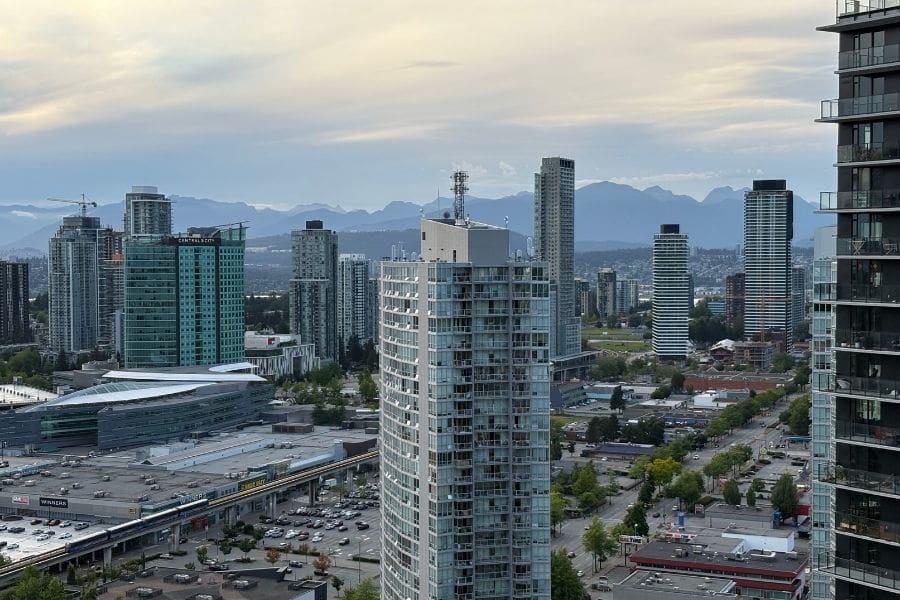
Choosing where to rent is one of your biggest decisions as a newcomer. In The Globe and Mail’s August 2026 ranking of “Canada’s 100 Best Cities for Renters” (conducted in partnership with Rentals.ca), Surrey stood out as Metro Vancouver’s premier value hub. Surrey outranked central Vancouver thanks to lower average rent costs, strong transit, and better rental inventory for families.
The table below compares average monthly rent for 1-bedroom and 2-bedroom apartments in Surrey and Vancouver:
| City | Surrey (Average Monthly Rent) | Vancouver (Average Monthly Rent) | Monthly Savings Living in Surrey |
| 1-Bedroom Apartment | $1,800 – $2,200 | $2,270 – $2,500 | Save $300- $470+/month |
| 2-Bedroom Apartment | $2,500 – $2,900/month | $3,200 – $3,500+ | Save $600 – $700+/month |
💡Explore Active Surrey Rental Listings
The Net Pay Budgeting Rule
In Canada, mandatory deductions for taxes, Canada Pension Plan (CPP), and Employment Insurance (EI) take about 20% to 25% from your gross pay. We recommend spending no more than 30% of your net (take-home) pay on housing when living in Surrey.
| Home Type | Average Monthly Rent (Surrey) | Required Net Income/Month | Required Gross Household Income |
|---|---|---|---|
| 1-Bedroom Apartment | $1,800 – $2,200 | ~$6,000 – $7,300 | ~$90,000 – $110,000 / year |
| 2-Bedroom Apartment | $2,500 – $2,900 | ~$8,300 – $9,600 | ~$125,000 – $145,000 / year |
| 3-Bedroom Townhome | $3,000 – $3,500 | ~$10,000 – $11,600 | ~$150,000 – $175,000 / year |
Tip: Use our free Rent Affordability Calculator to test your household budget before you start looking for a place while living in Surrey.
Avoid Rental Scams
Demand for rentals across Metro Vancouver is high. Protect yourself from rental scams when searching for a home to live in Surrey:
- Visit the unit in person or through a live video tour before you send deposit money.
- Never wire money or send e-Transfers to landlords who claim they are out of the country.
- Sign a standard written lease agreement under the British Columbia Residential Tenancy Act (RTA).
💡 Newcomer Tip: Unsure which city in British Columbia fits your budget? Read our guides on Living in Vancouver and Living in Prince George to compare your choices.
💡 Free Newcomer Housing Webinar
Worried about navigating Canadian landlords, lease contracts, or credit requirements? Watch our free expert webinar:

Buying a Home in Surrey: Property Prices (2026)
While most newcomers start by renting, buying a home in Surrey remains a popular long-term goal. With a varied housing stock, entry-level condos and townhomes offer a more accessible entry point into the Metro Vancouver property ladder than central Vancouver.
| Property Type | Benchmark / Average Price Range | Best For |
| Condo / Apartment | $470,000 – $520,000 | First-time buyers, singles, young professionals |
| Townhome | $740,000 – $780,000 | Growing families needing multi-level space & yard |
| Detached House | $1,260,000 – $1,350,000 | Established buyers, multigenerational households |
Source: Fraser Valley Real Estate Board (FVRB) 2026 Market Data.
3. Surrey’s Six Town Centres: Neighbourhood Profiles for Living in Surrey
Surrey has six distinct “Town Centres.” Each town centre offers unique housing options and lifestyles. For a closer look at neighbourhoods, read our dedicated guide, Surrey Neighbourhoods: Best Areas to Rent for Newcomers.
| Town Centre | Features & Atmosphere | Housing Types | Best For Living in Surrey |
|---|---|---|---|
| Whalley / City Centre | Surrey’s urban core; walkable area with SkyTrain access, high-rise towers, Simon Fraser University Surrey campus, and Central City shopping. | High-rise condos, modern apartments. | Students, young professionals, car-free commuters. |
| Guildford | Located in northeast Surrey; features Guildford Town Centre mall, transit hubs, and quick highway access. | Mid-rise apartments, townhomes, detached houses. | Families, retail workers, commuters. |
| Fleetwood | Fast-growing area along Fraser Highway; features great parks, community centres, and upcoming SkyTrain stations. | Townhouses, detached homes, low-rise condos. | Growing families, long-term residents. |
| Newton | Surrey’s most populated town centre; rich culture, shopping plazas, wave pool, and community centres. | Basement suites, townhouses, detached homes. | Multigenerational families, budget renters. |
| Cloverdale | Historic center of Surrey; known for the Cloverdale Rodeo, antique shops, and a small-town feel. | Heritage houses, new townhouse builds. | Families wanting quiet suburban living. |
| South Surrey | Coastal district near White Rock; features Crescent Beach, Morgan Crossing shops, and top parks. | Detached homes, luxury townhomes, condos. | Retirees, established families, beach lovers. |
4. Top Jobs & Employment Options When Living in Surrey
Living in Surrey places you in an economic powerhouse. Fast population growth and proximity to U.S. border crossings drive these main hiring industries:
- Health Care & Life Sciences: Rapid expansion around the Surrey Memorial Hospital health tech district creates many jobs for people living in Surrey.
- Technology & Clean Energy: Tech hubs in City Centre focus on software, green tech, and innovation.
- Skilled Construction Trades: Demand is high for workers to build homes and city projects as more people choose to live in Surrey.
- Advanced Manufacturing & Supply Chain: Major logistics, shipping, and factory hubs operate across Surrey’s industrial parks.
- Business, Finance & Retail: Local stores, commercial spaces, and office jobs are growing.
Career Advice for Newcomers Living in Surrey
Format Your Resume for Canada: Tailor your resume to Canadian standards. Remove photos, age, and marital status, and highlight measurable achievements
Start Networking Early: Over 70% of jobs in Metro Vancouver are filled through connections. Message local professionals on LinkedIn before you move to Surrey.
Evaluate Your Qualifications: If you work in health care, teaching, or engineering, apply for credential checks with BC licensing bodies right away.
Connect with Local Settlement Agencies: Partner with community organizations like DIVERSEcity or S.U.C.C.E.S.S. to access free employment workshops, resume writing, and direct connections to local employers hiring newcomers.
💡 Tip: Read more about how to research career opportunities in our guide, Canada Job Bank: Your Vital Research Tool.
5. Banking & Money Advice for Newcomers Living in Surrey
Setting up your bank account is one of the first steps to settling in Surrey. Major Canadian banks (such as BMO, CIBC, RBC, TD, and Scotiabank) have branches across the city with special newcomer banking programs.
These programs let you open an account, get your first Canadian credit card without previous credit history, and start building your financial future. Meeting with a personal advisor early will help you set up a practical household budget.
- For a full guide on budgeting, check out How to Manage Your Personal Finances When You’re New to Canada.
- To plan your finances, read our guide, How Much Money Will I Need to Move to Canada?
6. Diversity & Community Support for Newcomers in Surrey, BC
Surrey is one of Canada’s most diverse municipalities. According to Statistics Canada census data, 67.1% of Surrey’s total population was born outside of Canada. The demographic breakdown by population share includes:
- South Asian: 37.8% (212,675 residents)
- European Origins: 30.8%
- Chinese: 8.6% (48,350 residents)
- Filipino: 7.0% (39,290 residents)
- Black: 2.3% (12,870 residents)
- Southeast Asian: 2.7% (15,350 residents)
- Latin American: 1.6% (8,835 residents)
- Korean: 1.8% (10,140 residents)
- Arab & West Asian: 2.2% (12,615 residents combined)
This rich cultural mix brings strong support networks, lively festivals, international food, and dedicated newcomer services to all six town centres.
Key Settlement Services in Surrey
Free, government-funded settlement support, English classes (LINC), employment coaching, and family integration services are available through leading local organizations:
| Settlement Agency | Core Services Offered | Target Community & Key Focus |
| DIVERSEcity Community Resources Society | • Settlement orientation & counseling • Language assessment & LINC classes • Job search workshops & networking • Youth & family support programs | Primary settlement hub in Surrey serving all immigrants, refugees, and international students. |
| S.U.C.C.E.S.S. Surrey Service Centre | • Foreign credential recognition support • Employment training & mentoring • Community connection programs • Affordable housing & senior support | Large non-profit offering multilingual settlement services across Metro Vancouver. |
| MOSAIC | • Workplace English & skills training • Specialized career bridging programs • Legal clinic & immigration guidance • Pre-arrival orientation services | Provincial agency supporting newcomer workforce integration and skills assessment. |
| YMCA Newcomer Information Centre | • Community orientation & referrals • Family & youth integration hubs • Health, wellness & English conversation circles | Personalized settlement plans, mentoring programs, and community connections. |
💡Tip: Joining settlement programs early helps you build social connections, learn about your neighbourhood, and access vital services. Read more in our guide: Essential Services to Help Newcomers Settle in Canada.
7. Public Transit & Driving & Airport Access When Living in Surrey
TransLink runs an efficient public transit network across Metro Vancouver. You can easily travel while living in Surrey without owning a car.
Public Transit Options
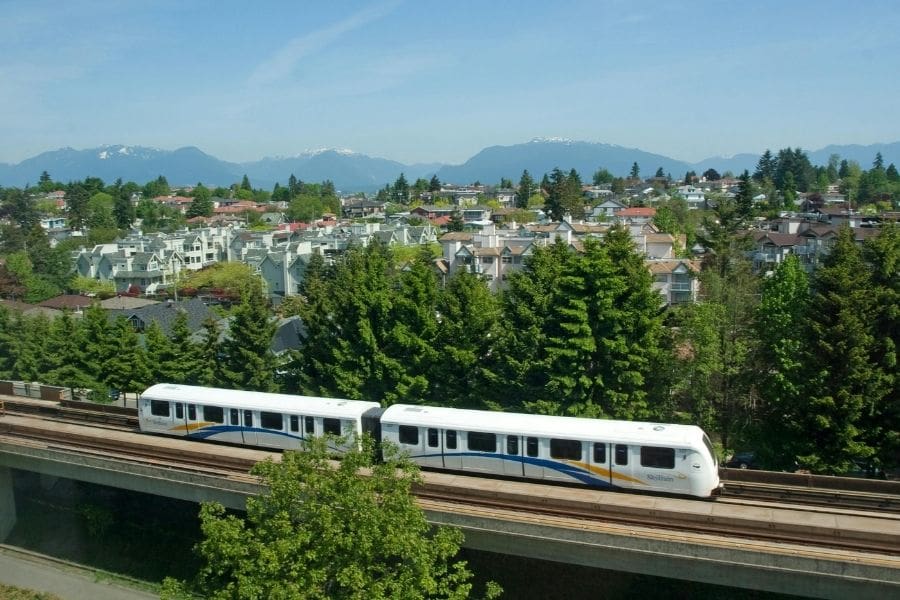
- SkyTrain Expo Line: Connects people living in Surrey directly to New Westminster, Burnaby, and downtown Vancouver. Key stations include Scott Road, Gateway, Surrey Central, and King George.
- Bus Network: Local buses connect all six town centres. TransLink uses a flat 1-Zone fare for all bus routes, making bus travel simple while living in Surrey.
- Compass Card: Tap this reloadable card to pay fares on all SkyTrain, bus, and SeaBus routes.
- New Transit Extensions: The upcoming Surrey-Langley SkyTrain extension will add 16 kilometres of elevated track along Fraser Highway, making transit even easier for residents living in Surrey.
🚆 Newcomer Mobility Tip: Getting around Metro Vancouver without a car is easier than you think. Learn how to save on fares, master the SkyTrain network, and use Compass Cards in our complete guide: How Can Newcomers Get Around Vancouver Using Public Transit?
Driving & Licence Rules
Driving in Surrey connects you easily to major routes like Highways 1, 10, 99, and the Fraser Highway. Local city bylaws and the BC Motor Vehicle Act set the rules for driving and parking. If you hold an out-of-province driver’s licence, you must exchange it for a BC ICBC licence within 90 days of moving.
Air Travel & Airport Access
Living in Surrey gives you convenient access to two major international airports for domestic and global travel:
- Vancouver International Airport (YVR): Located about 30 to 35 kilometres west of Surrey. You can drive to YVR in 35 to 45 minutes or take the SkyTrain (Expo Line to Commercial-Broadway, transfer to the Millennium Line, then switch to the Canada Line at Broadway-City Hall).
- Abbotsford International Airport (YXX): Located about 35 to 40 kilometres east of Surrey. YXX offers budget domestic flights and regional connections. You can drive there in about 35 to 45 minutes along Highway 1 or take regional express buses.
8. Healthcare & Medical Services When Living in Surrey
💡 Newcomer Tip: Apply for your provincial health card as soon as you move to British Columbia.
Provincial Health Insurance: Medical Services Plan (MSP)
MSP pays for necessary doctor visits, diagnostic tests, and hospital care across BC. Permanent residents and eligible work permit holders can apply for coverage right away once they move to British Columbia. Read more about public health care in Canada.
Permanent residents, returning citizens, and eligible work permit holders can apply for coverage right away once they establish residency in BC.
Standard MSP does not cover basic dental care, prescription medicines, routine eye care, or emergency ambulance trips. Most residents use private extended health insurance or workplace benefits to pay for these extra costs.
| Resident Category | Waiting Period | Coverage Notes |
| Newcomers (PRs) | Up to 3 Months | Coverage starts on the first day of the third month after establishing BC residency. |
| Moving from Another Province | Up to 3 Months | Your previous province covers your medical costs for the first 3 months until MSP starts. |
| Work Permit Holders | Up to 3 Months | Eligible if your work permit is valid for at least 6 consecutive months. |
| International Students | Up to 3 Months | Eligible if your study permit is valid for 6 months or longer. (International students pay a monthly health fee). |
| Returning Citizens/PRs | Up to 3 Months | Coverage starts on the first day of the third month after moving back to live in BC. |
How to Find a Family Doctor in Surrey
- Health Connect Registry: Register online through the official BC government Health Connect Registry to get matched with a local family doctor or nurse practitioner.
- Medimap Search Tool: Use the online Medimap locator tool to find open walk-in clinics near you and view real-time wait times.
- HealthLink BC (Dial 8-1-1): Call 8-1-1 anytime to speak with a registered nurse, pharmacist, or dietitian for free health advice.
- Medical Emergency: For serious life-threatening emergencies, call 9-1-1.
💡 TIP: Buy private travel medical insurance to protect yourself during the 3-month MSP waiting period. Read more in our guide: Do You Need Travel Medical Health Insurance to Move to Canada?
Major Hospitals in Surrey
Surrey Memorial Hospital is the primary hospital. Located in Whalley/City Centre, it features the region’s largest emergency department, a specialized pediatric emergency area, maternal care units, and a growing health-technology research hub. Standard provincial health insurance does not cover basic dental care, prescription medicines, eye care, or ambulance trips. Most people use private extended health insurance or workplace benefits to pay for these extras.
9. Schools and Learning: A Guide for Families and Students
Elementary & High School
Surrey features one main public school district alongside independent options:
- Surrey Schools (School District 36): BC’s largest school district, serving over 78,000 students across 100+ elementary schools and 21 secondary schools.
- Catholic Independent Schools of Vancouver Archdiocese (CISVA): Publicly available Catholic independent elementary and high schools operating in Surrey.
- Independent & Private Schools: Includes local faith-based and specialized independent schools.
💡 Newcomer Tip: Children attending Canadian schools for the first time complete a basic assessment to get English language support (ELL) in class. Read more in our guide, Schooling in Canada | A Look at the Education System.
Colleges and Universities
- Simon Fraser University (SFU Surrey): A major research university campus located right inside Central City Mall in Surrey City Centre.
- Kwantlen Polytechnic University (KPU): A public polytechnic university offering hands-on degree, diploma, and trades programs across campuses in Surrey (Newton and Cloverdale).
- Douglas College & Local Career Colleges: Nearby public and private vocational institutions offering career-focused diploma training.
10. Pros and Cons of Living in Surrey
Here is a quick breakdown of the main advantages and challenges of living in Surrey.
| Topic | Pros (The Benefits) | Cons (The Challenges) |
| Money & Housing | Better Rental Value: Rent costs $300 to $600+ less per month than central Vancouver. | High Regional Costs: Overall living costs remain higher than in inland provinces like Alberta. |
| Transit & Commute | Fast SkyTrain Access: Travel to downtown Vancouver in ~35 minutes on the Expo Line. | Suburban Traffic: Driving along major corridors like Fraser Highway can get busy during peak hours. |
| Lifestyle & Outdoors | City of Parks: Access 600+ parks, 277 trails, ocean beaches, and modern recreation centres. | Rainy Winters: Winters bring frequent rain (“Raincouver”) rather than continuous snow. |
| Community & Jobs | Rich Diversity: Strong multicultural networks, diverse food, and comprehensive newcomer services. | Evolving Rental Market: While Metro Vancouver’s vacancy rate has eased to multi-decade highs (~3.7%–4.1% in Surrey), affordable lower-end units remain competitive, so having organized financial documents is still key. |
11. Culture and Day-to-Day Life in Surrey, BC

The Heart of the City
Surrey combines urban growth with beautiful natural spaces. The community offers vibrant art and cultural hubs, including the Surrey Arts Centre, Museum of Surrey in Cloverdale, and the modern Surrey City Centre Library.
- Parks and Nature: Over 600 public parks span the city. Local favourites include Crescent Beach, Green Timbers Urban Forest, Bear Creek Park, and Tynehead Regional Park.
- Historic Sites: Explore local heritage at the Historic Stewart Farm in South Surrey or visit Cloverdale’s historic main street.
- Sports and Entertainment: Attend community events at Holland Park, catch local sporting matches, or visit modern aquatic facilities like the Grandview Heights Aquatic Centre.
- Places of Worship: Surrey features diverse places of worship, including Gurdwaras, churches of various denominations, mosques (such as Ayesha Mosque), and multi-faith centres.
Newcomer Community & Cultural Events
- Surrey Vaisakhi Parade: Held every April, this is one of the largest Vaisakhi celebrations outside India, bringing over 500,000 visitors.
- Diwali Celebrations (Festival of Lights): Every autumn, Surrey comes alive with major community Diwali events, cultural performances, local night markets, and light displays across Newton and City Centre (read our complete guide to Diwali Celebrations in Canada for event dates and locations).
- Surrey Fusion Festival: An award-winning summer festival celebrating global food, music, and cultures at Holland Park.
- Indigenous Land Acknowledgment: Surrey sits on the traditional, ancestral, and unceded territories of the Coast Salish peoples, including the Semiahmoo, Katzie, and Kwikwetlem First Nations.
💡 Moving to Surrey soon? Download our free Canadian Pre-Arrival Checklist to plan your arrival tasks for a smooth transition.
Common Questions About Living in Surrey
Surrey has an estimated population of over 600,000 residents. It is BC’s second-largest city and is on track to surpass Vancouver as the province’s most populated city.
Surrey sits about 23 kilometres southeast of downtown Vancouver. The SkyTrain Expo Line connects Surrey City Centre to Waterfront Station in downtown Vancouver in about 35 minutes.
Yes, especially if you live near SkyTrain stations in Whalley/City Centre or along main bus routes. TransLink runs frequent buses across all six town centres using a flat 1-Zone bus fare.
Surrey experiences a mild maritime climate. Temperatures average around 5°C in winter. While snow is rare, rain falls frequently from October through April, so waterproof gear is essential.
Yes. Surrey offers family-focused suburban neighbourhoods, modern schools, extensive park networks, and active newcomer settlement services.
Yes. Living in Surrey provides many great services and activities for families, making it a great choice for newcomers. It’s close to Vancouver with affordable housing, many schools, and a diverse community.
Final Thoughts: Is Living in Surrey Right for You?
If you want lower rent, vibrant multicultural communities, fast public transit to downtown Vancouver, and quick access to parks and beaches, living in Surrey is a great choice. While Metro Vancouver living costs are high, Surrey gives newcomers a practical way to balance budget, career opportunities, and family life.
Driving is a big part of life in Canada. If you are planning to move to Vancouver or anywhere in British Columbia (B.C), you will need to learn about the process for getting your driver’s licence in British Columbia. The steps to complete will differ depending on your current driver’s licence status. Below we will outline the steps to get your driver’s licence in B.C.
You Have 90 Days to Switch to a B.C Driver’s Licence
The local licencing authority is called the Insurance Corporation of British Columbia (ICBC). Newcomers to the province are allowed to drive using a foreign licence for up to 90 days after arrival. This is referred to as the 90-day rule. After this point, you can only use a driving licence in Canada issued by British Columbia.
How to Apply for a B.C Driver’s Licence
New residents can apply for a licence at an ICBC licencing offer. For the appointment you will need to bring:
- Personal identification
- Your current driver’s licence
- Proof of previous driving experience (driving record)
- Funds to pay for licencing fees.
To get a B.C licence you will need to surrender your previous licence to ICBC. Experienced drivers from approved countries can exchange their foreign licence for a British Columbia equivalent right away.
Reciprocal Licence Exchange List
Licencing requirements are based on your current licence and the country it is from. ICBC has licence exchange agreements with the following countries:
- Austria
- Australia
- Belgium
- France
- Germany
- Guernsey
- Isle of Man
- Jersey
- Ireland
- Japan
- Netherlands
- New Zealand
- South Korea (not motorcycles)
- Switzerland
- Taiwan (for passenger vehicles only, not motorcycles)
- United Kingdom (England, Wales, Scotland, and Northern Ireland
- United States.
If you hold a license from any of these countries, you will need to bring identification, (including a permanent resident card, or work/study permit). You will also need to surrender your existing licence and answer basic questions about road safety to get a British Columbia licence.
[cjtoolbox name=’Your First Weeks In Canada’]
Related Posts:
- Driving in Canada: 10 Essential Facts to Know
- Driving Test in Canada: A Full Guide
- What to Know About Living in Vancouver, British Columbia
- What to Know About Living in Prince George, British Columbia
- Settle in Canada with Confidence and Ease
What if I am Not from a Country on the Licence Exchange List?
If you have a licence from a country that is not on the list, you can still apply for a B.C driver’s licence. You will need to fill out an application and pass a knowledge test and road test.
- Complete the knowledge test: Book an appointment to complete your knowledge test. This is a multiple-choice quiz about road rules and road signs. You will need to get at least 40 out of 50 questions correct to pass. You can take the practice knowledge test online here.
- Take the class 5 road test: Once you pass the knowledge test you can make an appointment to complete your road test. If you pass the test, you will be issued a B.C driver’s licence.
You will have 90 days to complete the process.
Steps to Complete if You Have Less Than Two Years of Driving Experience
If you have less than two years of driving experience in your home country, you will have to take more steps to get a driver’s licence.
Those with more than two years of driving experience will get a full, Class 5 licence right away as outlined above. People with less than two years of experience will receive a Class 7 novice licence and may then apply for a full Class 5 licence when they have accumulated two years of experience. Foreign experience will be credited towards the two-year total.
You will enter the graduated licencing program. This is also applicable to newcomers who do not have a driver’s licence and want to get a B.C licence. Here’s how it works:
- Get your learner’s licence – your L: you will need to pass the knowledge test and a vision test
- Get your novice licence – your N: You will need one year of driving experience with a qualified supervisor. You will need to pass the Class 7 road test.
- Get your full licence: Complete 2 years of safe driving with your Class 7 licence and pass the Class 5 road test.
What to Know About Driving in British Columbia
Now that you know how to get a driver’s licence, let’s briefly talk about what it is like to drive in British Columbia. Here are some must-know facts:
In B.C. all drivers must:
- Have car insurance to drive a car
- Wear a seatbelt when driving (including passengers)
- Install winter tires in the winter months
- Be aware of driving conditions that can change quickly – you will experience rain, snow, icy roads at different times of the year
- Watch for wildlife – wild animals often cross the roadways, especially on highways and in mountainous regions.
- Obey speed limits and other traffic signs
- Pay fees to drive on toll roads in the province
- It is illegal to use your cell phone while driving
- The legal blood alcohol level is 0.05 in BC.
Also, to ensure your safety, it’s illegal to use your cell phone while driving and the legal blood alcohol level is 0.05 in B.C. However, it’s best to avoid drinking and driving.
For more information about living and working in Canada, check out our free webinars. We’ll help you to achieve success in Canada!
[cjtoolbox name=’Your First Weeks In Canada’]