
What You Need to Know
- Newcomers must establish a credit history in Canada, which acts as a financial passport for various services.
- To build credit, open a newcomer bank account, obtain a secured credit card, and pay bills on time; rent reporting can also help.
- Landlords typically require a credit score of at least 650, making a good credit history essential for securing rentals in Ontario.
- Newcomers can build credit quickly by following three steps: opening a banking package, adhering to credit management rules, and reporting rent payments.
- Finally, monitor your credit report regularly to ensure it remains healthy and reflects positive financial habits.
Starting your life in Canada is an exciting milestone, but it comes with a unique financial challenge: establishing a credit history from scratch. In Canada, your credit score is more than just a number; it’s a financial “passport.” It helps you rent a home, get a phone plan, or eventually qualify for a mortgage. Whether you are starting from zero or looking to improve your standing, this guide provides a step-by-step roadmap to building a healthy Canadian credit profile.
Quick Answer: How Do Newcomers Build Credit Fast?
To build credit in Canada, start by opening a newcomer bank account, obtaining a secured credit card, and paying your bills on time. Using rent reporting services can also accelerate the process. Most newcomers can establish a solid credit history within 6 to 12 months of responsible credit use.
Why Newcomers Face a “Credit Gap”
In Canada, credit history does not automatically follow you from your home country. Without a Canadian credit report from bureaus like Equifax or TransUnion, you may face:
- Higher interest rates on loans.
- Difficulty securing rental housing.
- Requests for large security deposits on utilities or mobile plans.
What’s a Good Credit Score in Canada?

In Canada, your credit score is a three-digit number between 300 and 900 that represents how reliably you repay money. Lenders, landlords, and even employers use this to assess your risk level.
| Credit Score Range | Rating | What it Means For You |
| 760+ | Excellent | You’ll likely qualify for the best interest rates. |
| 725 – 759 | Very Good | High approval odds for most loans and rentals. |
| 660 – 724 | Good | This is the “average” Canadian range; acceptable for most lenders. |
| 560 – 659 | Fair | You may qualify, but expect higher interest rates. |
| 300 – 559 | Poor | Focus on building/repairing credit. |
According to Borrowell (2023), it typically takes 6–12 months of responsible credit use to build a strong enough credit history to qualify for most loans.
Why Your Credit Score Matters
Check out this video for a simple breakdown of why building credit early is the most important step for your long-term success in Canada.
Key Takeaway: A high credit score doesn’t just help with loans; it’s often the deciding factor in securing a competitive rental in Ontario
How to Build Credit in Canada to Qualify for Rentals in Ontario
Securing a rental is often the first major hurdle for newcomers. In 2026, the Ontario rental market (especially in Toronto, Ottawa, and Hamilton) remains competitive, and landlords increasingly use credit checks to vet tenants.
What Ontario Landlords Often Review
Landlords typically run a credit check to look for:
- Your 3-Digit Score: Most corporate landlords look for a score of 650 or higher.
- Payment History: Have you ever defaulted on a Canadian utility bill or phone plan?
- Identity Verification: Before you apply, it is a good idea to check your credit so you know exactly what a potential landlord will see.
Protect your score from day one. A personal banking advisor acts as your financial navigator, ensuring you apply for the right products at the right time. Learn how a banking advisor helps newcomers avoid common credit pitfalls during their first year.
How to Rent With “Zero” Canadian Credit
Under the Ontario Human Rights Code, landlords cannot refuse you simply because you lack a Canadian credit history. If you are a “blank slate,” you can bolster your application by:
- Providing Proof of Savings: Show 3-6 months of “settlement funds” in a Canadian bank.
- Providing a Letter of Employment or References: A letter from your Canadian employer stating your salary and letters from previous landlords (even international) or character references.
- Using a Guarantor: A friend or family member in Canada who can co-sign your lease.
- Targeting Newcomer-Friendly Listings: Browse over 5,000 newcomer-friendly Rentals for Newcomers listings.
📖 Related: Can You Rent in Canada Without a Credit History?
Qualifying for a home in Ontario requires more than just a score; it requires a plan. To see how to organize your finances before you move, join our next free webinar: Arrive in Canada Financially Prepared.

3 Steps to Building Your Credit Score from Zero
1. Open a Newcomer Banking Package
Most major Canadian banks offer specialized “Newcomer to Canada” programs. These often include:
- No-fee chequing accounts for a set period.
- Secured Credit Cards: These require a deposit (e.g., $500) that serves as your credit limit, making them much easier to get than standard cards. For a deeper dive into the application process and what to watch out for, see our guide, How to get a credit card in Canada and avoid common mistakes.
Many newcomers don’t realize that Canadian bank advisors are trained to help you navigate the credit score system safely to avoid mistakes that could hurt your score early on. Watch this short video by Prepare for Canada to see how a financial advisor can act as your guide while you build your credit foundation:
2. Use the “6 Golden Rules” of Credit Management
Establishing the account is only the beginning. How you manage it determines your score:
- 1. Keep Utilization Below 30%: If your limit is $1,000, try not to carry a balance higher than $300.
- 2. Pay in Full and On Time: Even one late payment can stay on your report for years.
- 3. Avoid Cash Advances: These carry high interest rates that start accruing immediately.
- 4. Limit Credit Inquiries: Don’t apply for multiple cards at once; each “hard hit” can slightly lower your score.
- 5. Automate Payments: Set up auto-pay for the minimum balance to ensure you never miss a due date.
- 6. Monitor Regularly: Use free tools from Borrowell to check your credit, or your banking app to track your progress.
The average interest rate on Canadian credit cards is between 19% and 22%, and even higher on cash advances. Government of Canada, Financial Consumer Agency, 2026
3. Report Your Rent
Since over 80% of Canadian landlords perform credit checks, use your rent to your advantage. Services now exist that allow you to report your monthly rent payments to credit bureaus, helping you build credit history without taking on extra debt.
What’s in Your Canadian Credit Report?
Think of your credit report as your financial resume. It is a detailed record that lenders, landlords, and even some employers review. It contains:
- Identifying Information: Your name, current and previous addresses, date of birth, and Social Insurance Number (SIN).
- Employment History: A list of your current and past employers in Canada.
- Credit Accounts (Tradelines): Details on your credit cards, car loans, and lines of credit, including when you opened them and your payment history.
- Inquiry Information: A record of every time a lender has checked your credit (called a “Hard Inquiry”).
- Public Records: Any bankruptcies or legal judgments against you.
- Collections: Any unpaid bills (like a forgotten internet or gym fee) that have been sold to a collection agency.
What Stays on Your Credit Report?
Your report is a living document of your financial habits. Be mindful of these timelines:
Standard Credit Info: Most info stays for 6 years.
Collections: Unpaid bills sent to collection agencies stay for 6 years.
Legal Judgments: Can remain for up to 10 years, depending on the province.
Benefits of Credit Cards for Newcomers:
For a newcomer, a credit card is the most powerful tool in your financial kit. Here is why you should get one as soon as you arrive:
- Builds Credit History Fast: It is the quickest way to move from a “thin file” to a visible credit score (usually within 3–6 months).
- Access to Better Rates: A solid history with a credit card helps you qualify for lower interest rates on future car loans and mortgages.
- Simplifies Monthly Bills: Many utilities (hydro, gas, water) and phone providers allow for pre-authorized credit card payments. This ensures you never miss a due date, which protects your score.
- Earn While You Spend: In 2026, many newcomer-friendly cards offer cash back on essentials like groceries and gas, essentially giving you a discount on your cost of living.
Smart Habits to Protect Your Credit Score
Building credit takes months, but a single mistake can impact your score for years. Follow these habits to stay in good standing:
Close Utility Accounts Properly: When you move, don’t just walk away. Formally cancel or transfer your internet, electricity, and water accounts. Unpaid final “stub” bills are a leading cause of unexpected collections on newcomer credit reports.
The “Final Bill” Rule: After cancelling a service (such as a gym membership or phone plan), check your email or portal 30 days later to ensure your balance is $0.
Beware of “Zombie” Subscriptions: In 2026, many services auto-renew. Keep a list of all recurring Canadian payments so a declined card doesn’t lead to a missed payment mark.
Communicate Early: If you lose your job or face an emergency, call your bank before you miss a payment. Most Canadian lenders have “hardship programs” for newcomers that can protect your score while you get back on your feet.
Read the Fine Print on “No-Interest” Deals: Retailers often offer “buy now, pay later” plans. If you miss one payment or fail to pay by the deadline, you could be hit with retroactive interest of 25% or more, which can quickly spiral into debt.
Final Thoughts: Why Credit is Essential in Canada
Building credit in Canada is a journey, but it shouldn’t stop you from settling in. By combining credit-building habits with the right search tools, you can secure your future. Ready to start your search? Search our rental listings to find a home that fits your budget and newcomer status.
Your Next Steps
- Verify: Check your credit score to see your starting point.
- Search: Find a home that fits your budget in our Rentals for Newcomers portal.
FAQs: Building Credit in Canada
Most see a score within 3-6 months, with 12 months needed for a “strong” history.
Yes! Rent reporting, utility bills, and even some mobile phone plans can help if reported to credit bureaus.
Yes. Through Nova Credit, select newcomers can transfer their international credit history for review in Canada. However, there are some restrictions.
Your credit history is your record of borrowing and repayment activity, while your credit score is a numeric summary of that history.
Quick Summary: Finding Affordable Recreation
- City recreation programs for newcomers offer affordable ways to stay active, meet people, and relieve stress.
- Identify your portal: Every Canadian city has a unique registration site (e.g. Ottawa’s Active Communities) making fitness and community connections easy.
- Apply for subsidies: Cities like Vancouver, Calgary, and Toronto offer fee waivers and discounts (up to 100%) for newcomers using IRCC landing documents.
- Register early: Spots fill up fast! Create an account 1 week before registration opens and use the “Wishlist” feature to checkout instantly.
One of Canada’s best-kept secrets for staying active, making friends, and beating stress without breaking the bank is accessing city recreation programs for newcomers. Moving to a new country involves a massive checklist: finding a rental, opening a bank account, and landing your first job. But once the initial dust settles, building a high-quality daily life and feeling a true sense of belonging becomes the next priority.
Whether you want to play pickleball once a week for eight weeks, enroll your kids in affordable summer camps, or learn to swim, municipal recreation programs offer an incredible, budget-friendly gateway to community life. Here is how to find, register, and even get financial discounts for city recreation programs across Canada.
Why City Recreation Programs for Newcomers are a Goldmine

When you first arrive in Canada, getting a commercial gym membership or joining a private sports club is very expensive. This is where your local municipality steps in.
Cities across Canada manage their own network of community centers, parks, arenas, and pools. These centers offer structured, multi-week programs for adults, children, and seniors at a fraction of the cost of commercial programs.
Location Matters: Finding a Rental Near the Action
When deciding where to live, proximity to municipal recreation centers can change your experience of a Canadian city, especially if you rely on public transit. Living near a recreation center means your gym, swimming pool, and community events are just a short walk away.
Before you commit to a lease, explore verified, newcomer-friendly options on our Rentals for Newcomers Listing Platform. You can filter properties by city and neighbourhood to ensure you are close to parks, transit lines, and municipal facilities.
Protecting Your Health
Research into the “Healthy Immigrant Effect” shows that while newcomers often arrive healthier than the average Canadian, this advantage can decline within 10 years due to the stress of settlement. Engaging in local recreation is a primary way to prevent this “settlement slide” and protect your mental well-being.
Participating helps you:
Stay Active All Year: Transition between indoor winter sports (like indoor soccer, badminton, or pickleball) and outdoor summer leagues.
Save Money: Programs are strictly non-profit and priced to be accessible.
Build a Local Network: It is one of the easiest ways to meet Canadians and fellow newcomers who share your hobbies.
Beyond the Field: How Recreation Fuels Your Job Search
Did you know that playing local sports or attending an art class can actually help your career? In Canada, the “hidden job market” relies heavily on networking. Chatting with fellow players during a badminton match or volunteering at a community center is a fantastic way to practice your English, learn Canadian cultural nuances, and build organic professional connections.
Of course, networking is just one piece of the puzzle. To truly master the local job market, build a standout resume, and learn how to uncover hidden job leads before you even land, make sure to register for our upcoming free Working in Canada Webinar. It is packed with expert advice to help you secure your first professional role faster.

How to Register for City Recreation Programs in Canada:
Most cities have a seasonal registration cycle (Spring/Summer and Fall/Winter). Because these programs are so affordable, spots can fill up within minutes of opening. Follow this step-by-step process to lock in your spot.
Step 1: Find Your Local City Recreation Portal
Every municipality hosts an online portal (see table below) where you can find city recreation programs for newcomers tailored to your interests. For example, if you settle in Canada’s capital, you will use the City of Ottawa Recreation and Parks portal to browse everything from drop-in basketball to pottery.
Step 2: Create Your Family Account Early
Set up your family profile at least one week before registration opens. You must create a primary user profile and add your spouse or children as family members.
Step 3: Map Out Your “Wishlist”
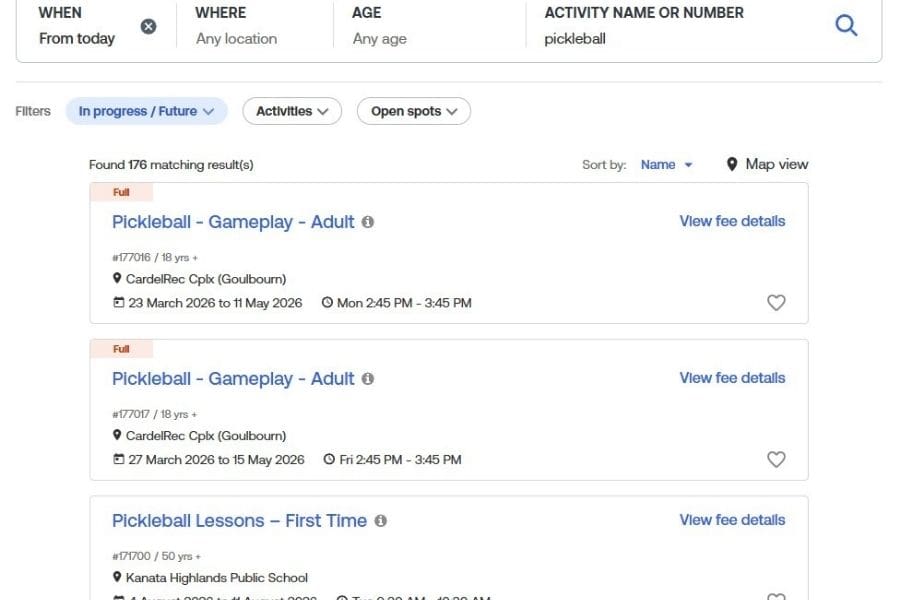
Search the database using keywords like “badminton” or “swimming”. Take note of the Program Code (a unique 5 or 6-digit number assigned to that specific class time). Cities release their recreation guide weeks before registration opens, so that you can build a schedule around your work or school hours.
Step 4: Set an Alarm for Registration Day
Registration usually opens early in the morning (e.g., 6:00 AM or 9:00 AM on a specific date). Log in to your account 10 minutes early, have your program codes ready, and add them to your cart the second the clock strikes.
🎥Watch: How to Register (Ottawa Example)
For a walkthrough of how the portals work, watch this tutorial from the City of Ottawa. It covers how to create accounts, add family members, and use the ‘Wishlist’ to save your spot faster!
Financial Support: Free and Discounted Programs
If you just moved to Canada as a Permanent Resident, student, or worker permit holder, and money is tight, you can still join local sports and classes.
Canadian cities offer fee subsidies, which are basically a discount or a “coupon” from the city to help cover your costs.
What this means for you:
- You don’t pay full price: Depending on your income, the city might cover 50% to 100% of the program costs.
- It’s for everyone: You don’t have to be a citizen to apply; most programs welcome international students and work permit holders.
- Easy to apply: You usually only need to show a utility bill and your IRCC documents.
Affordable Municipal Recreation Programs by City
| City (Portal Link) | Subsidy Program (Application Link) | The Newcomer Benefit |
|---|---|---|
| Calgary | Fair Entry | 50% to 75% off sports & fitness programs. |
| Edmonton | Leisure Access Program | Free annual admission to facilities + 75% off registered programs. |
| Ottawa | Hand in Hand | Up to $185 per person annually to credit towards fees. |
| Regina | Affordable Access Program | Free leisure center admission + 80% discount on classes. |
| Toronto | Welcome Policy | Full fee waiver for one recreation program per person, per session. |
| Vancouver | Leisure Access Program | 50% discount off programs + free pool and rink entry. |
| Winnipeg | Fee Assistance | Up to $800 per family annually to help with costs. |
📌 Newcomer Tip: To qualify for these subsidies, you usually need a document proving where you live (like a utility bill) and your income (such as your IRCC landing papers or a Notice of Assessment from your income tax return). If you are in the process of securing your first home, check out our Step-by-Step Guide to Canadian Rental Applications to ensure you have all your documents ready for the landlord.
Final Thoughts

Exploring city recreation programs for newcomers is the best first step toward feeling at home in your new community. Registering for a regular weekly activity is the single best way to protect your physical health and inject fun into your routine. Check out your city’s website today, mark your calendar, and get started! From local badminton games to national celebrations like Canada Day, getting involved is the best way to feel at home in your new country.
💡 Related Reading: Budgeting for a new life? Don’t miss our top 21 money-saving tips for newcomers to help your savings go further.
Ready to Build Your New Life in Canada?
- 🏠 Secure your ideal home: Browse verified apartments near transit and community centers using the Rentals for Newcomers Platform.
- 💻 Land your first job: Prepare for the local job market, resume building, and interview success by signing up for the free Prepare for Canada Working in Canada Webinar.
Common Questions about City Recreation Programs for Newcomers
No. As long as you live within the city limits, you are considered a resident. International students, work permit holders, and refugee claimants are all welcome to register for programs and apply for most fee subsidies.
A Registered Program (like an 8-week course) requires you to sign up in advance to secure your spot. A Drop-In activity (like public swimming or open gym) allows you to show up, pay a small fee at the front desk, and participate without an appointment.
Yes. Most cities understand that new arrivals won’t have a “Notice of Assessment” (tax document) yet. You can usually provide your IRCC Confirmation of Permanent Residence (COPR) or your refugee protection claimant document as proof of your status. Having your provincial ID makes many processes smoother. Learn more about applying for your Ontario Health Card.
While popular classes fill up fast, you can join a Waiting List. If someone drops out, the city will call the next person on the list. You can also look for “Late-Start” programs or stick to Drop-In schedules until the next registration season opens.
It depends on the facility. Most community centers provide heavy equipment like soccer nets, basketballs, and volleyball nets. However, for sports like skating or badminton, you usually need to bring your own skates or racquet. Tip: Many centers offer low-cost equipment rentals; check the facility page before you go!
Ottawa, Ontario, is the prestigious and stable heart of Canada. Known as “The Capital,” it offers a unique blend of historical significance, a booming tech sector, and a high quality of life. If you are wondering whether living in Ottawa is the right city for you, this 2026 guide covers vital information about Ottawa rent prices, jobs, and lifestyle in a city that balances big-city opportunities with a community-focused feel.
Before moving, research:
- Job opportunities in your field: Ensure your skills match Ottawa’s public service and high-tech labour markets.
- Housing costs: Ottawa offers more value than Toronto, but prices vary between urban centers and the suburbs like Kanata and Orleans.
- Cost of living in Ottawa: Budget for groceries, utilities, and transportation.
- Culture and daily life: Understand the city’s bilingual nature and its “four-season” outdoor lifestyle to adapt faster.
This research will help you make informed decisions and start your life in Canada on the right foot.
Quick Facts About Living in Ottawa: 2026
| Metric | 2026 Data | Comparison Note |
|---|---|---|
| City Population | ~1,100,000 (City) / 1.5M (Metro) | 4th largest metro area in Canada |
| *Avg. 1-Bedroom Rent | $1,950 | ~25% higher than the national average |
| Benchmark Home Price | $793,000 | Stabilizing after 2024-2025 growth |
| Top Industry | Public Service & High-Tech | “Silicon Valley North” (Kanata) |
| Climate | Humid Continental | Known for world-class skating in winter |
*While this is an average, the market moves fast. You can see live Ottawa listings right now at Rentals for Newcomers.
About Ottawa, Ontario
Ottawa is uniquely positioned in Eastern Ontario, bordering Gatineau, Quebec. Together, they form the National Capital Region (NCR). This creates a distinctive bilingual environment where 45% of the population is functionally bilingual. In 2026, Ottawa is a global leader in SaaS, Cybersecurity, and Life Sciences, attracting professionals wanting “big city” careers with “small town” safety and commute times.
While Ottawa is a top choice for newcomers, it is important to see how its rental market and employment sectors compare with other major Canadian hubs. Check out our comprehensive guide to the best cities in Canada for immigrants to see how Ottawa’s cost of living stacks up nationally.
Jobs in Ottawa: 2026 Outlook
💡 Employment Trends: According to Prepare for Canada’s 2026 employment analysis, based on the March 2026 labour force data from Statistics Canada, the unemployment rate is 6.2% (Ottawa-Gatineau). While the economy has seen fluctuations, Ottawa’s unemployment rate remains relatively steady largely due to the stability of the public sector.
What are the top industries for jobs in Ottawa?
Key Sectors: Federal Public Service, Technology (SaaS & Wireless), Healthcare, and Life Sciences.
Top 5 Occupations (2026)
- SaaS & Software Developers (Kanata Tech Sector)
- Public Policy Analysts & Administrators (Federal Government)
- Cybersecurity Specialists
- Healthcare Professionals (The Ottawa Hospital & Queensway Carleton)
- Skilled Trades (Supporting massive transit and residential expansion)
Major Employers: Government of Canada, Shopify, Nokia, Leonardo DRS, and the University of Ottawa
Tips for Newcomers Seeking Jobs in Ottawa
The Federal Public Service and a high-growth technology ecosystem (known as “Silicon Valley North”) drive the Ottawa job market. Many roles in the capital require specific security clearances or bilingualism; preparing early and networking are even more critical here than in other Ontario cities.
- Search Local & National Job Boards: Start with the Canada Job Bank or the City of Ottawa’s career portal. For specialized roles, check the careers pages of Ottawa’s “Big Three” anchor employers:
- The Government of Canada (GC Jobs): The region’s largest employer.
- The Ottawa Hospital / CHEO: Leaders in healthcare and life sciences research.
- The Kanata North Tech Park: A major anchor, housing over 500 companies and 33,000 tech employees.
- Connect with Free Settlement Agencies: Don’t wait until you arrive. Many agencies offer pre-arrival services to help you tailor your resume to Ontario standards and understand the local labour market.
- Attend Welcoming Ottawa Week (WOW): Held every June (22nd-30th in 2026), this city-wide initiative features job fairs, networking events, and direct access to employers and community leaders.
💡 Tip: Read more about how to research your profession in our guide, Canada Job Bank: Your Vital Research Tool.
The 2026 Cost of Living in Ottawa: Housing & Rent
Is housing expensive in Ottawa?
Ottawa offers a “middle ground” for Ontario. It is much more affordable than Toronto but more expensive than neighbouring cities like Kingston or Montreal. As of May 2026, the average rent for a 1-bedroom apartment is $1,778.
The 2026 Ottawa Rental Market: Costs & Process
Renting is often the first step for newcomers arriving in the capital. According to the Rentals for Newcomers 2026 Market Watch, while the early 2020s saw high competition and rising costs, the Ottawa market has become more balanced. With thousands of new units completed and more supply on the market, landlords are now more likely to offer incentives such as “one month of free rent” to attract reliable tenants.
Budgeting for Living in Ottawa: May 2026 Rental Costs
Living in Ottawa in May 2026 requires a monthly budget of approximately $3,200 to $4,500 for a single professional or $6,500 to $9,000 for a family of four. This includes the median Ottawa rent price of $1,778 for a one-bedroom apartment, plus roughly $650 for groceries, $162 for utilities, and $125 for a monthly transit pass.
This table shows the median asking rents. According to Rentals for Newcomers’ latest pricing guide, these figures represent the benchmark you should use when planning your monthly housing budget.
| Unit Type | Median Monthly Rent | Year-over-Year Trend |
|---|---|---|
| Studio Apartment | $1,475 | ➖ Stable |
| 1-Bedroom Apartment | $1,778 | 📉 Down 0.3% |
| 2-Bedroom Apartment | $2,258 | ➖ Stable |
| 3-Bedroom/Townhouse | $2,535 | 📈 Up 1.2% |
👉 The surge in new apartment completions has led many landlords to offer move-in bonuses. To see current prices and incentives, check out active rental listings now.
Navigating the Canadian rental market as a newcomer, often without a Canadian credit history or local references, can feel like a puzzle. We’ve put together two essential resources: The Newcomer’s Rental Application Guide, a step-by-step checklist that will help you stand out to landlords, and our upcoming webinar, Renting Your First Home in Canada.

🏠 Where to Search for Rentals
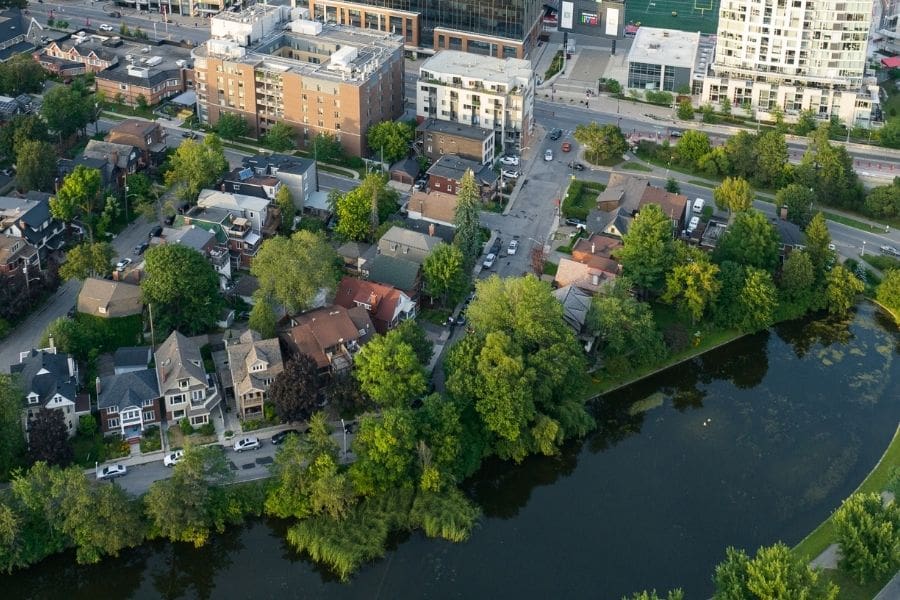
While the city average provides a budget, your lifestyle will dictate where you live. For a deep dive into the specific vibes and prices of each area, see our full guide: Best Ottawa Neighbourhoods for Renting.
- For Tech Professionals: Look at Kanata or Nepean (close to “Silicon Valley North”). Search Nepean listings now.
- For Students & Young Professionals: Explore Centretown (browse Centretown apartments), Sandy Hill, or The Glebe (view rentals in The Glebe).
- For Families: Barrhaven and Orléans offer more space and are close to schools.
💡 Expert Tip: While the median for a 1-bedroom is $1,950, Rentals for Newcomers suggests exploring areas like Vanier or Cyrville, where quality units can often be found for $100–$200 below the city average.
The “Across the River” Choice: Living in Ottawa vs. Gatineau
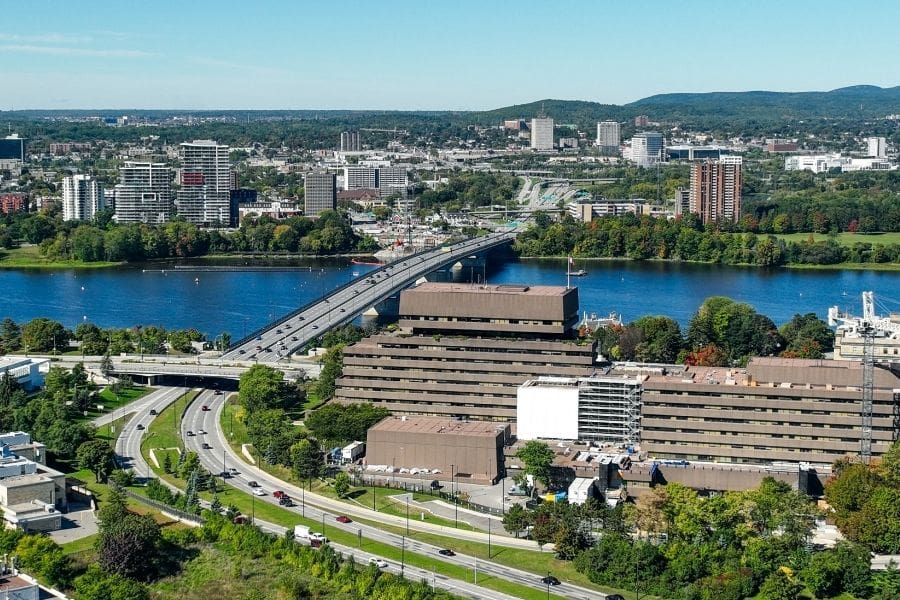
When researching rentals, you will likely notice that prices in Gatineau (the city directly across the river in Quebec) are much lower than in Ottawa. While rent is often 15% to 20% cheaper in Gatineau, keep in mind that Quebec has higher provincial income taxes than Ontario.
For many newcomers, the extra tax you pay can actually be more than the money you save on rent. Additionally, cross-border commuting can be difficult, as traffic between Ottawa and Gatineau is heavy during rush hour.
When applying for rentals, most landlords check credit scores, so it helps to build credit in Canada early.
Tips for Renting in Ottawa
- Look for Landlord Incentives: Because the market is “softer” in 2026, many newer buildings offer move-in bonuses. Ask, “Are there any move-in incentives or flexible rent options for new residents?”
- Understand Rent Control:
- Controlled: If the building was first lived in before November 15, 2018, the landlord can only raise your rent by the provincial guideline (set at 2.1% for 2026).
- Uncontrolled: Newer buildings (post-2018) do not have a legal cap on rent increases. So, budget carefully if you choose a brand-new condo.
- Mandatory Tenant Insurance: Most Ottawa landlords require proof of insurance before they give you the keys. Budget for renters’ insurance.
- Prepare a “Tenant Resume”: Since you may not have a Canadian credit score yet, bring proof of your savings, a letter from your employer, and references from your home country to build trust with landlords.
- Book a short-term rental before you arrive in Canada, and search for a permanent or long-term rental upon arrival.
🏠 Find your first home: Use the Rentals for Newcomers search tool to find apartments specifically vetted for new arrivals. Find up-to-date listings and prices!
Buying a Home in Ottawa
Ottawa offers a great middle ground for newcomers. It is more affordable than Toronto or Vancouver, and it has a strong, stable housing market. As of May 2026, there are more homes for sale than in previous years, and prices aren’t rising as quickly. This makes it a good time for buyers to look for a home.
Here is how Ottawa home prices look:
| Property Type | Benchmark Price (May 2026) | Market Trend |
| All Homes (Average) | $692,584 | 📈 Up 1.0% |
| Detached Houses | $845,000 | 📉 Down 0.8% |
| Townhouses | $562,5000 | 📈 Up 0.8% |
| Condo Apartments | $401,650 | 📉 Down 5.8% |
Tips for newcomers buying a home in Ottawa
- Work with a Local Real Estate Agent: A licensed agent can help you find the right neighbourhood, explain the paperwork, and handle the final sale.
- Get a “Mortgage Pre-approval”: Talk to your bank to find out exactly how much money they will lend you. Having this letter ready makes your offer much stronger when you find a house you love.
- Look in Growing Areas: Consider neighbourhoods like Vanier (close to downtown), Barrhaven (very popular with families), or Orléans (great value and a strong French-speaking community).
Check out more tips for first-time home buyers.
Banking & Personal Finances in Ottawa, ON
Most major banks offer newcomer programs that help you open an account before you arrive, get a credit card, and start building your credit history. By visiting a local bank branch, you can also learn about financial products such as lines of credit, savings accounts, and mortgages. You can even meet with a personal banking advisor who can help you budget for life in Ottawa and plan for long-term goals like buying a home.
Managing your personal finances is a vital part of living in Ottawa, ON. To prepare, check out our guide, Canadian Financial Tips Before You Move to Canada.
Community Support for Newcomers in Ottawa, ON, Canada
The city offers a strong settlement network with several agencies to provide tailored support.
Key Settlement Services in Ottawa
| Organization | Best For | Signature Programs & Perks |
| YMCA – YWCA Ottawa | First Arrivals | The first stop for Language Assessment (CLB). |
| Ottawa Community Immigrant Services Organization (OCISO) | Offers the “Multicultural Liaison Officer” program in schools to help newcomer children adjust. | |
| Hire Immigrants Ottawa | Career | Connects internationally trained professionals with local employers. |
| World Skills Employment Centre | Career & Skills | Focus on getting newcomers into the Ottawa tech and government workforce. |
| Centre de services communautaires Vanier | Francophones | Bilingual Settlement: Comprehensive health and social services for the French-speaking newcomer community. |
Ready to Start Your New Life in Ottawa?
Moving to a new country involves many moving parts. To make sure you don’t miss a step, from getting your Social Insurance Number (SIN) to enrolling your children in school, we’ve created a comprehensive guide just for you.

Driving & Transit in Ottawa, Ontario, Canada
Navigating the City: Transit & Living in Ottawa
- LRT (O-Train): Line 1 (Confederation Line) runs east-west, while Line 2 (Trillium Line) runs north-south. Line 2 has recently expanded to serve the South and the Ottawa International Airport (YOW).
- The Queensway (Hwy 417): The main artery. In 2026, peak-hour traffic can be heavy; newcomers are encouraged to live near their work sector (e.g., Kanata for tech, Centretown for gov).
- Winter Driving: Ottawa receives an average of 224cm of snow annually. Winter tires are an essential safety expense for newcomers. Read more in our guide, Winter Driving in Canada: 7 Essential Tips for Newcomers
- Licensing: Newcomers must visit a DriveTest Centre to exchange their out-of-province or international license for an Ontario license.
Air and Rail Travel
- Ottawa Macdonald-Cartier International Airport (YOW): Located about 20 minutes from downtown, YOW is the primary gateway for the National Capital Region.
- The “Porter Hub” Advantage: In 2026, Porter Airlines officially made Ottawa its main secondary hub. This means newcomers have access to more domestic flights (such as Windsor, Sudbury, and Charlottetown) and frequent “sun” routes to Mexico and the Caribbean than in previous years.
- VIA Rail: Ottawa is a major stop on the busy Windsor-Quebec City Corridor, making train travel a popular alternative to driving.
Healthcare & Medical Services
Provincial Health Insurance: The OHIP Guide
The Ontario Health Insurance Plan (OHIP) covers medically necessary services, including visits to family doctors and specialists, as well as most hospital care and surgical procedures. OHIP provides peace of mind for people establishing residency in the city.
| Resident Category | Waiting Period | OHIP Eligibility & Coverage Notes |
| Newcomers (from Outside Canada) | No Waiting Period | Coverage begins the first day you establish residence in Ontario. |
| Moving from Another Province | 3 Months | Your “old” provincial plan covers you for the first 3 months. OHIP begins on the 1st day of the 3rd month. |
| Work Permit Holders | No Waiting Period | Eligible if working full-time for an Ontario employer for at least 6 months. Requires an employer letter confirming your role and start date. |
| International Students | Not Eligible | Automatically enrolled in the University Health Insurance Plan (UHIP) at the University of Ottawa and Carleton. |
| Canadian Citizens/PRs | No Waiting Period | Must be physically present in Ontario for 153 days in any 12 months to maintain coverage. |
📍 Where to Apply: Apply immediately at a ServiceOntario location to process your health card application. Popular locations for applications are the Ottawa City Hall branch (Centretown) and the Westgate Shopping Centre.
How to Find a Family Doctor in Ottawa
Once you have your OHIP card, your next priority is to find a primary care provider.
- Health Care Connect: The primary provincial tool for finding a doctor. You register online, and a “Care Connector” will work to match you with a family doctor or nurse practitioner accepting new patients. Due to a provincial shortage, the wait for a family doctor in Ottawa currently averages 14-18 months.
- Walk-in Clinics: Use walk-in clinics or the AppleTree Medical Group for immediate needs.
- Health811 (in Ottawa and across Ontario): This is your 24/7 bilingual phone nursing triage service. By dialling 811, you can speak with a registered nurse for medical advice or help finding local health services.
- Urgent Care vs. Emergency: Locals use Urgent Care Centres, such as the Orleans Health Hub or St. Vincent Hospital, for issues like stitches, sprains, or minor infections. This keeps Emergency Rooms (at The Ottawa Hospital and Montfort) clear for life-threatening crises.
Major Hospitals in Ottawa
Ottawa is a national leader in specialized medicine, research, and bilingual healthcare. The city’s medical services are primarily divided into three major networks: The Ottawa Hospital (TOH), Montfort Hospital (the province’s flagship Francophone teaching hospital), and specialized centers like CHEO and the University of Ottawa Heart Institute.
| Hospital | Primary Specialty | Key Focus for Newcomers |
| The Ottawa Hospital (Civic Campus) | Trauma & Neuroscience | The regional center for adult trauma and the home of the University of Ottawa Heart Institute, Canada’s largest cardiovascular center. |
| CHEO (Children’s Hospital of Eastern Ontario) | Pediatrics & Youth | One of Canada’s leading pediatric hospitals. It features a 24/7 Pediatric ER and specialized mental health services for youth under 18. |
| The Ottawa Hospital | General & Specialized | A multi-campus network that serves as the region’s primary provider for adult trauma and specialized research. |
| Montfort Hospital (Hôpital Montfort) | Bilingual Community Care | The primary point of care for Francophone residents, and a key community teaching hospital in the East End. |
| Queensway Carleton Hospital (QCH) | Acute Care & Orthopedics | The primary hospital for the West End (Kanata/Nepean). Known for its Surgical Centre and being the first point of contact for the tech-sector corridor. |
| Royal Ottawa Mental Health Centre | Mental Health Research | One of Canada’s most prestigious psychiatric hospitals and research facilities, specializing in complex mental health and recovery. |
Schools & Learning: A Guide for Families & Students Living in Ottawa
Ottawa offers high-quality education at all levels. Whether you are looking for a school for your child or a university for yourself, here is a clear breakdown of how the system works in 2026.
Elementary & High School
In Ottawa, education is free for residents. Unlike most cities, you can choose from four different school boards based on the language you speak and your religious preference:
- English Public (OCDSB): The largest board. Classes are in English, but they offer popular “French Immersion” programs where students learn several subjects in French.
- French Public (CEPEO): For families who speak French as their first language. All classes are taught in French.
- English Catholic (OCSB): These schools include religious education but are open to students of all faiths.
- French Catholic (CECCE): French-language education with a Catholic focus.
💡 Newcomer Tip: If your child is new to Canada, you must start at a Family Welcome Centre. They will assess your child’s English and math skills to make sure they are placed in the right grade with the right support. You can also ask for a Multicultural Liaison Officer (MLO), who can help your family in your native language. Read more in our guide, Schooling in Canada | A Look at the Education System.
Child Care (Daycare)
Thanks to a national program, daycare costs have dropped significantly. As of early 2026, the average cost in Ottawa is about $19 per day, with the government working toward a $10-per-day goal. However, it may be difficult to secure a daycare spot, and there may be a waitlist.
Colleges & Universities
Ottawa is a “University Town.” These schools have strong connections to government and technology jobs.
- University of Ottawa (uOttawa): Famous for being the world’s largest bilingual (English-French) university. It is a top choice for Law, Medicine, and Social Sciences.
- Carleton University: Located near the river, it is best known for Journalism, Public Affairs, and Engineering.
- Algonquin College: Located in the West End, this is the place to go for “hands-on” training in skilled trades, technology, and nursing.
- La Cité collégiale: The largest French-language college in Ontario, specializing in technical and creative careers.
Pros and Cons of Living in Ottawa
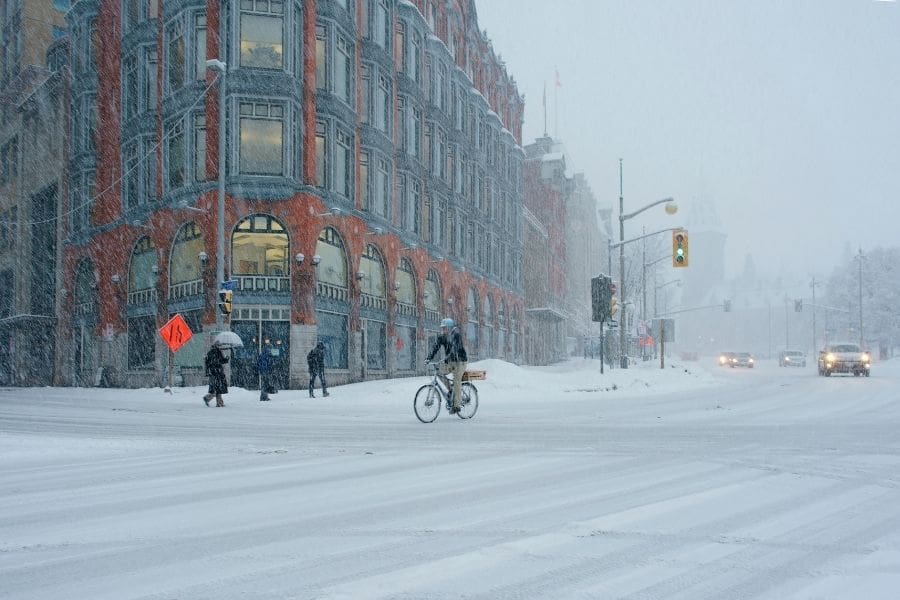
This table looks at the pros and cons of moving to Ottawa in 2026.
| Feature | Pros (The Benefits) | Cons (The Challenges) |
| Lifestyle | National Cultural Hub: Access to Canada’s best museums, galleries, and major events like Canada Day and Winterlude. | “Early to Bed” Reputation: While the culinary scene is growing, the city is generally quieter at night compared to Toronto or Montreal. |
| Housing | Stability & Choice: While expensive, the market is less volatile than Toronto, offering a mix of urban condos and spacious suburban family homes. | The Affordability Squeeze: Rent and home prices remain high relative to the national average, requiring a strong household income. |
| Nature | Greenbelt & Waterways: Amazing access to Gatineau Park, the Ottawa River, and the Rideau Canal for year-round outdoor recreation. | Extreme Winters: Ottawa is one of the coldest capitals in the world; winter lasts from November to April with significant snowfall. |
| Economy | Recession-Proof Jobs: A massive public service sector and a global tech hub (Kanata) provide high-paying, stable career paths. | The Bilingual Barrier: Many high-level career opportunities, especially in government, require proficiency in both English and French. |
| Transit | Expanding LRT Network: The 2026 completion of Stage 2 LRT is improving connectivity to the airport and suburban hubs. | Ongoing Reliability Issues: The light rail system has faced historical “growing pains” that can make commuting frustrating. |
| Community | Safe & Family-Oriented: Consistently ranked as one of the safest and best cities in Canada to raise children. | Bilingual Complexity: Navigating two provincial systems (Ontario/Quebec) if you choose to live in Gatineau but work in Ottawa. |
Culture & Community: Embracing the Ottawa Lifestyle
Arts, Culture & Entertainment: The Heart of the Capital
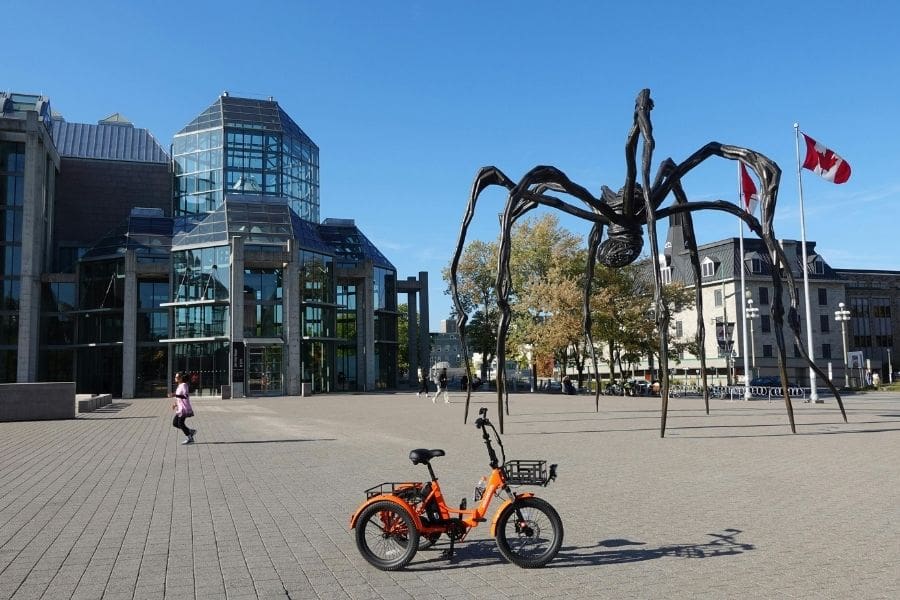
In 2026, Ottawa is much more than a government city. It is a cultural destination where national history meets a modern, diverse arts scene. With recent upgrades to major venues such as the National Arts Centre, the city hosts world-class concerts, Broadway shows, and international events all year. Check out Ottawa’s Event Calendar for current activities.
Museums & History:
Ottawa is home to Canada’s most famous museums. You can explore the National Gallery of Canada for world-class art or visit the Canadian Museum of History (just across the river) to learn about the country’s past. For something unique, the Canada Aviation and Space Museum and the Canadian War Museum are “must-sees.”
Cultural Celebrations:
Ottawa’s biggest party is Canada Day (July 1st), where the whole city turns into a festival. Other major events include the Canadian Tulip Festival in May and Winterlude in February. Winterlude is famous for its massive ice sculptures and for turning the city into a winter playground. If you’re looking to explore beyond the capital, check out our Canadian Winter Festivals Guide.
Professional Sports:
You can cheer for the Ottawa Senators (NHL) at the Canadian Tire Centre. If you prefer football, the Ottawa Redblacks (CFL) play at the lively Lansdowne Park. Soccer fans also gather at the same stadium to support Atlético Ottawa (CPL).
Active Living: Parks, Trails, and the Ottawa Lifestyle
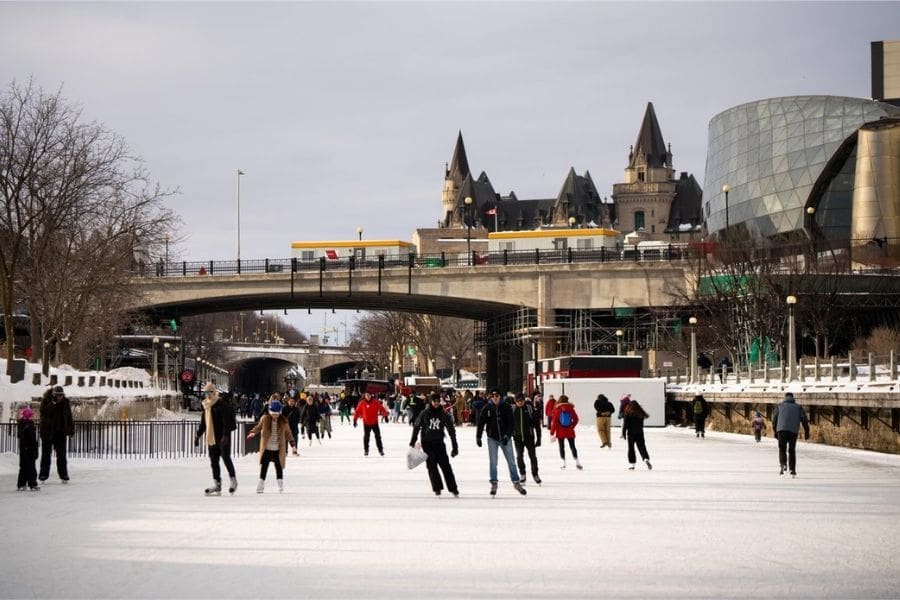
Ottawa is one of the greenest cities in Canada. Living in Ottawa means you are never far from a park or a trail.
The Rideau Canal: The city’s most famous landmark. In the summer, you can walk, bike, or boat along it. In the winter, the Rideau Canal Skateway becomes the world’s largest rink, stretching nearly 8 kms through the heart of the city.
Gatineau Park: Just a 15-minute drive from downtown, this massive park is perfect for hiking, camping, and seeing beautiful fall colours.
The Ottawa River: For those seeking adventure, the river is world-famous for whitewater rafting and kayaking. You can even try the world’s only interprovincial zipline, which lets you fly across the water from Ontario into Quebec.
ByWard Market: This is the city’s oldest public market. It is a great place to walk around, grab a “BeaverTails” pastry, and shop for local food and crafts.
Newcomer Community & Cultural Events
Ottawa is very welcoming to people from all over the world. The city celebrates its diversity with many community festivals.
Multicultural Festivals: Throughout the summer of 2026, you can visit events like the Latin Sparks Festival, Greek Fest, and Festival L’Outaouais en Fête.
Welcoming Ottawa Week (WOW): Every June (June 22–30 in 2026), the city holds special events to welcome newcomers. These include storytelling nights, soccer matches, and community picnics designed to help you meet new people and feel at home.
Final Thoughts: Is Living in Ottawa Right for You?

Choosing Ottawa, Ontario, in 2026 means choosing a city that offers a high quality of life and great stability. It is much more than just a government town; it is a leading tech hub and a safe, bilingual community that is perfect for families.
Ultimately, living in Ottawa remains one of the most balanced choices for newcomers in 2026. While the ‘sticker shock’ of Ottawa rent prices can be daunting at first glance, the city’s high average salaries and stable employment market often provide a better long-term return than more volatile hubs like Toronto or Vancouver. By doing your research today, you’re already one step ahead in the housing puzzle.
🏠 Ready to start your housing search? Browse vetted Ottawa rentals on Rentals for Newcomers today!
Common Questions About Living in Ottawa
Not for most tech or service jobs. However, for federal government roles, the ability to speak French and English is often a requirement for promotion and permanent status.
Ottawa is the 7th coldest capital city in the world. Expect deep snow from December to March. On the plus side, the city is built for the cold, with underground tunnels (pedway) and world-class snow removal.
Use the Health Care Connect registry. This is the provincial “waiting list” for people without a primary care provider.
Absolutely. Ottawa consistently ranks as the safest major city in Canada and has some of the highest-rated public schools in the province.
Affordability Challenges & The “New Reality” for the Rental Market in Canada in 2026
As of April 2026, Canada’s rental market has entered a cooling phase. While the cost of living remains high, the frantic bidding wars of previous years have largely disappeared. A combination of slower population growth (immigration slowed by 18% in 2025) and a record-breaking surge in new completions has shifted the power balance back toward tenants.
For newcomers to Canada, rental market information can help you decide where to live, help you budget, and improve your chances of securing housing. Explore the rental market in Toronto, Vancouver, Calgary, and other major Canadian cities, including trends and vacancy rates.
This is the most favourable market in half a decade for newcomers. Landlords are no longer just “taking applications”; they are actively competing for reliable tenants with move-in bonuses and “rent-free” months. However, despite Canada’s rental market easing, the Canada Mortgage and Housing Report (CMHC) Rental Market Report reveals that affordability remains a challenge for newcomers.
Whether you’re arriving soon or preparing in advance, knowing how the rental market is evolving can help you. Discover what’s in store with our spring update for Canada’s rental market.
Key National Stats at a Glance: Spring 2026 Update
| METRIC | VALUE (As of April 2026) | NOTE FOR NEWCOMERS |
|---|---|---|
| National vacancy rate | 3.1% (up from 2.2% in 2024) | Highest in years = more choice for tenants |
| Average 2-bedroom rent | $1,550/month (+5.1% Year-over-year) | Growth has slowed to a crawl (+2.2%) |
| Rent for new tenants | Declined 3.8% (Year-over-year) | “Net rents” are falling due to incentives |
| Landlord Incentives | 66% of new buildings | Common to see 1-2 months of free rent or cash bonuses |
Why it matters: Higher vacancy rates mean more choice, more listings, and better negotiating power, even if overall rents remain high.
Rental Market in Canada: Major City Trends Spring 2026
Vancouver Rental Market: Highest Vacancy in 30 Years

- Average 2-bedroom rent (purpose-built): ~$2,415 (purpose-built) / ~$3,170 (Condo)
- Vacancy rate: ~3.7%
📢 The Update: Vancouver is seeing its highest vacancy rate since the late 1980s. A sharp drop in international student numbers and a record number of new apartment completions have forced landlords to lower asking prices for the first time in recent memory.
Toronto Rental Market: A Renter’s Window of Opportunity
- Average 2-bedroom rent: ~$2,687 (Asking rents down 5.6% year-over-year
- Vacancy rate: 3 – 5.4% (Depending on building age)
📢 The Update: The Greater Toronto Area (GTA) market is “cooling rapidly.” Urbanation reports that net rents have hit a 16-quarter low. If you are moving to Toronto, do not accept the first price you see; nearly 70% of new buildings are offering incentives.
Navigating the Canadian rental market is often the first and biggest challenge for newcomers. To help you find a soft landing, we’ve put together two essential resources: The Newcomer’s Rental Application Guide, a step-by-step checklist that will help you stand out to landlords, and our upcoming webinar, Renting Your First Home in Canada.
Calgary Rental Market: Stabilizing After Rapid Growth
- Average 2-bedroom rent: ~$1,876
- Vacancy rate: 2.8%
📢 The Update: Calgary’s “rent explosion” has ended. High construction volume (exceeding Toronto’s starts for the first time) means more supply is hitting the market this spring. Explore what the city has to offer newcomers in our comprehensive Living in Calgary, Alberta guide.
Calgary and Edmonton offer the best ‘square-footage-per-dollar’ ratio in Canada for 2026. This makes it an ideal time to secure more space for your settlement journey. Learn why a larger layout might be your best long-term move in our guide: Renting Your First 2-Bedroom Apartment in Canada.
Edmonton Rental Market in 2026: The Value King
- Average 2-bedroom rent: ~$1,595/month
- Vacancy rate: 3.4%
📢 The Update: Edmonton remains the most affordable major city for newcomers. With the fastest building timelines in Canada, supply continues to keep pace with demand, keeping rent growth modest. Check out our guide to the Best Edmonton Neighbourhoods for Newcomers to find areas that suit your lifestyle and budget.
Ottawa Rental Market in 2026: Higher Vacancy, Softening Rents
- Average 2-bedroom rent (purpose-built): ~$2,350/month (Down ~2.1% Year-over-year)
- Vacancy rate: 3.5%
📢 The Update: 64% of new rental projects in Ottawa are now offering incentives. It is now common to see “one month free” or “free high-speed internet for a year” in new developments in areas like Nepean, Kanata, and the downtown core. For more guidance on where to live, see our best Ottawa neighbourhoods for newcomers guide.
Rental Market Vacancy Key: What the Numbers Mean for You
To help you navigate the 2026 data, it’s useful to understand what these percentages actually mean for your search. In the Canadian real estate context, a 3% vacancy rate is the magic number that economists call a “Balanced Market.”
| VACANCY RATE | MARKET TYPE | IMPACT ON NEWCOMERS | STRATEGY |
| Less than 2% | Critically Tight | High competition, bidding wars, and rents rise quickly. | Have all documents ready; apply on the spot. |
| 2.1% to 2.9% | Landlord’s Market | Limited choice; few to no incentives offered. | Start your search early (60 days out). |
| 3% to 5% | Balanced Market | The “Sweet Spot.” Landlords and tenants have equal power. | Negotiate! Compare 3+ listings before deciding. |
| Above 5% | Tenant’s Market | High supply; falling rents; many incentives. | Landlords competing for YOU; expect significant rent discounts and multiple incentives. |
What’s Driving the Rental Market in Canada This Spring?

1. Zero Population Growth Projection
Changes to Canada’s immigration levels, study permits, and work permits sharply reduced rental demand, especially in Ontario and British Columbia. The federal government’s 2025/2026 immigration plan has reduced the number of temporary residents, leading to a net loss of nearly 290,000 non-permanent residents.
2. The “Incentive” War:
To avoid leaving units empty, landlords may now offer “1 to 2 months of free rent.” This effectively lowers your annual cost, even if the “sticker price” looks high.
3. More rental supply
Many investors who intended to sell condos are now forced to rent them out due to a slow resale market, flooding the high-end rental market.
Practical Tips for Newcomers in the 2026 Rental Market in Canada
- Research local housing markets and compare rental prices
- Consider short-term rentals first while searching locally
- Prepare documents in advance to present to landlords (employment letter, references, proof of funds)
- Learn about factors that affect rental affordability in Canada
- Look beyond the first year and prioritize long-term stability
- Factor in transportation, location, and household size when choosing an apartment for your family.
Outlook for the Rest of 2026
The market is expected to remain “tenant-friendly” through the summer. However, experts warn that the current slowdown in new housing starts (developers pausing due to high costs) could lead to a new supply shortage by 2028. For now, 2026 is the year to lock in a stable, long-term lease.
💡 Newcomer Pro-Tip: Housing and Employment are two important settlement pillars. While you track vacancy rates, don’t forget to track your networking progress. A strong LinkedIn profile can lead to the job offer that makes your dream apartment affordable. Learn how to optimize your profile here.
Next Step for Newcomers

🏠 Find rentals that fit your budget and household needs. Explore Rentals for Newcomers to see options across Canada!
FAQs: Rental Market in Canada in 2026
Yes, for new tenants. While “sitting tenants” (those already in leases) may see modest increases, asking rents for new leases have fallen in Vancouver, Toronto, and Calgary. As of April 2026, the national “net rent”, which includes the value of landlord incentives, is at a 16-quarter low. If you are a newcomer signing a new lease today, you are likely paying less than someone who moved in a year ago.
Edmonton and Calgary generally have lower rents and higher vacancy rates than Toronto or Vancouver. Read more about rental affordability in Canada and how to balance housing costs with location, household needs, and long-term stability.
Absolutely. It is now the “standard” rather than the exception. Currently, 66% of new rental buildings in major urban centers are offering incentives. The most common deals include 1 to 2 months of free rent, cash move-in bonuses (averaging $400/month in value), and waived security deposits or parking fees. Always ask: “What move-in incentives are you currently offering?”
There is no need to wait, but you should shop around. With the national vacancy rate at 3.1% (a “Balanced Market”), you have the leverage to compare multiple units. The “best” time to rent is now through the summer of 2026, as the high volume of new completions has peaked. Experts warn that a slowdown in new construction starts today could tighten the market again by 2028, so locking in a lease in 2026 is a smart move.
Rental Affordability Includes Income, Location, and Household Needs
Rental affordability in Canada means being able to pay rent and cover other essential housing costs without financial stress. Many newcomers struggle to find affordable rent that meets their household needs, especially when using the 30% income rule. Understanding housing affordability in Canada helps renters strike a balance between housing costs, location, household needs, and long-term stability.
What Is Rental Affordability in Canada?
Canada Mortgage and Housing Corporation (CMHC) uses the 30% income rule to measure housing affordability. However, the rule does not reflect the reality that many renters, especially newcomers, face.
For newcomers, housing affordability in Canada often means making short-term trade-offs for long-term stability, rather than hitting a specific percentage.
7 Key Factors That Determine Rental Affordability in Canada
These factors explain why rent may feel unaffordable and what you can realistically control.

1. Canada Uses the 30% Income Rule to Measure Housing Affordability
The 30% rule suggests rent should not exceed 30% of your gross household income.
Gross Household Income Definition (CMHC): The combined earnings of everyone living in a single home, before taxes are deducted.
Why the 30% income rule matters:
- Influences how landlords assess housing affordability
- Helps renters avoid long-term financial stress
- Guides Canada’s housing policies and research
Why the 30% income rule often fails newcomers:
- High rents in major settlement cities such as Toronto, Vancouver, and Calgary
- Single-income households supporting families
- Entry-level or transitional jobs
Smart alternative for newcomers:
- Treat 30% as a guideline, not a pass/fail test
- Determine how long you can sustain higher rent
- Plan an exit strategy (career growth, relocation, rent-controlled apartments)
What Rent Is Affordable for Different Household Incomes?
Use this table to estimate what you can comfortably pay for housing while covering other essential costs.
| HOUSEHOLD INCOME | 30% BUDGET FOR HOUSING (Based on estimated gross income) | MONTHLY RENT BUDGET |
|---|---|---|
| $50,000 | $15,000 | $1,250 |
| $60,000 | $18,000 | $1,500 |
| $70,000 | $21,000 | $1,750 |
| $80,000 | $24,000 | $2,000 |
| $90,000 | $27,000 | $2,250 |
| $100,000 | $30,000 | $2,500 |
If these monthly rent targets feel out of reach for your preferred city, don’t worry. You can stretch your budget further by using these 10 Tips to Save Money on Rent in Canada, specifically designed for newcomers.
💡 Tip: Standard guidelines evaluate gross income, but your take-home or net pay determines what you can comfortably spend each month. To get a realistic figure based on your net income, run your numbers through Prepare for Canada’s Rental Affordability Calculator.
Calculating what rent you can afford isn’t just about the rental price. You also need to factor in utility bills, daily living expenses, and money for savings. If you are worried that high rent will make it hard to save for your future, a bank advisor can help. They specialize in showing you how rent and daily spending affect your overall budget. Watch this short video to see how they can help you plan your money with confidence:
2. Local Market Conditions Affect Rental Affordability
Where you rent matters as much as how much you earn. Rental prices vary across Canada, influenced by demand, housing supply, and population growth.
Key factors shaping affordability:
- Vacancy rates: Low rates mean fewer rental options and more competition.
- Population growth: Rapidly growing cities lead to increased rental demand and higher rates.
- New rental construction: More new units may offer competitive pricing.
- Investor-owned housing stock: Can influence rent prices and lease terms.
To understand how conditions differ by city, see our Rental Market in Canada 2026: Rent Prices, Vacancy Rates & Newcomer Outlook.
Newcomer reality: Many settle in Toronto, Vancouver, or Calgary for jobs, but these cities have higher rent and more competition. Smaller or mid-sized cities may offer more affordable options, but you must balance this against job opportunities, transit access, and lifestyle.
Solution: Compare first-year affordability versus long-term opportunity, and review city guides or neighbourhood breakdowns before committing.
Understanding Vacancy Rates
Vacancy rates measure the percentage of rental units in a market and influence prices.
| VACANCY RATE | MARKET CONDITION | WHAT IT MEANS FOR RENTERS |
|---|---|---|
| Below 3% | Tight / Competitive | Few units available, higher rents, more competition, requires faster applications. |
| Around 3% | Balanced | Supply roughly meets demand, moderate choice and stable prices. |
| Above 3% | Renter-friendly | Plenty of units, and renters can negotiate better terms and rental incentives. |
💡Newcomer tip: If vacancy is below 3%, act fast and budget for higher rent. Or, consider smaller units, different neighbourhoods, or apartments that include utilities.
Learn more in How to Save Money on Rent in Canada: 10 Tips for Newcomers.

3. True Rental Affordability Includes Rent, Utilities, and Transportation Costs
Costs to consider beyond rent:
- Utilities: heat, electricity, water
- Internet and mobile phone plans
- Parking or laundry fees
- Tenant insurance
- Transportation costs: transit passes, car expenses
Example: A $2,000/month apartment without utilities and transit access could end up costing $2,400+/month when you add expenses.
💡Newcomer tip: Always confirm average monthly costs with the landlord to understand the true price of living in a unit.

4. Household Size Directly Affects Rental Affordability
Larger households may require more bedrooms or workspace, which can increase rent but improve long-term stability.
Key Factors:
- Number of adults and children
- Bedroom requirements for suitable housing
- Work-from-home or study space
- Accessibility or safety needs
💡Newcomer tip: For many newcomers, a 2-bedroom unit can offer better long-term value. Explore the benefits of renting a 2-bedroom apartment in Canada.
If you are renting a larger 2-bedroom or 3-bedroom unit to accommodate furniture from your home country, you’ll need a plan for the move. Learn the best way to manage the logistics in our guide to Shipping Household Goods and Personal Items.
5. Transportation Costs Are a Key Part of Rental Affordability
Housing affordability includes commuting costs. Consider:
Trade-offs renters face:
- Urban rent vs suburban commuting
- Transit access vs car ownership
- Time vs money trade-offs
💡Newcomer tip: A cheaper apartment may not be more affordable if transportation costs offset savings. Include car, insurance, and transit fees in your budget.

6. System Barriers Can Make Rentals Hard to Access
Even if rent is technically affordable, newcomers may face barriers to renting.
Common barriers:
- No Canadian credit history
- Income requirements or deposits
- Competition in low-vacancy markets
Solutions for Newcomers:
- Provide reference letters from previous landlords or employers
- Use guarantors if required
- Target newcomer-friendly landlords
💡Tip: Price affordability ≠ access. Plan to overcome application hurdles and secure a unit that meets your needs. Learn more: Can You Rent in Canada without a Credit History?

7. Long-Term Affordability Depends on Rent Stability
Affordable rent today may become unaffordable tomorrow. Consider:
Provincial rent control regulations
- Frequency and size of rent increases
- Moving costs if rent becomes too expensive
Newcomer Tips:
- Learn about tenant rights in your province: What Are Tenant Rights in Canada?
- Prioritize rentals with stable or predictable rent increases
- Factor in the long-term effects of frequent moves on family life and finances
- A slightly higher rent in a stable building can save money and stress over time.

Summary for Newcomers
- Consider total cost, not just rent
- Align rental with household size and needs
- Factor in transportation and location
- Plan for system barriers like credit and applications
- Look beyond the first year and prioritize long-term stability
🏠 Next Step: Find rentals that fit your budget and household needs. Explore Rentals for Newcomers to see available options across Canada!
FAQs: Rental Affordability in Canada
Typically, spending less than 30% of gross household income on housing. Many renters exceed this due to market conditions.
Yes. Cities with low vacancy rates and high demand generally have higher rents and more competition.
Options include guarantors, references, and newcomer-friendly landlords. Read more in our guide, Can You Rent in Canada Without a Credit History?
True affordability includes rent plus utilities, transportation, and basic housing-related costs.
Often yes! Small to mid-sized cities (like Winnipeg, Manitoba or Regina, Saskatchewan) currently offer the best balance of “income vs. rent,” but consider job opportunities, transit access, and long-term growth potential.
Quick Summary at Glance
- Finding affordable housing in Canada remains challenging, especially for newcomers in 2026.
- Affordable housing means paying less than 30% of your before-tax income on housing costs.
- The Canadian government is working on increasing housing supply to improve affordability by 2030.
- Consider strategies like early searching, networking, and exploring smaller cities to find affordable housing options.
- Filter your search on trusted platforms like Rentals for Newcomers to safely find properties within your budget.
- Look for rental properties with incentives, share rentals, or be flexible with your budget to reduce costs.
While rental rates across Canada are softening in 2026, finding affordable housing can be a challenge. For newcomers, this can be a frustrating obstacle, especially in your first few weeks and months in a new country. In this article, we outline practical solutions to help you stay within your affordability range. With patience and persistence, you will discover options that can help you save money for accommodation in Canada without compromising comfort and quality.
What is Affordable Housing?
Affordability is based on the proportion of your income that you pay for housing. An affordable home will require a smaller proportion of income, while an unaffordable one is larger, for example, greater than 30% of your before-tax household income.
Affordable housing is a broad term that includes private, public, and non-profit housing sectors. It also includes all forms of housing, such as rental, ownership, and temporary and permanent housing.
Affordability At-a-Glance
According to Aled ab lorwerth, Deputy Chief Economist, Canada Mortgage and Housing Corporation, Canada needs to dramatically increase the supply of housing to restore affordability by 2030.
In the meantime, the Canadian government is addressing the issue of affordable housing. They have implemented various programs and initiatives to help individuals and families find affordable accommodation and manage the cost of living.
- Canada needs about 3.5 million additional housing units by 2030 to restore affordability
- Housing demand varies across the country due to economic and demographic conditions
- Housing supply gaps are greatest in Ontario and British Columbia (due to economic growth in these provinces)
Renting Options that Can Help with Affordable Housing
Renting is a popular option for individuals and families seeking affordable housing in Canada. In fact, Statistics Canada reveals that about one-third of Canadian households rent their residence. Keeping in mind that rental prices vary depending on the housing type, location, size, and condition of the property, here are some tips to find affordable rental options:
1. Look for rental properties in up-and-coming neighbourhoods
Consider searching for rental properties in areas that are undergoing revitalization. These areas may offer lower rent prices than more established neighbourhoods.
2. Keep your eye open for rental listings that offer incentives such as:
- Free rent for one month or lower rent for the first few months
- Free parking
- Utilities (heat, water, electricity, internet, and cable) that are included in the rent
- Gift cards, student specials, and more!
Incentives, especially utilities included in your monthly rent, can lower your housing costs.
3. Consider sharing a rental property to help with affordability
Another option to consider is sharing a rental property with others. This can often lead to lower rent prices compared to traditional rental properties. And, for newcomers, home-sharing can be a great way to ease financial pressures, expand your social network, and add to your quality of life!
Addressing Affordability in Major Cities in Canada
The “Renter’s Window” of 2026
Since the start of the year, the Canadian rental market has shifted. While high costs remain a challenge, a surge in new apartment completions and a national vacancy rate climbing toward 5.1% means that newcomers now have more options and more bargaining power than they did just a few months ago.
Tips to Find Affordable Housing

Finding affordable housing can be a challenging and time-consuming process. However, with the right strategies and resources, you can increase your chances of securing an affordable home. Here are some tips to help you in your search:
1. Start your search early
Facing a shortage of affordable housing, it’s important to start your search well in advance. Give yourself plenty of time to explore different neighbourhoods and visit properties. Another challenge you may face is that you’re likely competing with many others in the market for affordable housing. In this case, choice properties may be off the market quickly.
2. Know how to ‘sell yourself’ to potential landlords
In cities with tight rental markets with low vacancy rates, you will be competing with many others in the market for affordable housing. In this case, you need to ‘sell yourself’ as the best possible candidate for the landlord to select.
3. Utilize online resources
Trusted rental websites such as Rentals for Newcomers can help you search for rental properties within your price range. And, you can filter your search by price range for greater ease.
4. Network and seek affordable housing recommendations
Reach out to friends, family, and colleagues who may be able to recommend affordable housing options. People in your network may know about future vacancies within your budget that are not yet listed on rental websites.
5. Be flexible
Flexibility is key when searching for affordable housing. Consider compromising on certain amenities or locations to find a more affordable option. Keep an open mind and be willing to explore different possibilities, including basement apartments.
Related Posts:
Should My First Place in Canada be a Basement Apartment?
Canada Rental Market 2026: Rent Prices, Vacancy Rates & Newcomer Outlook
6. Seek professional assistance
If you’re feeling overwhelmed or unsure about the process, consider seeking assistance from professionals such as real estate agents who can guide and support you throughout your search.
7. Explore smaller cities
Smaller cities that surround major cities may offer more affordable housing and provide easy access to amenities and public transit. For example, you can explore cities within the Greater Toronto Area (GTA), such as Hamilton, Ontario.
While the challenges of finding affordable housing in Canada may seem daunting, solutions and options are available. Remember, finding affordable housing requires persistence and patience. Don’t be discouraged if it takes time to find the perfect fit. By using available resources, you can increase your chances of finding suitable housing that is within your budget.
Hamilton, Ontario, Canada, is the rising star of the Golden Horseshoe. Known as “The Ambitious City,” it offers a unique blend of grit, heritage, and a rapidly diversifying economy. If you are researching whether Hamilton, Ontario, Canada, is the right city for your move, this 2026 guide covers vital information about living in Hamilton, housing, and jobs, in a city undergoing a massive transformation.
Before moving, it’s vital to research:
- Job opportunities in your field: Ensure your skills match the Hamilton labour market.
- Housing costs: Hamilton is a primary affordability valve for the Greater Toronto and Hamilton Area (GTHA).
- Cost of living: Budget for groceries, utilities, and transportation.
- Culture and daily life: Adapt faster and enjoy your new community.
Doing this research will help you make informed decisions and start your life in Canada on the right foot.
Quick Facts About Living in Hamilton: 2026
| Metric | 2026 Data | Comparison Note |
|---|---|---|
| City Population | ~600,000 (City) / 820,000 (Metro) | 9th largest metro area in Canada |
| *Avg. 1-Bedroom Rent | $1,825 | -25% lower than Toronto |
| Benchmark Home Price | $776,847 | Prices stabilizing after 2025 correction |
| Top Industry | Health Sciences & Biotech | Transitioning from steel to “Eds and Meds” |
| Climate | Humid Continental | Famous for “Waterfall Season” in the Spring |
*While this is an average, the market moves fast. You can see live, neighbourhood-specific listings for Hamilton right now at Rentals for Newcomers.
About Hamilton, Ontario
A hub of innovation and nature: From the McMaster Innovation Park to over 100 waterfalls within city limits.
Hamilton serves as the industrial and healthcare heart of Southern Ontario. Located at the western tip of Lake Ontario, the city is geographically divided by the “Mountain” (the Niagara Escarpment), creating a unique upper- and lower-city dynamic. In 2026, the city is a national leader in Green Steel and medical research, attracting a wave of “urban refugees” from Toronto looking for more space without sacrificing culture.
Jobs in Hamilton, Ontario
What are the top industries for jobs in Hamilton?
Key Sectors: Health Care, Advanced Manufacturing, Education, and Film/Digital Media.
Top 5 Occupations (2026)
- 1. Healthcare Professionals (Doctors, Nurses, Researchers)
- 2. Skilled Trades (Electricians, Millwrights, Carpentry)
- 3. Education & Post-Secondary Administration
- 4. Film Production & Creative Services
- 5. Specialized Manufacturing (EV Battery Tech & Green Steel)
Major Employers: Hamilton Health Sciences, McMaster University, ArcelorMittal Dofasco, and the City of Hamilton.
💡 Employment Trends: As of March 2026, Hamilton’s unemployment rate sits at 6.5%, trending lower than the provincial average. This stability is driven by the $3.4B Light Rapid Transit (LRT) project and the ongoing “Green Steel” transition, which have created a surge in high-paying construction and engineering roles.
Tips for Newcomers Seeking Jobs in Hamilton
Hamilton’s job market is uniquely tied to the GTHA economy, making networking and specialized settlement support essential for a quick entry into the workforce.
- Search Local & National Job Boards: Use Canada Job Bank or the Hamilton Economic Development portal. For specialized roles, check the careers pages of the “Big Three” employers: Hamilton Health Sciences, McMaster University, and ArcelorMittal Dofasco.
- Connect with Free Settlement Agencies: Don’t wait until you arrive. Many agencies offer pre-arrival services to help you tailor your resume to Ontario standards and understand the local labour market.
- Attend Newcomer Events: Events like the annual Hamilton Newcomer Day (held every April) are vital for meeting employers and service providers face-to-face.
Newcomer Support: Immigrants Working Centre (IWC) is the city’s flagship employment-focused agency. They offer specialized “WorkLink” programs, such as Careers in Child Care or Get Job Ready sessions, that provide sector-specific language training and employer connections. Learn more: Credential Recognition Canada 2026: Guide for Newcomers & Professionals.
💡 Tip: Read more about how to research your profession in our guide, Canada Job Bank: Your Vital Research Tool.
The 2026 Cost of Living in Hamilton: Housing & Rent
Is housing expensive in Hamilton?
Hamilton is a primary “affordability valve” for the Greater Toronto and Hamilton Area. As of April 2026, the average rent for a 1-bedroom apartment is $1,825, which is roughly $700 per month cheaper than a similar unit in downtown Toronto. If you’re deciding between the high-energy lifestyle of the provincial capital and Hamilton, see our guide on Living in Toronto: Everything You Need to Know for a comparison.
Hamilton Rent by Neighbourhood (April 2026)
Renting is often the first step for newcomers. You’ll discover a range of neighbourhoods and housing types to suit different lifestyles and budgets.
While the average for a 1-bedroom unit is $1,825, looking in older residential areas may offer larger monthly savings.
| Neighbourhood | Avg. 1-Bedroom Rent | Vibe for Newcomers |
|---|---|---|
| East End | $1,550 | Most Affordable: Best for families and garden space |
| Corktown | $1,875 | Commuter Hub: Steps to GO Transit; historic and walkable |
| Westdale | $1,925 | Student/Academic: Near McMaster; vibrant and rowdy |
| The Mountain | $1,750 | Suburban Comfort: Quiet streets, great for newcomers with cars |
| North End | $1,850 | Rapid Growth: Near the water; massive redevelopment underway |
🏠 Start Your Rental Search with Confidence
The Hamilton market moves quickly! We recommend using the Rentals for Newcomers search tool to find apartments specifically vetted for new arrivals. Find up-to-date listings and prices!
When applying for rentals, most landlords check credit scores, so it helps to build credit in Canada early.
Tips for Renting in Hamilton

- Target New Downtown Condos for Perks: In early 2026, the vacancy rate has climbed to 3.6%, and the city has over 1,400 new rental units. This is where you’ll find the best incentives; Look for “One Month Free Rent” or “Reduced Move-in Fees” specifically in the Core and West Harbour areas.
- Set a realistic budget: Hamilton rents are currently in a “softening” phase, but remain higher than the national average.
- Mandatory Renter’s Insurance: Most Hamilton landlords now require proof of a tenant insurance policy before handing over the keys. Budget for renter’s insurance.
- Book a short-term rental before you arrive in Canada, and search for a permanent or long-term rental upon arrival.
- Follow our step-by-step Rental Application Guide for Newcomers to Canada to stand out from other applicants.
💡Renting in Hamilton Tip: You’ll need tenant insurance to protect your belongings and most property owners will require it. Read more about why newcomers need tenant insurance.
Buying a Home in Hamilton

Hamilton offers an advantage for newcomers looking to stay within the GTHA while avoiding Toronto’s high price points. As of April 2026, the market has shifted toward a “Buyer’s Market” with more inventory and a notable plateau in pricing, making it a strategic time to enter the market.
Here is how Hamilton benchmarks as of April 2026.
| Property Type | Benchmark Price (April 2026) | Market Trend |
| Composite (All Homes) | $721,075 | Down 8.7% Year-over-Year |
| Detached Homes | $807,952 | Down 7.7% Year-over-Year |
| Townhouses | $630,671 | Down 7.3% Year-over-Year |
| Condo Apartments | $388,264 | Down 13.3% Year-over-Year |
Tips for newcomers buying a home in Hamilton
- Connect with licensed real estate agents to help you understand how to find, finance, and close on a home.
- Get pre-approved for a mortgage to strengthen your offer.
- Consider areas like Crown Point and Corktown, which offer accessible entry points for detached homes and condos.
Check out more tips for first-time home buyers.
Community Support for Newcomers in Hamilton, ON, Canada
There are many newcomer agencies in Hamilton, with each playing a distinct role in your first year of arrival.
Key Settlement Services in Hamilton
| Organization | Best For | Signature Programs & Perks |
| YMCA Immigrant Services | First Arrivals | Language Assessment: The mandatory starting point for all English classes. Mentorship: Professional matches for internationally trained workers. |
| Immigrants Working Centre (IWC) | Career & Skills | WorkLink: Sector-specific language training for Retail, Childcare, and Manufacturing. WES Gateway: Help with credential recognition for displaced documents. |
| Wesley Newcomer Services | Refugees & Housing | Resettlement Assistance: Temporary housing and intensive orientation for Government-Assisted Refugees. Housing Search: Dedicated case workers to help you find your first apartment. |
| Hamilton Public Library (HPL) | Learning & Community | Newcomer Learning Centre: Free one-to-one English tutoring and Conversation Circles. Human Library: One-to-one chats with established locals to learn about Canadian culture. |
| YWCA JOIN Program | Women & Youth | Gender-Based Support: Specialized employment and wellness workshops for newcomer women and 2SLGBTQIA+ youth. |
| Centre de Santé Communautaire | Francophones | Bilingual Settlement: Comprehensive health and social services for the French-speaking newcomer community. |
Ready to Start Your New Life in Hamilton?
Moving to a new country involves many moving parts. To make sure you don’t miss a step, from getting your Social Insurance Number (SIN) to enrolling your children in school, we’ve created a comprehensive guide just for you.
Banking & Personal Finances in Hamilton, ON
Most major banks offer newcomer programs that help you open an account before you arrive, get a credit card, and start building your credit history. By visiting a local bank branch, you can also learn about financial products such as lines of credit, savings accounts, and mortgages. You can even meet with a personal banking advisor who can help you budget for life in Hamilton and plan for long-term goals like buying a home.
Managing your personal finances is a vital part of living in Hamilton, ON, Canada. To prepare, check out our guide, Canadian Financial Tips Before You Move to Canada to help you budget for life in Ontario and plan for long-term goals.
Driving & Transit in Hamilton, Ontario, Canada

Driving & Transit in Hamilton
- The Linc & Red Hill: These are Hamilton’s primary internal expressways. In 2026, expect “Construction Season” to add 15 minutes to any cross-town trip.
- Winter Driving: Driving between the “Lower City” and “The Mountain” involves steep access points (called “Mountain Cuts”). During winter, these inclines become extremely hazardous. Read more in our guide, Winter Driving in Canada: 7 Essential Tips for Newcomers
- Licensing: Newcomers must visit a DriveTest Centre to exchange their out-of-province or international license for an Ontario license.
Public Transit
The 2026 Commuter Reality
- The LRT (Light Rail Transit): Hamilton is currently in peak construction for the B-Line LRT. While this means heavy traffic on Main and King Streets, the project is scheduled for completion in 2027/2028.
- GO Expansion: GO provides frequent, reliable service to Toronto’s Union Station. 2026 marks the arrival of 15-minute all-day, two-way service between West Harbour GO and Toronto Union Station, making Hamilton a viable “bedroom community” for tech workers.
Air and Rail Travel
- John C. Munro Hamilton International Airport (YHM): Located about 15 – 20 minutes from downtown, YHM is a major gate for affordable domestic travel. It has become a primary alternative to Toronto Pearson for domestic travelers.
- VIA Rail: Hamilton residents typically use the Aldershot GO/VIA station or the West Harbour GO Station for national rail connections.
Healthcare & Medical Services
Provincial Health Insurance: The OHIP Guide
The Ontario Health Insurance Plan (OHIP) covers Hamilton residents for medically necessary services, including visits to family doctors and specialists, as well as most hospital care and surgical procedures. The system provides peace of mind for people establishing residency in the city.
| Resident Category | Waiting Period | OHIP Eligibility & Coverage Notes |
| Newcomers (from Outside Canada) | No Waiting Period | Coverage begins the first day you establish residence in Ontario. Apply immediately upon arrival. |
| Moving from Another Province | 3 Months | Your “old” provincial plan covers you for the first 3 months. OHIP begins on the 1st day of the 3rd month. |
| Work Permit Holders | No Waiting Period | Eligible if working full-time for an Ontario employer for at least 6 months. Requires an employer letter. |
| International Students | Not Eligible | Must enroll in the University Health Insurance Plan (UHIP) or equivalent through McMaster or Mohawk College. |
| Canadian Citizens/PRs | No Waiting Period | Must be physically present in Ontario for 153 days in any 12 months to maintain status. |
📍 Where to Apply: In Hamilton, you can visit the ServiceOntario locations downtown (at the corner of King and MacNab) or on the Mountain (Upper James St.) to process your health card application.
How to Find a Family Doctor When Living in Hamilton
Once you have your OHIP card, your next priority is to find a primary care provider. In Hamilton, Ontario, the provincial government and local health teams manage registries to connect residents with available physicians.
- Health Care Connect: The primary provincial tool for finding a doctor. You register online, and a “Care Connector” will work to match you with a family doctor or nurse practitioner in Hamilton who is accepting new patients.
- Walk-in Clinics: For non-urgent medical attention, Hamilton has dozens of walk-in clinics (such as the Dundurn Walk-In or John Street Clinic) that do not require an appointment.
- Health811: This is your 24/7 bilingual phone nursing triage service. By dialling 811, you can speak with a registered nurse for medical advice or help finding local health services.
- Urgent Care vs. Emergency: Locals use Urgent Care Centres (located at the Main Street West and King Street East campuses) for issues like stitches, sprains, or minor infections. This keeps Emergency Rooms (at Hamilton General and St. Joseph’s) clear for life-threatening crises.
Major Hospitals in Hamilton
Hamilton is a provincial powerhouse for specialized medicine. The city’s hospitals are divided into two main networks: Hamilton Health Sciences (HHS) and St. Joseph’s Healthcare.
| Hospital | Primary Specialty | Key Focus for Newcomers |
| Hamilton General | Trauma & Cardiac | The regional center for heart surgery and the city’s main adult trauma unit. |
| McMaster Children’s | Pediatrics | One of Canada’s top children’s hospitals is located on the university campus. Features a 24/7 pediatric ER. |
| St. Joseph’s (St. Joe’s) | Mental Health & Kidney | Located on the Mountain, the regional center for cancer treatment and major bone/joint surgeries. |
| Juravinski Hospital | Cancer & Orthopedics | The regional center for cancer treatment and major bone/joint surgeries. |
Schools & Learning: A Guide for Families & Students
Hamilton offers a robust and diverse education system, ranging from historic neighbourhood elementary schools to world-class research universities. For families already living in Hamilton, the choice between public and catholic boards is the first key step.
Elementary & High School
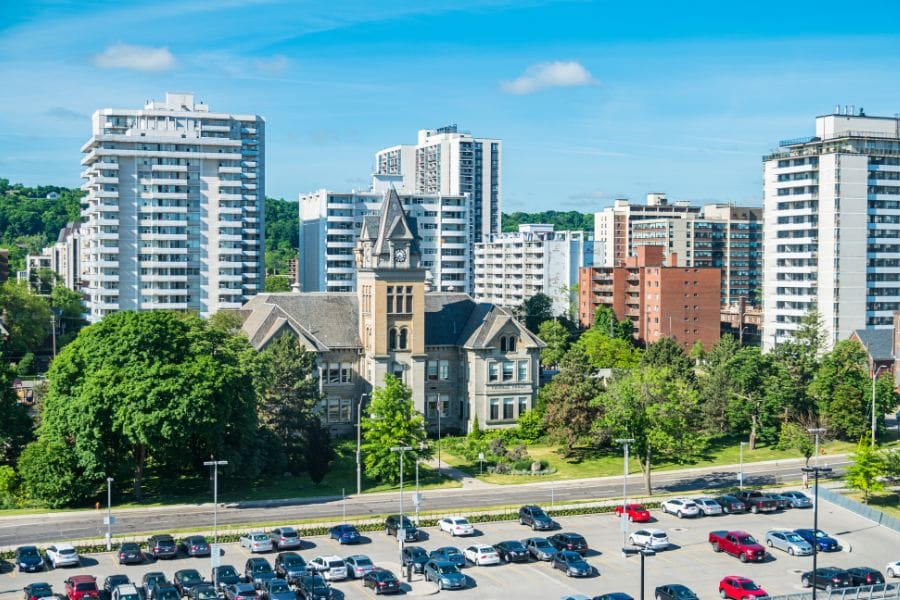
Public School Boards: Education is free, and residents choose between the Hamilton-Wentworth District School Board (HWDSB) and the Hamilton-Wentworth Catholic District School Board (HWCDSB).
Specialized Programs: French Immersion is widely available. High school students can access International Baccalaureate (IB) and Advanced Placement (AP) streams at select locations.
Early Childhood: In 2026, Hamilton continues to expand $10-a-day licensed childcare spaces under the Canada-Wide Early Learning and Child Care
program to support working families.
💡 Newcomer Tip: If your child is entering the Canadian system for the first time, you must register through the Welcome Centre (Assessment Centre). The centre will assess your child’s language proficiency to ensure they receive the appropriate support from day one. Read more in our guide, Read more in our guide, Schooling in Canada | A Look at the Education System.
Post-Secondary Schools
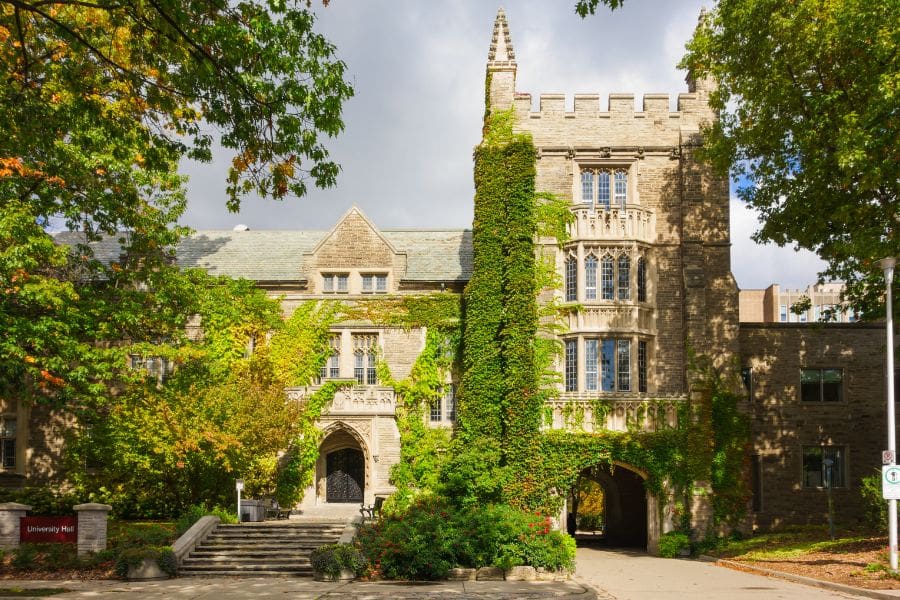
- McMaster University: A global Top 100 university known for its world-class Medical School and Engineering.
- Mohawk College: The primary hub for nursing, tech, and skilled trades; essential for the local job market.
Pros and Cons of Living in Hamilton

This table highlights the benefits and challenges of choosing Hamilton in 2026, balancing GTHA connectivity and a lower cost of living with the intensifying urban construction and seasonal humidity.
| Feature | Pros (The Benefits) | Cons (The Challenges) |
| Lifestyle | Cultural Renaissance: A world-class culinary scene and a “festival for every week” (Supercrawl, Festival of Friends). | Urban Growing Pains: Rapid growth has led to visible challenges with housing affordability and social services downtown. |
| Housing | The GTHA Relief Valve: While prices are rising, Hamilton remains roughly 25% more affordable than Toronto. | The Pricing Plateau: Inventory is high, but higher mortgage rates mean buyers need a strong financial “cushion.” |
| Nature | The Waterfall Capital: Access to 100+ waterfalls and the Bruce Trail within a 15-minute drive from downtown. | Humid Continental Climate: Summers are increasingly hot and humid (expect 30°C+), while the Mountain gets heavy lake-effect snow. |
| Economy | Healthcare & Tech Hub: Stable job growth in the “Eds and Meds” sectors and a booming creative industry. | Industrial Transition: The shift to “Green Steel” is positive but has caused some short-term labor market volatility. |
| Transit | GO Expansion: New 15-minute two-way service makes commuting to Toronto faster and more reliable. | The “Hammer” Construction: LRT utility work and two-way street conversions mean significant road delays in the lower city. |
| Community | Authentic Grit: Consistently ranked as one of the friendliest, most “unpretentious” cities in Ontario. | Rapid Gentrification: Some long-term residents are concerned about the rising cost of living in historically affordable areas. |
Culture and Day-to-Day Life in Hamilton, ON
Arts, Culture & Entertainment: The Soul of the City
In 2026, Hamilton is no longer just “near Toronto”; it’s a destination in its own right. With the massive $300 million renovation of the TD Coliseum complete, the city is attracting A-list global tours and major national events.
Museums & History: Immerse yourself in the Art Gallery of Hamilton (AGH), the oldest and largest public art museum. For history buffs, Dundurn Castle offers a glimpse into 19th-century life; the Canadian Warplane Heritage Museum (home to one of only two airworthy Lancasters in the world) offers a thrilling look at aviation history.
Cultural Celebrations: Hamilton’s flagship event is Supercrawl, a massive arts and music street festival that takes over James Street North every September. Other “must-sees” include FrancoFEST (the city’s largest celebration of Francophone culture in June) and the Festival of Friends, one of Canada’s oldest and largest free outdoor music festivals.
Professional Sports: Feel the “Oskee Wee Wee” spirit as you cheer on the Hamilton Tiger-Cats (CFL) at the modern Tim Hortons Field. Soccer fans pack the same stadium for Forge FC (CPL) matches, while the Hamilton Honey Badgers (CEBL) provide high-energy professional basketball.
Outdoor Activities in Hamilton

Hamilton offers a “Cliffside” outdoor lifestyle. With the Niagara Escarpment cutting through the city, nature is always just a few minutes away when you live in Hamilton.
The Waterfront & Bayfront Park: This is Hamilton’s “Front Porch.” In the summer, it’s a hub for the Waterfront Trolley, roller skating at the outdoor rink, and harbour cruises. In the winter, the shoreline trails offer beautiful, crisp walks with views across the harbour to the Burlington skyway.
The Waterfall Capital of the World: Hamilton is home to over 100 waterfalls. Webster’s Falls and Tews Falls offer stunning views and access to the world-famous Bruce Trail, Canada’s oldest and longest marked hiking path.
Royal Botanical Gardens (RBG): As Canada’s largest botanical garden, the RBG features over 2,400 acres of nature sanctuaries and 27 kilometers of walking trails. In winter, its indoor Mediterranean and tropical collections provide a warm escape from the Southern Ontario cold.
Newcomer Community & Cultural Events
Hamilton’s identity is built on its welcoming “Ambitious City” spirit, celebrated through diverse community programming.
Multicultural Festivals: Look for the Hamilton World Music Festival at Gage Park, and It’s Your Festival, which celebrates the city’s multi-ethnic roots every Canada Day weekend. The Hamilton International Village also hosts various street festivals celebrating the local businesses and cuisines of the city’s diverse residents.
Indigenous Connection: Newcomers can visit the Hamilton Regional Indian Centre (HRIC) and participate in the annual Hamilton Pow Wow to learn about the Haudenosaunee and Anishinaabe histories of the “Dish With One Spoon” territory.
Newcomer Day: Every April, the city hosts Hamilton Newcomer Day at City Hall, a massive event featuring a citizenship ceremony, a community services fair, and cultural performances to officially welcome those who have recently chosen to call “The Hammer” home.
Final Thoughts: Is Living in Hamilton Right for You?
Choosing to live in Hamilton, Ontario, in 2026 means choosing a city that is finally finding its balance. It is no longer just “Toronto’s gritty cousin”; it is a distinct, high-growth hub that offers a path to homeownership that bigger cities cannot match. If you can handle the current construction dust, the reward is a front-row seat to Ontario’s most ambitious urban renewal project.
🏠 Ready to start your housing search? Browse vetted Hamilton rentals on Rentals for Newcomers today!
Common Questions About Living in Hamilton
In 2026, it depends. If you live in Corktown or Westdale, you can thrive with a bike and an HSR (bus) pass. However, for those living on “The Mountain” or commuting to nearby Burlington/Oakville, a car is essential.
It’s going green. ArcelorMittal Dofasco has transitioned away from coal to Electric Arc Furnaces, significantly reducing the visible “black smoke” Hamilton was once known for.
Use the Health Care Connect registry. Hamilton has a higher-than-average ratio of doctors due to the McMaster Medical School, making wait times slightly shorter than in rural Ontario.
Yes, Hamilton is a good place to live in Ontario. It has a diverse population, a growing culinary culture, access to affordable housing, and world-class health care. The economy is growing, providing good jobs in Hamilton for newcomers.
Hamilton can be more expensive than other cities in Canada. However, it is more affordable than Toronto and other larger cities within proximity in Ontario.
Planning your move to Canada? You’ll need to set aside a bit more for your application this year. Every two years, Immigration, Refugees and Citizenship Canada (IRCC) adjusts its prices to keep up with rising costs and inflation. As of April 30, 2026, the new Canada permanent residency fees are in effect for all economic, family, and humanitarian streams.
If you are a single applicant, the total Canada permanent residency fees for Express Entry have risen to $1,590. This total includes your mandatory processing fee and the Right of Permanent Residence Fee 2026, which is now $600.
While the IRCC fee increase in April 2026 applies to most programs, your total cost will depend on which pathway you choose. If you aren’t sure which program fits you yet, check out our guide on the PR Process in Canada and common ways to immigrate to find your best match.
How Much Are Canada Permanent Residency Fees in 2026?
As of April 30, 2026, the total cost for one adult applying through Express Entry or a Provincial Nominee Program (PNP) is $1,590. This covers your $990 processing fee and the $600 “Right of Permanent Residence Fee.”
2026 Permanent Residency Fee Updates

The fees for most permanent resident applications are increasing by approximately 12% (or adjusted by specific dollar amounts) starting April 30, 2026
Economic Immigration (Express Entry, PNP, etc.)
The most popular route for skilled workers is the Express Entry system. If you’re starting your journey, you can learn more about how the points system and draws work in our deep dive: What is Express Entry Canada?
| Who is Applying | Processing Fee | Residence Fee (RPRF) | Total 2026 Cost |
|---|---|---|---|
| You (Main Applicant) | $990 | +$600 | $1,590 |
| Your Spouse/Partner | $990 | +$600 | $1,590 |
| Dependent Child | $270 | $0 | $270 |
| Business/Start-up Visa | $1,895 | +$600 | $2,495 |
💡Quick Tip: The Right of Permanent Residence Fee (RPRF) is now $600 (up from $575). You can pay this upfront to speed things up. If your application isn’t approved, don’t worry, you get the $600 back!
Other Key Immigration Fees
| Category | 2024 Fee | New 2026 Fee |
| Citizenship Adult (18+) | $630 | *$653 ($530 fee + $123 Right of Citizenship or R.o.C. fee) |
| Citizenship Minor (<18) | $100 | $100 (No change) |
| PR Card | $50 | $50 (Still no change) |
| PR Travel Document | $50 | $50 (Still no change) |
| Biometrics (Per Person) | $85 | $85 (No change) |
| Biometrics (Family of 2+) | $170 | $170 (No change) |
*Unlike PR fees, which increase every two years, the Right of Citizenship fee (for adults) increases annually for inflation. As of March 31, 2026, it rose from $119.75 to $123. The good news is that some of the smaller “paperwork” fees aren’t changing at all this year.
📍Important: The “Two-Stage” Fee Rule. Most applicants forget that PNP application processing fees often include two stages. When calculating your Canada permanent residency fees, don’t forget the provincial stage. The fees above are the federal stage. Your specific province will charge a separate fee. In 2026, these range from $250 (Nova Scotia) to as much as $1,750 (British Columbia) or $2,000 (Ontario) depending on the stream.
The Bottom Line

While the increase in Canada PR fees isn’t the most exciting news, Canada is still much more affordable than places like Australia or the UK.
Government fees are only one part of your relocation budget. From flight costs to ‘Proof of Funds’ requirements, it’s important to see the full financial picture. See our complete breakdown: How Much Money Will I Need to Move to Canada?
Just make sure you check the official IRCC website before you pay. It’s always better to double-check your math now than to have your application sent back later!
Common Questions About the 2026 Canada PR Fees Increase
If you hit “submit” before April 30, 2026, you’re in the clear! But if you wait until April 30 or later, you’ll have to pay the new 2026 price. If you already have a receipt for the old amount, you’ll need to pay the difference (the “top-up”) on the IRCC website.
The $600 RPRF is refundable if your application is refused. However, the $990 processing fee is non-refundable once IRCC begins reviewing your file.
The $990 fee listed above is what you pay the federal government. Just remember that most provinces (like Ontario or B.C.) have their own separate fee you have to pay first to get nominated.
The Right of Citizenship fee rose on March 31, 2026, to $123. This brings the total cost for an adult citizenship application to $653.
If you paid the 2024 rates, you can go to the official IRCC website to pay the difference. Keep both receipts to show you’ve paid the full 2026 amount.
Volunteering is one of the fastest ways for newcomers to gain Canadian experience, build a professional network, and access the “hidden job market.” By contributing to local causes, newcomers can demonstrate their international skills, build local connections, and enhance their language skills as they integrate into Canada.
Why Do People Volunteer in Canada?
Volunteering is a vital part of Canadian culture. Every day, Canadians donate their time, energy, and money to help causes they feel strongly about.
Benefits of Volunteering for Organizations
Many not-for-profit and charitable organizations have limited budgets and highly value and rely on volunteers to achieve their goals. Newcomers discover it’s an enjoyable way to contribute to Canada, meet like-minded people, and get to know fellow Canadians.
6 Strategic Benefits of Volunteering for Your Canadian Career
1. Access the Hidden Job Market

The biggest career benefit of volunteering is the people you meet. In Canada, many people find jobs in the “hidden job market”; jobs that are filled through word-of-mouth before they are even advertised. Volunteering lets you work alongside professionals in a relaxed setting, making it easier to build the trust and connections you need to get a job recommendation.
2. Demonstrate Existing Skills and Develop Transferable Skills
Volunteering is a great way to show that the skills you learned in your home country work well in Canada, too. Whether you are helping a charity manage its money or helping plan a local event, you are gaining real-world experience. You can add these skills to your resume to give employers proof of what you can do.
3. Bridge the Gap to the Canadian Workplace
While provinces like Ontario have taken steps to ban mandatory “Canadian experience” requirements, employers still value local familiarity. Listing volunteer work on your Canadian-style resume fills employment gaps and shows you understand the local workplace culture.

4. Gain Professional References
A common hurdle for newcomers is the lack of local references. By treating your volunteer role with the same dedication as a paid job, you can secure a Canadian reference letter that vouches for your skills, reliability, and character.
💡 Did you know? Skills gained during environmental cleanups, like project coordination and teamwork, are highly transferable. Check out our latest Earth Day action tips for newcomers to see how to turn a single day of service into a resume win.
A reference check is a vital part of the recruitment process. A reference letter from the volunteer organization can vouch for your skills, knowledge, and character, which can help you land a job offer. As such, treat your role like a regular job. Deliver what you promise and show your strengths and abilities.
5. Enhance Your Communication Skills
One of the most practical benefits of volunteer work is the chance to practice the communication skills and workplace etiquette you’ll need when you land a full-time role. For a deep dive on how to navigate those first few months on the job, check out our guide on succeeding in your first 90 days in the Canadian workforce.
6. Mental Health & Community Integration

Relocating is stressful. Volunteering provides a sense of belonging and purpose. It helps combat the isolation many newcomers feel, offering a support system of like-minded individuals and a faster route to feeling “at home” in Canada.
Volunteering helps you meet others, make new friends, and adapt to Canadian culture. Some families volunteer to observe religious traditions, as Muslims do during Eid al-Fitr.
Where to Volunteer in Canada
There are many ways to get involved in the community. But you may be unsure where to start.
Think about organizations and causes that matter to you, such as human rights, refugee welfare, animal welfare, healthcare, etc. Like people, every organization has values. Find one that matches your core values, and you’ll perform at your best.
Consider the skills and experiences you want to share or develop. For example, do you have an exceptional and sought-after skill set? Or, are you a master of budgeting or a first-class event planner?
How to Benefit from Your Volunteer Opportunity

While volunteering helps people and communities, consider the benefits that are important to you. For example, do you want to gain specific skills or experiences? Do you want to gain insights into the workplace culture or a snapshot of your community? Professional associations are ideal for learning about workplace culture.
Volunteering with nonprofits and neighbourhood centers will give you a better sense of your community and current needs.
Strategic Volunteer Opportunities for Job Seekers
Start your search at Volunteer Canada, or browse CharityVillage for professional-level roles in the non-profit sector.
Applying for volunteer work is like applying for a job. You will likely have to submit a resume. Depending on your area of interest, you may have to provide references. When working with vulnerable persons, you must undergo a background and police checks.
💡Newcomer Tip: If you are still in the pre-arrival stage, look for virtual volunteering opportunities with Canadian non-profits. This lets you build a Canadian network before you even land!
| VOLUNTEER OPPORTUNITY | ACTIVITIES |
|---|---|
| Leadership | Chair a fundraising activity Lead a strategic planning session |
| Technology | Design a website for a not-for-profit Teach computer skills in a community center |
| Management & Administration | Review a policy document Organize a volunteer schedule for an event |
| Nature & Environmnet | Plant trees on Earth Day in Canada Walk dogs for a local animal shelter |
While the table above highlights types of opportunities, combining these with other strategies can accelerate your career. Read our full guide on 3 ways to get Canadian work experience.
Final Thoughts: Why Volunteering Benefits Your Canadian Career
It’s the fastest way to turn your international experience into a Canadian success story. As you can see, the benefits of volunteering go far beyond just helping others; they are a direct investment in your future
FAQs
Yes. Most Canadian employers and recruiters view volunteer experience as valid work experience, provided the skills used are relevant to the job you are applying for.
List it under a “Volunteer Experience” section. Or, if the skills are highly relevant to the role, include the volunteer role in your “Professional Experience” section and clearly label it as a volunteer position.
Absolutely. It expands your network and provides you with local references, which are often the final “green light” an employer needs to make a hiring decision.
Winnipeg, Manitoba, Canada, is the primary economic engine of the Canadian Prairies. Known as the “Gateway to the West,” it offers a unique blend of big-city amenities and a much lower cost of living compared to Toronto or Vancouver. If you are researching whether Winnipeg, Manitoba, Canada, is the right city for your move, this 2026 guide covers vital information about housing, jobs, and lifestyle.
Before moving, it’s vital to research:
- Job opportunities in your field: Ensure your skills match the Winnipeg labour market.
- Housing costs: Winnipeg is one of Canada’s most affordable cities for newcomers.
- Cost of living: Budget for groceries, utilities, and transportation.
- Culture and daily life: Adapt faster and enjoy your new community.
Doing this research will help you make informed decisions and start your life in Canada on the right foot.
Winnipeg Quick Facts: 2026 Snapshot
| Metric | 2026 Data | Comparison Note |
|---|---|---|
| City Population | ~855,000 | 6th largest city in Canada |
| *Avg. 1-Bedroom Rent | $1,378 | Lower than Halifax or Calgary |
| Benchmark Home Price | $432,000 | High potential for home ownership |
| Top Industry | Advanced manufacturing | Highly diversified economy |
| Climate | Sunny & cold | Known as “Winterpeg” but 300+ days of sun |
*While this is an average, the market moves fast. You can view live Winnipeg rental listings right now at Rentals for Newcomers.
About Winnipeg, Manitoba

Winnipeg is the capital of Manitoba and serves as a major transportation hub for the prairie economy. The city has seen record growth through the Manitoba Provincial Nominee Program (MPNP), making it a national leader in cross-cultural settlement.
Located at the junction of the Red and Assiniboine Rivers (known as “The Forks”), Winnipeg, Manitoba, Canada, has a rich history as an Indigenous trading post and later a boomtown of the early 20th century. Today, it is a center for arts, human rights, and technology.
Jobs in Winnipeg
What are the top industries for jobs in Winnipeg?
Key Sectors: Health Care and Social Assistance, Retail Trade, Manufacturing, Transportation and Warehousing
Top 5 Occupations
- 1. Sales & Service
- 2. Trades, Transport and Operators
- 3. Business Finance Administration
- 4. Social Science, Education, Government
- 5. Health
- Major Employers: Canada Life, NFI Group, and SkipTheDishes.
The economy in Winnipeg, Manitoba, Canada, is one of the most diversified in North America, shielding it from the volatility of the oil or tech sectors.
Tips for Newcomers Seeking Work in Winnipeg
- Search job boards: Manitoba Start or Canada Job Bank
- Connect with free pre- and post-arrival settlement agencies
- Network via professional associations and newcomer settlement agencies
Newcomer Support: Organizations like Manitoba Start provide credential recognition services to help international professionals enter the workforce quickly. Learn more: Credential Recognition Canada 2026: Guide for Newcomers & Professionals.
💡 Tip: Read more about how to research your profession in our guide, Canada Job Bank: Your Vital Research Tool.
The Winnipeg Housing Market (2026 Update)
Is housing expensive in Winnipeg, Manitoba, Canada?
No. In fact, Winnipeg is currently one of the most stable and tenant-friendly markets in Canada. As of April 2026, the average rent for a 1-bedroom unit in Winnipeg is $1,378, which is roughly $650 per month cheaper than a similar unit in Toronto or Vancouver. This “affordability gap” is a primary reason why newcomers are choosing the Prairies to build a strong financial foundation.
Winnipeg Rent by Neighbourhood (April 2026)
Renting is often the first step for newcomers. You’ll discover a range of neighbourhoods and housing types to suit different lifestyles and budgets.
While the city-wide average for a 1-bedroom unit is $1,378, looking in established residential areas can offer large monthly savings.
| Neighbourhood | Avg. 1-Bedroom Rent | Vibe for Newcomers |
|---|---|---|
| Elmwood | $1,045 | Most Affordable: Best for those on a strict budget; very close to downtown. |
| West Kildonan (View West Kildonan Listings) | $1,175 | High value: Stable residential area with large parks and older, spacious units |
| Downtown (View Downtown Listings) | $1,252 | Best value, walkable to major employers and transit hubs |
| South Winnipeg | $1,327 | Family-focused, near the University of Manitoba and newer schools |
| West Winnipeg | $1,377 | Most expensive, “luxury” builds and major shopping hubs |
| St. Boniface | $1,321 | Historic French quarter, vibrant culture and cafes |
🏠 Start Your Search with Confidence
Because the Winnipeg market moves quickly, we recommend using the Rentals for Newcomers search tool to find apartments specifically vetted for new arrivals. Find up-to-date listings and prices!
When applying for rentals, most landlords check credit scores, so it helps to build credit in Canada early.
Tips for Renting in Winnipeg
- Target “Renter’s Market” Perks: In early 2026, Winnipeg’s vacancy rate stabilized at 2.8%. This means some landlords are offering “signing bonuses” like $500 grocery gift cards or free high-speed Wi-Fi. Ask if any incentives are available!
- Set a realistic budget including rent, groceries, transportation, and utilities
- Budget for renter’s insurance (which landlords often require).
- Book a short-term rental before you arrive in Canada, and search for a permanent or long-term rental upon arrival.
💡TIP: You’ll need tenant insurance to protect your belongings and most property owners will require it. Read more about why newcomers need tenant insurance.
Buying a Home in Winnipeg

Winnipeg remains one of the last major Canadian cities where homeownership is truly attainable for middle-income newcomers. It offers a significant “affordability gap” compared to the national average.
Here is how Winnipeg benchmarks as of April 2026.
- Benchmark Home Price: The average home across the Winnipeg Metropolitan Region is about $415,600.
- Detached Homes: Expect to pay an average of $432,000 for a single-family detached house.
Tips for newcomers buying a home:
- Connect with licensed real estate agents to help you understand how to find, finance, and close on a home.
- Get pre-approved for a mortgage to strengthen your offer.
- Consider living in Transcona, Elmwood, or North Kildonan for more affordable housing options.
Check out more tips for first-time home buyers.
Banking & Personal Finances in Winnipeg, MB
Managing your personal finances is a vital part of living in Winnipeg, MB, Canada. Most major banks offer newcomer programs that help you open an account before you arrive, get a credit card, and start building your credit history.
By visiting a local bank branch, you can also learn about financial products such as lines of credit, savings accounts, and mortgages. You can even meet with a personal banking advisor who can help you budget for life in Winnipeg and plan for long-term goals like buying a home.
Community Support for Newcomers in Winnipeg, MB, Canada
Winnipeg uses a “centralized intake” model to ensure you don’t miss out on vital programs.
Key Settlement Services in Winnipeg
Key Settlement Services in Winnipeg
| Organization | Best For | Signature Programs & Perks |
| Manitoba Start | First Arrivals & Career | Entry Program: Mandatory 4-week orientation on life in MB. Employment Match: Connects your skills to local employers. |
| Immigrant Centre MB | Documentation & Citizenship | Access English: Language training. Verification Services: Help with official document translations. |
| New Journey Housing | Housing & Renting | Rental Workshops: Learn your rights as a tenant in MB. Housing Search: Dedicated help finding your first apartment. |
| Winnipeg Public Library | Language & Community | Check It Out!: Free programs for kids and literacy support. IdeaLEVERAGE: Free business resources and workspace. |
| SEED Winnipeg | Financial Empowerment | Asset Building: Matching programs to help you save for a home or business. Tax Clinics: Free help with Canadian tax filing. |
Ready to Start Your New Life in Winnipeg?
Moving to a new country involves many moving parts. To make sure you don’t miss a step, from getting your Social Insurance Number (SIN) to enrolling your children in school, we’ve created a comprehensive guide just for you.
Driving & Transit in Winnipeg, Manitoba, Canada

Driving in Winnipeg
- The Perimeter Highway: This is Winnipeg’s beltway (Hwy 101/102), circling the city to allow for fast travel between suburbs like Transcona and Charleswood.
- Winter Driving: Winnipeg residents must install winter tires by late October. Winnipeg’s flat topography makes for icy conditions, and most residential streets use a “Plow Priority” system during heavy snowfalls. Read more in our guide, Winter Driving in Canada: 7 Essential Tips for Newcomers
- Licensing: Newcomers must visit a Manitoba Public Insurance (MPI) service centre to exchange their out-of-province or international license for a Manitoba Class 5 license.
Public Transit
Winnipeg Transit manages the city’s public transit. While the city does not have a subway or light rail, it has invested heavily in Bus Rapid Transit (BRT).
- The BLUE Line: This is Winnipeg’s flagship rapid transit line, connecting Downtown to the University of Manitoba and the southwestern suburbs. It uses dedicated “transit-only” corridors to bypass vehicle traffic.
- Peggo Card: This is the local “smart card” used to pay fares. You can load it with “e-cash” or monthly passes at 7-Eleven or Shoppers Drug Mart locations throughout the city.
- Real-Time Tracking: Most locals use the Winnipeg Transit app or the “Telebus” system to track bus arrivals and reduce the time standing outside in -30°C weather.
Air and Rail Travel
- Winnipeg James Armstrong Richardson International Airport (YWG): Located just 15 minutes from downtown, YWG is a major cargo and passenger hub, offering direct flights across North America and seasonal routes to Europe.
- VIA Rail: Winnipeg’s historic Union Station on Main Street connects the city to the national rail network, including “The Canadian” route to Vancouver and Toronto.
Healthcare & Medical Services
Provincial Health Insurance
Manitoba Health provides the provincial health insurance plan. The plan covers the cost of medically necessary services, including visits to family doctors and specialists, as well as most hospital care and surgical procedures.
- Eligibility: To qualify for a Manitoba Health card, you must be a Canadian citizen or have permanent resident status, make Manitoba your primary home, and be physically present in the province for at least 183 days in a calendar year.
- No Waiting Period (Newcomers from Outside Canada): Unlike many other provinces, eligible newcomers arriving in Winnipeg, Manitoba, Canada, from outside the country are generally covered from the first day they establish residence. Apply for your health card immediately upon arrival.
- Moving from Another Province: If you are moving to Winnipeg from within Canada, there is a three-month waiting period (the first day of the third month) before your Manitoba Health coverage begins. You must maintain your previous provincial coverage during this transition.
- Work and Study Permit Holders: Many work permit holders (with a permit valid for at least 12 months) are eligible for Manitoba Health coverage. International students are typically covered by the Manitoba International Student Health Plan (MISHP) via their school; check with your school to confirm details. Visit the Manitoba Health office on Carlton Street in downtown Winnipeg or contact them directly to confirm your status.
How to Find a Family Doctor in Winnipeg
Once you have your Manitoba Health card, your next priority is to find a primary care provider. In Winnipeg, Manitoba, Canada, the provincial government manages a central registry to connect residents with available physicians.
- Family Doctor Finder: The easiest way to find a doctor is through the Family Doctor Finder program. The program will match you with a clinic that is accepting new patients in your neighbourhood.
- Walk-in & QuickCare Clinics: For non-urgent medical attention, Winnipeg has many walk-in clinics.
- Health Links – Info Santé: This is a 24/7 bilingual phone nursing triage service. By calling 204-788-8200, you can speak with a registered nurse who can provide medical advice and direct you to the appropriate level of care (e.g., walk-in vs. emergency room).
- Urgent Care vs. Emergency: Locals know to use Urgent Care (located at the Victoria, Seven Oaks, and Concordia hospitals) for non-life-threatening issues that still require immediate attention. This saves the Emergency Rooms (Health Sciences Centre and St. Boniface) for critical emergencies.
Major Hospitals in Winnipeg
- Health Sciences Centre (HSC): HSC is the province’s largest hospital and serves as the major adult trauma centre for both Manitoba and Northwestern Ontario. It is the primary teaching hospital for the University of Manitoba and home to specialized programs in neurosurgery, burns, and transplant medicine.
- The Children’s Hospital of Winnipeg: Located on the HSC campus, it specializes in comprehensive care for children, youth, and their families, providing everything from emergency pediatrics to long-term specialty clinics.
- St. Boniface Hospital: Known as Winnipeg’s second-largest facility, it is a global leader in cardiac care and research. It is also a bilingual facility (English and French), serving the historic St. Boniface community and beyond.
Schools & Learning: A Guide for Families & Students
Winnipeg offers a stellar education system from elementary to top-tier post-secondary institutions. Read more in our guide, Schooling in Canada | A Look at the Education System.
Elementary & High School
- Public School System: Six distinct school divisions (Winnipeg, Pembina Trails, Seven Oaks, Louis Riel, St. James-Assiniboia, and River East Transcona) provide free education based on your residential address.
- Specialized Programs: French Immersion options are available across all divisions, and International Baccalaureate (IB) and Advanced Placement (AP) programs are offered in many high schools.
- Private & Independent Options: Schools like St. John’s-Ravenscourt (SJR) and Balmoral Hall offer alternative curricula and elite university preparation.
- Early Childhood: Manitoba has many licensed childcare centres and a province-led initiative to increase $10-a-day daycare spaces for families.
Post-Secondary Schools
- University of Manitoba (U of M): The province’s largest research university, world-renowned for Agricultural Sciences, Engineering, and Infectious Diseases.
- University of Winnipeg (U of W): Famous for its downtown campus, small class sizes, and strong focus on Indigenous Studies, Human Rights, and Environmental Science.
- Red River College Polytech (RRC): Manitoba’s largest institute for applied learning, offering 200+ programs focused on skilled trades, nursing, and business technology.
Pros and Cons of Living in Winnipeg
This table shows the trade-offs of moving to the “Gateway to the West.” It balances the high quality of life and affordability with the reality of prairie winters.
| Feature | Pros (The Benefits) | Cons (The Challenges) |
| Lifestyle | Friendly Vibe: Consistently ranked as one of the friendliest cities with a deep sense of community. | Isolation: Winnipeg is far from other major hubs (the nearest large city is Regina, 6 hours away). |
| Housing | Unmatched Value: Homeownership is a reality here; prices are roughly 44% below the national average. | Older Stock: Some affordable central neighbourhoods require investment in older “character” homes. |
| Nature | Prairie Beauty: Stunning “living skies,” 1,000+ lakes within a 2-hour drive, and endless cross-country trails. | Extreme Winter: Frequent temperatures below -30°C and significant snow accumulation. |
| Economy | Stable Sectors: Manufacturing, Agribusiness, and a booming IT sector drive steady job growth. | Lower Wages: While rising, some salaries may be lower than in Ontario, but living costs are lower. |
| Commute | Driving: A well-laid-out city where most commutes are under 25 minutes. | Construction: Summer is often nicknamed “Construction Season,” leading to significant road delays. |
| Taxes/Costs | Low Entry Cost: Buying a home is much cheaper than in Vancouver or Toronto. | Provincial Tax: Manitoba has slightly higher income tax brackets than some western provinces (like AB). |
| Culture | Arts Powerhouse: Home to the Royal Winnipeg Ballet and the world-class Festival du Voyageur. | Professional Sports: While home to the NHL’s Jets, the market is smaller for some “big ticket” touring acts. |
Day-to-Day Life & Culture in Winnipeg, MB, Canada

Arts, Culture & Entertainment
Winnipeg’s cultural scene is a mix of Indigenous heritage, elite performing arts, and a “festival for every week”.
- Museums & History: Explore the world’s first centre for contemporary Inuit art at Qaumajuq, or take a deep dive into prairie history and natural science at the Manitoba Museum. Don’t miss the striking architecture and global human rights narratives at the Canadian Museum for Human Rights.
- Cultural Celebrations: Winnipeg hosts North America’s longest-running multicultural event, Folklorama, every August. Other “must-sees” include the Festival du Voyageur (celebrating French-Canadian/Métis roots in February) and the Manito Ahbee Festival, a massive celebration of Indigenous arts and music.
- Professional Sports: Join the “Whiteout” as you cheer for the Winnipeg Jets (NHL) at the Canada Life Centre, or catch the Winnipeg Blue Bombers (CFL) at Princess Auto Stadium. For soccer fans, Valour FC matches provide a vibrant, community-focused atmosphere.
Outdoor Activities in Winnipeg
Winnipeg offers a “Big Sky” outdoor lifestyle. Whether it’s a humid summer evening or a crisp winter morning, nature is integrated into the city’s design.
Assiniboine Park & The Leaf: Home to over 1,100 acres of green space, including a world-class zoo and The Leaf, a stunning indoor botanical attraction that allows you to experience tropical climates even in the middle of a Manitoba winter.
The Forks National Historic Site: Located at the meeting of the Red and Assiniboine Rivers, this is Winnipeg’s “Front Yard.” In winter, it hosts the Nestaweya River Trail, one of the longest skating trails in the world. In summer, it’s a hub for boat tours, cycling, and riverside dining.
Newcomer Community & Cultural Events
Winnipeg’s growing population is celebrated through massive community gatherings and inclusive programming.
- Multicultural Festivals: Throughout the year, look for events such as Loveville 2026 (Manitoba’s largest multicultural family picnic), Chinatown Street Festival, and Islampura celebrations at various Islamic centres.
- Indigenous Connection: Newcomers can join the One Heart, Two Rivers, Four Directions walking tours at The Forks to learn about the deep Indigenous history of the land you now call home.
FAQs: Living in Winnipeg, Manitoba
While you can rely on Winnipeg Transit (especially the BLUE Line Rapid Transit), Winnipeg is a car-centric city. To navigate suburban “Value Pockets” like Transcona or South St. Vital, or to escape the winter wind chill, most residents find a car essential.
Local School Divisions manage enrollment. Your child will attend a “Catchment School” based on your residential address. To register, you need:
Child’s birth certificate and passport.
Proof of address (utility bill).
Immigration documents (Permanent Resident card, work permit, or study permit).
In Manitoba, almost all homes are heated by Natural Gas or Electricity, both of which are provided by Manitoba Hydro. Because Manitoba produces its own clean hydroelectricity, rates are among the lowest in Canada (roughly $0.10 per kWh in 2026, plus a basic monthly charge). However, because winters are severe, you should ask landlords for a “Budget Billing” history to see the average monthly cost during the coldest months.
The city offers affordable housing, a low cost of living, and diverse employment options. It also has a multicultural and diverse population. In addition to the city’s great culture, you have access to a strong healthcare system and world-class universities. Read more about why Winnipeg is one of the top cities for newcomers.
Final Thoughts: Is Winnipeg Right for You?

Choosing Winnipeg, Manitoba, Canada, in 2026 means trading the high-stress “affordability crisis” for a balanced, community-focused lifestyle where homeownership is a reality.
- The Draw: World-class arts, a “30-minute city” commute, and a housing market that sits 44% below the national average.
- The Reality: Severe winters and urban sprawl mean you must invest in quality winter gear and, likely, a reliable vehicle.
- The Verdict: If you want a career that allows you to actually enjoy your life and save for your children’s future, Winnipeg offers the strongest financial foundation in Canada. It’s a city that welcomes you with open arms!
🏠 Ready to start your housing search? Browse vetted Winnipeg rental on Rentals for Newcomers today!