
Welcome to your first Canada Day! For newcomers, July 1 is a perfect time to experience your first big Canadian celebration! The day marks the birth of the nation, and the meaning of Canada Day goes far beyond fireworks. It’s a vibrant time when people from all walks of life come together to reflect on their history, diversity, and shared values.
If you’re new to the country, joining the festivities is a fun and meaningful way to connect with your community and embrace life in Canada. Discover how to make the most of Canada Day 2026, navigate the festivals, and find the best free events in your city.
What is Canada Day and Why Does it Matter for Newcomers?
Canada Day is more than fireworks and flag-waving. It’s a celebration of what makes this country special: freedom, multiculturalism, and opportunity. For newcomers, this holiday can feel especially meaningful because it’s a chance to:
- Celebrate your new beginning
- Join local events and meet people in your community
- Learn about the country’s history and traditions
- Take pride in your contribution to Canada’s future.
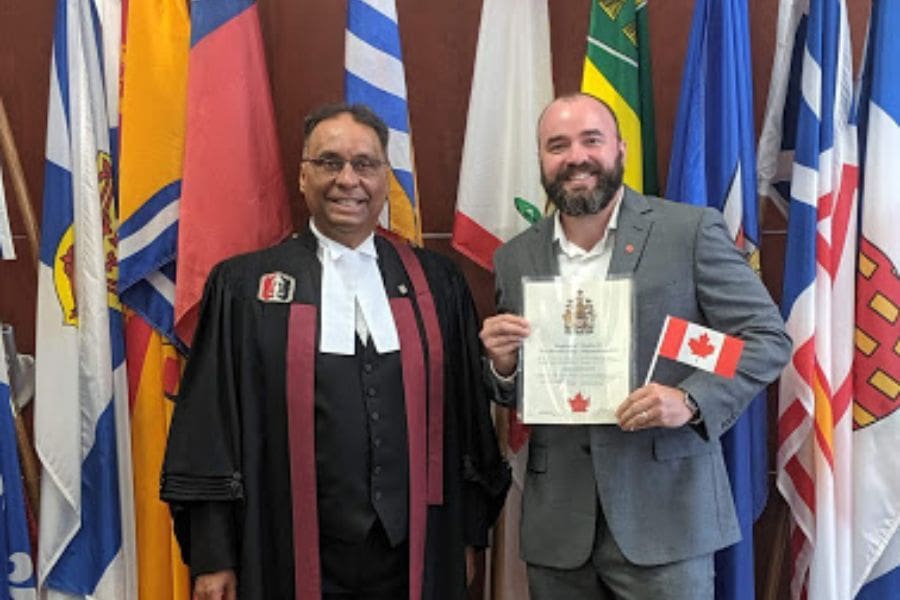
In fact, some newcomers even take their official Oath of Citizenship on Canada Day, making it an unforgettable milestone.
What is the Meaning of Canada Day for Newcomers?
In 2026, Canada is celebrating its 159th birthday. The country’s real-time population model estimates we are home to more than 41.5 million people, a milestone shaped by generations of international migration! Whether you have recently arrived as a student, worker, or permanent resident, come and join the celebration and take pride in your new home!
🌐A Diverse Nation: Nearly 1 in 4 people in Canada arrived here as an immigrant, making Canada Day a beautiful, multicultural mosaic of traditions rather than just a single historical reflection. (You can check out Statistics Canada’s real-time population model online to see how the country’s demographic landscape continues to shift by the minute.)
To get a quick overview of what to expect from the holiday this year, check out the fast facts below:
| Canada Day 2026 Fast Facts | What Newcomers Need to Know |
| Official Date | Wednesday, July 1, 2026 |
| Statutory Holiday Status | Yes. Paid day off for eligible employees across all provinces and territories. |
| What It Celebrates | The 159th anniversary of Confederation (1867), when Canada became a nation. |
| Retail & Services | Banks, government offices, and post offices are closed. Malls and grocery hours vary by province. |
| Core Traditions | Wearing red and white, attending local community festivals, daytime concerts, and evening fireworks. |
The History of Canada Day and Confederation
This holiday marks the anniversary of Confederation, when, back in 1867, the first four provinces (Ontario, Quebec, Nova Scotia, and New Brunswick) came together to form what we now call Canada. It was the beginning of the modern nation, though it took many more years (and provinces) to shape the country we know today.
🍁Fun Fact: Canada’s official historical name is still the Dominion of Canada, though we usually say “Canada”, it’s much easier!
A Young Country with a Rich Story
Compared to many nations, Canada is quite young. Before Confederation, this land consisted of Indigenous territories and British colonies. Over time, regions joined, with Newfoundland and Labrador becoming the 10th province in 1949, and Nunavut becoming a territory in 1999.
In 1982, the country took full control of its future! That’s when the Constitution was brought home from Britain, and July 1 officially became Canada Day, a true reason to celebrate!
🍁Settling into Your New Canadian Home?
Finding a rental apartment in Canada’s busy housing market can be competitive. Landlords look for reliable, responsible tenants who understand local rules (like building safety and bylaws).
We’ve got two free tools to help you land your perfect home today:
Step 1: Build Your Application Package 📋
- Download our free Rental Application Guide for Newcomers. Learn exactly what documents you need, how to handle a lack of Canadian credit history, and how to stand out to landlords. We’ve compiled a resource with proven, copy-and-paste sample rental inquiries to help you confidently sell yourself as the ideal tenant.

Step 2: Browse Newcomer-Friendly Listings 🔑
- Ready to see what’s out there? Skip the generic platforms and search verified, newcomer-friendly apartments directly on Rentals for Newcomers.
🔍 Quick Search by City:
Joining the Canada Day Celebrations for Newcomers in Ottawa
If you are celebrating Canada Day 2026 in Ottawa, the nation’s capital, the massive main stage and evening fireworks have shifted to LeBreton Flats Park due to construction on Parliament Hill. The 2026 lineup features incredible Canadian talent, including afternoon appearances by astronaut Jeremy Hansen and hip-hop artist TOBi, followed by an evening show headlined by Alessia Cara and the Barenaked Ladies. Meanwhile, Parliament Hill will still host traditional ceremonial events, including the Changing of the Guard and a thrilling flyover by the Canadian Forces Snowbirds. Or, check out other exciting events in Ottawa.
Major Canada Day 2026 Celebrations Across Canada
You can celebrate on July 1 with events across Canada! From Vancouver, British Columbia, to St. John’s, Newfoundland. (If you want to keep the party going all season long, don’t miss our complete guide to Discover Exciting Summer Festivals in Canada 2026!) Check out what some of Canada’s biggest cities have planned for July 1st, 2026:
| City | Main Event Location | Key Highlights & Headliners (2026) | Fireworks Time |
| Vancouver, BC | Canada Place Waterfront | The “Canada Together” festival features a morning citizenship ceremony welcoming 60 new Canadians, an Indigenous Marketplace, and a main stage performance by alt-rock stars The Strumbellas. | No fireworks over the harbour. |
| Calgary, AB | Prince’s Island Park & The Confluence | Catch an Indigenous Spotlight & Powwow at The Confluence. The main music stage moves to Prince’s Island Park featuring Walk off the Earth and Kardinal Offishall. | 11:00 PM (Launched from Stampede Park; best viewed from Max Bell Centre). |
| Edmonton, AB | Alberta Legislature Grounds | Features full-day family entertainment, a variety of local food trucks, multicultural musical acts, and free access to the legislature’s historic grounds. | 11:00 PM over the North Saskatchewan River Valley. |
| Toronto, ON | Downsview Park & Harbourfront Centre | Downsview Park hosts an afternoon festival with food trucks and kids’ games. The Harbourfront Centre features a vibrant waterfront evening packed with live music and dance. | 10:00 PM at Downsview Park and a pyromusical display at 10:45 PM at Harbourfront Centre. |
| Halifax, NS | Halifax Waterfront & Citadel Hill | Features free admission and cake at the Halifax Citadel Historic Site, the massive Sobeys Tattoo Canada Day Parade downtown, and the Desi Summer Music Fest on the waterfront. | 10:00 PM (Launched over the Halifax Harbour; best viewed from Foundation Wharf). |
Is Canada Day a Paid Statutory Holiday?

Yes! Canada Day is a national statutory holiday in all provinces and territories, so:
- Most employees get the day off work with holiday pay (equal to one day’s wages).
- Government offices, banks, and post offices are closed.
If July 1 falls on a weekend, the holiday usually shifts to the next working day. In 2026, the holiday falls on a Wednesday.
If you have to work on the holiday (e.g., in healthcare, hospitality, or essential services), you’re usually entitled to premium pay (typically 1.5x or 2x your regular wage, depending on your province).
If you’re a newcomer or new worker, you can look forward to a paid day off (in most cases). It’s a great time to experience Canadian culture, meet people, and enjoy parks, beaches, and festival venues!
Fireworks Safety & Rules: What Newcomers Need to Know
Anyone can enjoy the free, public fireworks shows that many cities host. However, lighting your own fireworks in your backyard comes with strict rules. If you plan to buy fireworks to celebrate, make sure you know your local laws to avoid expensive tickets and fines.
While exact fines and cutoff times vary slightly by municipality, these five universal rules apply to almost every major city in Canada:
- Private Property Only: You are legally only allowed to set off fireworks on private property that you own, or where you have the owner’s explicit written permission.
- The Public Space Ban: It is strictly illegal to light fireworks in public parks, on beaches, on sidewalks, or in school parking lots. Fines for doing so routinely range from $600 to $1,000 depending on your city.
- The Balcony Danger: If you live in an apartment or condo building, you cannot light fireworks or sparklers on your balcony. This is a severe fire hazard and violates your rental lease. Check the Clock: On Canada Day, most cities allow backyard fireworks until 11:00 PM (for example, Mississauga restricts them to 10:00 PM).
- Know Local Restrictions: Certain municipalities, like Brampton, have a total ban on the use, sale, and possession of personal fireworks. banned the sale and use of specific items. Always verify your specific municipality’s bylaws online before purchasing.
🐾 Newcomer Tip for Pet Owners: The loud booms of Canada Day fireworks can terrify cats and dogs. If you have a pet, keep them securely indoors during the evening, close your windows, and turn on a TV or radio to help mask the noise outside.
A Celebration of Diversity and Unity

Canada’s strength lies in its diversity, and people from all corners of the world now call it home! Canada Day is a celebration of that unity. Whether you’re here on a work permit, as a permanent resident, or as an international student, it’s a chance to feel part of something bigger.
Canada Day is a celebration of our shared identity, but that identity is built on the private traditions we practice at home. Whether it’s through Mother’s Day memories or heritage festivities, we bring our own unique languages and customs to the broad celebration of our new country.
So grab your flag, wear your red and white, enjoy the music and food, and have a happy Canada Day!
Common Questions About Canada Day 2026
Canadians celebrate Canada Day every year on July 1st. In 2026, the holiday lands on a Wednesday, giving you a perfect mid-week break from work.
Yes! Almost all official municipal Canada Day events, concerts, and fireworks displays are free to attend.
A newcomer can wear red and white to a Canada Day event, as these are the official colours of the Canadian flag! While there is no dress code, you will see people wearing maple leaf T-shirts, hats, or even waving small flags (often given out for free at local municipal festivals).
Canada Day is a national statutory holiday. All banks, post offices, and government buildings are closed across the country. Most major supermarket chains (like Loblaws, Metro, and NoFrills) vary by province and local municipal rules. Check your local store hours before you head out.
Some major cities (like Mississauga and Waterloo) have introduced strict new bylaws banning certain types of consumer fireworks entirely or heavily capping the hours you can light them. Check your local municipality’s official website before buying fireworks, as breaking these rules can result in immediate on-the-spot fines ranging from $500 to over $1,000.
Public transit is generally not free. Most major transit networks (such as the TTC in Toronto or TransLink in Vancouver) operate on a Sunday/Holiday schedule. Be sure to check your local transit app ahead of time, as routes near major fireworks venues will experience heavy delays and detours.
What You Need to Know
- Enjoy a stable housing Market: Calgary’s real estate market is balancing out. Home prices are levelling off, and rent prices are dropping, giving newcomers a predictable place to settle.
- Work in a growing economy: Calgary is still Canada’s energy capital, but it is also a booming hub for tech, farming technology, aviation, and digital media. This strong mix keeps the local job market steady.
- Live near the mountains: Calgary gets 333 days of sunshine a year, more than any other major Canadian city, and sits less than an hour’s drive from the Rocky Mountains.
- Keep more of your money: Alberta has low income taxes and no provincial sales tax (you only pay the federal 5% GST), helping your paycheck go further.
- Get plenty of local support: Dedicated community organizations offer free help to arriving families with finding jobs, learning English, and settling into school.
If you are planning your move and considering living in Calgary, Alberta? This complete 2026 newcomer guide covers everything you need to know about housing costs, high-paying jobs, and daily life.
Quick Facts About Living in Calgary: 2026
| Metric | 2026 Data | Comparison Note |
|---|---|---|
| City Population | ~1,840,000 (Metro Area) | Fast-growing, diverse city; 3rd largest in Canada |
| *Avg. 1-Bedroom Rent (Explore 1-bedroom rentals in Calgary) | $1,440/month | Stabilized and trending lower, providing relief from 2024 peaks. |
| Benchmark Home Price | $568,800 | Notably more accessible than Vancouver or Toronto. |
| Top Industries | Energy, Tech, Aerospace, Agribusiness, and Finance | The corporate head office capital of Western Canada. |
| Climate | Semi-arid, Humid Continental | Averaging the most annual sunshine hours in Canada, with winter Chinooks (passage of warm air over a mountain range) |
*While these are market averages, prices fluctuate. You can view live, Calgary neighbourhood-specific listings right now at Rentals for Newcomers.
About Calgary, Alberta
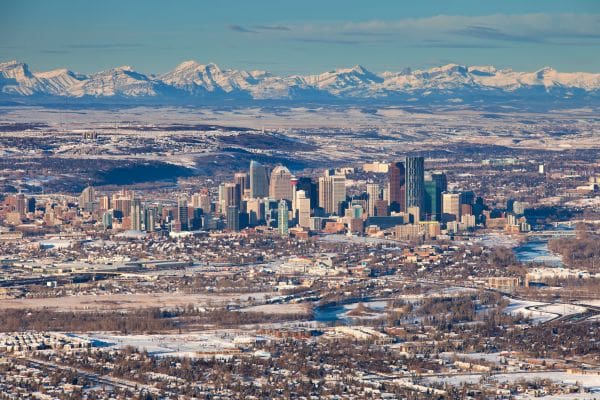
A Mountain-Gateway Metropolis Built on Innovation and Diversity
Calgary is a welcoming and successful city located in Alberta, right where the Bow and Elbow rivers meet. It sits just under an hour’s drive from the famous Rocky Mountains and Banff National Park, giving you easy access to beautiful, open spaces and fresh mountain air.
Calgary is also the third-most diverse city in Canada, with neighbours from more than 200 different cultural backgrounds. This means newcomers can easily find community groups, familiar food, and a warm welcome. Moving here means you get the benefits of a big business city while enjoying clean air, massive parks, and safe neighbourhoods for your family.
If you want to compare Alberta’s two biggest cities before making your choice, you can also read our complete guide to Living in Edmonton, Alberta, to see which city is the best fit for your goals.
What Are the Top Industries and Jobs for Newcomers Living in Calgary for 2026?

Calgary’s job market is rapidly diversifying beyond traditional oil and gas. In 2026, the top industries driving local employment are technology, aerospace manufacturing, logistics, green energy, and healthcare.
Many workers are moving here from expensive provinces like Ontario and British Columbia because Calgary offers a great balance: good wages combined with lower living costs. This means you get to keep more of the money you earn. In fact, Calgary ranks as a prominent “Rising Star” in our national overview of the best cities in Canada for immigrants due to this unique mix of economic growth and household value.
Top 5 Occupations in Demand
- Software & Tech Developers: Calgary’s tech scene is booming and worth billions. There are many new jobs here for people who build software, apps, and financial technology (fintech)
- Aerospace & Manufacturing: The aviation industry is growing fast in this region. Companies like De Havilland Canada are expanding their airplane manufacturing, creating a high demand for skilled technicians and builders.
Logistics & Supply Chain Specialists: Because of Calgary’s international airport and major railway networks, the city has become the main shipping and distribution hub for Western Canada. Companies constantly need people to manage warehouses, track shipments, and coordinate delivery routes.
Energy & Environmental Engineers: Calgary is famous for oil and gas, but local head offices are now hiring heavily for green energy roles. Engineers are in demand to work on clean power, hydrogen, and environmental technology.
Healthcare Professionals: Hospitals and clinics across the province are hiring. There is a huge demand for registered nurses, lab technicians, and medical support staff.
💡 Calgary Job Trends: In 2026, Calgary’s job market is steady and strong, with a low unemployment rate of around 5.5%. Many workers are moving here from expensive provinces like Ontario and British Columbia because Calgary offers a great balance: good wages combined with lower living costs, meaning you get to keep more of the money you earn.
Tips for Newcomers Seeking Jobs in Calgary
- Use Provincial Job Boards: Monitor the Government of Canada Job Bank to search for jobs in Calgary, and job portals such as LinkedIn and Indeed to target positions across southern Alberta.
- Target the AAIP Pathways: The Alberta Advantage Immigration Program (AAIP) remains a fast, targeted pathway for permanent residency, actively selecting candidates with experience in tech, healthcare, agriculture, and skilled trades.
- Connect with Local Recruiters & Agencies: Connect with local recruitment agencies such as the BOWEN Group, About Staffing, and Randstad Canada to align your international experience with corporate expectations.
💡 Tip: Read more about how to research your profession in our guide, Canada Job Bank: Your Vital Research Tool.
Is Housing Expensive in Calgary?

Calgary is a great place to look for a home in 2026 because the housing market is settling down. While buying a standalone house is still a big investment, rental prices and condo prices have come down over the past year. This means newcomers have more choices and power to negotiate a better deal than in expensive cities like Toronto or Vancouver.
Calgary Rent Prices by Quadrant (June 2026)
Renting is usually the best first step when you arrive. Calgary is divided into four main sections (called quadrants), and each one offers safe, family-friendly neighbourhoods with easy access to public transit, schools, and shopping. To find the right area for your lifestyle and family safety, explore our guide, Best Calgary Neighbourhoods for Newcomers.
The good news for recent arrivals is that average rent prices across the city have dropped by 3% to 11% compared to last year. Right now, the average cost for a standard, unfurnished one-bedroom apartment is around $1,440 per month. This downward trend aligns with broader national shifts outlined in our recent Rental Market in Canada 2026 Spring Update, which highlights how cooling major markets are giving newcomers more bargaining power.
Here is a look at average rental expectations according to recent Rentals for Newcomers 2026 Tracking:
| Quadrant/Neighbourhood | Avg. 1-Bedroom Rent/Month | Vibe for Newcomers |
| North East (Falconridge, Explore Saddle Ridge Rental Listings) | $1,320 | Budget-Conscious: Highly diverse, excellent ethnic markets, steepest recent rental drop |
| North West (Brentwood, Evanston) | $1,439 | Academic & Scenic: Close to the University of Calgary, highly family-friendly, great LRT access. |
| City Centre Beltline, Downtown (Explore Beltline Rental Listings) | $1,550 | Urban: High-density, walkable, close to corporate offices, dining, and nightlife. |
| South West (Coach Hill, Marda Loop) | $1,600 | Premium Suburban: Trendy corridors, established tree-lined streets, exceptional schools. |
| South East (Deer Ridge, Mahogany) | $1,490 | Master-Planned: Lake communities, fantastic public parks, ideal for vehicle owners. |
💡Ready to begin your housing search? Learn more about how to conduct your rental search as a newcomer and find up-to-date quadrant listings on Rentals for Newcomers.

Tips for Renting in Calgary
- Condo/Apartment Buyer Advantage: If you want to rent a condo from an individual owner, the market heavily favours you right now. Supply is roughly 27% above long-term trends, meaning landlords are competing for high-quality tenants.
- Vet Inner-City Pockets: While Calgary is a safe city overall, Rentals for Newcomers advises newcomers to physically tour properties near the immediate East Village and specific downtown LRT stations before signing long-term commitments.
- Mandatory Tenant Insurance: Most corporate and private landlords in Calgary require proof of renter’s insurance before handing over the keys. To help budget for insurance, get a complimentary renters’ insurance quote.
- Secure Short-Term Housing First: It is much safer to look for a permanent, long-term rental in person once you can tour Calgary’s neighbourhoods.
- Use the Rentals for Newcomers search tool to find apartments specifically vetted for new arrivals. Find up-to-date listings and prices!
- Follow our step-by-step Rental Application Guide for Newcomers to Canada to stand out from other applicants and secure your preferred apartment.
💡Renting in Calgary Tip: You’ll need tenant insurance to protect your belongings and most landlords require it. Read more about why newcomers need tenant insurance.
Buying a Home in Calgary
You can realistically move from renting to buying a home in Calgary. Current 2026 data shows that Calgary’s real estate market is now stable and balanced. The average price for all housing types combined sits at $568,800. This is a manageable 3.5% drop from record highs, creating an ideal window for first-time buyers.
Importantly, the market gives you two clear choices. Standard standalone houses are in high demand, and prices remain firm. However, the apartment and condo market features deep discounts, giving you excellent bargaining power to negotiate a lower price.
Here is how the Calgary real estate market benchmarks by property type:
| Property Type | Benchmark Price (2026) | Market Trend & Reality |
| Composite (All Housing Types) | $568,800 | Balanced market; down 3.5% year-over-year |
| Single-Family Detached Homes | $745,400 | Tighter inventory; prices recovering slightly month-over-month |
| Semi-Detached (Duplex) | $690,200 | Stable; slight 0.3% annual adjustment |
| Townhouses/Row Houses | $422,900 | Increased inventory; down 7.0% year-over-year |
| Condo Apartments | $301,400 | Deep Buyer’s Market; down 8.9% year-over-year |
Tips for Newcomers Buying a Home in Calgary
- Connect with local licensed real estate agents to help you navigate Calgary’s purchasing laws and understand how to find, finance, and close on a home.
- Target the Condo Advantage: With over 4 months of available supply in the apartment sector, condo sellers are highly motivated. It represents the lowest financial barrier to homeownership in a major Canadian city.
- Review condo documents to verify the health of the condo corporation’s reserve fund and calculate mandatory condo fees.
- Explore Regional Micro-Markets: Prices vary drastically by district. For example, a standalone house in the exclusive West district averages $1,007,600, while a similar house in the East district averages just $487,500.
- Get mortgage pre-approval from your bank before you start shopping. This proves to sellers that you have the financial strength to back up your offer.
Check out more tips for first-time home buyers.
Community Support for Newcomers Living in Calgary
Calgary offers helpful programs to welcome newcomers and support the city’s growing communities. Settlement agencies work hard to help you adapt smoothly to your new life in Canada.
Large South Asian, Chinese, and Filipino communities already call Calgary home. Because the city is so diverse, you can easily find cultural associations, people who speak your language, and local grocery stores that sell familiar food from back home.
Key Settlement Services in Calgary
| Organization | Best For | Signature Programs & Perks |
| Immigrant Services Calgary (ISC) | Centralized intake, language mapping, and settlement pathways. | Gateway Plan: A customized roadmap connecting you directly to resources based on your family profile. Language Assessments: Official diagnostic testing for government-funded language training. |
| Centre for Newcomers (CFN) | Career bridging, social integration, and youth initiatives. | Real-World Career Support: Tailored mentoring to align international credentials with Alberta tech and corporate standards. |
| Canadian Immigrant Women’s Association (CIWA) | Specialized gender-focused integration, family support, and language training. | Mother-to-Mother Mentoring: Peer support systems for transitioning families. LINC Classes: Language Instruction for Newcomers to Canada featuring on-site childcare options. |
| Calgary Catholic Immigration Society (CCIS) | Comprehensive resettlement, housing placement, and rural integration. | First-Home Finding: Get help finding short-and long-term housing options. |
Banking & Personal Finances in Calgary, AB
Managing your money wisely is vital to living in Calgary and building a stable life. To make things easy, major banks across Calgary offer special newcomer packages, such as the Scotiabank StartRight™ Program.
Through these programs, you can open a Canadian bank account online before you even leave your home country. Once you arrive in Calgary, you can visit a local branch to activate your account. You can apply for a newcomer credit card (even if you do not have a Canadian credit history) and access tailored financial products such as savings accounts and specialized newcomer mortgages.
For a complete pre-arrival financial blueprint, explore our complete guide: Canadian Financial Tips Before You Move to Canada.
Driving & Transit in Calgary
Driving in Calgary is straightforward because the roads are laid out in a clean, quadrant-based system that divides the city into North West (NW), North East (NE), South West (SW) and South East (SE). Avenues run east-west, while streets run north-south.
- Deerfoot Trail (Highway 2): The major north-south expressway cutting directly through the city, connecting Calgary to Edmonton. It is fast, but it is congested during rush hours.
Stoney Trail (Highway 201): Calgary’s massive, fully completed ring road freeway looping entirely around the city limits, allowing you to bypass inner-city traffic completely.
The Trans-Canada Highway (Highway 1 / 16th Ave): The primary national east-west highway cutting straight through the northern half of the city, leading directly into the Rocky Mountains.
Licensing Requirements: Newcomers must visit an authorized Alberta Registry Agent within 90 days of arrival to exchange an international or out-of-province driver’s license for a valid Alberta Class 5 license.
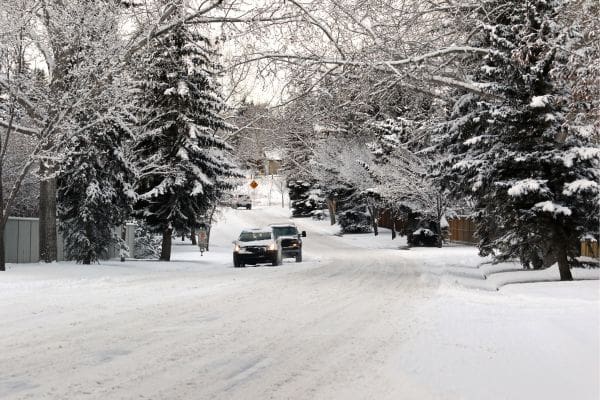
- Winter Vehicle Readiness: Winter tires are vital for driving in prairie snow. Because Calgary experiences true freezing temperatures, using a block heater overnight during deep winter snaps is vital to keeping engine oil fluid and ensuring smooth morning starts.
Read more in our guide, Winter Driving in Canada: 7 Essential Tips for Newcomers
Public Transit
The 2026 Commuter Reality
Calgary Transit makes it easy to get around the city using standard buses, neighbourhood shuttle routes, and the C-Train (the local Light Rail Transit) system. The C-Train is the main way people travel in Calgary. It runs along two major high-speed lines connecting the far northern and southern suburbs directly to the downtown core. To learn how to buy tickets and map out your daily commute, read our complete guide to Public Transit in Calgary.
Air Travel
- Calgary International Airport (YYC): Situated in the city’s northeast, YYC is a world-class global hub. It is the primary base for WestJet, and connects Calgary directly to major global destinations across Europe, Asia, the United States, and South America.
Healthcare & Medical Services
Newcomer Tip: Newcomers must register for provincial healthcare immediately upon landing. To verify the documents your require and the application process, follow our step-by-step guide, How Can Newcomers Get Public Health Insurance in Canada?
Provincial Health Insurance: The Alberta Health Care Insurance Plan (AHCIP)
Alberta Health Services (AHS) runs the province’s healthcare system. When you show your valid Alberta Health Care (AHCIP) card, the government pays 100% of the cost for doctor visits, hospital stays, surgeries, and appointments with specialists.
However, the public plan does not cover dental work, prescription medicines, or eye care. Because of these gaps, many people choose to buy private extended health insurance or use employer benefit plans to help cover the costs of medications and extra care.
To see how quickly your coverage starts and what rules apply to your family, review the health insurance guidelines below:
| Resident Category | Waiting Period | AHCIP Eligibility & Coverage Notes |
| Newcomers (International PRs) | No Waiting Period | Eligible for full coverage starting the exact day you establish residency in Alberta. You must submit your application immediately upon arrival. |
| Moving from Another Province | Up to 3 Months | Your “old” provincial plan covers you for the first 3 months (usually until the last day of the 2nd month following your arrival). Alberta coverage kicks in on the first day of the third month (e.g., if you move July 10, coverage begins on October 1). |
| Work Permit Holders | No Waiting Period | Eligible from arrival date, provided the permit is valid for at least 6 months, and you intend to live in Alberta for 12 months. Note: IEC (Type 58) holders now require proof of full-time employment and a 12-month permit. |
| International Students | Eligible | Fully eligible if holding a valid study permit issued for at least 12 months and maintaining full-time enrollment. |
| Canadian Citizens/PRs | No Waiting Period | Coverage is valid as long as you are physically present in Alberta for at least 183 days in any 12 months. |
How to Find a Family Doctor When Living in Calgary
- AHS “Find a Doctor” Tool: Use the online directory provided by the College of Physicians & Surgeons of Alberta or the Primary Care Network (PCN) registry to locate family physicians currently accepting new clients.
- Walk-In Clinics: Dozens of non-emergency medical walk-in clinics operate city-wide, allowing individuals to receive medical evaluation without prior appointments.
- Health Link (Dial 811): Dial 811 to speak directly with a registered nurse for 24/7 confidential, non-emergency health advice.
Major Hospitals in Calgary
Calgary features five major hospitals located across the city, each offering specialized emergency and medical care for you and your family:
| Hospital | Primary Specialty & Location | Key Focus for Newcomers |
| Foothills Medical Centre | Adult Trauma & Cancer Care (North West) | One of Canada’s top medical campuses; features a massive 24/7 emergency department and the brand-new Arthur J.E. Child Comprehensive Cancer Centre. |
| Rockyview General Hospital | Urology & Eye Care (South West) | Located on the shores of the Glenmore Reservoir; specializes in urological surgeries and advanced eye care. |
| Peter Lougheed Centre | Emergency & Vascular Surgery (North East) | A very busy, large hospital that manages high-volume emergency cases and regional blood-vessel (vascular) surgeries. |
| South Health Campus | Modern Patient Care & Tech (South East) | A brand-new, high-tech hospital that focuses on green sustainability and innovative, patient-first treatment. |
| Alberta Children’s Hospital | Pediatric Emergency & Trauma (North West) | A world-famous hospital built specifically for kids, specializing in advanced children’s medicine and pediatric emergency care. |
Schools: A Guide for Families & Students Moving to Calgary
Elementary & High School
Alberta’s public education system is widely regarded as one of the strongest in the world. Parents can select between two completely free, publicly funded school streams based on family preference:
- Calgary Board of Education (CBE): The largest public school division in Western Canada, managing 238 schools and serving over 142,000 students.
- Calgary Catholic School District (CCSD): The largest publicly funded Catholic separate school division in Western Canada, overseeing 117 schools and serving over 64,000 students.
Specialized & Newcomer Support: French Immersion, traditional language academies, and specialized fine arts or science curricula are accessible across both boards. High school students can pursue advanced academic pathways via widespread Advanced Placement (AP) or International Baccalaureate (IB) programming.
Early Childhood: Under the Canada-Wide Early Learning and Child Care agreement, Alberta continues to expand its $10-a-day licensed child care, daycare, and preschool spaces. To find Calgary daycares, pre-schools, family day homes, out-of-school care, or group family child care, the government has a great child care search tool.
💡 Newcomer Tip: If you are registering your children for school in Calgary for the first time while living in Calgary, you must visit the CBE’s welcome and assessment centre. The staff there will check your children’s English skills to make sure they get the right English language support (EAL) on their very first day at school. Read more in our guide, Schooling in Canada | A Look at the Education System.
Post-Secondary Schools
- University of Calgary (U of C): A top-tier research university serving over 33,000 students. It is globally celebrated for its programs in engineering, geoscience, medicine, business (at the Haskayne School of Business), and law.
- Mount Royal University (MRU): Located in the southwest, MRU emphasizes smaller class sizes and undergraduate excellence, specializing in nursing, business administration, aviation, and communication studies.
- SAIT (Southern Alberta Institute of Technology): Situated prominently on the north inner-city ridge, SAIT is a premier polytechnic institution providing top-tier technical skills training, culinary arts, and heavy industry trades integrated with international employers.
Pros and Cons of Living in Calgary
To help you weigh your options, here is a look at the major upsides and downsides of moving to the city.
| Feature | Pros (The Benefits) | Cons (The Challenges) |
| Money & Taxes | Keep more of your paycheck: Alberta’s lack of a provincial sales tax and low income taxes help you save more money each month. | Economic Shifts: While the city is diversifying into tech and aviation, the local economy can still fluctuate based on global oil prices. |
| Housing Market | Great apartment deals: A massive supply of new buildings gives you excellent bargaining power to rent or buy a condo affordably. | Premium Detached Market: Buying a standard standalone home in a highly desirable school district remains a major financial investment. |
| Transit & Driving | Easy cross-city travel: The Stoney Trail ring road and the efficient C-Train network make your daily commute easy. | Rush Hour Congestion: Major central roads, such as Deerfoot Trail, experience heavy traffic jams during morning and evening rush hours. |
| Climate & Nature | Sunlight & Mountains: You get 333 days of sunshine a year and live less than an hour’s drive from world-class mountain parks like Banff. | Intense winter cold snaps: Winters are long and can bring freezing drops below −25°C, along with sudden summer hail or autumn freezes. |
Culture and Day-to-Day Life When Moving to Calgary, AB

The Heart of the City
People in Calgary are energetic, friendly, and very welcoming to newcomers. The city has an amazing arts and culture scene, featuring the Studio Bell (National Music Centre), the Arts Commons performance theatres, and the Calgary Philharmonic Orchestra.
The Calgary Stampede: Deeply intertwined with local identity, Calgary transforms every July for the world-famous Calgary Stampede. Attracting over 1.2 million global visitors annually, the 10-day exhibition celebrates western heritage with world-class rodeos, concerts, and free community pancake breakfasts, offering newcomers an electric, immediate way to experience local culture.
Urban Parks: Calgary features breathtaking urban parks. Nose Hill Park in the northwest is the largest municipal park in Canada, preserving massive expanses of native prairie hillside. Prince’s Island Park sits embedded in the downtown Bow River corridor, and is a green sanctuary where cultural festivals often take place.
Professional Sports: Local sports passion centers heavily around the NHL’s Calgary Flames (hockey) and the CFL’s Calgary Stampeders (football), bringing immense energy to the downtown red-mile corridor during competitive seasons.
Newcomer Community & Cultural Events
Multicultural Celebrations: Calgary loves diversity and celebrates with summer cultural festivals. You can enjoy GlobalFest (a multi-ethnic festival with international fireworks), Expo Latino, and Calgary Pride. These events are part of a larger nationwide energy highlighted in our cross-country guide to the most Exciting Summer Festivals in Canada in 2026. If you want to buy traditional foods and goods from back home, you can easily find them at the shops and street markets along International Avenue (17th Ave SE).
Indigenous Connections: Calgary is located on the traditional territories of the Blackfoot Confederacy (Siksika, Kainai, Piikani), the Stoney Nakoda, and the Tsuut’ina Nations, and is home to the Métis Nation of Alberta (Districts 5 & 6). Newcomers can meaningfully connect with Indigenous heritage by attending community educational forums, art showcases at local galleries, and public traditional Pow Wows held throughout the spring and summer months.
Embracing Winter Culture: Thriving in Calgary means stepping into the snow! Calgary embraces its identity as an Olympic city (1988 Winter Games), providing newcomers immediate winter access to world-class facilities like the WinSport (Canada Olympic Park) ski hills and the high-speed Olympic Oval skating facilities.
💡 Moving to Calgary soon? Use our step-by-step checklist to track your arrival tasks and ensure a smooth landing.

Final Thoughts: Is Living in Calgary Right for You?

If you want to keep more of the money you earn, build a career in a growing industry, and buy a home in a stable housing market, Calgary is one of the smartest cities to choose in Canada. The winters are cold, and you will need to buy good winter clothes, but the bright sunshine, low taxes, and close drive to the Rocky Mountains make Calgary a wonderful place to call home.
🏠 Ready to start your housing search? Browse vetted Calgary rentals on Rentals for Newcomers today!
Common Questions About Living in Calgary
Calgary experiences true continental winters when January daily averages land around −8.9°C. However, extreme winter cold snaps can drop temperatures below −25°C for brief intervals. Crucially, Calgary is famous for the Chinook, a warm, dry wind blowing over the Rocky Mountains that can raise temperatures by as much as 15 degrees in a matter of hours, providing refreshing winter melting periods unique to southern Alberta.
Calgary is a very spread-out city, so having a car is highly useful for suburban families and weekend trips to the mountains. However, you can easily live here without a vehicle. If you choose to live in inner-city neighbourhoods like the Beltline, Mission, or Bridgeland, you can walk to most places. Combining that walkability with the local C-Train makes your daily commute simple and saves you money.
Yes, Calgary is regularly ranked among the top 10 cities in the world because it is safe and family-friendly. Newer suburban neighbourhoods like Evanston, Rocky Ridge, and Mahogany are designed with quiet streets, local elementary schools, nearby medical clinics, and plenty of playgrounds. This makes the city an ideal place to raise children.
What You Need to Know
- Understand the importance of a Social Insurance Number (SIN) for working, filing taxes, and accessing government benefits.
- Apply for your SIN as soon as you arrive in Canada; the application is free.
- Gather primary and secondary identity documents to apply online, in person, or by mail.
- Protect your SIN by memorizing it, storing it securely, and refusing to share it unnecessarily to avoid identity theft.
- Access free help with your application by connecting with local newcomer settlement agencies.
Why is a Social Insurance Number (SIN) Important for Newcomers?
If you are a permanent resident (PR), temporary resident, or Canadian citizen, you need a Social Insurance Number (SIN). You should apply for your SIN shortly after you arrive in Canada.
Newcomers require a SIN for many important activities in Canada, including:
- Working legally for a Canadian employer
- Filing an income tax return
- Receiving government benefits and credits
- Contributing to employment insurance and pension programs
- Opening some interest-bearing bank accounts
Without a valid SIN, employers cannot process your payroll information or issue your paycheque.
What is a SIN in Canada?
A SIN is a unique nine-digit number that Service Canada issues. It is your legal identifier for employment, taxes, and government services. All legal residents over the age of 12 are eligible to receive one.
Anyone who wants to work in Canada needs a SIN, including high school students looking for seasonal work. If you are helping your teenager get a SIN for a school break position, check out our guide on navigating teen summer jobs in Canada, so your family is fully prepared.
When Should You Apply for a SIN?
You should apply for a Social Insurance Number as soon as possible after arriving in Canada, especially if you plan to seek immediate work. However, there is no strict legal deadline or penalty if you apply in a few weeks.
Newcomer Tip: Applying for a SIN is free. Local immigrant settlement agencies can help you complete your application at no cost. Be cautious of third-party websites or individuals offering to fast-track your application for a fee.
The SIN Landing Program: Get Your SIN at the Airport
Can you get a Social Insurance Number at a Canadian airport?
Yes, you can get a Social Insurance Number immediately upon arrival through the SIN@Landing program. Service Canada operates dedicated, on-site desks at six major Canadian international airports (Toronto Pearson International Airport, Vancouver International Airport, Montréal-Trudeau International Airport, Calgary International Airport, Edmonton International Airport, and Halifax Stanfield International Airport), allowing permanent and temporary residents to walk away with their SIN before leaving the terminal.
If your flight lands late at night or outside of their active daytime operational hours, don’t worry! You can use the Service Canada Centre directory to locate a local office or apply online. For a complete roadmap on handling your arrival activities, including setting up your phone plan and obtaining other important documents, check out the guide, First Things to Do After Landing in Canada.
The airport SIN process: Step-by-Step
| Step | Action and Requirements | Location / Outcome |
| 1. Clear Customs | Complete your standard declaration and pass through the Canada Border Services Agency (CBSA) customs checkpoint. | Airport Customs Hall |
| 2. Locate the Desk | Look for the official Government of Canada or Service Canada signage right after the immigration arrivals area. | Post-Immigration Exit Terminal |
| 3. Present Your Documents | Hand the agent your passport and your newly issued immigration document (such as your Work Permit, Study Permit, or COPR). | Service Canada Airport Desk |
| 4. On-the-Spot Issuance | The agent will verify your legal status, process your application, and hand you your official 9-digit paper confirmation. | Same-day collection (Minutes) |
What Documents Do You Need to Apply for a Canadian SIN?
To apply for a Canadian SIN, you must provide one primary identity document proving your legal status, one secondary document confirming your legal name/birthdate, and a supporting document if your current name has changed from your original ID.
1. Primary Identity Document (Choose One)
- Permanent Residents: A valid Permanent Resident (PR) Card or a Confirmation of Permanent Residence (COPR) along with a valid foreign passport.
- Temporary Residents: A valid Canadian Work Permit or Study Permit that explicitly states you are authorized to work in Canada.
- Canadian Citizens: A Canadian Birth Certificate or a Certificate of Canadian Citizenship.
⚠️ Important Note for International Students: Your Study Permit must explicitly state that you can “accept employment” or “work off-campus” in Canada. Service Canada will reject your application if your permit says you are not authorized to work. If this happens, you must apply to Immigration, Refugees and Citizenship Canada (IRCC) to amend your study permit before you can get a SIN.
2. Secondary Document (Choose One)
This must be a government-issued photo ID that confirms your legal name and date of birth:
- A valid passport (foreign or Canadian).
- A provincial or territorial driver’s license.
- A provincial photo identification card.
3. Supporting Document (If applicable)
You only need to provide a supporting document if the name on your primary or secondary document does not match your current legal name:
- A legal change of name certificate.
- A marriage certificate or divorce decree.
- An adoption order.
How Do You Apply for a Social Insurance Number in Canada?
If you didn’t get your SIN at the airport, you can apply online, in person, or by mail through Service Canada.
Quick comparison: Ways to apply for a SIN
| Application Method | Processing Time | Documents Required | Best For |
| Airport (SIN@Landing) | Issued in minutes | Original, physical documents | Newcomers landing at major hubs during active airport desk operational hours. |
| In Person | Issued on the same day | Original, physical documents | Newcomers who need their SIN immediately to finalize a job offer or payroll. |
| Online | Processed in 5 business days (allow 10–15 days for mail) | High-quality digital scans | Anyone who prefers applying from home via the secure eServiceCanada portal. |
| By Mail | Approximately 20 to 25 business days | Original, physical documents | Applicants living in remote areas without access to a Service Canada Centre or a computer. |
*Processing times may vary.
How do I apply for a Canadian SIN online?
To apply for a SIN online, navigate to the official eServiceCanada portal, complete the secure form, and upload clear digital scans of your primary and secondary documents.
Steps for Online SIN Application:
- Scan the front and back of your original documents into clear, legible PDF or JPEG files.
- Complete the digital form on the official eServiceCanada portal and upload your files.
- Keep your confirmation number. Service Canada processes digital applications within 5 business days. Once approved, you can view your number instantly on your My Service Canada Account (MSCA) or wait for the physical letter to arrive by mail within 10 to 15 business days.
How do I apply for a Canadian SIN in person?
To apply for a SIN in person, locate your nearest physical Service Canada Centre, bring your original physical identity documents, and speak to an agent. You will receive a paper version of your nine-digit SIN during your appointment.
Steps for In-Person Application:
- Gather your original, physical documents (photocopies or digital screen captures are not accepted in person).
- Use the online eServiceCanada Service Request Form to request an appointment, or visit a Service Canada Centre as a walk-in.
- Present your documents to the agent. They will process your file and hand you your official SIN paper confirmation before you leave.
How do I apply for a Canadian SIN by mail?
To apply for a SIN by mail, download and print the SIN Application Form (Form NAS2120), enclose your original physical identity documents, and mail the package via registered mail to Service Canada. Processing takes 20 to 25 business days.
Steps for Mail Application:
- Download and print the official SIN Application Form from the Government of Canada website (or call toll-free at
1-866-274-6627to order a copy). - Enclose your completed and signed application form along with your original physical documents.
- Mail the package via registered mail to the Social Insurance Registration Office in New Brunswick.
- Service Canada will return your original documents and mail your SIN letter within 20 to 25 business days.
Protecting Your SIN and Avoiding Scams
How can I protect my SIN and avoid identity theft?
To protect your SIN, memorize the number and store the physical document in a secure location at home. Never carry your SIN in your wallet, and refuse to provide it for non-legal purposes, such as apartment rentals or job applications, before being hired. Employers can legally ask for your SIN after they hire you.
Landlords and your SIN: Know your rights

Many Canadian landlords will ask you for your SIN to run a credit check while you are apartment hunting. While asking is legal, you do not have to give it to them, and we strongly recommend you don’t. Sharing your SIN before signing an official lease leaves you vulnerable to identity theft.
🏠 Your Next Milestone: Finding a Place to Call Home
Getting your SIN means you’re ready to build a future here. But you can’t truly relax until you unpack your bags in your own space. Skip the rental scams and the stressful bidding wars. Explore our vetted Rentals for Newcomers Listings today to find landlords who understand your journey, accept newcomer applications, and are ready to welcome you home.
Our comprehensive Rental Application Guide gives you tips, document checklists, and templates to help you prove you are an excellent tenant and secure your dream home safely.
Common SIN scams targeting newcomers

Newcomers and international students are prime targets for phone and email fraudsters falsely claiming to be government entities such as the Canada Revenue Agency (CRA) or Service Canada.
- The Red Flag: A caller claims your SIN has been “linked to a crime,” “breached,” or “suspended.” They will demand your personal information or immediate payment in cryptocurrency, prepaid credit cards, or gift cards to avoid arrest.
- The Reality: Service Canada and the CRA will never call you out of the blue to demand your SIN, threaten you with jail time, or request alternative forms of payment. If you receive a suspicious call, hang up immediately.
Final Thoughts: Ready to Get Your SIN?
Securing your Social Insurance Number is a vital early milestone for settling into your new life in Canada. There is no rush to get it the minute you step off the plane, but applying for it early ensures you are ready when job opportunities or government benefits you may be eligible for arise.
Quick summary checklist
- The Timeline: No strict legal deadline, but Prepare for Canada recommends applying for your SIN soon after arrival and before your first day of work.
- The Cost: The application is always free.
- The Documents: Gather your primary ID (such as a work permit, study permit, or PR Card) and a secondary photo ID (like your passport) before starting.
- The Best Method: For convenience, apply online via the Service Canada digital portal (processed in about 5 business days; allow 10-15 business days for mail delivery) or visit a Centre in person if you need your SIN the same day.
- The Golden Rule: Keep your number strictly confidential. Never carry it in your wallet, and immediately hang up on anyone claiming your SIN is “linked to a crime.”
Do you have your ID documents ready? Choose the application method that best suits your schedule, download your Rental Application Guide, and take this double-step toward building your success in Canada!
Common Questions About Social Insurance Numbers
Yes, you can legally begin working before your physical SIN arrives. The Canadian government allows you to start working as long as you apply for your SIN within 3 days of your start date and provide the nine-digit number to your employer as soon as you receive it.
To prepare for your first paycheque and learn how to build a strong Canadian credit score early, read our top money management tips for newcomers to Canada.
A SIN issued to a Canadian citizen or permanent resident does not expire. However, temporary residents (students and foreign workers) receive a temporary SIN starting with the number 9, which expires on the exact date listed on their work or study permit.
If you apply to renew your work or study permit before it expires, you can continue working under the same conditions. Even if the expiry date on your temporary 9-series SIN has passed, you enter what is called Maintained Status. Once your new permit arrives in the mail, take it to Service Canada to update your expiry date. Your nine-digit number will remain the same.
An employer can only legally demand your SIN after you are officially hired for payroll and tax purposes. Landlords, cell phone providers, and utility companies may ask for your SIN to run credit checks, but you are not legally required to give it to them. You should refuse and offer an alternative government photo ID.
What You Need to Know
- Father’s Day in Canada occurs on the third Sunday of June, honouring all father figures, including stepfathers and grandfathers.
- Families celebrate with traditions such as gatherings, thoughtful gifts, and outdoor activities, providing opportunities for bonding.
- Newcomers can embrace Canadian customs while blending their cultural heritage into the celebrations.
- Many restaurants offer special menus for Father’s Day, and it’s one of the busiest dining days of the year.
- Fishing, hiking, and attending community events are popular activities to enjoy on this special day.
Families all across Canada take time to celebrate Father’s Day from coast to coast. It’s a day to honour all kinds of dads, including stepfathers, grandfathers, and adoptive fathers, who do so much for their families. More than anything, it’s the perfect chance to show these father figures how much we appreciate their hard work, sacrifices, and unconditional love.
For newcomers, celebrating your first Father’s Day in Canada is a wonderful milestone. It is a perfect opportunity to embrace local Canadian traditions, explore your new home province, and build lasting family memories in your new community. Read on to discover when Father’s Day is, popular Canadian traditions, and fun activities to ensure a memorable celebration!
When is Father’s Day in Canada?
In Canada, Father’s Day is celebrated every year on the third Sunday of June. This year, Father’s Day falls on Sunday, June 21, 2026.
Just a few weeks after Canadians honour mothers in May, it is time to celebrate the paternal figures in our lives. (If you missed it, you can read our complete guide to celebrating Mother’s Day in Canada)
Father’s Day is not a federal public holiday, so businesses, restaurants, and public transit operate on their normal Sunday schedules. This makes it easy for newcomer families to plan gatherings, dinners, and outdoor excursions together without worrying about holiday closures.
To see a complete list of official paid days off and long weekends across your province this year, check out our Statutory Holidays in Canada guide. This makes it easy for newcomer families to plan gatherings, dinners, and outdoor excursions together without worrying about holiday closures.
Traditional Ways to Celebrate Father’s Day in Canada
Canadian families mark this day with various traditions that bring loved ones together and make father figures feel truly appreciated.
Happy Father’s Day Family Gatherings and Meals

The primary focus of this day is showing our fathers how much we value them. A family gathering centred around a meal is the most common tradition in Canada. Whether it is a cozy home-cooked dinner or a grand backyard barbecue (a beloved Canadian summer pastime), these gatherings fill the atmosphere with love, laughter, and connection.
Thoughtful Gift-Giving for Father’s Day 2026
Gift-giving is a popular way to honour your father. Traditional gifts often include books, clothing, gadgets, or tools. However, for newcomers, the best gifts often carry sentimental value. Personal gifts like homemade cards from the children, a custom photo album documenting your journey to Canada, or items reflecting your father’s unique hobbies are highly cherished. The goal is to make fathers feel supported and loved.
The Ultimate Gift: Securing Your New Family Home
While giving gifts is a wonderful way to show appreciation, finding a safe, comfortable place for your family to live is the ultimate milestone for a newcomer father. Preparing a strong rental application without Canadian credit history can be challenging, but you do not have to handle it alone.
To help your family secure the perfect apartment or house, check out our comprehensive Rentals for Newcomers Application Guide. It gives you the tools and tips you need to navigate credit hurdles and apply to landlords with confidence.
Once you are ready to start your search, you can directly browse newcomer-friendly landlords in welcoming cities across the country by visiting our Rentals for Newcomers Listings, featuring thousands of available homes.
Attending Local Community Events
No matter which province or city you have settled in, there are bound to be local Father’s Day events happening near you. This is an excellent way for newcomer families to integrate into their local neighbourhoods. If your father enjoys cars, many communities host Father’s Day classic car shows. If he enjoys sports, taking him out to a local baseball or soccer game is a fantastic way to spend the afternoon.
Top Things to Do for Father’s Day 2026
Canada is a vast country full of breathtaking landscapes and natural beauty. June offers beautiful weather, making outdoor activities the premier choice for a Canadian Father’s Day.
💡 Newcomer Tip: Before you book any tickets or park passes, check out our guide on Affordable Ways to Explore Canada: Discovery Day Pass, Canada Strong Pass, and Canoo. You could qualify for free or deeply discounted admission to national parks, historic sites, and museums!
1. Go Fishing (Free Fishing Weekends)
Fishing is a classic Canadian “dad activity.” Fathers and their children can spend a relaxing day by a river, lake, or coastal area. As a special bonus for families, many provinces, such as Ontario, allow residents to fish for free without a basic fishing license during Father’s Day weekend. It is a budget-friendly and uniquely Canadian way to bond with family and potentially catch your own dinner!
2. Hiking and Camping in National Parks

Adventurous families can head out to local walking trails, conservation areas, or national and provincial parks. By hiking and camping, newcomers get a firsthand look at Canada’s stunning wilderness, breathe in fresh air, and get some healthy exercise. Best of all, these outdoor trips give your family a distraction-free space to bond.
To find a beautiful national park, historic site, or marine conservation area near your city, you can use the official Parks Canada Search Directory to plan your route.
3. Celebrate Your Unique Father’s Day Traditions
Canada is a proudly multicultural country made up of families from all walks of life. Because of this rich diversity, there is no single “right” way to celebrate Father’s Day here.
Many newcomer families use this day to blend their cultural heritage with local Canadian customs. You might see families hosting multi-generational gatherings to honour grandfathers and elders, sharing traditional comfort foods from their home countries, or gathering in local parks for community picnics.
At Prepare for Canada, we love seeing how diverse communities shape this special day. No matter how your family chooses to celebrate, Father’s Day in Canada is a welcoming space for all heritages and families.
4. Catch a Sports Game Together
Whether your father is a fan of the NHL Stanley Cup playoffs, baseball, or cricket, gathering around the television or visiting a local sports pub to watch a game together is a fantastic, high-energy way to celebrate the day.
5. Visit a Canadian Museum
If your father is a history buff, a science enthusiast, or an art lover, a family trip to a museum is an excellent option. Canada boasts world-class national and provincial museums that offer educational, indoor fun for the whole family.
6. Enjoy a Family Movie Night
If you prefer a relaxing day at home, planning a family movie night is a simple yet wonderful option. Grab some popcorn, pick out a movie the entire family can enjoy, and spend quality time together on the couch.
7. Dine Out at a Local Restaurant
Treating your dad to a nice lunch or dinner takes the stress out of cooking and lets everyone relax. Because this is such a popular tradition, many restaurants across Canada offer special “Happy Father’s Day” menus, promotions, and discounts. Tip: Be sure to book your reservations a few days in advance!
Welcome to Your First Canadian Father’s Day!
Father’s Day in Canada is entirely about recognizing the vital role that fathers and father figures play in shaping our families and communities. For immigrant families, the sacrifices fathers make to build a new life in Canada make this day even more profound.
Whether you choose to give a thoughtful gift, explore the great Canadian outdoors, or share a meal, there are endless ways to show fathers how much you cherish them.
Happy Father’s Day to all the wonderful dads, grandfathers, and mentors making a difference across Canada!
Common Questions About Father’s Day in Canada
No. Father’s Day is not an official statutory (public) holiday. Because it always falls on a Sunday, banks and government offices are generally closed, but standard retail stores, malls, restaurants, and transit lines operate on normal Sunday schedules.
Yes, many restaurants offer special Father’s Day brunch menus, dinner promotions, or family discounts. However, book your reservation a few days in advance because it is one of the busiest dining days of the year.
In several Canadian provinces, including Ontario, the government designates Father’s Day weekend as a “license-free” fishing period. This means Canadian residents can try fishing in local lakes and rivers without purchasing an outdoor card or fishing license, though standard conservation catch limits still apply.
What You Need to Know
- Ontario Health Card Application Process: Requires an in-person visit to ServiceOntario with three original identification documents.
- Ontario Health Insurance Plan (OHIP): Covers basic medical services for eligible provincial residents.
- Residency Rules: Requires physical presence in Ontario for at least 153 days in any 12 months.
- Documents Required: Official, original paperwork such as a Permanent Resident Card or Confirmation of Permanent Residence (COPR)
- Medical Exceptions: OHIP doesn’t cover routine dental exams and prescriptions.
What is the Ontario Health Insurance Plan (OHIP)?
The Ontario Health Insurance Plan (OHIP) pays for affordable, basic medical services for all eligible Ontario residents. To access this provincial healthcare system, you must complete the Ontario health card application process. Once approved, your card fully covers everyday medical essentials, including visits to your family doctor, appointments at walk-in clinics, hospital stays, and emergency room visits.
Who is Eligible for OHIP?
To qualify for free provincial healthcare, you must meet all three basic residency requirements plus at least one additional immigration status requirement.
Basic Residency Requirements
| Requirement | Timeframe Rule | What it Means for Newcomers |
|---|---|---|
| Physical Presence (First six months) | 153 days out of the first 183 days | You must physically stay in Ontario for about 5 of your first 6 months immediately after you move here. |
| Physical Presence (Yearly) | 153 days in any 12 months | To keep your card active, you cannot spend more than 212 days (approx. 7 months) outside of Ontario per year. |
| Primary Home | Ongoing | You must make Ontario your primary, main province of residence. |
💡 When to Apply: You can, and should, visit ServiceOntario to register for your health card the day you arrive in the province. You do not need to wait 153 days before applying.
Additional Status Requirements
Along with the residency rules in the table above, you must fall into at least one of these categories:
- Canadian Citizen
- Permanent Resident (or currently applying for Permanent Residence with immigration approval)
- Valid Work Permit holder (working full-time for an Ontario employer for at least 6 months)
- Convention Refugee or Protected Person
How to Apply for an Ontario Health Card
To apply for an Ontario Health Card, you must visit a ServiceOntario center in person, fill out the Registration for Ontario Health Insurance Coverage form, and present three original documents proving your legal status, residency, and identity. Follow these four steps to complete your Ontario health card application:
- 1. Gather Three Original Documents: Bring one original document to prove your Canadian citizenship or immigration status, one to prove you live in Ontario, and one to prove your identity. ServiceOntario does not accept photocopies.
- 2. Locate a ServiceOntario Center: Find a ServiceOntario location that handles health card services. Many locations allow you to book an appointment online to skip the line.
- 3. Complete the Application Form: Download and print the official form (014-0265-82) required for your Ontario health card application.
- 4. Submit Your Application to a ServiceOntario Representative: Submit your form and three documents to the ServiceOntario representative. They will verify your eligibility, take your digital photo, and hand you a temporary paper receipt.
The Foolproof Ontario Health Card Application Checklist
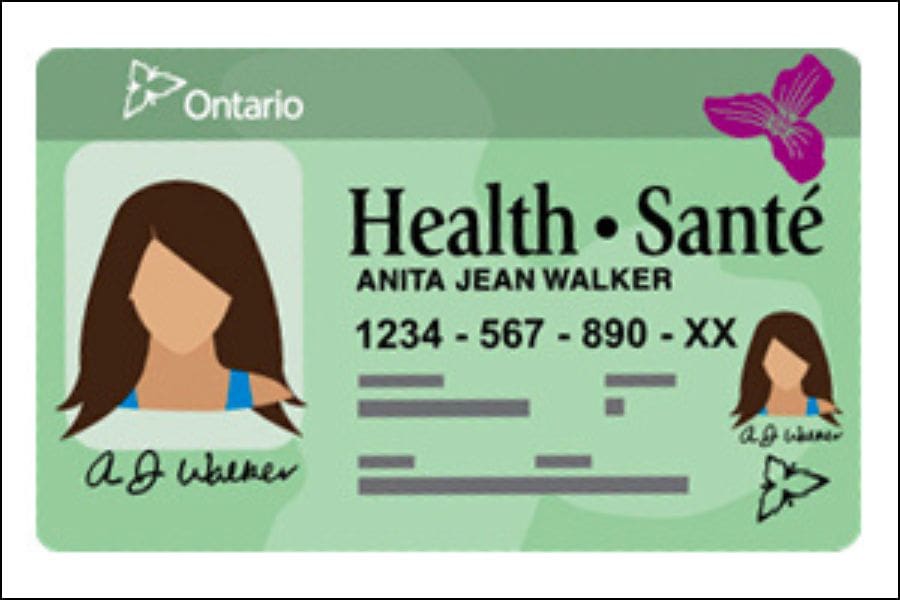
Before you go to your ServiceOntario appointment, be sure to have one original document from each of these three categories.
1. Proof of Canadian Citizenship or Eligible Immigration Status
This document must prove you are legally authorized to stay in Canada. Accepted documents include:
- Canadian Passport
- Canadian Birth Certificate
- Permanent Resident (PR) Card
- Confirmation of Permanent Residence (COPR)
- Valid Work Permit or Study Permit
💡 Work Permit Pro-Tip: If you are applying under a valid work permit, ServiceOntario will reject your application if you only present the permit. You must also bring an official employment letter printed on company letterhead, signed and dated by your employer, confirming that you are employed full-time, listing your specific job title, and stating that you will be working here for at least 6 months.
2. Proof of Ontario Residency
This document must display your name and current physical home address in Ontario. Accepted documents include:
- Ontario Driver’s Licence or Ontario Photo Card
- Utility bill (e.g., hydro, gas, water, cable)
- Bank statement
- Signed residential lease or mortgage agreement
3. Proof of Identity
This document must display both your name and your physical signature. Accepted documents include:
- Credit card
- Canadian or foreign passport (if not used for Category 1)
- Employee ID card
- Student ID card
Review the complete Ontario Health Insurance Plan (OHIP) Document List
OHIP Coverage at a Glance
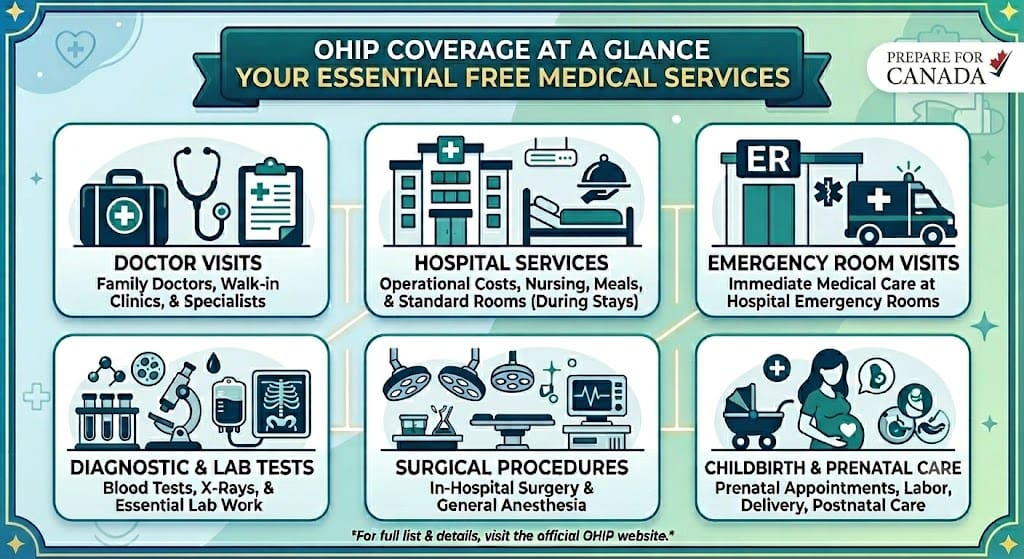
The infographic shows what is normally covered, but there are some important exceptions where you might have to pay out-of-pocket. Check out the full list below for specific rules on prescription costs, private hospital rooms, and age limits:
| What OHIP Covers | What OHIP Does NOT Cover (Out-of-Pocket) |
|---|---|
| Doctor Visits: Appointments with family doctors, walk-in clinics, and specialists. | Prescription Drugs: Medications filled at a pharmacy (Note: Prescriptions are free for youth aged 24 and under if they do not have private insurance through school or a parent’s work. For seniors aged 65 and older, the government covers most of the cost, but they usually have to pay a small annual fee or a few dollars per prescription.) |
| Hospital Services: Operational costs, nursing, meals, and standard rooms during a stay. | Hospital Upgrades: Private or semi-private hospital rooms. If you want a private or semi-private room, you must pay out-of-pocket or use private coverage. Unsure if your landing plan covers this? See our guide: Do You Need Travel Medical Health Insurance to Move to Canada? |
| Dental Surgery: Complex dental procedures that must be performed inside a hospital. | Routine Dental Care: Cleanings, fillings, check-ups, and extractions at a dentist’s office. |
| Eye Exams: Annual exams for residents aged 19 and under, or 65 and older. | Routine Eye Exams: Annual exams for adults aged 20–64 (unless a specific medical condition applies). |
| Podiatry: Partial coverage for registered chiropodist services. | Alternative Medicine: Physiotherapy, chiropractic care, and massage therapy (with minor exceptions). |
| Ambulance Services: The vast majority of the cost if a doctor deems it a medical necessity. | Ambulance Co-pay: A standard $45 co-pay fee, or the full cost (approx. $240+) if deemed non-essential. |
Northern Health Travel Grant
If you live in Northern Ontario and must travel long distances for specialized medical care, OHIP may help pay for your transportation and accommodation costs. The government provides the Northern Health Travel Grant to ensure residents in remote areas have equal access to healthcare.
You may qualify for this travel coverage if you live in or near any of the following districts:
- Algoma
- Cochrane
- Kenora
- Manitoulin
- Nipissing
- Parry Sound
- Rainy River
- Sudbury
- Thunder Bay
- Timiskaming
Next Step: To find out if your specific trip qualifies or to download the reimbursement forms, visit the official Northern Health Travel Grant page.
Finding a Family Doctor
Once your Ontario Health Card is active, you can register with the provincial Health Care Connect to find a family doctor. in your community.
📈 Data Insight: Under the province’s Primary Care Action Plan, Ontario expanded over 130 new primary care teams, reducing the historical Health Care Connect waitlist by over 87%. The province’s target wait-time threshold for matching new applicants to a doctor is a maximum of 12 months.
Next Steps for Newcomers in Ontario
Submitting your Ontario health card application is one of the most vital steps to successfully settling into your new life. Because mistakes or missing documents will force you to make a second trip to ServiceOntario, double-check your paperwork against the checklist above before you leave the house.
Once your application is approved, consider exploring affordable city recreation programs. While OHIP covers your doctor visits, these municipal programs offer the low-cost fitness and social connection vital for your mental health.
Common Questions About OHIP
ServiceOntario will mail your physical Ontario Health Card to you within 4 to 6 weeks after you apply. However, you can use your health coverage immediately on the day the province approves your application. Because Ontario permanently eliminated the old 3-month waiting period, your insured medical benefits protect you from day one.
To check the status of your Ontario Health Card application, you can call the ServiceOntario INFOline at 1-866-532-3161. Have the temporary paper receipt that you received at your in-person appointment ready. The agent will ask you for the temporary numbers to track your file.
An Ontario Health Card is free. There is no application fee for eligible residents registering for the Ontario Health Insurance Plan (OHIP). Be aware of third-party phishing websites or scams that ask for payment or credit card details to “expedite” your health card; ServiceOntario is the only official government provider.
To replace a lost or stolen Ontario Health Card, call ServiceOntario immediately at 1-800-268-1154 to deactivate the lost card. * If your card does not have a photo on it: You must visit a ServiceOntario center in person to replace it.
If your card has a photo on it and your address hasn’t changed: You can order a replacement card online through the official ServiceOntario portal for free.
No, every province and territory in Canada runs its own public health insurance plan. While Ontario has eliminated its waiting period for OHIP, other provinces still enforce a traditional 3-month waiting period before newcomers can access free medical care. To compare provincial rules and find out how to secure coverage anywhere in the country, check out our guide: How Can Newcomers Get Public Health Insurance in Canada?
What to Know
- Pride Season in Canada runs from June to September, highlighting the contributions of 2SLGBTQI+ communities.
- Pride events reflect Canada’s commitment to human rights, with legal protections against discrimination based on sexual orientation and gender identity.
- Major Pride festivals include Pride Toronto in June, Vancouver Pride in late July, and Fierté Montréal in early August.
- Many Canadian cities offer support services for 2SLGBTQI+ newcomers, including housing, employment, and legal assistance.
- Celebrate Pride in Canada by supporting local events and recognizing the ongoing advocacy for equality.
Celebrating Pride Season in Canada (June to September)
Pride Season in Canada is a time to celebrate the contributions, achievements, and resilience of the 2SLGBTQI+ communities and their allies. While celebrations take place across the country, this Canada Pride 2026 newcomer guide highlights everything you need to know about local schedules, legal rights, and settlement support. We start with Toronto, which hosts Canada’s largest festival every June.
What Does 2SLGBTQI+ Mean?

The acronym 2SLGBTQI+ stands for Two-Spirit, Lesbian, Gay, Bisexual, Transgender, Queer or Questioning, and additional sexual orientations and gender identities.
Two-Spirit (or 2-Spirit / 2S): This term is specifically used by some Indigenous people to describe a person who embodies both feminine and masculine spirits. Placing “2S” at the front of the acronym honours the historical and cultural significance of sexual and gender diversity within First Nations, Inuit, and Métis communities before colonization.
Why Do We Celebrate Pride in Canada?
Pride is more than a celebration; it reflects Canada’s deep commitment to human rights. The movement is built on the fundamental belief that every individual has the right to live authentically and free from discrimination based on sexual orientation, gender identity, or gender expression. Canada’s promise of equality makes it a nation of choice for individuals fleeing countries where sexual orientation is a crime. As noted by the Human Dignity Trust, 65 countries still have laws targeting LGBT people, some carrying penalties as severe as imprisonment or death.
Canada is recognized globally as one of the most inclusive countries for 2SLGBTQI+ individuals. To help you settle in safely, this Canada Pride 2026 newcomer guide explains your legal rights under the Canadian Charter of Rights and Freedoms:
- Legality: Same-sex relationships are legal and have been recognized nationwide with equal rights and benefits since 2005.
- Safety: Hate crimes, conversion therapy, and hate speech targeting gender identity or sexual orientation are illegal under the Criminal Code.
- Employment Protection: Employers can’t discriminate, fail to promote, or terminate an employee based on sexual orientation or gender identity
- Healthcare Equality: Doctors and medical professionals cannot refuse treatment or provide substandard care based on sexual orientation or gender identity.
- Housing Rights: Based on tenant rights in Canada, landlords cannot discriminate, refuse to rent, raise rents, or harass tenants based on whom they love or how they identify.
What is the schedule for Canada Pride 2026 events?
While today’s Pride events are festive and celebratory, they began as protests demanding justice and equality. The 2026 festivals continue to honour that legacy while celebrating modern progress, resilience, and inclusion.
| City & Festival | 2026 Festival Dates | Official Pride Parade Date |
| Pride Toronto | Month of June | Sunday, June 28, 2026 (2:00 PM) |
| Vancouver Pride | July 25 – August 2, 2026 | Sunday, August 2, 2026 |
| Fierté Montréal | July 31 – August 9, 2026 | Sunday, August 9, 2026 (1:00 PM) |
| Calgary Pride | August 31 – September 6, 2026 | Sunday, September 6, 2026 |
Pride Toronto (Ontario)
Pride Month: June 1-30, 2026
Festival Weekend: June 25-28, 2026
Tracing its roots back to the historic 1981 bathhouse raid protests, Pride Toronto celebrates its 45th anniversary in 2026 under the powerful theme “We Won’t Stop.” The festival weekend features the Trans March (June 26), the Dyke March (June 27), and the massive Street Fair in the Church-Wellesley Village.
Vancouver Pride (British Columbia)
Festival Week: July 25-August 2, 2026
Vancouver’s Pride parade began in 1978 and stands as the largest 2SLGBTQI+ celebration in Western Canada. The 2026 parade route loops back through the historic Davie Street Gay Village, ending in a festival with live music, food trucks, and local artisans.
The stunning backdrop of mountains and ocean makes it a beautiful place to celebrate, but if you are wondering if the city matches your lifestyle and career goals, read our guide, Is Vancouver, Canada a Nice Place to Live for Newcomers?
Calgary Pride (Alberta)
Festival Week: August 31-September 6, 2026
Calgary’s Pride movement began in 1990. Uniquely scheduled at the end of summer, the 2026 event focuses heavily on intersectionality. In recent years, Calgary Pride has positioned itself as a major beacon of solidarity for diverse community members, showcasing newcomers who have immigrated to Canada from countries where being 2SLGBTQI+ remains criminalized.
🗺️ Exploring Living in Canadian Cities?
Deciding where to plant your roots is a major part of your settlement journey. Both Western hubs feature fantastic, welcoming queer communities, but offer very different lifestyles and living costs. Explore our complete city profiles to make an informed choice:
Read the Alberta Guide: Living in Calgary, Alberta: Everything You Need to Know
Read the British Columbia Guide: Is Vancouver, Canada A Nice Place to Live for Newcomers?
Fierté Montréal (Québec)
Festival Week: July 31-August 9, 2026

Founded in 2007, Fierté Montréal has grown into the world’s largest Francophone Pride festival. The grand Défilé de la Fierté (Pride Parade) marches down Boulevard René-Lévesque on August 9th, anchoring 10 days of cultural programming across the city’s Gay Village and Olympic Park.
What Services and Support are available for 2SLGBTQI+ newcomers?
Canada’s promise of equality makes it a top nation of choice for individuals fleeing persecution. According to data from the Human Dignity Trust, roughly 64 countries still criminalize same-sex consensual activity; some carrying penalties as severe as life imprisonment or the death penalty.
Recognizing the unique needs of LGBT refugees and immigrants, many Canadian cities offer specialized settlement services. LGBTQ+ and multicultural organizations are collaborating, especially in urban centres such as Toronto, Vancouver, and Calgary. Available services include:
- Settlement Planning: One-on-one settlement advice to navigate Canadian society.
- Financial & Employment Support: Specialized job search training, networking, and resume assistance.
- Housing & Legal Assistance: Finding safe, queer-affirming housing and completing refugee claim guidance.
Finding safe, temporary housing is always a challenge for arrivals, but it is exceptionally difficult this season. With Toronto and Vancouver actively hosting the matches, short-term rental prices have surged dramatically. If you are landing this summer, it’s vital to use smart budgeting strategies; read our guide, Short-term Rentals World Cup 2026: How Newcomers Can Beat the World Cup Tax to avoid price gouging.
Scotiabank and The 519: A Partnership for Impact
Through the ScotiaRISE initiative, Scotiabank partnered with The 519, Canada’s prominent 2SLGBTQIA+ community center, for a multi-year project called Project Unlock. Dedicated specifically to helping LGBTQIA+ newcomers thrive, this program provides:
- Professional certifications for high-demand Canadian careers.
- Personalized financial literacy coaching and emergency assistance.
- Direct mentorship and job search matching.
Securing a job offer is a massive milestone, but understanding how to navigate your new corporate culture is just as critical for long-term survival. Once you land that role, make sure you know what to expect during your probationary period by reading our essential survival guide: First 90 Days in the Canadian Workplace | Success Tips.
Directory of Trusted 2SLGBTQI+ Settlement Agencies
If you are a newcomer seeking safe, affirming guidance, use this Canada Pride 2026 newcomer guide resource directory to reach out to regional organizations:
- Ontario (Toronto): Access Alliance & The 519
- Alberta (Calgary): Centre for Newcomers LGBTQ+ Services
- British Columbia (Surrey): DIVERSEcity LGBTQ+ Newcomer Services
- British Columbia (Vancouver): MOSAIC Services for Newcomer LGBTQIA+ Refugees
Happy Pride Canada!

Wishing a joyful and safe Pride season to all 2SLGBTQI+ individuals, newcomers, and allies! We hope this Canada Pride 2026 newcomer guide helps you celebrate!
Canada Pride 2026 Newcomer Guide: Common Questions
Pride Season in Canada spans from June to September. While June is federally recognized as Pride Month, municipalities host their major multi-day festivals throughout the summer months to balance travel schedules and regional holidays.
Pride Toronto is Canada’s biggest Pride festival and the second-largest in North America. Every year at the end of June, its main festival weekend draws an estimated 1.5 million visitors to the city.
No. Canada passed federal legislation that officially banned conversion therapy nationwide. It is illegal to subject anyone of any age to practices designed to change or repress their sexual orientation or gender identity.
LGBTQ+ refugees can find dedicated legal, housing, and integration aid through specialized organizations such as The 519 in Toronto, MOSAIC in Vancouver, and the Centre for Newcomers in Calgary.
🏠 Ready to Find and Secure Your First Home in Canada?
Renting an apartment as a newcomer can feel overwhelming, especially if you don’t have a Canadian credit history or local job references yet.
Don’t let competitive summer housing markets hold you back. Download our free resource, The 2026 Newcomer’s Guide to Crafting a Winning Rental Application in Canada.
What You Need to Know
- Healthcare in Canada is not entirely free: Provincial government healthcare is a publicly funded insurance model paid through income taxes. It covers essential medical care but excludes routine dental care, vision care, and prescriptions outside a hospital.
- Waiting periods vary: Some provinces offer first-day coverage, while others have a mandatory waiting period of up to three months. Private health insurance is highly recommended during any gap.
- Apply on arrival: You cannot apply for a provincial health card before landing. Make gathering your original residency documents a day-one priority.
- Childbirth is protected: Medically necessary hospital stays, prenatal care, and childbirth are 100% covered, provided the province approves your residency and your waiting period is over.
Canadians take pride in their universal, publicly funded healthcare system. However, for newcomers, navigating healthcare in Canada can be confusing. One of the most common points of confusion is the distinction between what is truly “free” and what is legally classified as an insured service.
To avoid unexpected, costly out-of-pocket medical bills, it is vital to understand clear eligibility criteria, exactly what the government covers, and how to apply for your provincial or territorial health card as soon as you land.
1. Demystifying Healthcare in Canada: “Free” vs “Insured” Services
A common misconception is that all healthcare in Canada is completely free. In reality, healthcare in Canada is publicly funded. The federal and provincial governments use tax revenues to cover specific, essential medical costs.
To make medical billing easy to understand, we group Canadian healthcare into two separate categories:
Insured Services (100% Covered)
Under the Canada Health Act, your provincial health card covers medically necessary services. You do not pay the clinic, hospital, or physician directly for these:
- Hospital Care: Accommodation in a standard ward, operating room fees, nursing services, surgical supplies, and maternity services (including prenatal, childbirth, and postnatal care).
- Physician Services: All medically required visits to family doctors (General Practitioners) and specialists.
- In-Hospital Medications: Any prescription drugs given to you while you are a hospital patient.
Uninsured Services (Out-of-Pocket or Private Insurance)

When managing your healthcare in Canada, if you don’t have an extended workplace benefits package or personal private healthcare insurance, you must pay for these services yourself:
- Prescription Drugs: Routine medications that you pick up at a retail pharmacy (even if a doctor prescribes them).
- Dental Care: Routine cleanings, fillings, extractions, and major dental surgeries performed in a dentist’s office.
- Vision Care: Routine eye exams, glasses, contact lenses, and laser eye surgery.
- Ambulance Services: Most provinces charge a fee for emergency ambulance transportation.
- Paramedical Services: Chiropractors, physiotherapists, massage therapists, and psychologists.
For peace of mind, you can buy private health insurance for medical needs while you wait for provincial health insurance to cover you.
2. Who Qualifies for Public Healthcare in Canada? Broad Eligibility Criteria
To qualify for public healthcare in Canada and apply for a provincial health card, you must meet specific rules. Generally, you qualify if you meet all of the following:
- Legal Status: You are a Canadian citizen, Permanent Resident (PR), Protected Person/Refugee, or hold an eligible, valid temporary work or study permit.
- Primary Residence: You make the specific province or territory your primary home.
- Physical Presence: You are physically present in that province for a minimum mandated number of days each year (typically 183 days).
⚠️ Important Note for Temporary Residents: In early 2026, provinces updated their criteria for temporary residents. For example, Alberta no longer provides public Alberta Health Care Insurance Plan (AHCIP) coverage to International Experience Canada (IEC) work permit holders (Working Holidays). Always verify your specific permit case type with local provincial registries.
Checklist: Documents You Need for Your Health Card Application
When you apply for your provincial health card, you must present original, physical documents (photocopies or digital screen captures are rarely accepted). You will need to provide one document from each of the three categories below:
1. Proof of Legal Status in Canada

[ ] Permanent Resident Card (PR Card)
[ ] Confirmation of Permanent Residence (COPR)
[ ] Valid Work Permit (stating an eligible employer/duration)
[ ] Valid Study Permit (accompanied by proof of full-time enrollment)
[ ] Convention Refugee documentation
2. Proof of Provincial Residency
[ ] A signed residential mortgage, rental, or lease agreement
[ ] A utility bill (hydro, gas, water) showing your name and current address
[ ] A bank statement or credit card statement mailed to your provincial address
[ ] A valid provincial Driver’s License or Photo ID Card
3. Proof of Identity
[ ] Valid foreign passport
[ ] Certificate of Canadian Citizenship
[ ] A previous provincial health card (if relocating from within Canada)
Contact Your Provincial or Territorial Healthcare Program
Click the official link for the province or territory where you plan to settle. These government directories provide up-to-date health card application forms, office locations, and local processing timelines:
- Alberta: Alberta Health Care Insurance Plan (AHCIP)
- British Columbia: Medical Services Plan (MSP)
- Manitoba: Manitoba Health, Seniors and Long-Term Care
- New Brunswick: New Brunswick Medicare
- Newfoundland and Labrador: Medical Care Plan (MCP)
- Northwest Territories: NWT Health Care Plan
- Nova Scotia: Medical Services Insurance (MSI)
- Nunavut: Nunavut Health Care Plan
- Ontario: Ontario Health Insurance Program (OHIP)
- Prince Edward Island: Health PEI
- Québec: Régie de l’assurance maladie du Québec (RAMQ)
- Saskatchewan: eHealth Saskatchewan
- Yukon: Yukon Health Care Insurance Plan
🚀 Ready to Build Your Settlement Action Plan?
Planning for your family’s healthcare in Canada is just the first step of your transition. Join our upcoming free webinar, Your First Weeks in Canada, and discover the important actions to take in your first 30 days, from securing housing to setting up your essential services.

3. Mandatory Waiting Periods for Healthcare in Canada
A waiting period is the time you must wait before your government health insurance begins. If you settle in a province with a waiting period, secure private travel medical health insurance before you fly. To learn more about how private insurance policies work, read our complete guide: Do You Need Travel Medical Health Insurance to Move to Canada? Protecting your family ensures you can start your new life in Canada without worrying about a sudden, expensive hospital bill.
Quick Reference: Provincial and Territorial Waiting Periods
| Province / Territory | Waiting Period Status | Coverage Start Date & Key Details |
| Alberta (AHCIP) | None | Effective immediately upon arrival for direct international newcomers, provided you apply within your first 3 months. Read our guide on the Alberta Health Card | What it Covers and How to Apply. |
| British Columbia (MSP) | ~3 Months | Begins after the balance of the arrival month plus two full months. Private insurance is highly recommended for this gap. |
| Manitoba | Up to 3 Months | Begins on the first day of the third month following your official arrival date. |
| New Brunswick | 3 Months | A mandatory three-month wait from your official date of arrival in the province before coverage begins. |
| Newfoundland and Labrador (MCP) | None | Effective immediately from your first day of arrival, though application processing time applies. |
| Northwest Territories | None | Effective immediately once your residency application is officially approved. |
| Nova Scotia (MSI) | None | Eligible permanent residents receive first-day coverage upon arrival. |
| Nunavut | None | Effective immediately upon establishing permanent residency and applying. |
| Ontario (OHIP) | None | Permanently eliminated its 3-month wait period. Coverage is immediate upon application approval, though you must live in ON for 153 of your first 183 days to maintain it. |
| Prince Edward Island | None | Direct international arrivals receive first-day coverage. |
| Quebec (RAMQ) | Up to 3 Months | A mandatory waiting period of up to three months applies to most international newcomers. |
| Saskatchewan | 6 to 8 Weeks | Coverage usually backdates to your arrival, but there is a 6-to-8-week administrative lag before your physical card is issued. Review the specific Newcomer Steps to Apply for a Saskatchewan Health Card to avoid application delays. |
| Yukon | 3 Months | Begins on the first day of the third month after establishing residency. |
Are Maternity Care and Childbirth Covered under Provincial Healthcare?

Yes. Once your provincial residency is active and approved, public health insurance plans cover 100% of medically necessary hospital stays, prenatal care, midwife- or physician-assisted childbirth, and postnatal care. Because these are classified as “insured services” under the Canada Health Act, eligible parents do not pay the hospital or delivery team directly, and there are no deductibles.
⚠️ The Waiting Period Warning: This 100% coverage depends on your province’s Waiting Period. If you give birth in a province like British Columbia or Quebec before your mandatory 3-month waiting period is over, the hospital will bill you directly as an uninsured non-resident. This can cost thousands of dollars in out-of-pocket costs. Always secure private travel medical insurance to bridge this gap if you are arriving while pregnant.
4. Finding a Family Doctor
After you receive your provincial health card, your next priority is to find a General Practitioner (GP) or family doctor. Because healthcare in Canada faces a widespread shortage of medical doctors, this process can take several months.
You can use these three primary routes to begin your search for a family doctor:
Provincial Registries
Most provinces offer a central matching system, such as Ontario’s Health Care Connect or British Columbia’s Health Connect Registry, which places you on a waitlist for a physician currently accepting new patients.
The College of Physicians and Surgeons
Visit the online college directory to search for clinics listed as “accepting new patients” in the province where you live.
Walk-in Clinics
While waiting for a permanent family doctor, you can visit local walk-in clinics or urgent care centers for non-emergency medical needs. Present your provincial health card at reception to ensure the visit is fully insured.
Final Thoughts: Navigating Your First Steps
Securing healthcare in Canada is one of the most critical parts of your settlement action plan. While Canada offers an excellent, world-class network of publicly funded hospital and physician care, you must prepare to ensure you and your family are protected. Keep these three golden rules in mind:
- Apply Immediately: Do not wait until you get sick to apply for your health card. Gather your immigration and proof-of-residency documents and submit your application during your first week in the country.
Bridge the Gap: If you are settling in British Columbia, Manitoba, New Brunswick, Quebec, or Yukon, you will face a waiting period before your public coverage kicks in. Protect your savings by purchasing a private travel medical insurance policy to cover those initial months.
Budget for “Uninsured” Care: Because routine dental work, vision care, and prescription drugs are paid out of pocket, actively look for employment that offers extended workplace health benefits to offset these costs.
When you separate insured government services from uninsured personal expenses, you protect your family from expensive out-of-pocket medical bills and successfully manage your Canadian healthcare budget.
Common Questions about Newcomer Healthcare
Yes, for emergencies. Under the Canada Health Act, your home province’s health card will cover urgent or emergency medical care if you are travelling within Canada. However, routine or non-urgent care (like visiting a walk-in clinic for a minor issue or seeing a specialist) will generally not be covered outside your home province, and you may be billed directly.
It depends entirely on your province and your permit.
International Students: Some provinces (like British Columbia, Alberta, and Saskatchewan) allow full-time students with valid study permits to register for public health insurance, though BC charges a monthly health fee. Other provinces (like Ontario and Quebec) do not cover international students under public plans; students must purchase mandatory health insurance through their university or college.
Temporary Foreign Workers: Most jurisdictions extend coverage if you hold a work permit valid for at least six months and can prove full-time employment. Always check local guidelines because rules for specific visa classes can change frequently.
No. Canadian pharmacies cannot legally fill prescriptions written by doctors outside of Canada. When you arrive, you must bring a 90-day supply of your medication in its original pharmacy packaging, then book an appointment with a Canadian doctor at a walk-in clinic or family practice to get a new Canadian prescription.
In the excitement of getting your Confirmation of Permanent Residence (COPR), it’s vital to consider the first things to do after landing in Canada. It’s now time for the next step along your immigration journey. Your Canadian journey begins when you complete all the paperwork, pack your belongings, and say your goodbyes. The first steps you take upon your arrival in Canada will set the course for a smooth settlement process. Discover the vital steps to building your life in Canada!
What to Expect When You Land in Canada
Knowing what to expect when you land will contribute to a smooth experience and reduce stress.
One of the first people you will meet upon arrival in Canada will be a friendly Canadian customs agent. This is when the customs agent will ask you about the goods you carry with you, goods to follow, and landing certificates, such as your COPR.
You’ll also meet other officials from Immigration Services. They will ask you to show your passport and visa papers. Immigration agents will give you application forms to apply for documents such as your:
- Permanent Resident (PR) Card
- Social Insurance Number (SIN) card
- Health care card
- Driver’s license.
Applying for these documents within the first couple of weeks after you land in Canada is important. You will need a SIN card to work in Canada, and a health care card to get provincial healthcare coverage.
When Will I Receive My Permanent Resident (PR) Card?
Your PR card is proof of your Canadian permanent resident status. You will need this card whenever you leave Canada and want to re-enter. The processing time for your PR application can vary, and it can take up to two months to receive your PR card. You can check processing times here.
Immigration, Refugees and Citizenship Canada (IRCC) will mail you a wallet-sized plastic PR Card. If you change your mailing address before receiving your PR Card, notify IRCC of your change of address. You can also check the status of your application.
Important First Steps After Landing in Canada
Once you decide to immigrate, it’s time to look ahead confidently. You’ve done so much to prepare for Canada, so trust yourself, enjoy the journey, and take these steps when you land.
1. Find Housing Accommodation
It’s important to secure short-term accommodation (a stay of less than 28 days) before you arrive in Canada. While residing in temporary housing, a vital first step is to find accommodation in Canada that will suit your long-term rental needs.
Ideally, you want to find a place that meets your needs and is relatively close to your employer. If you’re moving to a large city like Toronto, pay attention to how dispersed it is. Travel time within the Greater Toronto Area can take up to 90 minutes by car or public transit. So, factor in travel time when deciding where to live.
Rentals for Newcomers is a great place to search for the perfect rental in cities across Canada. While it’s good to research the housing market in Canada before you arrive, the best time to search for housing is after you arrive. This will allow you to visit properties, meet the landlord, and avoid rental scams.
Tip for Newcomers: Having a SIM card and a Canadian phone number makes it easier to contact landlords, schedule viewings, and respond quickly to rental listings.
2. Apply for Your Social Insurance Number (SIN)
Apply for your SIN within the first week after you arrive in Canada. Without this nine-digit number, you cannot get a job, apply for government programs and benefits, or access credit. In fact, without it, you are virtually a person without an identity in Canada. There is no cost to get your SIN.
Once you have your SIN, you’ll be ready to apply for the roles you identified during your pre-arrival research. If you haven’t yet arrived in Canada, read more about how to search for jobs in Canada before you arrive.
Settling into a new country is a milestone for the entire family. Once you have sorted out your housing and essential documents, you might also want to look at early workplace opportunities for your youth. Finding high school summer jobs in Canada is an excellent way for newcomer teenagers to build local confidence, make friends, and integrate faster into their new community. Your teen will also need to apply for a SIN for their summer job.
3. Apply for your Healthcare Card Upon Landing in Canada
Within the first week of your arrival in Canada, apply for a healthcare card to receive free medical coverage in the province or territory where you plan to live. Some provinces, such as British Columbia, have a three-month waiting period before your healthcare coverage takes effect. It’s important to apply for provincial healthcare within your first week to minimize delays in coverage.
If you land in a province with a waiting period, you can buy private insurance to cover you and your family from unexpected healthcare costs. A waiting period applies for permanent residents in British Columbia, Manitoba, New Brunswick, Yukon, the Northwest Territories, Quebec, and Saskatchewan.
4. Connect with Settlement Agencies Before and After Landing in Canada
There are many immigrant service agencies across Canada. Settlement agencies provide free services to help you adjust to life in Canada. Some settlement agencies even offer pre-arrival services before you land in Canada. There is a huge advantage to using settlement services before and after your arrival in Canada.
Learn About Free Pre-Arrival Services
If you’re still in your home country, learn more about free pre-arrival services:
Already in Canada? Discover Free Post-Arrival Services
If you have already arrived in Canada, you can search here for free post-arrival services.
Here are some services that you can take advantage of:
Free Language Training:
Enhancing your English or French language skills is a great idea because it’s critical to newcomer success. Language training may focus on basic English skills only, and may not be enough to help you succeed in the work environment. However, many colleges and industry associations offer higher-level English training and job-specific or occupation-specific language training.
Host Programs:
Some organizations may offer a host program. This volunteer-based program matches immigrants with a host who can guide them through their first few months in Canada. Your “host” can help you with questions about the best places to shop locally, find housing, or enroll your children in school.
Settlement Counselling:
Immigrating to a new country can be an emotional time. You may feel frustration, regret, and homesickness. Immigrant settlement agencies are there to support you with counselling for you and your family.
Job Search Services Before and After Landing in Canada:
Immigrant settlement agencies are also a great first step to help you with your job search. For example, they can help you to:
- Prepare your Canadian-style resumé for the job market
- Write a cover letter
- Prepare for job interviews.
- Many settlement agencies offer programs to assist your job search before and after you land in Canada.
Mentorship Programs:
You can also ask the settlement agency if they offer a mentorship program. Mentoring programs connect you with someone who works in your occupation and can provide information and tips about the profession in Canada. Mentoring can be a great way to help you succeed in the workplace.
5. Set up a Bank Account
Another priority in your first few weeks in Canada is to open a bank account near your home. To open an account, you will need your landed immigrant papers and any other identification you have to prove your place of residence. You can even open a bank account before you arrive in Canada.
Banks provide different types of accounts, including basic savings and chequing accounts. You may need a chequing account in particular because most employers will make a direct deposit to your bank account to pay you.
Over time, you will build a good relationship with your bank and start building your credit history. One way to build credit is to apply for a secured credit card and then a traditional credit card. With a secured credit card, you provide a cash deposit to cover your bills. Paying your bills and loans promptly is important to build a strong Canadian credit history. Your credit history will help you when you want to get a mortgage, buy a home, make a major purchase such as a car, or get a loan to start a business.
6. Enroll Your Children in School When You Land in Canada
One reason people immigrate to Canada is to give their children a better future. That starts with education. Canada guarantees an education to every child between the ages of five and 18. You must enroll your child in school as soon as possible after you arrive in Canada.
The progressive levels in the Canadian education system for children include:
Kindergarten: Children enter the school system in Kindergarten at age five.
Primary or Elementary School: After they complete Kindergarten, they attend primary or elementary school for grades 1 to 7 or 8, depending on the school district.
Secondary or High School: From grade 8 or 9 through to 12, children attend secondary school (high school). Some districts have a junior high level between elementary and high school.
You’ll be off to a great start when you take these vital steps upon your arrival in Canada!
Key Takeaways
- Regina is a financially rewarding choice for newcomers in 2026, offering low housing costs and a thriving job market.
- Job opportunities in Regina are growing, especially in ag-tech, energy, and public service, while housing remains affordable.
- The city provides a supportive community for diverse cultural backgrounds, with numerous resources for newcomers.
- Living in Regina involves navigating extreme winter temperatures, but lower living costs and friendly neighbourhoods minimize these challenges.
- Regina offers quality of life, with ample cultural events, outdoor activities, and a strong community spirit.
Planning your move to Canada? Living in Regina remains one of the most practical, financially rewarding choices for newcomers in 2026. As a primary affordability anchor in Western Canada, Regina offers a rare combination of competitive wages, remarkably low real estate prices, and a community-oriented lifestyle. Deciding where to land in Canada requires balancing career entry points with your initial budget. Regina stands out as a clear leader in this area. It ranks among the absolute best cities in Canada for immigrants seeking lower housing costs and fast-tracked pathways to permanent residency.
If you are researching whether Regina is the right fit for your move, this comprehensive guide covers housing, employment, and daily life in Saskatchewan’s capital city.
Before moving, it’s vital to research:
- Job opportunities: Regina is experiencing rapid job growth in ag-tech, value-added processing, and natural resources.
- Housing costs: Regina boasts some of the lowest average rental and purchase prices among all Canadian capital cities.
- Cost of living: Budget for housing, groceries, and winter utilities while factoring in Saskatchewan’s low provincial tax structure.
- The Provincial Advantage: Take advantage of competitive income tax brackets and a low Provincial Sales Tax (PST) of 6% when calculating your net income.
- Culture and daily life: Learn to navigate a friendly, mid-sized urban center and connect with local community hubs.
Doing this research ensures you make an informed decision and start your life in Canada with confidence.
Quick Facts About Living in Regina: 2026
| Metric | 2026 Data | Comparison Note |
|---|---|---|
| City Population | ~263,419 (Metro Area) | Rapidly growing mid-sized provincial capital |
| *Avg. 1-Bedroom Rent | $1,270/month | Over 50% lower than Toronto or Vancouver markets |
| Benchmark Home Price | $345,700 | Highly accessible for first-time buyers |
| Top Industries | Agribusiness, Energy, Steel, Tech, and Public Service | Central hub for Western Canadian value-added processing |
| Climate | Humid Continental | Averaging the most annual sunshine hours in Canada |
*While these are market averages, prices fluctuate. You can view live, Regina neighbourhood-specific listings right now at Rentals for Newcomers.
About Regina, Saskatchewan
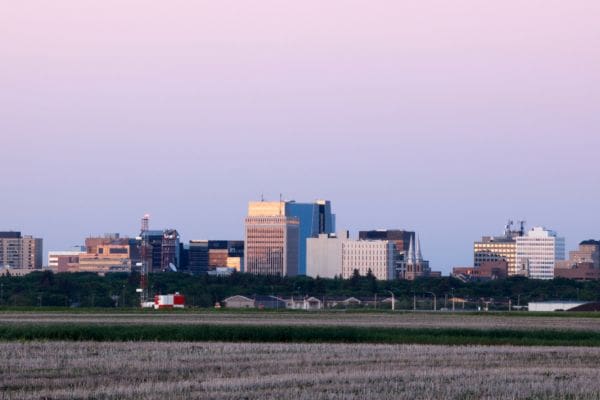
A Prairie Capital Built on Community and Growth
Regina is the provincial capital of Saskatchewan, a commercial hub for Western Canada, and the second-largest city in the province. It is located in the heart of the Canadian prairies on traditional Treaty 4 Territory.
In 2026, living in Regina combines steady jobs in government and natural resources with exciting new tech industries. The city has become a world leader in “ag-tech,” using technology for smart farming, better crop sciences, and large-scale manufacturing. Moving here means you get all the career benefits of a growing business hub, while still enjoying the safe, friendly feel of a close-knit community.
If you are considering settling in Saskatchewan and want to compare both major prairie hubs, you can also explore our complete guide to Living in Saskatoon, Saskatchewan, to see which city fits your goals.
Jobs in Regina, Saskatchewan

What are the top industries for jobs in Regina?
Key Sectors: Agribusiness, Steel Fabrication, Information Technology, Energy & Environment, Finance, and Public Administration.
Top 5 Occupations (2026)
- AgTech & Software Engineers: Designing digital farming solutions, data analytics platforms, and logistics software.
- Skilled Manufacturing & Trade Workers: Driven by major operations like EVRAZ Regina (the largest steel maker in Western Canada) and ag-processing plants.
- Healthcare Professionals: High demand for nursing, specialized clinical roles, and support staff across the Saskatchewan Health Authority network.
- Supply Chain & Logistics Specialists: Regina’s geographical placement makes it a primary distribution and shipping hub for the prairie corridor.
- Finance & Insurance Advisors: Supported by major national and provincial entities headquartered locally, such as Saskatchewan Government Insurance (SGI).
💡 Employment Trends: As of early 2026, Regina’s job market is steady with a low unemployment rate hovering around 5.4%. A stream of professionals are migrating from other provinces, attracted by the city’s high “real income”, where your purchasing power stretches further against local living costs.
Tips for Newcomers Seeking Jobs in Regina
- Use Provincial Job Boards: Monitor the SaskJobs portal alongside private platforms to identify positions across southern Saskatchewan.
- Target the SINP Pathways: The Saskatchewan Immigrant Nominee Program (SINP) is one of the fastest and most helpful ways to move to Canada. In 2026, the program is specifically selecting immigrants with experience in high-demand jobs in healthcare, agriculture, tech, and skilled trades.
- Connect with Local Agencies: Register immediately with the Regina Open Door Society (RODS) or Regina Immigrant Women to access tailored employment-integration networks, interview coaching, and career-bridge programming.
💡 Tip: Read more about how to research your profession in our guide, Canada Job Bank: Your Vital Research Tool.
The 2026 Cost of Living in Regina: Housing & Rent
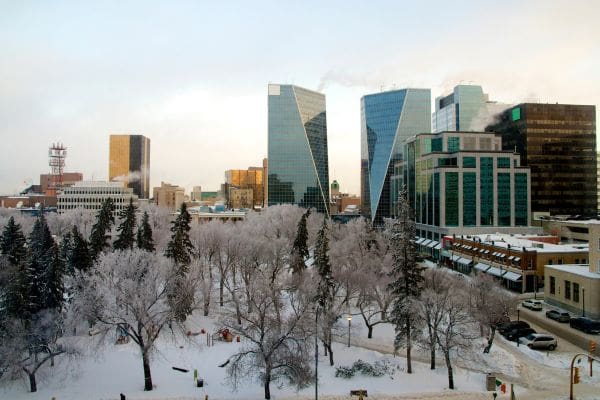
Is housing expensive in Regina?
Regina is one of the premier affordability champions of 2026. While rental prices have risen due to steady international immigration, newcomers can secure more square footage per dollar than in urban centres in Ontario, British Columbia, or neighbouring Alberta.
Regina Rent by Neighbourhood (May 2026)
Renting is often the first step for newcomers. Regina offers safe communities tailored to different family preferences, commuting needs, and budgets. According to the Rentals for Newcomers 2026 market tracking, city-wide rental rates remain balanced but highly competitive.
While the overall city-wide median for a standard apartment unit is around $1,450 per month, prices are higher in newer developments or high-demand suburban pockets. Conversely, searching for older rental units in mature, family-oriented neighbourhoods can offer greater monthly savings.
Here is a look at average rental expectations according to our current 2026 tracking:
| Neighbourhood | Avg. 1-Bedroom Rent | Vibe for Newcomers |
| *Uplands / North End | $1,180 | Budget-Conscious: Quiet, residential pocket offering lower entry rates |
| Downtown / The Core | $1,350 | Urban: Walkable, close to business offices, dining, and transit hubs |
| Albert Park | $1,290 | South Side: Mature trees, excellent shopping centers, highly family-friendly |
| Arcola East | $1,410 | Suburban: Modern master-planned developments, parks, ideal for vehicle owners |
| Lakeview | $1,325 | Historic/Scenic: Adjacent to Wascana Centre, highly walkable, excellent schools |
*Search Rentals for Newcomers for Uplands neighbourhood listings.
💡Ready to begin your housing search? Learn more about how to conduct your rental search as a newcomer.
Tips for Renting in Regina
- Understand the Landscape: Desirable historic areas like The Crescents (within the Cathedral area) are highly sought after; however, ensure you check specific low-lying sections near Wascana Creek, which can occasionally experience spring snowmelt pooling.
- Be Aware of High-Crime Pockets: Local housing agencies advise newcomers to tour and vet rental properties located within the North Central and immediate east downtown Core sectors before signing long-term leases.
- Mandatory Tenant Insurance: Most Regina landlords require proof of renter’s insurance before handing over the keys. To help budget for insurance, get a complimentary renters’ insurance quote.
- Secure Short-Term Housing First: It is much safer to look for a permanent, long-term rental in person once you can tour Regina’s neighbourhoods.
- Use the Rentals for Newcomers search tool to find apartments specifically vetted for new arrivals. Find up-to-date listings and prices!
- Follow our step-by-step Rental Application Guide for Newcomers to Canada to stand out from other applicants and secure your preferred apartment.
💡Renting in Regina Tip: You’ll need tenant insurance to protect your belongings and most landlords require it. Read more about why newcomers need tenant insurance.
Buying a Home in Regina
Moving from renting to buying your own home is a realistic goal in Regina. According to Prepare for Canada’s housing market watch, Regina is one of the most affordable capital cities in Canada to buy real estate. The local housing market is steady and balanced, which gives buyers real power to negotiate a good price.
To put local affordability into perspective, the national average Canadian home price sits at $695,412, while Regina’s record-high benchmark home price is $345,700 as of April 2026.
Here is how the Regina real estate market benchmarks by property type:
| Property Type | Benchmark Price (April 2026) | Market Trend (Year-over-year) |
| Composite (All Housing Types) | $345,700 | Up 4.0% |
| Single-Family Detached Homes | $376,400 | Up 3.9% |
| Townhouses/Row Houses | $248,900 | Up 4.2% |
| Condo Apartments | $196,500 | Up 6.3% |
Tips for newcomers buying a home in Regina
- Connect with local licensed real estate agents to help you navigate Saskatchewan’s purchasing laws and understand how to find, finance, and close on a home.
- Get mortgage pre-approval from your bank to show financial strength when submitting offers.
- Consider budget-friendly neighbourhoods like Dieppe, Coronet, or Glencairn. These areas offer great single-family houses that often sell for much less than the city’s average price.
- Review condo documents to verify the health of the condo corporation’s reserve fund and calculate mandatory condo fees.
Check out more tips for first-time home buyers.
Community Support for Newcomers in Regina, SK, Canada
Regina offers helpful programs to welcome newcomers and support the city’s growing communities.
Many people from different cultural backgrounds already call the city home. South Asian residents make up about 7% of the population, and Filipino residents make up around 6%. There are also growing Black, Chinese, and Southeast Asian communities. This means individuals living in Regina can easily find local support networks, cultural groups, and grocery stores that sell familiar foods from back home.
Key Settlement Services in Regina
| Organization | Best For | Signature Programs & Perks |
| Regina Open Door Society (RODS) | Settlement, employment integration, and language mapping. | Newcomer Employment Services: Tailored job matching and resume support. Language Assessments: Official benchmark testing for LINC classes. |
| Regina Immigrant Women (RIW) | Specialized integration for women, youth programming, and social circles. | Mother-to-Mother Programs: Peer mentoring and community building. Skill Development: Specialized computer and workplace preparation courses. |
| Language Assessment and Referral Centre (LARC) | Centralized testing for official language training pathways. | Language Referrals: Streamlined access to government-funded English training options across the city. |
Banking & Personal Finances in Regina, SK
Managing your personal finances is vital to living in Regina and building a stable life. To simplify your transition, major banks across the city offer dedicated newcomer packages, such as the Scotiabank StartRight™ Program.
Through the program, you can open a Canadian bank account online before you even leave your home country. Once you land in Regina, you can visit a local branch to activate your account, get a newcomer credit card (often without Canadian credit history), and access tailored financial products like savings accounts and specialized newcomer mortgages. Meeting with a personal banking advisor early will help you budget during your initial settlement and plan for long-term goals such as buying a home.
For a complete pre-arrival financial blueprint, explore our complete guide: Canadian Financial Tips Before You Move to Canada.
Driving & Transit in Regina
Driving in Regina is straightforward because the roads are laid out in a simple, clean grid pattern. You will easily get around the city by using a few main, fast highways.
- Ring Road: This is a major highway that loops around the city. It allows you to quickly bypass inner-city traffic when you need to travel between distant neighbourhoods.
- Lewvan Drive: This is the main north-south highway that runs through the center of the city. It is convenient, but it gets busy during morning and evening rush hours.
- Albert Street: This primary north-south road runs through the heart of Regina. It connects the north-end shopping areas to the south end, passing downtown and Wascana Lake.
- The Trans-Canada Highway (Highway 1): This major national highway runs along the southern edge of Regina. You will use it if you are driving east toward Winnipeg or west toward Moose Jaw and Alberta.
- Highway 11: This highway starts at the northwest corner of the city and is the main route you will take if you need to drive to Saskatoon.
- Driver Licensing: Newcomers must visit an authorized Saskatchewan Government Insurance (SGI) motor license issuer to exchange an international or out-of-province driver’s license for a valid Saskatchewan licence.
Getting ready for winter driving means putting good winter tires on your car, which is highly recommended for prairie weather. While Regina is quick to clear snow off the streets, the weather stays cold for a long time. Because of this, you will need to plug in a “block heater” on your car overnight. This small electric heater keeps your engine oil from freezing so your car starts easily in the morning. Read more in our guide, Winter Driving in Canada: 7 Essential Tips for Newcomers
Public Transit
The 2026 Commuter Reality
Regina Transit makes getting around the city without a vehicle simple and practical. It operates a network of 23 bus routes covering major residential, commercial, and post-secondary corridors. Buses run reliably from 5:30 AM until 12:30 AM, though exact schedules vary by route. The system provides an affordable, low-stress alternative for daily commuting.
Air Travel
- Regina International Airport (YQR): Located just 10-15 minutes west of the downtown core, YQR is a highly accessible regional airport. It offers domestic connections via major national and budget carriers, linking Regina directly to major hubs across Canada.
Healthcare & Medical Services
💡 Newcomer Tip: You should apply for provincial medical coverage immediately upon landing in Regina. To find out exactly what documents you need to gather and how to navigate the online eHealth portal, follow our guide on Newcomer Steps to Apply for a Saskatchewan Health Card.
The Saskatchewan Health Authority provides publicly funded, universal medical coverage
The Saskatchewan Health Authority provides publicly funded, universal medical coverage to eligible residents. By presenting a valid Saskatchewan Health Services Card, individuals receive 100% coverage for medically necessary services, including visits to family doctors and specialists, hospital stays, surgeries, and emergency room treatments.
While essential care is free at the point of service, the public plan does not fully cover routine dental work, prescription eyeglasses, or ambulance transfers. Because of these gaps, many people choose to buy private extended health insurance or use employer benefit plans to help cover the costs of medications and extra care.
Provincial Health Insurance: The Saskatchewan Health Services Plan
The Saskatchewan Health Services Plan (SHSP) covers Regina residents for medical services, including visits to family doctors and specialists, as well as most hospital care and surgeries. The system provides peace of mind for people establishing residency in the city.
| Resident Category | Waiting Period | AHCIP Eligibility & Coverage Notes |
| Newcomers (International PRs) | No Waiting Period | Permanent Residents moving directly from outside Canada are eligible for immediate coverage starting on the day of arrival. You must apply for a health card as soon as you settle. |
| Moving from Another Province | Up to 3 Months | Your “old” provincial plan covers you for the first 3 months (usually until the last day of the 2nd month following your arrival). Saskatchewan coverage kicks in on the first day of the third month (e.g., if you move July 10, coverage begins on October 1). |
| Work Permit Holders | No Waiting Period | Eligible for immediate coverage from their arrival date, provided they have a valid work permit and intend to make Saskatchewan their primary home. |
| International Students | Eligible | Eligible for provincial coverage. You must provide a valid Study Permit alongside proof of full-time enrollment at an accredited Saskatchewan post-secondary institution. |
| Canadian Citizens/PRs | No Waiting Period | Coverage is valid as long as you maintain your primary home in the province and physically reside in Saskatchewan for at least 5 months (150 days) in 12 months. |
How to Find a Family Doctor When Living in Regina
- Saskatchewan Health Authority Find a Doctor Registry: Consult the updated clinic directory on the Saskatchewan Health Authority website to view primary care providers currently accepting new patients.
- Walk-in Clinics: Many walk-in medical clinics in Regina provide immediate, non-emergency care without a prior appointment.
- HealthLine (Dial 811): Call 811 to speak to a licensed healthcare professional for 24/7 non-emergency medical advice.
Major Hospitals in Regina
Regina features advanced, specialized healthcare facilities equipped to serve the entire southern half of the province:
| Hospital | Primary Specialty | Key Focus for Newcomers |
| Regina General Hospital | Trauma, Cardiosciences, & Specialized Surgery | A major care center equipped with a comprehensive 24/7 emergency department. |
| Pasqua Hospital | Ophthalmology & Cancer Care | Features a full emergency department and houses the Allan Blair Cancer Centre. |
| Wascana Rehabilitation Centre | Specialized Physical & Functional Rehabilitation | Focuses on long-term recovery, children’s therapies, and specialized functional medicine. |
Schools & Learning: A Guide for Families & Students
Elementary & High School
Saskatchewan provides free, high-quality public education from Kindergarten through Grade 12. Parents can choose between two publicly funded school systems based on their family’s preferences:
Regina Public Schools: The city’s largest school division, which manages 45 elementary schools and 9 high schools.
Regina Catholic Schools: A publicly funded faith-based division operating 25 elementary schools and 4 high schools.
Specialized & Newcomer Support: French Immersion programs are widely accessible. High school students can enroll in specialized Advanced Placement (AP) or International Baccalaureate (IB) programs.
The Newcomer Welcome Centre: Families registering children in the Regina school system for the first time should visit the school board’s dedicated registration center. Staff will assess language proficiency to ensure children receive immediate, customized English as an Additional Language (EAL) support.
Early Childhood: Under the Canada-Wide Early Learning and Child Care Program, Saskatchewan continues to expand $10-a-day licensed childcare spaces and preschool options.
💡 Newcomer Tip: If your child is entering the Canadian system for the first time, you must register through the Welcome Centre (Assessment Centre). The centre will assess your child’s language proficiency to ensure they receive the appropriate support from day one. Read more in our guide, Schooling in Canada | A Look at the Education System.
Post-Secondary Schools
University of Regina (U of R): A comprehensive research institution featuring 10 distinct faculties and 25 academic departments. Globally recognized for its programs in petroleum engineering, social work, journalism, business administration, and computer science. The campus also hosts federated colleges, including Campion College, Luther College, and the First Nations University of Canada.
🎓 Vetted Housing Near the University of Regina (U of R): Are you moving to Regina as an international student, researcher, or campus professional? Finding a rental close to campus saves you time on transit and keeps you connected to university resources.
Browse newcomer-friendly, verified student rentals on our platform:
South-End / Albert Park (Quick Transit): Great for roommates or small families looking for larger apartment complex amenities with direct bus routes to the U of R.
Hillsdale & Whitmore Park (Walking Distance): Ideal for students looking for room rentals, shared accommodations, or basement suites right next to campus.
Saskatchewan Polytechnic (Regina Campus): The province’s primary institution for technical education and skills training. It delivers heavy integration with local industries, offering programs in skilled trades, nursing, business, and advanced industrial technologies.
👉 Search Live University-Area Rentals on Rentals for Newcomers
Pros and Cons of Living in Regina
To help you weigh your options, here is a look at the major upsides and downsides of moving to the city.
| Feature | Pros (The Benefits) | Cons (The Challenges) |
| Money & Jobs | Keep More of Your Money: Lower taxes and cheap housing mean you have more cash left over each month. | Fewer Job Types: Most of the good jobs are tied to farming, government work, or natural resources. |
| Housing | Easy to Buy a Home: This is one of the last big cities in Canada where you can buy a house on just one normal income. | Harder to Find Rentals: Modern rental apartments are popular, so it can be tough to find one in the best areas. |
| Lifestyle | Relaxed Pace: Traffic is light (commutes are rarely longer than 20 minutes) and the neighbourhoods are safe for kids. | Freezing Winters: Winter weather can easily drop below -30°C, so you must prepare for the extreme cold. |
| Nature | Lots of Sunshine: Regina gets more sunny days than any other city in Canada, and nice lakes are close by for the summer. | Far from Mountains: Regina sits on flat land; driving to major mountain destinations (like the Rockies) takes a full day. |
Culture and Day-to-Day Life in Regina, SK

The Heart of the City
People in Regina are proud of their community and have a strong, welcoming spirit. The city has a great arts scene, including the MacKenzie Art Gallery and the Regina Symphony Orchestra (Canada’s oldest continuously running orchestra).
Wascana Centre: Spanning 2,300 acres, this massive urban park surrounds Wascana Lake and is larger than New York’s Central Park. It acts as the city’s green lung, with kilometers of paved trails, playground systems, and the stunning Saskatchewan Legislative Building.
The Saskatchewan Roughriders: Local culture is heavily tied to sports. Regina is home to the Canadian Football League’s Saskatchewan Roughriders, who play out of the state-of-the-art Mosaic Stadium. Game days transform the city into a sea of green, offering newcomers an immediate, electric way to connect with local culture.
Diverse Places of Worship: Reflecting its welcoming multicultural evolution, living in Regina grants access to diverse spiritual communities, including active Christian parishes, the Hindu Temple Regina, and the Sikh Society Regina.
Newcomer Community & Cultural Events
Regina is a welcoming city with a strong community spirit offering cultural programming and support for everyone who moves here.
Multicultural Festivals: Regina hosts multi-ethnic celebrations like Mosaic – A Festival of Cultures every summer. This city-wide event features distinct pavilions showcasing traditional food, music, dance, and crafts from dozens of different cultures. You can also explore local food and music at vibrant neighbourhood street markets and the Regina Folk Festival in Victoria Park, making it easy to see why people choose to discover exciting summer festivals in Canada in 2026.
Indigenous Connection: Newcomers can connect with the deep Indigenous history of the region (Treaty 4 Territory) by visiting the First Nations University of Canada campus for community events or participating in traditional spring and summer Pow Wows held across the city.
Lifestyle Note: Embracing the cold weather is a huge part of successfully settling into your new home! Once you’ve mastered Regina’s local events, expand your bucket list with our complete guide to Winter Festivals in Canada Every Newcomer Will Love.
💡 Moving to Regina soon? Use our step-by-step checklist to track your arrival tasks and ensure a smooth landing.
Final Thoughts: Is Living in Regina Right for You?

If you want to save money, grow your career quickly, and buy your own home, Regina is one of the smartest places to move to in Canada. The winters are very cold, and you will need to buy good winter clothes, but the benefits are worth it. You will keep more of the money you earn, spend less time stuck in traffic, and get plenty of help from the community to settle in quickly.
🏠 Ready to start your housing search? Browse vetted Regina rentals on Rentals for Newcomers today!
Common Questions About Living in Regina
Regina experiences true prairie winters. January temperatures average between -21.6°C and -10.7°C, with deep winter cold snaps occasionally dipping below -30°C or -40°C. However, the city benefits from exceptional sunshine year-round, which keeps winter skies bright blue and crisp. High-quality winter clothing, thermal layers, and proper winter footwear are essential when living in Regina.
Most people living in Regina find owning a vehicle beneficial. Having a car makes grocery shopping, winter commuting, and exploring surrounding regional parks more convenient, particularly if you settle in outer suburban quadrants. However, Regina Transit provides reliable coverage across major commuter corridors and post-secondary campuses.
Yes, living in Regina offers an excellent, safe environment to raise a family. It features highly secure, community-oriented residential developments like Albert Park, Arcola East, and Harbour Landing. These areas offer quiet streets, local schools, and many park spaces. As with any urban center, certain inner-city pockets experience social challenges, but the city’s residential areas remain peaceful and welcoming.
Key Takeaways
- Edmonton is an affordable city in 2026, known for high wages, lower housing costs, and a vibrant festival culture.
- Job opportunities flourish in AI, clean energy, and healthcare, making it a hub for tech and services.
- Housing remains accessible, with average rent for a 1-bedroom unit between $1,250 and $1,350, which is lower than in other major cities.
- The city offers strong support networks for newcomers, including cultural events and employment integration services.
- While winters can be harsh, Edmonton’s ‘Alberta Advantage’ provides a financially stable environment for newcomers.
Planning your move to Canada? Edmonton remains one of the most practical and rewarding choices for newcomers in 2026. As the “Value King” of Canada’s major cities, Edmonton offers a unique blend of high wages, affordable real estate, and a legendary festival culture. If you are researching whether Edmonton is the right fit for your move in 2026, this guide covers housing, jobs, and the unique lifestyle of Canada’s northernmost major city.
Before moving, it’s vital to research:
- Job opportunities: Edmonton is a global leader in AI research and clean energy.
- Housing costs: While rising, Edmonton remains the primary affordability leader for major Canadian cities.
- Cost of living: Budget for housing, groceries, utilities, and transportation.
- The “Alberta Advantage”: Factor in lower taxes (no Provincial Sales Tax) when calculating your take-home pay.
- Culture and daily life: Adapt faster and enjoy your new community.
Doing this research will help you make informed decisions and start your life in Canada on the right foot.
Quick Facts About Living in Edmonton: 2026
| Metric | 2026 Data | Comparison Note |
|---|---|---|
| City Population | ~1.1 Million (City) / 1.5 Million (Metro) | 5th largest metro area in Canada |
| *Avg. 1-Bedroom Rent | $1,250 – $1,350 | -45% lower than Toronto |
| Benchmark Home Price | $465,200 | Highly accessible for first-time buyers |
| Top Industries | Tech, Health & Sustainable Energy | Hub for AI (Amii) and Hydrogen |
| Climate | Humid Continental | The “Sunniest City” in Canada. |
*While this is an average, the market moves fast. You can view live Edmonton rental listings right now at Rentals for Newcomers.
About Edmonton, Alberta
A hub of energy and Northern light.
Edmonton is the provincial capital and the gateway to Canada’s north. Located in western Canada along the North Saskatchewan River, it’s known for open skies, four distinct seasons, and friendly communities. In 2026, the city successfully shifted its focus away from traditional oil and gas. Instead, it has become a major technology hub, often called the “Silicon Valley of the North”, with a strong focus on Artificial Intelligence (AI) and clean energy like green hydrogen.
Jobs in Edmonton, Alberta
What are the top industries for jobs in Edmonton?
Key Sectors: Biotechnology, Artificial Intelligence, Logistics, Healthcare, and Hydrogen Energy.
Top 5 Occupations (2026)
- AI & Software Developers: Driven by the University of Alberta’s tech ecosystem.
- Specialized Healthcare: Support for the massive Royal Alexandra and University hospitals.
- Clean Energy Engineers: Specifically those specializing in Hydrogen and Carbon Capture.
- Logistics & Warehousing: Edmonton is a primary distribution hub for Western Canada.
- Skilled Trades: Heavy demand for commercial and residential construction.
💡 Employment Trends: As of early 2026, Edmonton’s unemployment rate remains stable at 6.2%. The city is seeing a massive influx of tech talent relocating from high-cost coastal cities, drawn by the high “real” income (earnings vs. cost of living).
Tips for Newcomers Seeking Jobs in Edmonton
- Leverage Tech Portals: Use StartUp Edmonton or Alberta Innovates if you are in the tech sector.
- Professional Credentials: Alberta has some of the fastest credential recognition pathways in Canada for trades and healthcare.
Newcomer Support: The Edmonton Mennonite Centre for Newcomers (EMCN) is the flagship agency for employment-focused integration.
💡 Tip: Read more about how to research your profession in our guide, Canada Job Bank: Your Vital Research Tool.
The 2026 Cost of Living in Edmonton: Housing & Rent
Is housing expensive in Edmonton?
Edmonton is the “affordability champion” of 2026. While rent prices have increased due to high inter-provincial migration, you still get much more space for your dollar than in Ontario or British Columbia.
Edmonton continues to hold its ground as a primary affordability champion for families and young professionals. In fact, it is ranked as a top “Rising Star” in our updated look at the best cities in Canada for immigrants due to its unique balance of high average wages and low rent.
Edmonton Rent by Neighbourhood (May 2026)
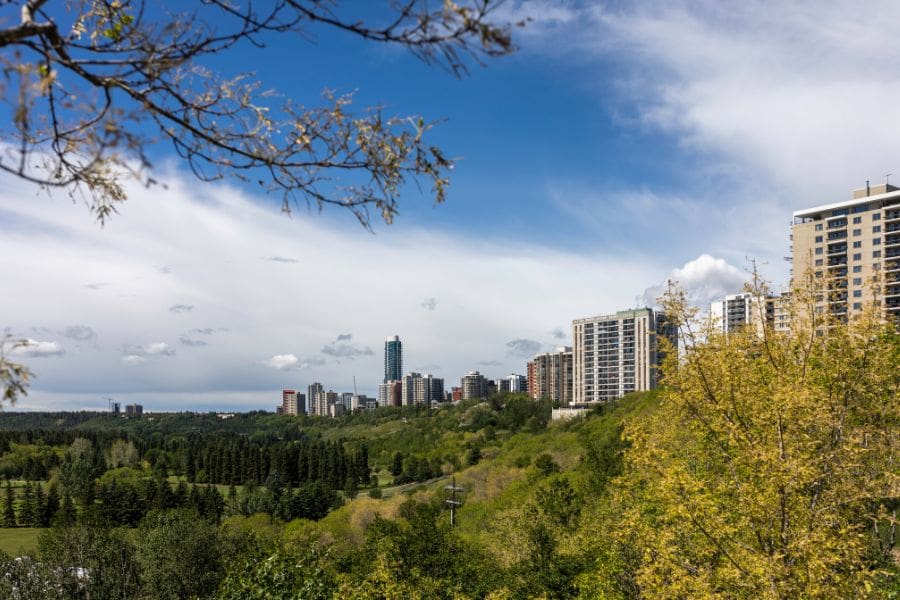
Renting is often the first step for newcomers. You’ll discover a range of unique communities and housing types to suit different budgets. To find a community tailored specifically to your family’s lifestyle, preferences, and transit needs, take a look at our complete breakdown of the Best Edmonton Neighbourhoods for Newcomers.
According to the Rentals for Newcomers 2026 Market Watch, city-wide rental rates reflect highly competitive, balanced conditions. While the overall city-wide average for a standard 1-bedroom unit hovers around $1,250 – $1,350, entering high-demand core districts or brand-new developments commands a premium. Conversely, searching for older walk-up apartments in established, family-centric areas like Mill Woods can offer substantial monthly savings, with prices often dropping closer to $1,150.
Here is a look at average rental expectations according to our current 2026 tracking:
| Neighbourhood | Avg. 1-Bedroom Rent | Vibe for Newcomers |
|---|---|---|
| Oliver / Downtown (View Downtown Edmonton Listings) | $1,550 | Urban: Walkable, near the river valley and nightlife |
| Strathcona (View Strathcona Listings) | $1,625 | Historic/Arty: Near the University of Alberta; trendy |
| Windermere | $1,500 | Suburban: Brand new builds, great for families with cars |
| Mill Woods (View Mill Woods Listings) | $1,325 | Community-focused: Established multicultural hub |
| Griesbach | $1,575 | Master-Planned: Premium community with heritage design, walking trails, and lakes; highly family-friendly |
💡Ready to begin your housing search? Learn more about how to conduct your rental search as a newcomer.
Tips for Renting in Edmonton
- Target New Central Buildings for Perks: In early 2026, Edmonton’s recent apartment construction boom has made the market more renter-friendly. Look for newer buildings in Downtown and Oliver offering incentives like “One Month Free Rent” or “Reduced Move-in Fees.”
- Set a Realistic Budget: While rent prices are seeing growth, they remain more affordable than the national average, especially compared to Ontario and British Columbia.
- Mandatory Renter’s Insurance: Most Edmonton landlords now require proof of renter’s insurance before handing over the keys. To help budget for insurance, get a complimentary renters’ insurance quote.
- Secure Short-Term Housing First: It is much safer to look for a permanent, long-term rental in person once you can tour Edmonton’s neighbourhoods.
- Use the Rentals for Newcomers search tool to find apartments specifically vetted for new arrivals. Find up-to-date listings and prices!
- Follow our step-by-step Rental Application Guide for Newcomers to Canada to stand out from other applicants and secure your preferred apartment.
💡Renting in Edmonton Tip: You’ll need tenant insurance to protect your belongings and most property owners will require it. Read more about why newcomers need tenant insurance.
Buying a Home in Edmonton

If transitioning from renting to owning is your primary financial goal, timing your entry into the local market is key. According to Prepare for Canada’s 2026 Canadian Housing Outlook, Edmonton remains a primary affordability champion among Canada’s major metropolitan areas. Our market evaluation shows a highly active, “balanced” landscape where buyers hold real negotiating leverage.
To put Edmonton’s affordability into perspective, the national average Canadian home price sits at $695,412 as of April 2026. This means buying a home in Edmonton is roughly 31% cheaper than the national average.
Here is how the Greater Edmonton Area benchmarks as of April 2026:
| Property Type | Benchmark Price (April 2026) | Market Trend (Year-over-year) |
| Composite (All Homes) | $478,902 | Up 1.8% |
| Detached Homes | $589,384 | Up 0.6% |
| Semi-Detached (Duplexes) | $423,341 | Down 2.6% |
| Townhouses | $313,193 | Down 0.5% |
| Condo Apartments | $225,842 | Up 3.4% |
Tips for newcomers buying a home in Edmonton
- Connect with local licensed real estate agents to help you navigate Alberta’s purchasing laws and understand how to find, finance, and close on a home.
- Get pre-approved for a mortgage to strengthen your offer.
- Consider budget-friendly neighbourhoods such as Beacon Heights, Clairview, or Mill Woods. These offer single-family homes that often sell below the city average.
- Keep an eye on condo fees and verify the health of the condo corporation’s reserve fund.
Check out more tips for first-time home buyers.
Community Support for Newcomers in Edmonton, AB, Canada
Edmonton has a robust newcomer support network. Built to serve a population with over 26% of residents born outside of Canada. According to demographic data, the city is home to expanding cultural communities. The South Asian population represents the largest visible minority group at roughly 10% of the overall population, followed closely by a thriving Filipino community at approximately 7%. Strong, long-standing Black communities, including vibrant Somali, Nigerian, and Eritrean enclaves, comprise roughly 6% of the city’s fabric, ensuring new arrivals can easily find familiar cultural footprints.
Key Settlement Services in Edmonton
| ORGANIZATION | BEST FOR | SIGNATURE PROGRAMS & PERKS |
| Edmonton Mennonite Centre for Newcomers (EMCN) | Employment integration, language assessments, and career pathing for internationally trained professionals. | WorkLink: Connects newcomers directly with local employers. Language Assessments: Official benchmark testing for English classes. |
| Action for Healthy Communities (AHC) | Community-based support, grass-roots integration, and neighbourhood family settlement. | Community Integration Workshops: Group sessions on Canadian culture. Youth Mentorship Initiatives: Helping newcomer children adjust to local schools. |
| Catholic Social Services (CSS) | Immediate landing needs, provincial healthcare registration, and specialized refugee resettlement. | Welcome Centre for Newcomers: One-stop reception hub. AHCIP Navigation: Guided paperwork assistance for provincial healthcare applications. |
Banking & Personal Finances
Managing your personal finances smoothly is a vital part of settling into life in Edmonton. To make your transition seamless, newcomers can look to programs like the Scotiabank StartRight Program, which is specifically designed for international arrivals.
Through the program, you can open a Canadian bank account online before you even leave your home country. Once you land in Edmonton, you can visit a local downtown branch to activate your account, get a newcomer credit card (often without Canadian credit history), and access tailored financial products like savings accounts and specialized newcomer mortgages. Meeting with a personal banking advisor early will help you budget effectively for Alberta’s utility cycles and plan for long-term goals such as buying a home.
For a complete pre-arrival financial blueprint, explore our comprehensive guide: Canadian Financial Tips Before You Move to Canada.
Driving & Transit in Edmonton
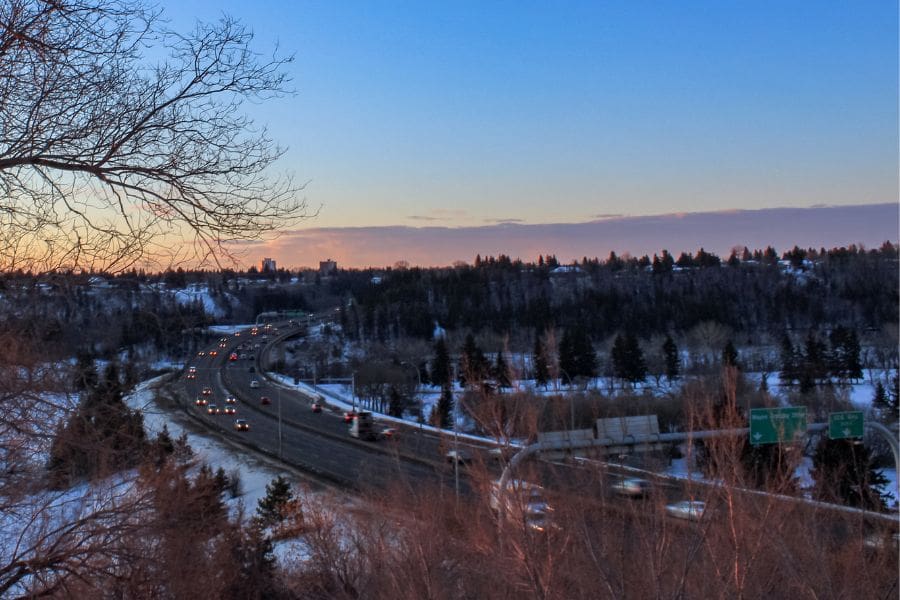
- The Anthony Henday Drive (Highway 216): This is Edmonton’s 80-kilometer ring road that circles the city. It allows you to bypass inner-city traffic entirely when moving between distant quadrants. During peak rush hours (7:30 AM and 4:30 PM), expect heavy congestion on the southwest and west legs of the loop.
- Whitemud Drive and Yellowhead Trail: These are the city’s two major internal east-west expressways. The Yellowhead Trail (Highway 16) cuts through the north side and serves as a major commercial transport route, meaning you will share the road with many large semi-trucks. Whitemud Drive handles commuter traffic across the south side.
- Licensing: Newcomers must visit authorized Alberta Registry Agents to exchange their out-of-province or international license.
- Winter Driving: Mandatory winter tires are highly recommended. The “City of Champions” is famous for its snow clearing, but the -30°C snaps require a “block heater” for your car. Read more in our guide, Winter Driving in Canada: 7 Essential Tips for Newcomers
Public Transit
The 2026 Commuter Reality
Navigating the city without a vehicle is easy, as the Transit System in Edmonton moves you affordably through an interconnected network of buses and light rail lines.
- Valley Line LRT: The new Valley Line train expansion has changed how people travel from the Southeast to Downtown. Because of this new line, it is now much easier to live in Edmonton without owning a car.
Air and Rail Travel
- Edmonton International Airport (YEG): Located about 25-30 minutes south of downtown in Leduc County, YEG is Canada’s fifth-busiest airport and a primary gateway to the North. In 2026, it serves as a major hub for affordable domestic carriers such as WestJet and Flair.
- VIA Rail: Edmonton’s national rail connection is a major stop on VIA’s iconic transcontinental train, The Canadian, connecting Edmonton to Vancouver and Toronto.
Healthcare & Medical Services
The city’s healthcare system is run by a provincial agency called Alberta Health Services (AHS), which partners with Covenant Health (a large Catholic healthcare provider) to manage local facilities.
Provincial Health Insurance: The AHCIP Guide
The Alberta Health Care Insurance Plan (AHCIP) covers Edmonton residents for medical services, including visits to family doctors and specialists, as well as most hospital care and surgeries. The system provides peace of mind for people establishing residency in the city.
| Resident Category | Waiting Period | AHCIP Eligibility & Coverage Notes |
| Newcomers (from Outside Canada) | No Waiting Period | Coverage begins the day you establish residence in Alberta. You must apply within 90 days of arrival to ensure coverage is backdated to your arrival date. |
| Moving from Another Province | 3 Months | Your “old” provincial plan covers you for the first 3 months (usually until the last day of the 2nd month following your arrival). AHCIP begins on the 1st day of the 3rd month. |
| Work Permit Holders | No Waiting Period* | Eligible if the permit is valid for at least 6 months and you intend to reside in Alberta for 12 months. Note: IEC (Type 58) holders now require proof of full-time employment and a 12-month permit. |
| International Students | Eligible | Many students qualify for AHCIP if their study permit is valid for at least 12 months. Students under 18 or on shorter permits may require private UAHIP coverage. |
| Canadian Citizens/PRs | No Waiting Period | Coverage is valid as long as you are physically present in Alberta for at least 183 days in any 12 months. |
🎥 Visual Guide: Applying for Your Alberta Health Card
Landing in a new province means tackling some essential paperwork. To help you organize your documents and successfully submit your application without a hitch, check out this helpful step-by-step video walkthrough on how to apply for your Alberta Health Card at an authorized Registry Agent.
How to Find a Family Doctor When Living in Edmonton
Once you have your AHCIP Card, your next priority is to find a primary care provider.
- Alberta Find a Provider Registry: The official provincial directory tool where you can search for family physicians accepting new patients.
- Walk-in Clinics: Many walk-in clinics throughout Edmonton provide non-emergency medical care without a prior appointment.
- Health Link (Dial 811): A healthcare representative can help you locate an open family practice or a Primary Care Network (PCN) clinic near your neighbourhood.
- Urgent Care Centers: For non-life-threatening issues (such as a broken bone or severe cuts that need stitches), residents can use dedicated urgent care facilities like the East Edmonton Health Centre.
Major Hospitals in Edmonton
Edmonton is a major medical center for Western Canada. Its hospitals provide advanced, specialized care for patients from northern Alberta, British Columbia, and the Territories.
| Hospital | Primary Specialty | Key Focus for Newcomers |
| University of Alberta Hospital | Organ Transplants & Complex Care | One of Canada’s leading academic health sciences centres. |
| Stollery Children’s Hospital | Pediatrics & Neonatal Care | One of Canada’s top children’s hospitals is located on the University of Alberta Hospital complex. Features a 24/7 pediatric emergency department. |
| Royal Alexandra Hospital | Women’s Health, Trauma, & Cardiology | It encompasses the Lois Hole Hospital for Women and the Eye Institute of Alberta, alongside the specialized C.K. Hui Heart Centre. |
Schools & Learning: A Guide for Families & Students
Edmonton has a great mix of schools, from historic neighbourhood elementary schools to top-tier universities. If you are moving to the city with family, your first major step will be choosing between the non-religious public school system and the publicly funded Catholic school system.
Elementary & High School
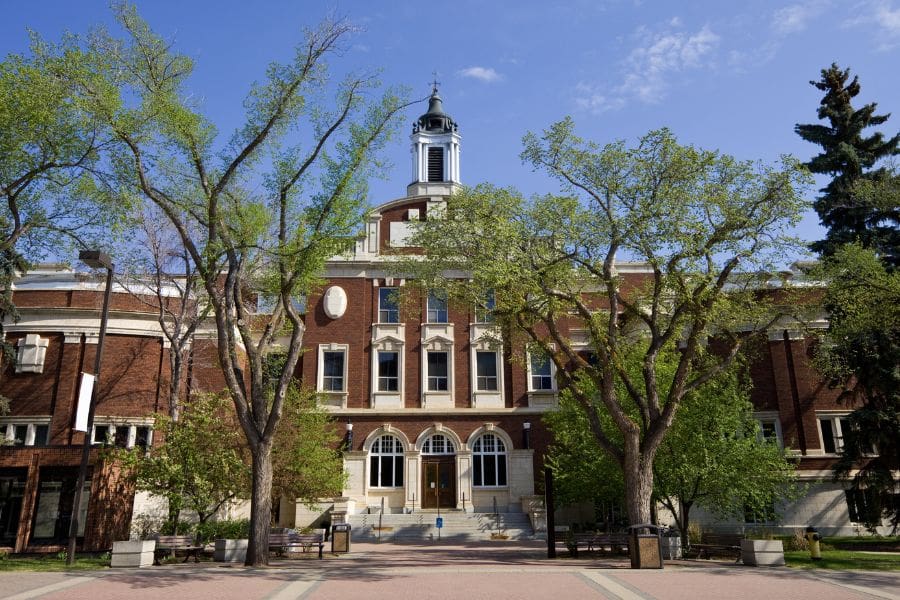
Public School Boards: Kindergarten – Grade 12 education is free for residents. Families can choose Edmonton Public Schools (EPSB), the largest school division in the city or the Edmonton Catholic School Division (ECSD).
Specialized Programs: French Immersion is widely available. High school students can access International Baccalaureate (IB) and Advanced Placement (AP) streams at select locations.
Early Childhood: Under the Canada-Wide Early Learning and Child Care program, Alberta continues to expand $10-a-day licensed childcare spaces and preschool options, including the Catholic board’s popular “100 Voices” pre-kindergarten program, to support working families.
💡 Newcomer Tip: If your child is entering the Canadian system for the first time, you must register through the Welcome Centre (Assessment Centre). The centre will assess your child’s language proficiency to ensure they receive the appropriate support from day one. Read more in our guide, Schooling in Canada | A Look at the Education System.
Post-Secondary Schools
University of Alberta (U of A): A global Top 110 university and a flagship research institution. The U of A is a cornerstone of Edmonton’s economy and is globally recognized for its medicine, engineering, and world-leading computing science programs (particularly in Artificial Intelligence via Amii).
MacEwan University: Located downtown, MacEwan focuses on undergraduate education, offering programs in business, nursing, and the arts within a modern, urban campus.
Northern Alberta Institute of Technology (NAIT): One of Canada’s leading polytechnic institutes. NAIT is the primary engine for advanced technology, business, and skilled trades training in Northern Alberta, with strong connections to local industries and employers.
Pros and Cons of Living in Edmonton
To help you weigh your options, this 2026 Pros and Cons table balances Edmonton’s status as an affordability leader with its northern climate and changing job market.
| Feature | Pros (The Benefits) | Cons (The Challenges) |
| Economy | Higher Take-Home Pay: No PST and lower income tax brackets than most of Canada. | Energy Dependency: While diversifying, the economy still feels the ripples of global oil prices. |
| Housing | The Final Frontier: One of the last major cities where a single income can still buy a home. | Utility Costs: Heating costs in the winter can be high; budget for “Carbon Tax” adjustments. |
| Lifestyle | Festival City: 50+ festivals a year, including the world-class Fringe Festival. | The “Deep Freeze”: January/February can see temperatures hit -35°C for weeks at a time. |
| Nature | The River Valley: 20 times the size of New York’s Central Park. | Distance: Edmonton is isolated; it’s a 3-hour drive to the Rockies (Jasper). |
Culture and Day-to-Day Life in Edmonton, AB
The Soul of the City: Edmonton’s identity is built on DIY culture. From the Art Gallery of Alberta (AGA) to the ICE District (home to the Oilers), there is a gritty, “can-do” spirit.
Newcomer Day: Held annually at City Hall, celebrating the diverse fabric of the city, which is home to one of Canada’s largest Indigenous populations and vibrant Lebanese, Punjabi, and Somali communities.
Shopping: West Edmonton Mall remains a major employer and a winter sanctuary, featuring an indoor waterpark, ice rink, and hundreds of stores.
Outdoor Activities in Edmonton

The River Valley and William Hawrelak Park: The River Valley is 20 times larger than New York’s Central Park and features over 160 kilometers of trails. In the summer, it is a hub for paddleboarding, canoeing, and picnics. In the winter, the parks transform into a wonderland for outdoor ice skating, snowshoeing, and crisp walks under bright blue skies.
The Festival Capital in the Park: Edmonton uses its massive park spaces to host world-famous outdoor events. During winter, Hawrelak Park and Borden Park feature stunning ice sculptures and the Silver Skate Festival, proving that the city’s outdoor lifestyle does not stop when the temperature drops.
Muttart Conservatory: Edmonton’s iconic glass pyramids house thousands of unique plant species from all over the world. Divided into different climates, the conservatory features indoor tropical and desert biomes that provide a perfect, warm escape from the cold Alberta winters.
Newcomer Community & Cultural Events
Edmonton is welcoming with a strong community spirit and offers cultural programming and support for everyone who moves here.
Newcomer Day: The city hosts an annual Newcomer Day at City Hall, and features a citizenship ceremony, a community services fair, and cultural performances. The event officially welcomes those who have recently chosen to call Edmonton their new home and connects them with local resources.
Multicultural Festivals: Edmonton hosts massive celebrations at Hawrelak Park and Borden Park. The Heritage Festival celebrates the city’s multi-ethnic roots every August, showcasing food, dance, and crafts from over 100 different cultures. You can also explore local food and music at vibrant neighbourhood street festivals throughout the summer. Discover exciting summer festivals in Canada in 2026.
Indigenous Connection: Newcomers can connect with the Indigenous history (Treaty 6 Territory) by visiting the Amiskwaciy Academy community events or participating in the annual Edmonton Traditional Pow Wow. These events offer an incredible look at the histories, cultures, and traditions of the First Nations and Métis peoples.
💡Moving to Edmonton soon? Use our step-by-step checklist to track your arrival tasks and ensure a smooth landing.
Final Thoughts: Is Living in Edmonton Right for You?

If your priority is financial stability and space, Edmonton is one of the best choices in Canada for 2026. While the winters require an adjustment, the “Alberta Advantage” of lower taxes and higher wages allows newcomers to build wealth and own a home much faster than in other metropolitan areas.
🏠 Ready to start your housing search? Browse vetted Edmonton rentals on Rentals for Newcomers today!
Common Questions About Living in Edmonton
January can see “deep freezes” of -35°C. Proper winter gear is non-negotiable. But it’s very sunny even in winter.
Most newcomers find a car necessary for grocery shopping and commuting, especially if living in the South or West ends. However, the LRT is expanding.
Like any large city, Edmonton has areas with higher crime rates (typically concentrated in some downtown pockets). Residential areas like Aspen Gardens or Windermere consistently rank among the safest for families.