
Whether you’re preparing to move to Canada or have just arrived, managing your personal finances is vital. Creating a realistic budget is one of the most important personal finance strategies for newcomers. A good approach helps you track spending, reduce financial stress, avoid debt, and build a strong financial foundation in Canada.
Why Managing Your Personal Finances Matters Before AND After You Move to Canada
Moving to Canada comes with many financial surprises—from housing costs to daily expenses. Budgeting helps you:
- Prepare for the true cost of living across Canadian cities
- Plan for housing, transportation, food, childcare, and other essentials
- Avoid overspending in your first few months
- Build your Canadian credit history from day one.
- Prepare for short- and long-term goals.
Toronto and Vancouver, Canada’s most popular cities for newcomers, are major job hubs; however, housing costs are the highest. If you dream of homeownership, you’ll likely be able to buy a larger home in a suburb or smaller city.
Even if you haven’t started working yet, a budget improves your confidence and helps you stretch your savings while you settle.

Understanding Housing Costs: What Newcomers Should Expect
Housing is often the highest expense for newcomers. Canada Mortgage and Housing Corporation (CMHC) defines “affordable” housing as when shelter costs are less than 30% of the household’s before-tax (gross) income.
For example, a family earning $60,000/year should ideally have monthly shelter costs under $1,500.
Calculation:
- 30% of $60,000 = $18,000
- $18,000/12 months = $1,500/month.
This definition ensures that households have income left over for other essentials such as food, transportation, and savings, especially important when arriving in a new country.
Before you move, research typical salaries for your profession. Tools like the Canada Job Bank help newcomers explore wage ranges and regional differences so you can budget realistically. Read more: Canada Job Bank | Your Vital Research Tool.
6 Essential Personal Finance Steps for Newcomers to Canada
Follow these six practical steps to estimate expenses, prioritize essentials, build credit, and adjust your budget to live comfortably in Canada.

Step 1: Estimate Your Major Expenses Before You Move
Start by researching typical costs for rent, utilities, groceries, transportation, and insurance. Knowing your expected expenses helps you plan a realistic budget even before you arrive in Canada.
Use these typical monthly cost ranges to prepare your pre-arrival budget:
| EXPENSE | TYPICAL RANGE/MONTH | TIPS FOR NEWCOMERS |
|---|---|---|
| Rent (1-bedroom) | $1,200 – $2,500 | Use trusted websites like Rentals for Newcomers. |
| Utilities (electricity, heating, internet) | $50 – $150 | Confirm what’s included in rent. |
| Mobile phone | $15 – $150 | Buy a SIM card or a temporary plan to connect immediately. |
| Food & groceries | $400 – $800 | Plan meals; cooking at home saves money. |
| Public transit | $70 – $150 | Check city transit pass costs. |
| Insurance (health + renters) | $25 – $200 | Consider short-term private travel medical health insurance. |
| Personal care & entertainment | $50 – $200 | Focus on essentials until settled. |
👉 Tip: Costs vary depending on city and lifestyle. Toronto and Vancouver are job hubs, but have higher housing prices; smaller cities offer more affordable rent.
Step 2: Set Up Your Budget Once You Arrive
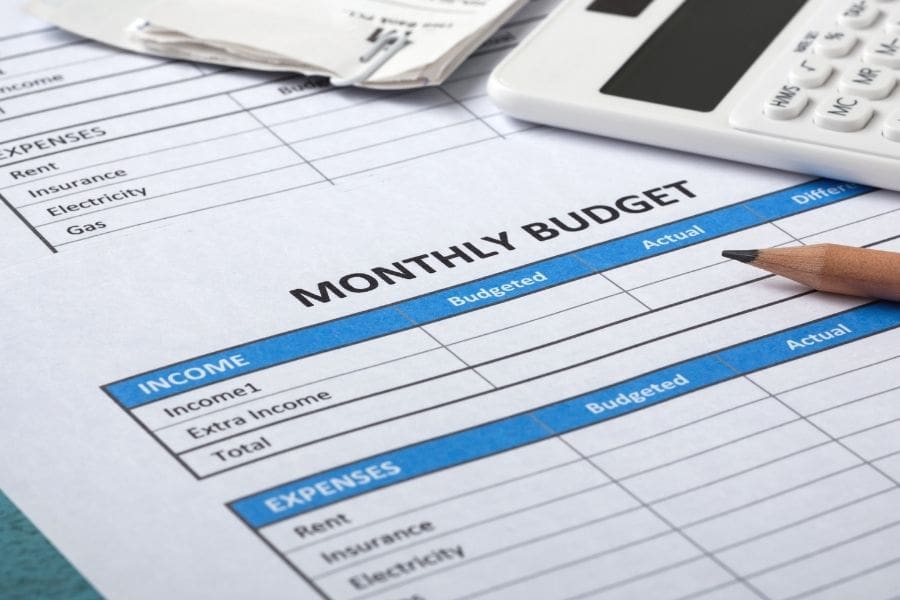
Once you’re in Canada, keep a record of all of your expenses and update your budget with real numbers. Track your spending to identify where your money goes and adjust your budget:
- Actual rent and utilities
- Transportation method (transit, rideshare, car)
- Groceries
- Recurring monthly fees (subscriptions, phone, insurance)
- Compare your actual expenses against your pre-arrival budget.
This step helps you avoid surprises during your first few months in Canada.
Step 3: Prioritize Essential Expenses to Strengthen Your Personal Finances
Focus first on housing, food, transportation, and insurance. Ensuring you cover these basics will reduce financial stress and keep you within your budget.
Housing & utilities
Your highest monthly expense. Compare neighbourhoods and consider renting slightly outside the city centre for affordability.
Food & groceries
Cooking at home is often more cost-effective than eating out.
Transportation
Public transit is cost-effective in most cities.
Insurance
Protect yourself with renters’ insurance and provincial or private health coverage.
👉 If you are a student, worker, or visiting family member, travel medical health insurance is essential until provincial health coverage begins.
Limit discretionary spending (eating out, shopping, entertainment) until your essentials are stable.
Maintain a financial buffer for unexpected expenses. More money = less stress!
Step 4: Build Your Canadian Credit History Early
Managing a budget responsibly helps you establish and maintain good credit. Timely payments and low debt are crucial for applying for credit cards, loans, or even renting an apartment in Canada.
Your budget keeps you on track so you can:
- Pay bills on time
- Qualify for a Canadian credit card
- Keep debt low
- Build a strong credit score for future goals (buying a home, renting, or getting a loan).
Read: How to use Your International Credit History in Canada.
Step 5: Use Newcomer-Friendly Resources
Use trusted tools and guides like Rentals for Newcomers, banking guides, and credit-building tips to make budgeting easier and more effective:
- Rentals for Newcomers: Compare rental costs and find housing that meets your needs.
- Banking guides for newcomers: Choose the right bank account to manage your money and lower fees.
- Credit card guides: Learn how to build credit responsibly from day one.
💡 Pre-arrival tip: Open a Canadian bank account before you arrive if possible. Some banks allow online account setup for newcomers.
Step 6: Review and Adjust Your Personal Finances Regularly
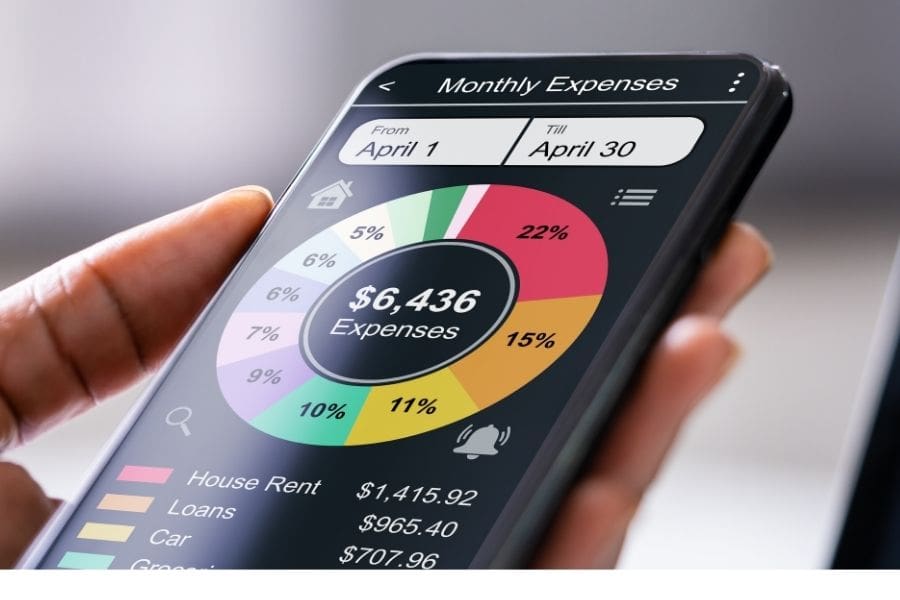
Costs and needs change as you settle in. Your budget will evolve as your life in Canada changes. Review it monthly to:
- Use a budget planner and money-tracker apps to track spending
- Identify areas to cut
- Save for long-term goals like education or homeownership
- Plan for emergencies and unexpected costs.
FAQs
Most newcomers spend between $2,000 and $4,000 per month depending on the city, housing choices, and lifestyle. Rent is often the highest cost. Read more: How Much Money Will I Need to Move to Canada?
Include rent, utilities, groceries, transit, phone plans, health insurance, and settlement costs like deposits, winter clothing, and short-term accommodation.
Canada can feel expensive, especially in Toronto or Vancouver. Planning a budget early helps you manage costs and avoid financial stress.
Use public transit, cook at home, choose budget-friendly phone plans, and compare rentals using trusted platforms like Rentals for Newcomers.
A budget helps you manage settlement costs, avoid debt, build credit, and prepare for long-term goals like buying a home or continuing your education.

Key Takeaway
Whether you’re planning your move or have just arrived, creating a budget is essential for financial stability in Canada. With the right planning and tools, you can establish a solid financial foundation and experience a seamless transition to life in Canada.