Join the ScotiabankStartRight® Program designed for Newcomers‡ and get up to $2,300* in value in the first year.
Renting a Basement Apartment in Canada: Pros, Cons, and Legal Rules (2026 Guide)
Last Updated: September 2026
Written By
Corinna Frattini
•
Sep 9, 2026
•
Arrival
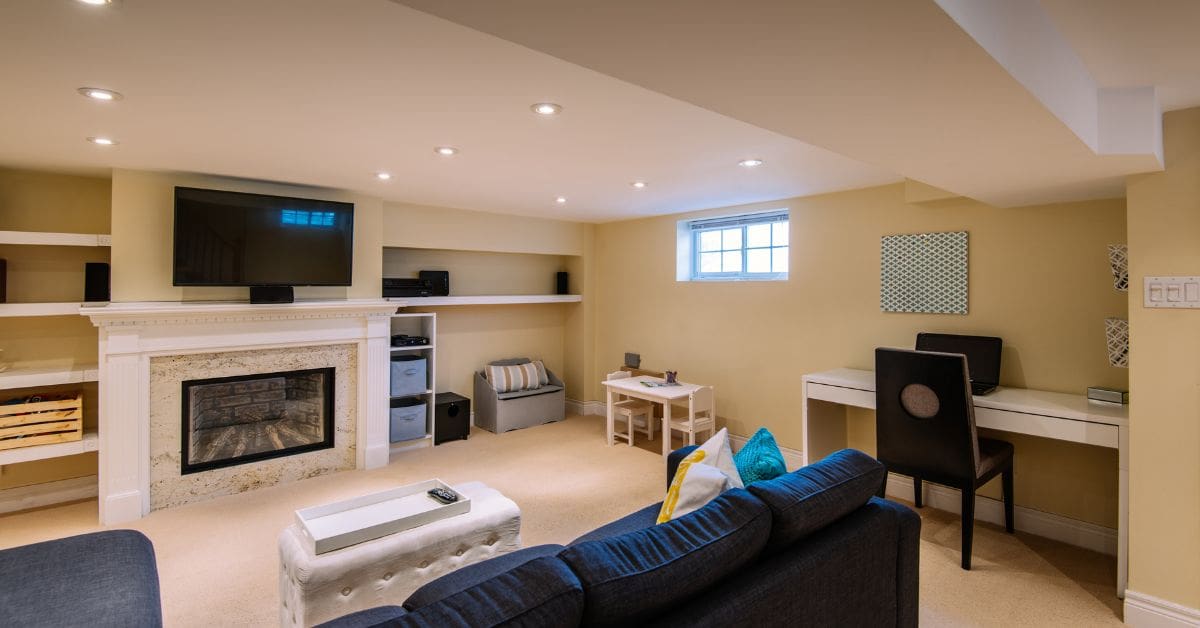
For many newcomers, renting a basement apartment in Canada is one of the most accessible and affordable ways to secure initial housing. As you explore rental options in major cities like Toronto, Vancouver, Calgary, or Ottawa, you will quickly notice that secondary basement suites make up a large share of the housing market. However, many first-time renters shy away from this option due to common misconceptions, imagining dark, damp, or cramped quarters. In reality, modern basement units are often bright, fully renovated, and offer exceptional value for individuals and small families starting their journey.
📌What You Need to Know
Average Cost Savings: Basement rentals in Canada generally cost 15% to 30% less than above-ground condos, and many landlords include heating, hydro, and water in the flat monthly rent.
Legal Safety Standards: A legal basement unit must feature proper egress exit windows in bedrooms, a minimum ceiling height of 6’11” (2.1 meters), installed smoke/carbon monoxide detectors, and two separate exit paths.
Layout Variations:Walkout units feature full-sized sliding glass doors and maximum daylight, while walkup units sit mostly underground with higher-set windows.
Newcomer Flexibility: Private basement landlords are often more open to working with newcomers who lack an established Canadian credit score by accepting job offers or proof of savings.
Long-Term Planning: Renting an affordable basement unit for your first 1–3 years allows you to save aggressively for a down payment while building your Canadian credit history.
Why Renting a Basement Apartment in Canada Is Popular Among Newcomers
When renting a basement apartment in Canada, you typically get a self-contained residential unit below the main level of a single-family house or townhouse. These units generally include one or two bedrooms, a full bathroom, a dedicated kitchen, a living area, essential appliances (fridge, stove, and often laundry), and a private entrance.
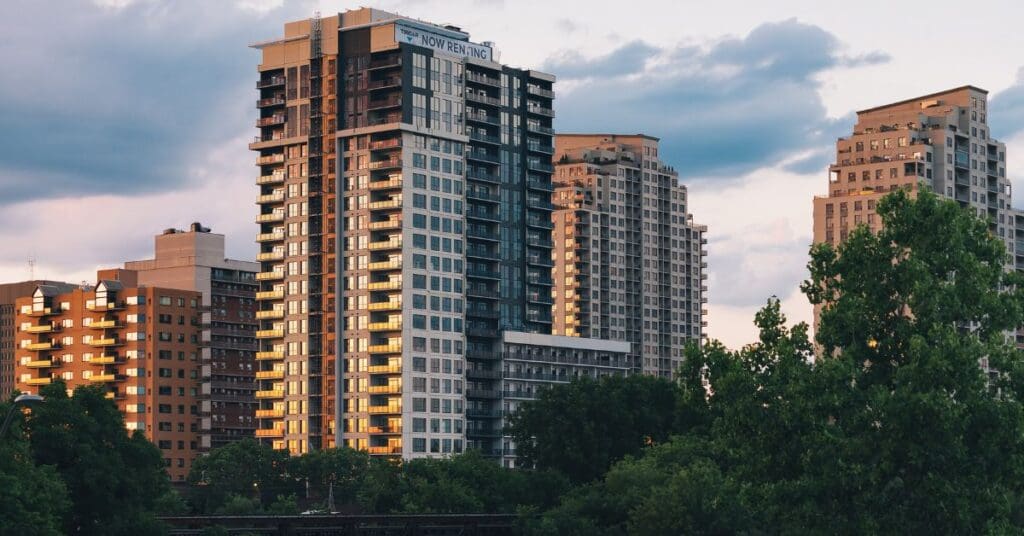
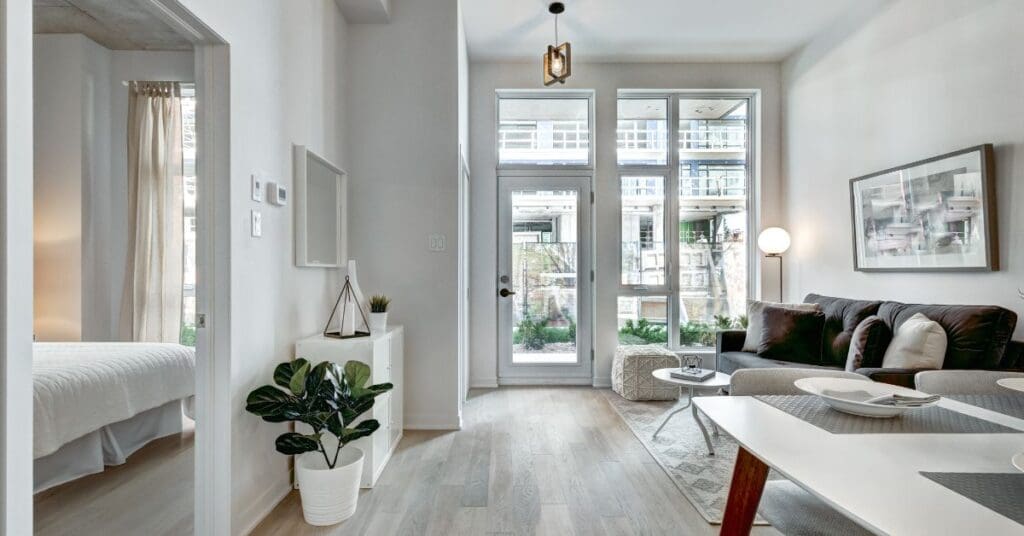
Because homeowners convert secondary suites to offset mortgage costs, basement units are typically lower priced than standard multi-story condos or detached homes. To see how basements compare to other options like condos or townhouses, read our complete overview on What are the Types of Housing in Canada?
Pros and Cons of Renting a Basement Apartment in Canada
Before signing a lease, weigh the pros and cons to decide if basement living suits your family’s lifestyle and budget.
Pros (Advantages)
Cons (Disadvantages)
Cost Affordability: Monthly rent is typically 15% to 30% lower than above-ground condo rentals in similar locations.
Reduced Natural Light: Fully underground units rely heavily on artificial lighting because of smaller windows.
Utilities Included: Many basement landlords include heating, hydro (electricity), and water in a flat monthly rent rate.
Overhead Noise: Noise from the occupants on the main floor can transfer through ceilings.
Desirable Neighbourhoods: Renting a secondary suite lets you live in quiet, family-friendly suburban residential areas close to top schools.
Lack of Shared Amenities: Unlike commercial condo buildings, basement units lack access to a gym, concierges, or swimming pools.
Flexible Landlords: Private homeowners are often more open to working with newcomers who don’t have an established Canadian credit history.
Moisture & Flood Risk: Lower levels are more vulnerable to seasonal humidity, cold air settling, or heavy spring rainfall.
While choosing a basement suite is already a great strategy to lower your initial living costs, there are many ways to stretch your housing budget. Check out our practical guide, How to Save Money on Rent in Canada: 10 Tips for Newcomers, to learn how to negotiate rates and avoid overpaying.
Legal Rules & Tenant Safety Checklist
Municipal building codes across Canadian provinces require basement rentals to meet strict safety standards to operate as legal secondary suites. Before you pay a deposit, verify safety features.
Key Legal & Safety Requirements
Egress Windows: Bedrooms must have at least one large, easy-to-open window that you can exit in an emergency.
Two Exits: Safe units should feature a dedicated exterior entrance or clear pathways to two separate exit doors.
Fire & Smoke Protection: Smoke detectors and carbon monoxide (CO) alarms are on the ceiling inside bedrooms and near cooking areas. Ensure all hardwired smoke detectors installed in the unit carry official certification marks, such as the CSA Mark for North America.
Minimum Ceiling Heights: Building regulations in most provinces require basement ceiling heights to measure at least 6 feet 11 inches (2.1 meters) in living areas.
Electrical Compliance: Circuit panels should not feature exposed wiring or overloaded extension connections.
Heading to an apartment viewing? Don’t miss hidden red flags. Download our free Rental Viewing Checklist.
Essential Tips for Newcomer Renters
1. Secure Tenant Insurance
Tenant insurance is strongly recommended when renting a basement apartment. Because plumbing pipes and appliances sit overhead, the risk of water damage from upper levels is higher. A standard tenant insurance policy protects your personal property, clothing, and electronics against water damage, fire, or theft and covers temporary relocation accommodation costs if repairs are needed.
2. Ask Landlords the Right Questions During Viewings
Before submitting a rental application, clarify key details with the property owner:
Are hydro, gas, water, and internet included in the monthly rent figure, or split proportionally?
Who controls the central thermostat setting during winter heating and summer air conditioning periods?
Are laundry facilities private to your unit or shared with upstairs occupants?
What are the parking arrangements during winter snow clearing periods?
Once you find a basement unit that meets your safety and budget needs, you will need to submit a strong application package, especially if you don’t have a Canadian credit history. Discover how to prepare a ‘Financial Credibility Package’ in our guide on Rental Application Tips for Newcomers to Get Approved.
💡 Need Help Preparing Your Rental Application?
Once you find the right unit, stand out to landlords, even without a Canadian credit history. Download our Rental Application Guide specifically for newcomers.
Planning for the Future: Renting vs. Homeownership
I Want to Buy a Home Eventually, Why Should I Rent First?
Many newcomers arrive in Canada with the long-term goal of purchasing a home within their first 3 to 5 years. While building home equity is a primary financial milestone, renting an affordable basement apartment during your first few years offers advantages:
Build Canadian Credit & Savings: With lower baseline rent, you can save aggressively for a down payment while building the Canadian credit history that mortgage lenders require.
Explore Neighbourhoods Without Risk: No amount of online city research compares to living in a community. Renting gives you flexibility to experience different cities, transit hubs, and school districts before making a long-term commitment.
Job Flexibility: Career opportunities in Canada can evolve rapidly during your first few years. Renting makes relocating for a higher-paying job or career advancement much easier and less expensive.
Are basement apartments cold during Canadian winters?
Basement apartments can feel cooler because they sit below ground, but legal secondary suites must have proper heating systems that maintain at least 20°C (68°F) throughout winter under municipal building bylaws.
Can I rent a basement apartment without a Canadian credit score?
Yes. Many private basement landlords are more flexible than large corporate condo buildings. Newcomers can offer proof of employment/funds, savings statements, or a guarantor in place of a Canadian credit history. Learn how to rent a home in Canada without a credit score.
Are utilities usually included in basement rental prices?
In many cases, yes. Landlords frequently include utilities (water, gas, heat, electricity) in the total rent or split them proportionally (e.g., 30% to 40% paid by the basement tenant).
How can I tell if a basement apartment is legal in Canada?
A legal basement apartment must meet local building codes by featuring egress exit windows in bedrooms, minimum 6’11” ceiling heights, installed smoke/carbon monoxide detectors, and a dedicated exit path. You can also verify secondary suite registration directly with your municipal city hall.
WRITTEN BY
Corinna Frattini
Senior Editor and Content Writer, Prepare for Canada
Corinna researches and writes content to help newcomers make informed decisions about housing, employment, banking, and aspects of settling in Canada. With a background in human resources and leadership development, her articles focus on how newcomers can continue their careers in Canada. Her writing combines research, practical guidance, and clear language to support newcomers on their journey.