
Looking to lower your living costs in Ontario? Exploring Barrie neighbourhoods is a good place to start. Located 80 km north of Toronto, this community of over 167,000 residents is a popular destination for new arrivals. Average 1-bedroom rents range from $1,750 to $1,900, making it much more affordable than Toronto while offering reliable transit to the Greater Toronto Area.
📌What You Need to Know
- Save on Rent: Choose Barrie over Toronto to access lower housing costs and more space.
- Prepare Early: Gather rental application documents, consider shared housing, and use verified platforms to avoid rental scams.
- Select the Right Area: Focus on Painswick for commuting, Holly for family life, or the East End for student housing.
- Budget Accordingly: Plan for monthly prices ranging from $1,500 for entry-level units to $2,800+ for premium homes.
- Enjoy the Lifestyle: Access strong community networks, scenic parks, and nearby outdoor recreation.
Average Rent Comparison: Barrie vs. Toronto (1-Bedroom)
| LOCATION | AVERAGE RENT (1-BEDROOM) |
|---|---|
| *Canadian National Average | $2,035 |
| Toronto | $2,221 |
| Barrie | $2,103 |
*Data source: Urbanation Canadian Rental Market Report (September 2026 Release/August 2026 Data)
🧮 Newcomer Tip: Spending more than 30%–35% of your income on housing can strain your monthly budget. Check if Barrie rent fits your budget with the Prepare for Canada Rent Affordability Calculator.
Key Takeaways for Newcomers:
- Lower Than Toronto Core: Renting a 1-bedroom apartment in Barrie saves newcomers approximately $120 per month compared to Toronto’s core ($2,221 vs. $2,103).
- Close to the National Average: Barrie’s asking rent is close to the national average ($2,035/month across all property types).
- High Demand Along GO Lines: Strong interest from GTA commuters has kept 1-bedroom apartments near Barrie’s GO Train stations in high demand throughout 2026.
Before You Rent in Barrie: Affordability & Rental Tips
Finding the right neighbourhood is only part of the rental journey. As a newcomer, understanding how the Canadian rental application process works will help you secure housing easily:
- Lower Your Costs with Secondary Suites: If you are looking to save money, basement suites or shared rooms in established areas offer some of the most budget-friendly rental options in Barrie.
- Consider Short-Term Housing First: If you need flexibility when you arrive, short-term rentals or home-sharing let you explore different areas before signing a long-term lease. Read our guide on how to find short-term rentals in Canada to secure temporary housing for your first weeks.
- Avoid Rental Scams: Use verified platforms like Rentals for Newcomers to search for housing. Never transfer money before viewing a property in person or through a verified virtual tour, and always sign a standard Ontario lease.
- Prepare Rental Documents Early: Barrie landlords typically ask for photo ID, proof of income or employment letters, credit reports, and personal references. Have these documents ready to help your application stand out.
📄 Newcomer Rental Application Guide
Ready to apply? Learn what documents Canadian landlords expect and how to present a winning application as a newcomer. Download the Free Rental Application Guide:

Barrie Neighbourhoods and Rentals Costs at a Glance
Choosing neighbourhoods like the East End or Painswick can save newcomers hundreds of dollars each month. You still get easy access to Highway 400 and direct GO Transit trains to Toronto. Here is a comparison of average rental costs and neighbourhood features in Barrie:
| NEIGHBOURHOOD/AREA | 1-BEDROOM AVG. | 2-BEDROOM AVG. | NOTES |
| Canadian National Average* | ~$2,035 | ~$2,420 | Baseline benchmark across Canada (Rentals.ca National Rent Report) |
| East End | $1,500 – $1,850 | $1,900 – $2,300 | Most affordable; student & healthcare hub (Georgian College & RVH); secondary & basement suites. View East End Listings ↗ |
| City Centre (Downtown) | $1,750 – $2,050 | $2,100 – $2,400 | High-density urban living; highly walkable; Kempenfelt Bay views; close to Allandale Waterfront GO. View City Centre Listings ↗ |
| Allandale | $1,850 – $2,150 | $2,200 – $2,500 | Historic charm mixed with modern condos; direct access to Allandale Waterfront GO Station for Greater Toronto Area (GTA) commuters. View Allandale Listings ↗ |
| Painswick | $1,750 – $1,950 | $2,150 – $2,500 | Rapidly growing south-end hub; Barrie South GO Station corridor; extensive retail on Big Bay Point Rd. View Painswick Listings ↗ |
| Ardagh | $1,850 – $2,150 | $2,200 – $2,550 | West-end nature hub; adjacent to Ardagh Bluffs trails; mix of modern condos and quiet subdivisions. View Ardagh Listings ↗ |
| Holly | $1,900 – $2,250 | $2,300 – $2,700 | Suburban family favorite; top-rated schools; close to Hwy 400 & Holly Recreation Centre. View Holly Listings ↗ |
| Sunnidale | $1,500 – $1,800 | $1,950 – $2,300 | Mature tree canopy near Sunnidale Park; detached homes and ground-level secondary basement suites. View Sunnidale Listings ↗ |
| Bayshore | $1,800 – $2,100 | $2,200 – $2,500 | Quiet south-end community near lakefront parks; single-family rental homes and quiet streets. View All Barrie Listings ↗ |
| Innis Shore | $2,000 – $2,400 | $2,400 – $2,850 | Spacious south-east end living; scenic waterfront proximity near Wilkin’s Beach; newer home developments. View Innis Shore Listings ↗ |
*Data source: Urbanation Canadian Rental Market Analysis (September 2026)
Which Barrie Neighbourhoods Are Best for Newcomers?
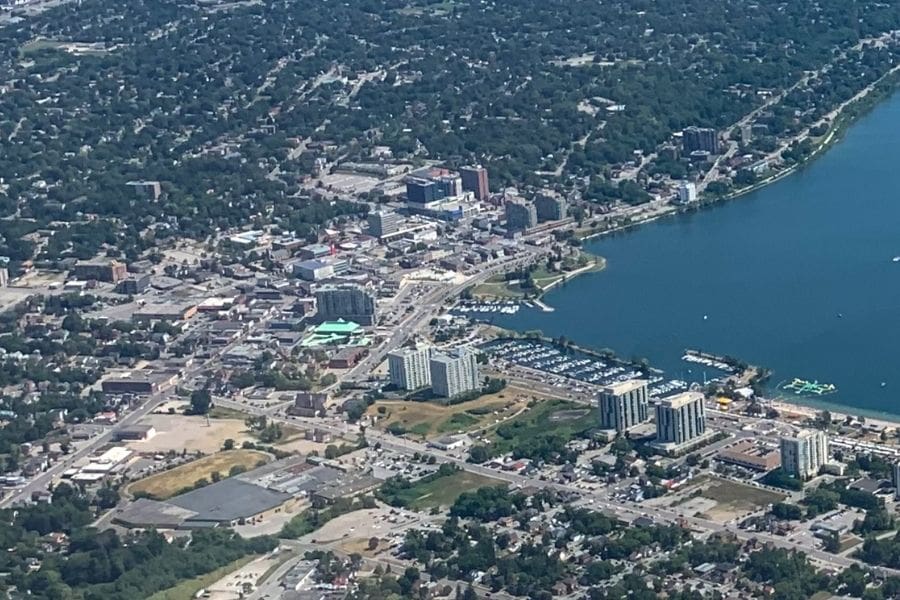
The best Barrie neighbourhoods for newcomers offer a mix of affordable rent, nearby stores, and convenient transit. Your ideal choice depends on your lifestyle and priorities, such as commuting, family parks, or living near the lake. Here are top areas to explore.
1. East End
- Best for: Georgian College students, healthcare workers, and budget-conscious renters
- Transit: Direct bus connections to Georgian College campus and downtown terminals
- Vibe: Historic, student-friendly, and community-focused
- Why Newcomers Like It: Affordable shared rooms and secondary suites, plus proximity to college facilities.
The East End is an established neighbourhood in Barrie. It is the city’s main hub for students and healthcare workers, home to Georgian College and Royal Victoria Regional Health Centre (RVH). The area features quiet, tree-lined streets and older brick houses. It offers Barrie’s most affordable rental options, including shared student rooms, basement apartments, and family homes.
2. City Centre
- Best for: Young professionals, singles, international students, and car-free renters
- Transit: Central Barrie Transit bus terminal; walking distance to Allandale Waterfront GO
- Vibe: Urban, active, and scenic
- Why Newcomers Like It: High walkability to shops and dining, access to waterfront parks, and car-free convenience.
City Centre is downtown Barrie, overlooking Kempenfelt Bay. The area offers high-rise apartments and condos near jobs, restaurants, and shops. You can easily walk to most places, so you do not need a car. Living here helps newcomers save money on transportation while staying close to the waterfront and the GO Train.
🔗 Search City Centre Rentals ↗
3. Allandale
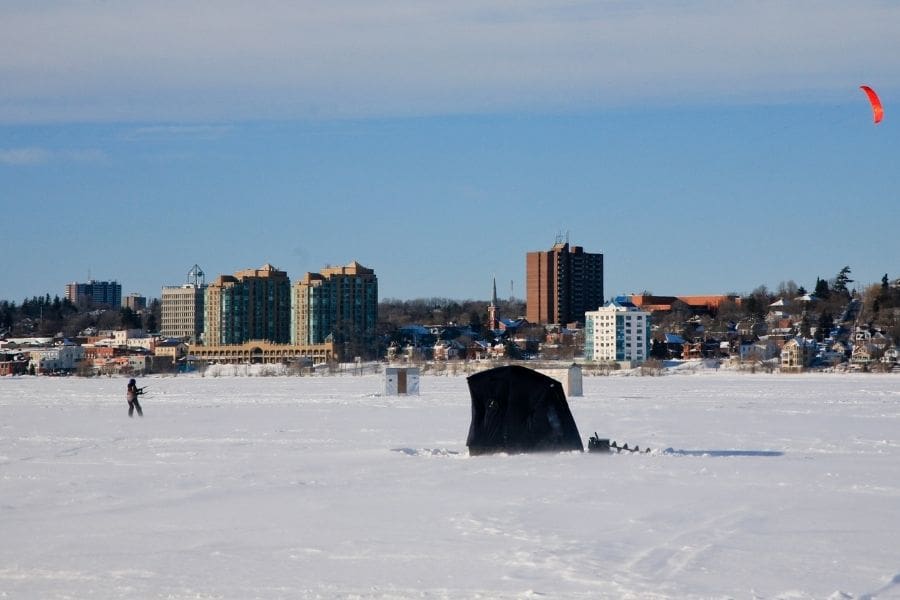
- Best for: GTA commuters, character home lovers, and waterfront renters
- Transit: Direct train service from Allandale Waterfront GO Station; quick Highway 400 access
- Vibe: Historic, charming, and highly connected
- Why Newcomers Like It: Direct train access to downtown Toronto, historic charm, and scenic waterfront parks.
Allandale is a quiet, historic neighbourhood on Kempenfelt Bay. It offers classic homes, green streets, and beautiful lake views. The Allandale Waterfront GO Station sits right in the neighbourhood. Commuters can easily travel to Toronto while enjoying a peaceful lakeside lifestyle.
4. Painswick
- Best for: Commuters, young families, and renters seeking suburban convenience
- Transit: Direct GO Train service from Barrie South GO Station; quick access to Highway 400
- Vibe: Suburban, active, and family-friendly
- Why Newcomers Like It: Direct commute into downtown Toronto, multiple local schools, and shopping plazas.
Painswick is a popular south Barrie neighbourhood for families and working adults. Living near the Barrie South GO Station makes it easy to commute to Toronto by train or highway. The area has newer housing, local parks, a public library, and nearby grocery stores and shops along Big Bay Point Road. This makes it a convenient and practical choice for newcomers.
5. Ardagh
- Best for: Outdoor enthusiasts, active individuals, and low-maintenance condo renters
- Transit: Bus links to downtown terminals and GO train stations; convenient highway corridors
- Vibe: Active, scenic, and suburban
- Why Newcomers Like It: Direct access to over 17 km of trails at the Ardagh Bluffs and affordable modern condo options.
Ardagh is a west-end neighbourhood located right next to the Ardagh Bluffs Natural Area. It is ideal for outdoor enthusiasts who want trails right outside their door. Renters can choose between newer condos and single-family houses. These homes offer modern features and low-maintenance living at practical prices.
6. Holly
- Best for: Growing families and renters looking for quiet residential suburban streets
- Transit: Barrie Transit bus routes connecting to downtown hubs; quick highway access
- Vibe: Family-focused, modern, and quiet
- Why Newcomers Like It: Top-rated public schools, modern home layouts, and family-friendly community amenities.
Holly is a popular neighbourhood in southwest Barrie. It is well known for its friendly community. The area features spacious townhomes and larger family houses. These homes are great for bigger or extended families moving to Canada. Residents live close to local parks, the Holly Recreation Centre, and major highways.
7. Sunnidale

- Best for: Families seeking established communities, quiet surroundings, and large yards
- Transit: Barrie Transit routes to Allandale Waterfront GO; fast access to Highway 400
- Vibe: Peaceful, residential, and tree-lined
- Why Newcomers Like It: Mature tree canopy, expansive parkland at Sunnidale Park, and a stable, quiet residential feel.
Sunnidale is a quiet neighbourhood in north Barrie with large yards and mature trees. The neighbourhood offers hiking trails, sports fields, and a scenic arboretum. Because the neighbourhood is mostly single-family houses, renters usually look for secondary suites and basement apartments.
8. Bayshore
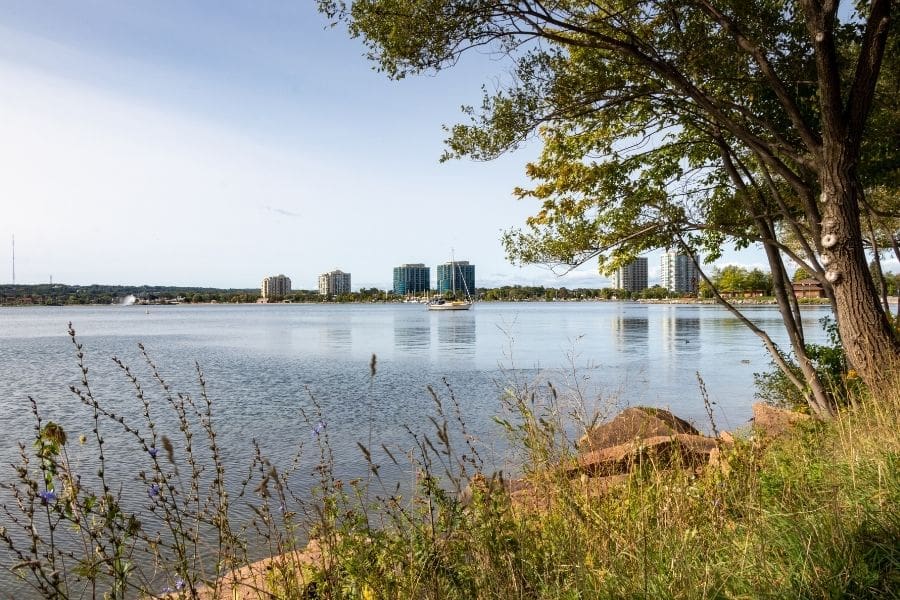
- Best for: Renters wanting a quiet, residential setting close to waterfront parks
- Transit: Direct bus routes along main corridors; reasonable highway connections
- Vibe: Calm, residential, and scenic
- Why Newcomers Like It: Low-traffic streets, quiet neighbourhood parks, and quick access to Kempenfelt Bay.
Bayshore is a quiet south Barrie neighbourhood with single-family homes. The area sits near local shopping plazas and lakefront parks. It offers a calm, family-friendly setting with a short drive from downtown Barrie.
9. Innis Shore
- Best for: Nature lovers, families, and renters seeking waterfront access
- Transit: Bus connections to central hubs; short drive to Barrie South GO Station
- Vibe: Scenic, spacious, and community-oriented
- Why Newcomers Like It: Proximity to Kempenfelt Bay beaches, scenic walking trails, and modern school facilities.
Innis Shore is located in southeast Barrie along Kempenfelt Bay. It is one of the most scenic areas in the city. Residents can easily visit Wilkin’s Beach and enjoy local walking trails. The Barrie South GO Station is just a 10- to 15-minute drive away. This neighbourhood is a great choice for active families who love nature.
🔗 Search Innis Shore Rentals ↗
📋 Apartment Viewing Checklist for Newcomers
Heading out to view rentals in Barrie? Take our free checklist to identify issues and ask landlords the right questions.

FAQs about Renting in Barrie
Newcomers can find high-rise apartments and condos in City Centre and Allandale, basement suites and room rentals in the East End, and single-family rental homes or townhouses in suburban areas like Holly, Painswick, and Innis Shore. Read more about types of housing in Canada.
Yes. Rental prices in Barrie are lower than in Toronto. This allows newcomers to get larger living spaces for less monthly rent.
Yes. Both Allandale Waterfront GO and Barrie South GO stations have direct train service to Toronto’s Union Station. From Union Station, you can easily connect to the subway, streetcars, and buses across Toronto using the Toronto TTC Public Transportation System.
If you’re settling in a central or well-served neighbourhood (City Centre, Allandale, Painswick near GO), transit is reasonably good for commuting and daily errands. You may need a car if you live in newer or more peripheral suburbs.
Barrie offers a great mix of affordable living, local jobs, and outdoor activities. It is a growing city near the Greater Toronto Area (GTA) with a strong economy. Newcomers love the scenic waterfront, outdoor trails, and diverse rental options. Read our Living in Barrie guide to learn more about jobs, culture, and daily life.
Family-friendly neighbourhoods include Painswick, Innis Shore, Holly, and Sunnidale. They feature top schools, community parks, and spacious homes.
Final Thoughts on Renting in Barrie Neighbourhoods
Barrie offers a range of rental options for newcomers landing in Ontario. Whether you need the student-friendly room rentals of the East End, the commuter convenience of Painswick and Allandale, or the family spaces of Holly and Innis Shore, Barrie provides a supportive community connected to the Greater Toronto Area.
👉 Still searching for the right rental in Barrie? Find verified listings and connect with trusted landlords on Rentals for Newcomers Barrie Listings!
Yes, you can rent in Canada without credit history, but you will need to prepare a stronger application package.
Many permanent residents and international students ask the same question: “Can I rent in Canada without a credit history?” Whether you are looking for no-credit-check apartments or navigating Canadian lease requirements, this guide covers proven actions, documents, and newcomer-friendly rental resources to find a home.
Without a Canadian credit score, securing your first home can feel nearly impossible; a reality that most new arrivals face when they land.
📌 What You Need to Know
- Prepare a strong application package: Landlords often request credit reports, but you can provide proof of funds, income, and legal status instead.
- Use newcomer-friendly strategies such as temporary accommodations, local guarantors, and newcomer-friendly platforms to secure housing.
- Calculate upfront costs, including deposits and tenant insurance, to prepare for renting in Canada.
- Build a Canadian credit score quickly to expand your future rental choices and financial opportunities.
Why Credit History Matters to Canadian Landlords
Most Canadian property managers and landlords request a credit report to verify that potential tenants pay their debts on time. If you recently arrived in Canada, your international credit does not automatically transfer. While this lack of local credit history can feel like a major barrier, it isn’t a dealbreaker if you provide alternative proof of financial stability.
Estimated Upfront Costs When Renting in Canada
Before you start your housing search, budget for initial moving costs. Amounts vary by province and city, but this table identifies what you need when signing a lease:
| Expense Category | Estimated Upfront Cost (1-Bed Example) | Legal Limits & Notes |
| First Month’s Rent | $1,600 – $2,700 | Due when you sign the lease agreement. |
| Last Month / Security Deposit | $800 – $2,700 | Restricted by provincial deposit laws (e.g., max 1 month in Ontario/Alberta, 0.5 month in British Columbia). |
| Tenant Insurance | $20 – $40 / month | Landlords often require insurance before handing over the key. |
| Moving & Utility Setup | $300 – $800 | Includes activating internet, utility connection fees, and local transport. |
| Total Estimated Initial Outlay | $2,720 – $6,240 | Total funds needed before move-in day. |
7 Proven Strategies to Rent in Canada Without Credit
1. Book Temporary or Short-Term Accommodation
Short-term rentals help bridge the gap while you build credit. Securing short-term housing gives you time to set up a Canadian bank account, get your Social Insurance Number (SIN), and view long-term rental properties in person. Bonus: Some offer free Wi-Fi and breakfast to help cut costs.
Search for and book short-term rentals ↗
Open a Canadian Bank Account: Set up banking before you land in Canada. When you arrive, bring your passport and landing documents to a local branch to activate your account. You can get a balance statement right away and start applying for apartments without waiting on wire transfers.
2. Prepare a “Newcomer Rental Application Package”
Without a credit score, you must prove your financial stability using alternative documents. Landlords typically look for these items:
[ ] Proof of Funds: Bank statements (Canadian or international) showing enough savings to cover 3-6 months of rent and living expenses.
[ ] Proof of Income: A Canadian job offer letter or employment contract specifying your salary.
[ ] Reference Letters: Character references from employers, personal contacts in Canada, or previous overseas landlords translated into English or French.
[ ] Proof of Legal Status: Confirmation of Permanent Residence (COPR), Permanent Residence Card, Work Permit, or Study Permit.
Having these documents ready shows landlords you are organized and serious. To learn how to present yourself and your documents effectively, check out our top Rental Application Tips for Newcomers in Canada to Get Approved.
💡 Want a step-by-step document checklist and landlord email templates?
Download our free Rental Application Guide & Apartment Viewing Checklist to ensure your application package stands out to landlords:
3. Use a Local Guarantor or Co-Signer
A guarantor is a Canadian resident (usually a relative or close friend) with a strong credit history and stable income who agrees to sign the lease with you. If you miss a rent payment, the guarantor becomes legally responsible. This gives landlords peace of mind when approving applicants with thin credit.
4. Search Newcomer-Friendly Listing Platforms
If you want to rent in Canada without credit, start your housing search on specialized rental portals like Rentals for Newcomers Listings. Here you’ll find property managers, landlords, and real estate agents who actively welcome new immigrants and international students. These platforms feature listings from landlords who understand that you are building your credit from scratch and are open to alternative financial documents.
If you expand your search to general online classified sites or public marketplaces, be careful. Broad marketplace listings can expose you to fraudulent listings or strict corporate property management firms with non-negotiable credit policies. Review our guide, How Can Newcomers Avoid Rental Scams? 10 Smart Tips.

5. Understand Deposit Laws & Voluntary Upfront Offers
While Canadian laws limit deposits, you can offer to pay the landlord more rent upfront to help your application stand out.
- Ontario & Quebec: Landlords can only legally require the first and last month’s rent as a deposit.
- Alberta, Manitoba, Prince Edward Island: Maximum equivalent to one month’s rent as a security deposit.
- British Columbia & Nova Scotia: Maximum of half a month’s rent.
- Newfoundland & Labrador: Up to ¾ of a month’s rent.
NOTE: You are not legally required to pay more than the province’s deposit limit. However, voluntarily offering to pay an extra month upfront or showing pre-paid funds can help overcome a lack of credit history.
6. Consider a Home-Share or Shared Accommodation
Joining an existing household or sharing a home is a practical and cost-effective way to secure housing without a Canadian credit check. Home-sharing lowers barriers because you aren’t renting an entire property. Splitting housing costs is just one way to keep your living expenses manageable. Explore our guide, How to Save Money on Rent in Canada: 10 Tips for Newcomers, for more tips to stretch your housing budget.
- Cost Savings: Splitting rent and utilities with roommates or living with a host family can cut your monthly housing costs by 30% to 50%, giving you financial breathing room as you settle in.
- Simpler Requirements: Primary leaseholders and home hosts are usually more flexible than corporate landlords and often accept proof of income or savings in place of a domestic credit history.
- Built-in Support & Connections: Beyond the financial savings, home-sharing offers immediate social connections, helping you navigate your new city and build a local network faster.
7. Look Outside Competitive City Cores
Major cities such as Toronto and Vancouver often have more demand and more competition for rentals. Expanding your search to suburban areas or mid-sized cities yields fewer applicants per listing, making landlords more open to renting to applicants without a Canadian credit history.
For example, if you are moving to British Columbia, exploring neighboring suburban hubs like Surrey can offer more rental availability and lower monthly costs while keeping you connected to Vancouver by transit. Check out our full guide, Living in Surrey, BC: A Guide for Newcomers. Make sure that the suburbs you are exploring offer convenient public transit access and are close to your school or workplace.
City Spotlight: How to Rent in Major Cities
Here are some of the common rental activities and legal rules when you rent in Canada’s primary destination cities:
| Region / City | Featured & Recommended Platforms | Key Legal Limits & Deposit Rules | Market Characteristics |
| Toronto & Greater Toronto Area (GTA) | • Rentals for Newcomers ↳ View Toronto Rentals ↗ • MLS (via licensed agents) • Classified marketplaces | • First and last month’s rent is the only legal deposit allowed under Ontario’s RTA. • Security or damage deposits are illegal. | • Fast-paced condo market. • Agents handle many listings (free for tenants; paid by landlords). |
| Vancouver & Lower Mainland | • Rentals for Newcomers ↳ View Vancouver Rentals ↗ • REALTOR.ca / Zumper • Local rental portals | • Security deposits are legally capped at a maximum of half a month’s rent (plus optional half-month pet deposit). | • Highly competitive market. • Landlords strongly prioritize verified income and reference checks. |
| Calgary & Edmonton | • Rentals for Newcomers ↳View Calgary Rentals ↗ ↳ View Edmonton Rentals ↗ • RentFaster.ca • Classified marketplaces | • Maximum security deposit is capped at one month’s rent. | • More flexible private landlord market. • High availability of basement suites, townhouses, and detached homes |
Common Reasons Newcomer Applications Get Rejected
Avoid these common missteps that can stall your housing search:
- Incomplete Document Packages: Sending partial applications or promising to send missing documents later. Landlords in fast markets move on to complete files immediately.
- Unverifiable Income: Providing job offer letters without salary details, company letterhead, or contact information to verify income.
- Slow Response Times: Delaying responses to landlord inquiries or viewing requests by more than a few hours.
- Inconsistent File Information: Discrepancies between names, dates, or financial figures across your ID, bank statements, and offer letter.
- Unaddressed Pets: Failing to disclose pets upfront in buildings or condominiums with strict bylaws.
Understanding Canadian Credit Scores

A Canadian credit score is a three-digit number ranging from 300–900. It shows how reliably you borrow and repay money.
Landlords check your credit to assess financial reliability; building your score early also makes it easier to secure cell phone plans, car leases, and favorable loan rates down the road.
Canadian Credit Score Ranges and Ratings
| Credit Score Range | Rating (Equifax Standard) |
| 760 – 900 | Excellent |
| 725 – 759 | Very Good |
| 660 – 724 | Good |
| 560 – 659 | Fair |
| 300 – 559 | Poor |
“In Canada, a score of 660 or higher is generally considered acceptable for most credit checks, including rental applications.” Equifax Canada.
How to Build Credit Fast as a Newcomer
You can start building your Canadian credit as soon as you land:
- Open a Newcomer Banking Package: Canadian banks offer newcomer packages with a starter credit card; no Canadian credit history needed. Read our advice on getting a credit card in Canada and avoiding common mistakes.
- Get a Secured Credit Card: If you don’t qualify for an unsecured card, deposit collateral (e.g., $500) to secure a card and use it for daily purchases.
- Use Rent-Reporting Services: Look into services (like Chexy or TenantPay) that report your on-time monthly rent payments directly to Equifax or TransUnion.
- Set Up a Postpaid Cell Phone Plan: Mobile carriers often report your monthly bill payment history to Canadian credit bureaus.
- Keep Utilization Below 30%: Keep your credit card balance well below your total limit and pay the balance in full every month.
For a step-by-step breakdown on starting from scratch, read our guide, How to Build Credit in Canada from Zero: A Newcomer Guide.
Learn How to Check and Track Your Canadian Credit Score
FAQs about How to Rent in Canada Without Credit
Yes. Private landlords renting basement suites, secondary units, or individual rooms frequently skip formal credit checks if you supply strong proof of income, proof of funds, or character references.
Additional documents can demonstrate your financial reliability. These may include proof of income or a job offer, recent bank statements showing savings, and valid identification and immigration documents.
Most newcomers become “scorable” by Equifax or TransUnion within 3 to 6 months after opening and actively using their first Canadian credit account.
Canadian credit bureaus don’t track your foreign credit history. However, showing landlords an official copy of your overseas credit score or a bank reference letter can still help prove you’re a responsible tenant.
Start Your Canadian Housing Search Today

While lack of credit history can feel like a major hurdle, thousands of new arrivals rent in Canada without credit every month. By preparing a complete application package and targeting newcomer-friendly properties, you can secure a great home faster and with confidence.
👉 Ready to search? Browse Verified Listings on Rentals for Newcomers to connect with landlords who understand the newcomer experience.
Thinking about where to live when moving to Surrey, B.C., Canada? You’re not alone. Finding the best neighbourhoods in Surrey that offer a welcoming and diverse entry point to life in the Lower Mainland is vital. This fast-growing city, located 23 km from downtown Vancouver, is a popular destination for newcomers, offering vibrant communities, job opportunities, expanding public transit, and a lower cost of living.
Whether you’re moving with family, arriving as an international student, or continuing your career in Canada, choosing the best neighbourhood for you and your family can help you feel at home faster. Whether you want city vibes, quiet, or family-friendly parks, this guide covers the best neighbourhoods in Surrey for newcomers, with tips on rent, transit, and housing availability.
Deciding Where to Live in Surrey, BC as a Newcomer
Living in Surrey offers a range of affordable rental options, culturally rich neighbourhoods, growing transit, and community services.
According to Statistics Canada, Surrey is home to one of Canada’s most diverse populations, with 41% of new immigrants identifying as South Asian, and a total population nearing 600,000.
Average Rent Comparison: Living in Surrey vs. Vancouver
| LOCATION | AVERAGE RENT (1-BEDROOM)* |
|---|---|
| Canadian National Average* | $2,180 |
| Vancouver | $2,650 |
| Surrey | $1,980 |
*Data source: Rentals.ca National Rent Report (2026)
Key Takeaway: Newcomers can save more than $600 to $670 per month on rent by choosing the best areas to live in Surrey, BC, rather than Vancouver, while staying well-connected to the Metro Vancouver urban core.
To learn more about regional options and city comparisons, check out our related guides:
What to Expect When Moving to Surrey, BC
- More Affordable Rent: Surrey offers lower rental rates across high-rise apartments, townhomes, and ground-level secondary suites.
- Culturally Rich Community: Strong newcomer support networks, settlement organizations (such as MOSAIC, S.U.C.C.E.S.S., and DIVERSEcity) and cultural hubs make living in Surrey smooth for new arrivals.
- Expanding Rapid Transit: Direct SkyTrain connections to downtown Vancouver via the Expo Line, plus active construction on the Surrey-Langley SkyTrain extension.
- Seven Vibrant Town Centres: Self-contained urban hubs featuring schools, parks, healthcare, and community centres.
- Family-Friendly & Student-Ready: Home to top-ranked public schools and post-secondary satellite campuses.
🧮 Budget Check: Calculate Your Surrey Housing Budget
Not sure how much rent you can afford based on your starting Canadian income? Use our free Rent Affordability Calculator to factor in B.C. income taxes before signing a lease.
📋 Free Tools for Newcomer Renters
Navigating the housing market can feel overwhelming. Use our free resources to protect yourself and stand out to landlords:
Rental Application Guide
Rental Viewing Checklist
Download our apartment viewing checklist and spot potential red flags during in-person or virtual tours.
Surrey Neighbourhood Map and Guide (2026 Estimates)
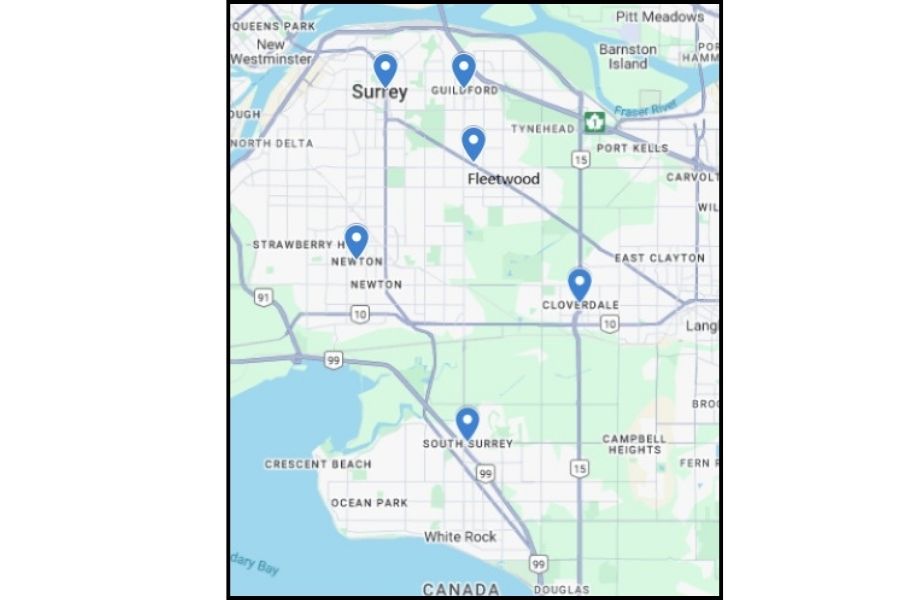
Choosing town centres like Newton or Whalley can save newcomers hundreds of dollars each month while maintaining easy transit access across Metro Vancouver. Here is a comparison of average costs and primary highlights across top areas:
| NEIGHBOURHOOD/AREA | 1-BEDROOM AVG. | 2-BEDROOM AVG. | NOTES |
| Canadian National Average* | ~$1,850 | ~$2,200 | Baseline benchmark across Canada |
| Newton | $1,850 – $2,250 | $2,400 – $2,750 | Most affordable; South Asian cultural hub; ground-level suites. View Newton Listings ↗ |
| Whalley / City Centre | $1,950 – $2,350 | $2,500 – $2,850 | High-density; Expo Line SkyTrain (35-40 min to downtown Vancouver); Simon Fraser University and Kwantlen Polytechnic University campuses. View Whalley Listings ↗ |
| Guildford | $1,950 – $2,350 | $2,500 – $2,850 | Major retail hub (Guildford Town Centre); quick transit links to SkyTrain & Hwy 1. View Guildford Listings ↗ |
| Fleetwood | $2,200 – $2,450 | $2,700 – $3,100 | Family-friendly; safe; Bear Creek Park; key corridor on future SkyTrain extension. View Fleetwood Listings ↗ |
| Cloverdale & Clayton | $2,250 – $2,550 | $2,750 – $3,150 | Mix of historic charm and modern developments; secondary & carriage suites. View Cloverdale Listings ↗ |
| South Surrey | $2,350 – $2,850 | $3,100 – $3,600 | Upscale, coastal lifestyle near Crescent Beach & White Rock; top schools. View South Surrey Listings ↗ |
Exploring the Best Areas to Live in Surrey, BC
When considering where to live in Surrey, BC, here is a breakdown of the top newcomer-friendly neighbourhoods with details about lifestyle, transit access, and local amenities.
1. Newton

- Best for: Budget-focused newcomers, South Asian newcomers, newcomers seeking cultural familiarity
- Transit: Newton Exchange bus terminal; future Bus Rapid Transit (BRT) service along King George Blvd
- Vibe: Diverse, energetic, community-oriented
- Why Newcomers Like It: Highly affordable rent, strong cultural connections, and local settlement support.
Newton is recognized as one of the cheapest neighbourhoods in Surrey, BC, offering some of the most competitive housing rates in Metro Vancouver. It is a major hub for South Asian culture, featuring specialized grocery stores, community centres, places of worship, and the Newton Wave Pool. The area provides a wide selection of ground-level basement suites and multi-bedroom options for larger families.
🔗 Browse Newton Apartments & Basement Suites ↗
2. Whalley / Surrey City Centre

- Best for: International students, young professionals, newcomers without a car
- Transit: Surrey Central, King George, and Gateway SkyTrain stations (Expo Line)
- Vibe: Urban, fast-paced, and highly walkable
- Why newcomers like it: Walkable lifestyle, easy SkyTrain access, close to employment and post-secondary institutions.
Whalley is the downtown of Surrey and the civic and business core. With access to Simon Fraser University’s Surrey campus, Kwantlen Polytechnic University, Surrey City Hall, and Central City Shopping Centre, it’s ideal for students and newcomers who rely on public transit. Holland Park provides green space amidst modern high-rise rentals and basement suites. For step-by-step navigation tips, read our guide on How Newcomers Can Get Around Vancouver Using Public Transit.
🔗 Search Whalley & Surrey City Centre Rental Listings ↗
3. Guildford
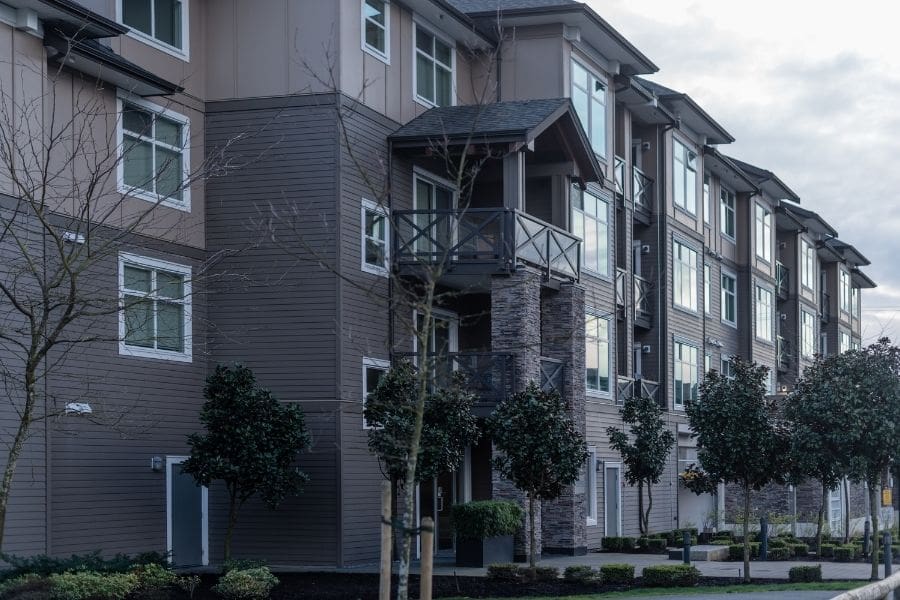
- Best for: Budget-conscious renters, students, families
- Transit: Bus routes and access to the SkyTrain via nearby stations
- Vibe: Active, commercial, accessible
- Why newcomers like it: Close to shopping, job opportunities, and budget-friendly rentals.
Guildford offers an optimal balance of affordability and convenience. It’s anchored by Guildford Town Centre, one of British Columbia’s largest malls. It features low-rise apartments, condos, townhomes, and multi-family rentals. There are nearby schools and services, and Tynehead Regional Park offers nature trails.
🔗 Explore Guildford Rental Properties ↗
4. Fleetwood (Best Places to Live in Surrey for Families)
- Best for: Families, couples, commuters
- Transit: TransLink bus network; direct access to future Surrey-Langley SkyTrain stations
- Vibe: Quiet, residential, with many parks
- Why newcomers like it: Safe, suburban vibe with family-friendly events and good transit links.
Fleetwood consistently ranks among the best places to live in Surrey for families. It is a safe residential neighbourhood surrounded by natural green space, including Bear Creek Park. It offers well-rated elementary and secondary school options, making it a top pick for newcomers who are moving to Surrey. The ongoing Surrey-Langley SkyTrain extension along Fraser Highway will add new rapid transit stations in Fleetwood, shortening future commutes to Vancouver.
5. Cloverdale & Clayton Heights
- Best for: Families, community-focused renters, those seeking secondary suites
- Transit: Bus connections; future SkyTrain access coming to Fraser Highway
- Vibe: Historic, family-friendly, rapidly growing
- Why Newcomers Like It: Strong community feel, modern housing developments, and family-friendly amenities.
Cloverdale is another top option when looking for the best places to live in Surrey for families, combining historic small-town charm with modern suburban growth in neighbouring Clayton Heights. Famous for community events like the Cloverdale Rodeo, the area offers newer housing stock, carriage homes, and ground-level secondary suites. The 16 km Surrey-Langley SkyTrain expansion will introduce a dedicated station in Cloverdale, enhancing overall transit accessibility.
6. South Surrey
- Best for: Families, established professionals, nature lovers
- Transit: Express bus service to Metro Vancouver hubs; driving preferred
- Vibe: Coastal, upscale, laid-back
- Why Newcomers Like It: Safe, quiet environment, top-tier schools, and coastal recreation.
South Surrey provides a coastal, suburban lifestyle near Crescent Beach, White Rock, and Blackie Spit Park. Recognized as one of the best areas to live in Surrey, BC, the neighbourhood features top-ranked public and private schools, low crime rates, and peaceful residential streets. Located near the U.S. border crossings (Peace Arch and Pacific Highway), it is ideal for families seeking a higher-density suburban layout.
How to Avoid Rental Scams When Renting in Surrey
With high demand for housing across Metro Vancouver, online rental scams often target newcomers and international students. Follow these essential safety rules during your home search:
- Verify Landlords and Property Ownership: Cross-reference the property address and images using Google Maps or reverse image search. Be cautious of “middlemen” claiming to represent out-of-town owners.
- Never Send Deposits Before Inspecting: According to the Canadian Anti-Fraud Centre (CAFC), requesting upfront e-Transfers or wire payments before a viewing is the #1 red flag of rental fraud. Inspect the unit in person or through a verified live video tour before sending deposit money.
- Sign a Standard BC Tenancy Agreement: Avoid verbal or “handshake” agreements. Ensure you receive a signed copy of a standard lease under the British Columbia Residential Tenancy Act (RTA) that lists the landlord’s full legal name and contact details.
- Use Verified Newcomer Housing Portals: Skip unverified classified sites like Craigslist or Facebook Marketplace where scam listings are common. Use trusted platforms like Rentals for Newcomers that screen listings and verify property owners.
💡 Need More Protection? Read our full guide on 10 Smart Tips for Newcomers to Avoid Rental Scams in Canada to spot warning signs and protect your deposit.
FAQs about Renting in Surrey, BC
Newton and Guildford consistently offer the lowest rental costs and the largest selection of ground-level and basement suites.
Whalley (Surrey City Centre) is ideal because it is walkable to SFU Surrey, KPU Civic Plaza, and two Expo Line SkyTrain stations.
The Expo Line extension along Fraser Highway will add eight new stations through Fleetwood and Cloverdale/Clayton. Renters moving to these areas will benefit from faster transit options to downtown Vancouver. For station route maps and construction updates, visit the official BC Government Surrey-Langley SkyTrain project site.
Fleetwood, Cloverdale, and South Surrey offer top-rated public and private schools, abundant parklands, low crime rates, and family-oriented communities.
Final Thoughts: Moving to Surrey Today
Finding the best neighbourhoods in Surrey offers newcomers a welcoming community, lower housing costs, and exceptional transit connections across Metro Vancouver. Whether you prefer an urban apartment in Surrey City Centre or a peaceful family home in South Surrey, choosing the right area is the first step toward settling in Canada.
👉 Start your search now at Rentals for Newcomers to explore verified rental listings today!
Surrey sits 23 kilometres southeast of downtown Vancouver. Today, living in Surrey, British Columbia, places you in BC’s second-largest city. Surrey is growing fast and will soon become the province’s largest city. Known as the “City of Parks,” Surrey offers active urban centres, quiet suburbs, green parks, and farmland.
For newcomers arriving in Canada, living in Surrey is a practical choice. You pay less rent per square foot than in downtown Vancouver while staying connected through the SkyTrain. Living in Surrey helps you stretch your landing budget without losing access to great jobs.
📌What You Need to Know
- Affordable Living and Good Jobs: Surrey housing costs offer significantly better value than central Vancouver, with steady job opportunities across health care, clean tech, construction, and education.
- Finding Work and Housing: Strong regional employment and more accessible rent prices per square foot make settling in Surrey practical for arriving families.
- Help for Newcomers: The city offers robust, government-funded immigrant settlement organizations with programs for arriving families, students, and workers.
- Getting Around: Commute easily using the SkyTrain Expo Line and TransLink buses, with major highways connecting you to Vancouver and the Fraser Valley.
- Outdoor Lifestyle: Enjoy a mild Pacific climate year-round, over 600 public parks, 277 trails, and nearby ocean beaches at Crescent Beach.
Quick Facts About Living in Surrey: 2026
| Category | Key Statistic & Information |
|---|---|
| Location | Metro Vancouver, British Columbia (23 km southeast of downtown Vancouver) |
| Population | BC’s second-largest city (over 600,000 residents; on track to pass Vancouver) |
| Average 1-Bed Rent* | $1,800 – $2,200 / month |
| Average 2-Bed Rent* | $2,500 – $2,900 / month |
| Commute to Vancouver | ~35 minutes via SkyTrain Expo Line (Surrey Central / King George to Waterfront) |
| Public Transit | TransLink SkyTrain & bus network (Flat 1-Zone fare for all buses) |
| Parks & Outdoor Space | 600+ parks, 277 hiking/biking trails, and ocean beaches |
| Top Job Industries | Health Care, Technology & Clean Energy, Skilled Construction Trades, Logistics |
*Rental prices change over time. You can see real-time rental listings in Surrey at Rentals for Newcomers ↗
1. Overview & Location Strategy: Why Newcomers Choose Living in Surrey
Many newcomers look only at downtown Vancouver when searching for homes. However, experienced immigrants and settlement experts agree: choosing to live in Surrey over central Vancouver saves money.
Key reasons newcomers pick living in Surrey include:
- Lower Rent Costs: Renters save $300 to $600+ every month by living in Surrey instead of central Vancouver.
- Fast Public Transit: Living in Surrey City Centre connects you directly to Waterfront Station in downtown Vancouver in about 35 minutes on the SkyTrain.
- Family-Friendly Amenities: Living in Surrey gives your family access to 600+ parks, 277 trails, modern recreation centres, and public schools.
- Welcoming Community: Living in Surrey connects you to diverse cultural groups, events, and settlement support services.
2. Rental Market, Housing & Net Take-Home Pay Math
Is Housing Expensive in Surrey?
Metro Vancouver has a competitive rental market, but living in Surrey offers more affordable options. Calculate your true take-home pay before you sign a lease to manage your finances wisely.
Average Rent Comparison: Surrey vs. Vancouver

Choosing where to rent is one of your biggest decisions as a newcomer. In The Globe and Mail’s August 2026 ranking of “Canada’s 100 Best Cities for Renters” (conducted in partnership with Rentals.ca), Surrey stood out as Metro Vancouver’s premier value hub. Surrey outranked central Vancouver thanks to lower average rent costs, strong transit, and better rental inventory for families.
The table below compares average monthly rent for 1-bedroom and 2-bedroom apartments in Surrey and Vancouver:
| City | Surrey (Average Monthly Rent) | Vancouver (Average Monthly Rent) | Monthly Savings Living in Surrey |
| 1-Bedroom Apartment | $1,800 – $2,200 | $2,270 – $2,500 | Save $300- $470+/month |
| 2-Bedroom Apartment | $2,500 – $2,900/month | $3,200 – $3,500+ | Save $600 – $700+/month |
💡Explore Active Surrey Rental Listings
The Net Pay Budgeting Rule
In Canada, mandatory deductions for taxes, Canada Pension Plan (CPP), and Employment Insurance (EI) take about 20% to 25% from your gross pay. We recommend spending no more than 30% of your net (take-home) pay on housing when living in Surrey.
| Home Type | Average Monthly Rent (Surrey) | Required Net Income/Month | Required Gross Household Income |
|---|---|---|---|
| 1-Bedroom Apartment | $1,800 – $2,200 | ~$6,000 – $7,300 | ~$90,000 – $110,000 / year |
| 2-Bedroom Apartment | $2,500 – $2,900 | ~$8,300 – $9,600 | ~$125,000 – $145,000 / year |
| 3-Bedroom Townhome | $3,000 – $3,500 | ~$10,000 – $11,600 | ~$150,000 – $175,000 / year |
Tip: Use our free Rent Affordability Calculator to test your household budget before you start looking for a place while living in Surrey.
Avoid Rental Scams
Demand for rentals across Metro Vancouver is high. Protect yourself from rental scams when searching for a home to live in Surrey:
- Visit the unit in person or through a live video tour before you send deposit money.
- Never wire money or send e-Transfers to landlords who claim they are out of the country.
- Sign a standard written lease agreement under the British Columbia Residential Tenancy Act (RTA).
💡 Newcomer Tip: Unsure which city in British Columbia fits your budget? Read our guides on Living in Vancouver and Living in Prince George to compare your choices.
💡 Free Newcomer Housing Webinar
Worried about navigating Canadian landlords, lease contracts, or credit requirements? Watch our free expert webinar:
Buying a Home in Surrey: Property Prices (2026)
While most newcomers start by renting, buying a home in Surrey remains a popular long-term goal. With a varied housing stock, entry-level condos and townhomes offer a more accessible entry point into the Metro Vancouver property ladder than central Vancouver.
| Property Type | Benchmark / Average Price Range | Best For |
| Condo / Apartment | $470,000 – $520,000 | First-time buyers, singles, young professionals |
| Townhome | $740,000 – $780,000 | Growing families needing multi-level space & yard |
| Detached House | $1,260,000 – $1,350,000 | Established buyers, multigenerational households |
Source: Fraser Valley Real Estate Board (FVRB) 2026 Market Data.
3. Surrey’s Six Town Centres: Neighbourhood Profiles for Living in Surrey
Surrey has six distinct “Town Centres.” Each town centre offers unique housing options and lifestyles. For a closer look at neighbourhoods, read our dedicated guide, Surrey Neighbourhoods: Best Areas to Rent for Newcomers.
| Town Centre | Features & Atmosphere | Housing Types | Best For Living in Surrey |
|---|---|---|---|
| Whalley / City Centre | Surrey’s urban core; walkable area with SkyTrain access, high-rise towers, Simon Fraser University Surrey campus, and Central City shopping. | High-rise condos, modern apartments. | Students, young professionals, car-free commuters. |
| Guildford | Located in northeast Surrey; features Guildford Town Centre mall, transit hubs, and quick highway access. | Mid-rise apartments, townhomes, detached houses. | Families, retail workers, commuters. |
| Fleetwood | Fast-growing area along Fraser Highway; features great parks, community centres, and upcoming SkyTrain stations. | Townhouses, detached homes, low-rise condos. | Growing families, long-term residents. |
| Newton | Surrey’s most populated town centre; rich culture, shopping plazas, wave pool, and community centres. | Basement suites, townhouses, detached homes. | Multigenerational families, budget renters. |
| Cloverdale | Historic center of Surrey; known for the Cloverdale Rodeo, antique shops, and a small-town feel. | Heritage houses, new townhouse builds. | Families wanting quiet suburban living. |
| South Surrey | Coastal district near White Rock; features Crescent Beach, Morgan Crossing shops, and top parks. | Detached homes, luxury townhomes, condos. | Retirees, established families, beach lovers. |
4. Top Jobs & Employment Options When Living in Surrey
Living in Surrey places you in an economic powerhouse. Fast population growth and proximity to U.S. border crossings drive these main hiring industries:
- Health Care & Life Sciences: Rapid expansion around the Surrey Memorial Hospital health tech district creates many jobs for people living in Surrey.
- Technology & Clean Energy: Tech hubs in City Centre focus on software, green tech, and innovation.
- Skilled Construction Trades: Demand is high for workers to build homes and city projects as more people choose to live in Surrey.
- Advanced Manufacturing & Supply Chain: Major logistics, shipping, and factory hubs operate across Surrey’s industrial parks.
- Business, Finance & Retail: Local stores, commercial spaces, and office jobs are growing.
Career Advice for Newcomers Living in Surrey
Format Your Resume for Canada: Tailor your resume to Canadian standards. Remove photos, age, and marital status, and highlight measurable achievements
Start Networking Early: Over 70% of jobs in Metro Vancouver are filled through connections. Message local professionals on LinkedIn before you move to Surrey.
Evaluate Your Qualifications: If you work in health care, teaching, or engineering, apply for credential checks with BC licensing bodies right away.
Connect with Local Settlement Agencies: Partner with community organizations like DIVERSEcity or S.U.C.C.E.S.S. to access free employment workshops, resume writing, and direct connections to local employers hiring newcomers.
💡 Tip: Read more about how to research career opportunities in our guide, Canada Job Bank: Your Vital Research Tool.
5. Banking & Money Advice for Newcomers Living in Surrey
Setting up your bank account is one of the first steps to settling in Surrey. Major Canadian banks (such as BMO, CIBC, RBC, TD, and Scotiabank) have branches across the city with special newcomer banking programs.
These programs let you open an account, get your first Canadian credit card without previous credit history, and start building your financial future. Meeting with a personal advisor early will help you set up a practical household budget.
- For a full guide on budgeting, check out How to Manage Your Personal Finances When You’re New to Canada.
- To plan your finances, read our guide, How Much Money Will I Need to Move to Canada?
6. Diversity & Community Support for Newcomers in Surrey, BC
Surrey is one of Canada’s most diverse municipalities. According to Statistics Canada census data, 67.1% of Surrey’s total population was born outside of Canada. The demographic breakdown by population share includes:
- South Asian: 37.8% (212,675 residents)
- European Origins: 30.8%
- Chinese: 8.6% (48,350 residents)
- Filipino: 7.0% (39,290 residents)
- Black: 2.3% (12,870 residents)
- Southeast Asian: 2.7% (15,350 residents)
- Latin American: 1.6% (8,835 residents)
- Korean: 1.8% (10,140 residents)
- Arab & West Asian: 2.2% (12,615 residents combined)
This rich cultural mix brings strong support networks, lively festivals, international food, and dedicated newcomer services to all six town centres.
Key Settlement Services in Surrey
Free, government-funded settlement support, English classes (LINC), employment coaching, and family integration services are available through leading local organizations:
| Settlement Agency | Core Services Offered | Target Community & Key Focus |
| DIVERSEcity Community Resources Society | • Settlement orientation & counseling • Language assessment & LINC classes • Job search workshops & networking • Youth & family support programs | Primary settlement hub in Surrey serving all immigrants, refugees, and international students. |
| S.U.C.C.E.S.S. Surrey Service Centre | • Foreign credential recognition support • Employment training & mentoring • Community connection programs • Affordable housing & senior support | Large non-profit offering multilingual settlement services across Metro Vancouver. |
| MOSAIC | • Workplace English & skills training • Specialized career bridging programs • Legal clinic & immigration guidance • Pre-arrival orientation services | Provincial agency supporting newcomer workforce integration and skills assessment. |
| YMCA Newcomer Information Centre | • Community orientation & referrals • Family & youth integration hubs • Health, wellness & English conversation circles | Personalized settlement plans, mentoring programs, and community connections. |
💡Tip: Joining settlement programs early helps you build social connections, learn about your neighbourhood, and access vital services. Read more in our guide: Essential Services to Help Newcomers Settle in Canada.
7. Public Transit & Driving & Airport Access When Living in Surrey
TransLink runs an efficient public transit network across Metro Vancouver. You can easily travel while living in Surrey without owning a car.
Public Transit Options
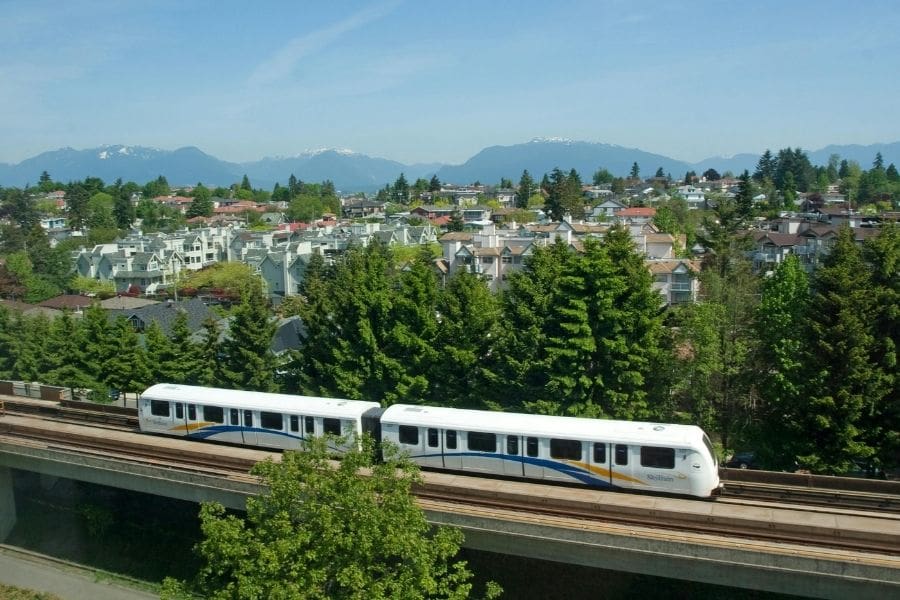
- SkyTrain Expo Line: Connects people living in Surrey directly to New Westminster, Burnaby, and downtown Vancouver. Key stations include Scott Road, Gateway, Surrey Central, and King George.
- Bus Network: Local buses connect all six town centres. TransLink uses a flat 1-Zone fare for all bus routes, making bus travel simple while living in Surrey.
- Compass Card: Tap this reloadable card to pay fares on all SkyTrain, bus, and SeaBus routes.
- New Transit Extensions: The upcoming Surrey-Langley SkyTrain extension will add 16 kilometres of elevated track along Fraser Highway, making transit even easier for residents living in Surrey.
🚆 Newcomer Mobility Tip: Getting around Metro Vancouver without a car is easier than you think. Learn how to save on fares, master the SkyTrain network, and use Compass Cards in our complete guide: How Can Newcomers Get Around Vancouver Using Public Transit?
Driving & Licence Rules
Driving in Surrey connects you easily to major routes like Highways 1, 10, 99, and the Fraser Highway. Local city bylaws and the BC Motor Vehicle Act set the rules for driving and parking. If you hold an out-of-province driver’s licence, you must exchange it for a BC ICBC licence within 90 days of moving.
Air Travel & Airport Access
Living in Surrey gives you convenient access to two major international airports for domestic and global travel:
- Vancouver International Airport (YVR): Located about 30 to 35 kilometres west of Surrey. You can drive to YVR in 35 to 45 minutes or take the SkyTrain (Expo Line to Commercial-Broadway, transfer to the Millennium Line, then switch to the Canada Line at Broadway-City Hall).
- Abbotsford International Airport (YXX): Located about 35 to 40 kilometres east of Surrey. YXX offers budget domestic flights and regional connections. You can drive there in about 35 to 45 minutes along Highway 1 or take regional express buses.
8. Healthcare & Medical Services When Living in Surrey
💡 Newcomer Tip: Apply for your provincial health card as soon as you move to British Columbia.
Provincial Health Insurance: Medical Services Plan (MSP)
MSP pays for necessary doctor visits, diagnostic tests, and hospital care across BC. Permanent residents and eligible work permit holders can apply for coverage right away once they move to British Columbia. Read more about public health care in Canada.
Permanent residents, returning citizens, and eligible work permit holders can apply for coverage right away once they establish residency in BC.
Standard MSP does not cover basic dental care, prescription medicines, routine eye care, or emergency ambulance trips. Most residents use private extended health insurance or workplace benefits to pay for these extra costs.
| Resident Category | Waiting Period | Coverage Notes |
| Newcomers (PRs) | Up to 3 Months | Coverage starts on the first day of the third month after establishing BC residency. |
| Moving from Another Province | Up to 3 Months | Your previous province covers your medical costs for the first 3 months until MSP starts. |
| Work Permit Holders | Up to 3 Months | Eligible if your work permit is valid for at least 6 consecutive months. |
| International Students | Up to 3 Months | Eligible if your study permit is valid for 6 months or longer. (International students pay a monthly health fee). |
| Returning Citizens/PRs | Up to 3 Months | Coverage starts on the first day of the third month after moving back to live in BC. |
How to Find a Family Doctor in Surrey
- Health Connect Registry: Register online through the official BC government Health Connect Registry to get matched with a local family doctor or nurse practitioner.
- Medimap Search Tool: Use the online Medimap locator tool to find open walk-in clinics near you and view real-time wait times.
- HealthLink BC (Dial 8-1-1): Call 8-1-1 anytime to speak with a registered nurse, pharmacist, or dietitian for free health advice.
- Medical Emergency: For serious life-threatening emergencies, call 9-1-1.
💡 TIP: Buy private travel medical insurance to protect yourself during the 3-month MSP waiting period. Read more in our guide: Do You Need Travel Medical Health Insurance to Move to Canada?
Major Hospitals in Surrey
Surrey Memorial Hospital is the primary hospital. Located in Whalley/City Centre, it features the region’s largest emergency department, a specialized pediatric emergency area, maternal care units, and a growing health-technology research hub. Standard provincial health insurance does not cover basic dental care, prescription medicines, eye care, or ambulance trips. Most people use private extended health insurance or workplace benefits to pay for these extras.
9. Schools and Learning: A Guide for Families and Students
Elementary & High School
Surrey features one main public school district alongside independent options:
- Surrey Schools (School District 36): BC’s largest school district, serving over 78,000 students across 100+ elementary schools and 21 secondary schools.
- Catholic Independent Schools of Vancouver Archdiocese (CISVA): Publicly available Catholic independent elementary and high schools operating in Surrey.
- Independent & Private Schools: Includes local faith-based and specialized independent schools.
💡 Newcomer Tip: Children attending Canadian schools for the first time complete a basic assessment to get English language support (ELL) in class. Read more in our guide, Schooling in Canada | A Look at the Education System.
Colleges and Universities
- Simon Fraser University (SFU Surrey): A major research university campus located right inside Central City Mall in Surrey City Centre.
- Kwantlen Polytechnic University (KPU): A public polytechnic university offering hands-on degree, diploma, and trades programs across campuses in Surrey (Newton and Cloverdale).
- Douglas College & Local Career Colleges: Nearby public and private vocational institutions offering career-focused diploma training.
10. Pros and Cons of Living in Surrey
Here is a quick breakdown of the main advantages and challenges of living in Surrey.
| Topic | Pros (The Benefits) | Cons (The Challenges) |
| Money & Housing | Better Rental Value: Rent costs $300 to $600+ less per month than central Vancouver. | High Regional Costs: Overall living costs remain higher than in inland provinces like Alberta. |
| Transit & Commute | Fast SkyTrain Access: Travel to downtown Vancouver in ~35 minutes on the Expo Line. | Suburban Traffic: Driving along major corridors like Fraser Highway can get busy during peak hours. |
| Lifestyle & Outdoors | City of Parks: Access 600+ parks, 277 trails, ocean beaches, and modern recreation centres. | Rainy Winters: Winters bring frequent rain (“Raincouver”) rather than continuous snow. |
| Community & Jobs | Rich Diversity: Strong multicultural networks, diverse food, and comprehensive newcomer services. | Evolving Rental Market: While Metro Vancouver’s vacancy rate has eased to multi-decade highs (~3.7%–4.1% in Surrey), affordable lower-end units remain competitive, so having organized financial documents is still key. |
11. Culture and Day-to-Day Life in Surrey, BC

The Heart of the City
Surrey combines urban growth with beautiful natural spaces. The community offers vibrant art and cultural hubs, including the Surrey Arts Centre, Museum of Surrey in Cloverdale, and the modern Surrey City Centre Library.
- Parks and Nature: Over 600 public parks span the city. Local favourites include Crescent Beach, Green Timbers Urban Forest, Bear Creek Park, and Tynehead Regional Park.
- Historic Sites: Explore local heritage at the Historic Stewart Farm in South Surrey or visit Cloverdale’s historic main street.
- Sports and Entertainment: Attend community events at Holland Park, catch local sporting matches, or visit modern aquatic facilities like the Grandview Heights Aquatic Centre.
- Places of Worship: Surrey features diverse places of worship, including Gurdwaras, churches of various denominations, mosques (such as Ayesha Mosque), and multi-faith centres.
Newcomer Community & Cultural Events
- Surrey Vaisakhi Parade: Held every April, this is one of the largest Vaisakhi celebrations outside India, bringing over 500,000 visitors.
- Diwali Celebrations (Festival of Lights): Every autumn, Surrey comes alive with major community Diwali events, cultural performances, local night markets, and light displays across Newton and City Centre (read our complete guide to Diwali Celebrations in Canada for event dates and locations).
- Surrey Fusion Festival: An award-winning summer festival celebrating global food, music, and cultures at Holland Park.
- Indigenous Land Acknowledgment: Surrey sits on the traditional, ancestral, and unceded territories of the Coast Salish peoples, including the Semiahmoo, Katzie, and Kwikwetlem First Nations.
💡 Moving to Surrey soon? Download our free Canadian Pre-Arrival Checklist to plan your arrival tasks for a smooth transition.
Common Questions About Living in Surrey
Surrey has an estimated population of over 600,000 residents. It is BC’s second-largest city and is on track to surpass Vancouver as the province’s most populated city.
Surrey sits about 23 kilometres southeast of downtown Vancouver. The SkyTrain Expo Line connects Surrey City Centre to Waterfront Station in downtown Vancouver in about 35 minutes.
Yes, especially if you live near SkyTrain stations in Whalley/City Centre or along main bus routes. TransLink runs frequent buses across all six town centres using a flat 1-Zone bus fare.
Surrey experiences a mild maritime climate. Temperatures average around 5°C in winter. While snow is rare, rain falls frequently from October through April, so waterproof gear is essential.
Yes. Surrey offers family-focused suburban neighbourhoods, modern schools, extensive park networks, and active newcomer settlement services.
Yes. Living in Surrey provides many great services and activities for families, making it a great choice for newcomers. It’s close to Vancouver with affordable housing, many schools, and a diverse community.
Final Thoughts: Is Living in Surrey Right for You?
If you want lower rent, vibrant multicultural communities, fast public transit to downtown Vancouver, and quick access to parks and beaches, living in Surrey is a great choice. While Metro Vancouver living costs are high, Surrey gives newcomers a practical way to balance budget, career opportunities, and family life.
Vancouver is one of Canada’s most desirable and expensive cities to rent in. While rents are high, you can still find pockets of value, especially in East Vancouver (Hastings-Sunrise, Renfrew), Joyce–Collingwood, and Surrey. These areas offer lower rent, good transit, and diverse communities. For newcomers, finding the best areas to live in Vancouver, BC, Canada, means balancing affordability, transit, safety, and lifestyle.
Whether you’re a student, young professional, or family, understanding the best areas to live in Vancouver, BC, Canada will help you find the best place to rent for newcomers. Explore neighbourhoods, compare updated 2026 rental costs, and discover the perfect fit for your move.
While Vancouver offers incredible career and outdoor opportunities, managing day-to-day expenses requires a clear strategy. For a full breakdown of average expenses, transit passes, and income needs, check out our comprehensive guide to Living in Vancouver: Costs, Jobs, and Settlement Reality.
📌What You Need to Know
- Rent Expectations: Metro Vancouver remains one of Canada’s pricier markets, with 1-bedroom apartments averaging $2,100 to $2,850/month depending on location.
- Best Value Locations: You can save $300–$600+ per month by looking at Surrey or Joyce–Collingwood instead of central Vancouver, without sacrificing quick SkyTrain access.
- Transit Beats Cars: You don’t need a car to live comfortably. Neighbourhoods like The West End, Mount Pleasant, and Lonsdale (North Vancouver) offer excellent walkability and transit links.
- Rental Watchout: Rental scams targeting newcomers are common. Never send deposit funds before viewing a property in person or via verified video tour.
Most Affordable Areas to Live in Vancouver, Canada
- Surrey City Centre: Best budget-friendly alternative to living in Vancouver with direct SkyTrain access to downtown.
- Joyce-Collingwood: Affordable Vancouver address with rapid transit connections.
- East Vancouver (Hastings-Sunrise & Renfrew): Best value, community-focused, and close to the city core.
Popular Areas to Live in Vancouver for Newcomers
- The West End: Walkable, beachside, and central downtown living.
- Mount Pleasant: A creative hub with vibrant dining and access to the tech corridor.
- Kitsilano: Beachside lifestyle, trendy shops, and direct transit to University of British Columbia (UBC).
- North Vancouver (Lonsdale): Family-friendly, scenic, with SeaBus connection to downtown.
Vancouver Neighbourhood Rental Comparison (2026 Estimates)
Choosing areas like Surrey or Joyce-Collingwood over central Vancouver can save newcomers hundreds of dollars each month while keeping transit times manageable.
| NEIGHBOURHOOD/AREA | 1-BEDROOM AVG. | 2-BEDROOM AVG. | NOTES |
|---|---|---|---|
| Canadian National Average* | ~$1,850 | ~$2,200 | Baseline benchmark across Canada |
| Surrey (Greater Vancouver Area) | $1,800 – $2,200 | $2,400 – $2,800 | Most affordable; Expo Line SkyTrain (35-45 min to downtown). View Surrey Listings ↗ |
| Joyce-Collingwood | $2,100 – $2,350 | $2,700 – $3,100 | Lowest price point within Vancouver city limits; Expo Line. View Joyce-Collingwood Listings ↗ |
| East Vancouver | $2,150 – $2,450 | $2,900 – $3,300 | Hastings-Sunrise & Renfrew; mix of older rentals + new developments; good value View East Vancouver Listings ↗ |
| The West End | $2,400 – $2,800 | $3,300 – $3,900 | High density; older buildings = more affordable; highly walkable |
| Kitsilano | $2,500 – $2,950 | $3,500 – $4,200 | High demand; close to beaches and shops; quick transit to UBC. View Kitsilano Listings ↗ |
| Mount Pleasant | $2,450 – $2,850 | $3,400 – $3,900 | Trendy, central; near Broadway Subway construction corridor |
| North Vancouver | $2,450 – $2,850 | $3,300 – $3,800 | Lonsdale area; family-oriented; 12-min SeaBus to downtown. View North Vancouver Listings ↗ |
Unsure What Your Rental Budget Should Be?
💡 Tip: Standard guidelines evaluate gross income, but your take-home or net pay determines what you can comfortably spend each month. To get a realistic figure based on your net income, run your numbers through Prepare for Canada’s Free Rental Affordability Calculator ↗.
Top Neighbourhoods and Best Areas to Live in Vancouver, Canada
1. Surrey (Greater Vancouver Area)

- Best for: Budget-conscious newcomers, families, and students
- Transit: Expo Line SkyTrain (Surrey Central, King George, Gateway), rapid buses; ~35–45 min to downtown Vancouver
- Vibe: Urban centres (Surrey City Centre), suburban pockets (Fleetwood, Guildford, Newton)
- Why Newcomers Like It: Lower rent, modern high-rise rentals, diverse cultural communities, and access to jobs and services. For in-depth information, read more about living in Surrey.
👉 Browse available Surrey rentals on Rentals for Newcomers ↗
2. Joyce-Collingwood (East Vancouver)
- Best for: Affordable rentals within Vancouver city limits; families, international students
- Transit: Joyce-Collingwood Station (Expo Line); 15 minutes to downtown.
- Vibe: Culturally diverse, family-friendly, walkable, with many newcomer-owned businesses and grocery stores
- Why Newcomers Like It: This vibrant, multicultural neighbourhood is one of the most cost-effective options with direct access to downtown via the SkyTrain. It offers a mix of low-rise apartments and newer condos, local shops, grocery stores, and services.
👉 Browse available East Vancouver rentals on Rentals for Newcomers ↗
🏠 See our complete Vancouver Public Transit guide for details on routes, fares, and tips for newcomers.
3. East Vancouver (Hastings-Sunrise & Renfrew)
- Best for: Newcomers seeking budget-friendly housing near downtown and small families wanting proximity to downtown.
- Transit: Hastings bus corridors to downtown; Renfrew, Rupert, Nanaimo Stations (Expo Line).
- Vibe: Community-driven, multicultural, lined with parks, older rentals, and affordable local shops.
- Why Newcomers Like It: Practical balance of central access and residential neighbourhood charm. Hastings-Sunrise is considered one of the best places to live in Vancouver, BC, for newcomers looking for affordability and transit links.
💡 East Van Insider Tip: Look for secondary suites or basement apartments in East Vancouver. They often offer more square footage per dollar than traditional downtown condo units!
4. The West End

- Best for: Downtown workers, students, and newcomers living without a vehicle.
- Transit: Walkable; central bus routes.
- Vibe: High-density, active, social, close to English Bay and Stanley Park.
- Why Newcomers Like It: Unmatched walkability to jobs, parks, and oceanfront trails.
5. Kitsilano

- Best for: Students, young professionals, and outdoor enthusiasts
- Transit: Bus routes along Broadway, 4th Avenue, and Cornwall; Easy access to the University of British Columbia
- Vibe: Hip, active, urban, near beaches
- Why Newcomers Like It: Immediate access to Kits Beach and a relaxed neighbourhood atmosphere. It offers a mix of older rental apartments, condos, and townhomes, along with trendy shops and cafés.
6. Mount Pleasant
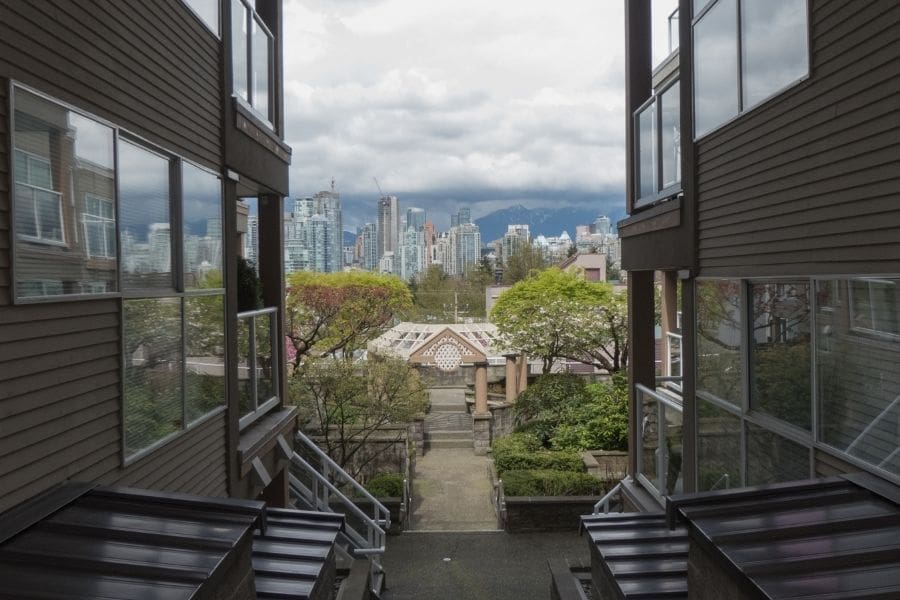
- Best for: Tech professionals and creative industries, young newcomers wanting a walkable community near downtown
- Transit: Main Street-Science World stations; frequent cross-town buses.
- Vibe: Trendy, urban cafés, breweries, boutique shops
- Why Newcomers Like It: Vibrant lifestyle with quick access to Main Street and the Broadway tech district. It offers a mix of apartments and older homes.
7. North Vancouver (Lonsdale)
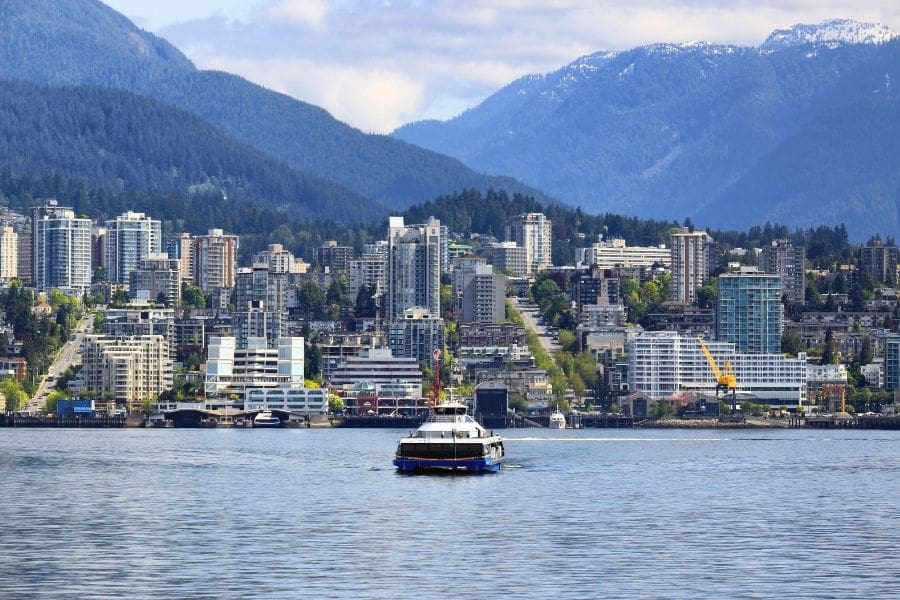
- Best for: Families, outdoor enthusiasts
- Transit: Lonsdale Quay SeaBus (12 minutes to downtown Waterfront Station).
- Vibe: Safe, community-oriented, with mountain backdrops.
- Why Newcomers Like It: Family-friendly community; proximity to hiking trails and nature without sacrificing downtown access.
👉 Browse North Vancouver listings on Rentals for Newcomers ↗
Essential Tips for Renting in Vancouver as a Newcomer
- Prepare Documents Early: Have your photo ID, proof of funds, employment letter, and references ready before viewing properties.
- Beware of Rental Scams: Never wire money or send e-Transfers before viewing a property in person or via an interactive video call with a verified property manager.
- Explore Secondary Suites: Basement suites in East Vancouver and Surrey often offer more space at a lower cost than traditional apartment units.
- Consider Home Sharing: Co-living arrangements can lower upfront move-in costs during your first few months.
Rental Viewing Checklist for Newcomers
When inspecting an apartment in person or via video tour, check off these key items before putting down a deposit:
- Unit Condition: Test water pressure/hot water, inspect under sinks for leak damage, test light switches/outlets, and check window seals.
- Utilities & Heating: Confirm which utilities (heat, hot water, electricity, internet) are included in the monthly rent.
- Appliances & Amenities: Make sure the stove, fridge, in-suite or shared laundry, and dishwasher (if applicable) are clean and working.
- Lease Terms & Landlord Verification: Verify the landlord or property manager’s ID, review the lease duration, and confirm payment methods (avoid non-refundable cash or untraceable wire transfers).
📥 Downloadable Resource: Want a printable copy for your apartment viewings? Download our Free Newcomer Apartment Viewing Checklist ↗ to stay organized on the go.
Frequently Asked Questions
Surrey offers the most competitive rental prices in the Metro Vancouver region with direct transit connections into downtown via the SkyTrain.
No. Many neighbourhoods, such as the West End, Mount Pleasant, Joyce-Collingwood, and Lonsdale, are highly walkable and have frequent TransLink bus and rail options.
North Vancouver (Lonsdale) and East Vancouver (Hastings-Sunrise) offer family-friendly parks, good school access, and quieter residential streets.
Start searching 30 to 45 days before your target move-in date, as most lease notices in BC are given on a 30-day cycle.
Final Thoughts: Choosing the Best Areas to Live in Vancouver, Canada
Whether you are looking for budget-friendly apartments or oceanfront views, taking time to explore the best areas to live in Vancouver, Canada will ensure a smooth move.
👉 Start your rental search now and confidently choose among the best areas to live in Vancouver, Canada!
For many newcomers, renting a basement apartment in Canada is one of the most accessible and affordable ways to secure initial housing. As you explore rental options in major cities like Toronto, Vancouver, Calgary, or Ottawa, you will quickly notice that secondary basement suites make up a large share of the housing market. However, many first-time renters shy away from this option due to common misconceptions, imagining dark, damp, or cramped quarters. In reality, modern basement units are often bright, fully renovated, and offer exceptional value for individuals and small families starting their journey.
📌What You Need to Know
- Average Cost Savings: Basement rentals in Canada generally cost 15% to 30% less than above-ground condos, and many landlords include heating, hydro, and water in the flat monthly rent.
- Legal Safety Standards: A legal basement unit must feature proper egress exit windows in bedrooms, a minimum ceiling height of 6’11” (2.1 meters), installed smoke/carbon monoxide detectors, and two separate exit paths.
- Layout Variations: Walkout units feature full-sized sliding glass doors and maximum daylight, while walkup units sit mostly underground with higher-set windows.
- Newcomer Flexibility: Private basement landlords are often more open to working with newcomers who lack an established Canadian credit score by accepting job offers or proof of savings.
- Long-Term Planning: Renting an affordable basement unit for your first 1–3 years allows you to save aggressively for a down payment while building your Canadian credit history.
Why Renting a Basement Apartment in Canada Is Popular Among Newcomers
When renting a basement apartment in Canada, you typically get a self-contained residential unit below the main level of a single-family house or townhouse. These units generally include one or two bedrooms, a full bathroom, a dedicated kitchen, a living area, essential appliances (fridge, stove, and often laundry), and a private entrance.
Because homeowners convert secondary suites to offset mortgage costs, basement units are typically lower priced than standard multi-story condos or detached homes. To see how basements compare to other options like condos or townhouses, read our complete overview on What are the Types of Housing in Canada?
Pros and Cons of Renting a Basement Apartment in Canada
Before signing a lease, weigh the pros and cons to decide if basement living suits your family’s lifestyle and budget.
| Pros (Advantages) | Cons (Disadvantages) |
|---|---|
| Cost Affordability: Monthly rent is typically 15% to 30% lower than above-ground condo rentals in similar locations. | Reduced Natural Light: Fully underground units rely heavily on artificial lighting because of smaller windows. |
| Utilities Included: Many basement landlords include heating, hydro (electricity), and water in a flat monthly rent rate. | Overhead Noise: Noise from the occupants on the main floor can transfer through ceilings. |
| Desirable Neighbourhoods: Renting a secondary suite lets you live in quiet, family-friendly suburban residential areas close to top schools. | Lack of Shared Amenities: Unlike commercial condo buildings, basement units lack access to a gym, concierges, or swimming pools. |
| Flexible Landlords: Private homeowners are often more open to working with newcomers who don’t have an established Canadian credit history. | Moisture & Flood Risk: Lower levels are more vulnerable to seasonal humidity, cold air settling, or heavy spring rainfall. |
While choosing a basement suite is already a great strategy to lower your initial living costs, there are many ways to stretch your housing budget. Check out our practical guide, How to Save Money on Rent in Canada: 10 Tips for Newcomers, to learn how to negotiate rates and avoid overpaying.
Legal Rules & Tenant Safety Checklist
Municipal building codes across Canadian provinces require basement rentals to meet strict safety standards to operate as legal secondary suites. Before you pay a deposit, verify safety features.
Key Legal & Safety Requirements
- Egress Windows: Bedrooms must have at least one large, easy-to-open window that you can exit in an emergency.
- Two Exits: Safe units should feature a dedicated exterior entrance or clear pathways to two separate exit doors.
- Fire & Smoke Protection: Smoke detectors and carbon monoxide (CO) alarms are on the ceiling inside bedrooms and near cooking areas. Ensure all hardwired smoke detectors installed in the unit carry official certification marks, such as the CSA Mark for North America.
- Minimum Ceiling Heights: Building regulations in most provinces require basement ceiling heights to measure at least 6 feet 11 inches (2.1 meters) in living areas.
- Electrical Compliance: Circuit panels should not feature exposed wiring or overloaded extension connections.
📋 Free Download: Basement Rental Viewing Checklist
Heading to an apartment viewing? Don’t miss hidden red flags. Download our free Rental Viewing Checklist.
Essential Tips for Newcomer Renters
1. Secure Tenant Insurance
Tenant insurance is strongly recommended when renting a basement apartment. Because plumbing pipes and appliances sit overhead, the risk of water damage from upper levels is higher. A standard tenant insurance policy protects your personal property, clothing, and electronics against water damage, fire, or theft and covers temporary relocation accommodation costs if repairs are needed.
2. Ask Landlords the Right Questions During Viewings
Before submitting a rental application, clarify key details with the property owner:
- Are hydro, gas, water, and internet included in the monthly rent figure, or split proportionally?
- Who controls the central thermostat setting during winter heating and summer air conditioning periods?
- Are laundry facilities private to your unit or shared with upstairs occupants?
- What are the parking arrangements during winter snow clearing periods?
Once you find a basement unit that meets your safety and budget needs, you will need to submit a strong application package, especially if you don’t have a Canadian credit history. Discover how to prepare a ‘Financial Credibility Package’ in our guide on Rental Application Tips for Newcomers to Get Approved.
💡 Need Help Preparing Your Rental Application?
Once you find the right unit, stand out to landlords, even without a Canadian credit history. Download our Rental Application Guide specifically for newcomers.
Planning for the Future: Renting vs. Homeownership

I Want to Buy a Home Eventually, Why Should I Rent First?
Many newcomers arrive in Canada with the long-term goal of purchasing a home within their first 3 to 5 years. While building home equity is a primary financial milestone, renting an affordable basement apartment during your first few years offers advantages:
- Build Canadian Credit & Savings: With lower baseline rent, you can save aggressively for a down payment while building the Canadian credit history that mortgage lenders require.
- Explore Neighbourhoods Without Risk: No amount of online city research compares to living in a community. Renting gives you flexibility to experience different cities, transit hubs, and school districts before making a long-term commitment.
- Job Flexibility: Career opportunities in Canada can evolve rapidly during your first few years. Renting makes relocating for a higher-paying job or career advancement much easier and less expensive.
If buying a home in Canada is part of your three-to-five-year plan, explore innovative solutions like rent-to-own programs or home co-ownership models to accelerate your path to property ownership in Canada.
Frequently Asked Questions (FAQs)
Basement apartments can feel cooler because they sit below ground, but legal secondary suites must have proper heating systems that maintain at least 20°C (68°F) throughout winter under municipal building bylaws.
Yes. Many private basement landlords are more flexible than large corporate condo buildings. Newcomers can offer proof of employment/funds, savings statements, or a guarantor in place of a Canadian credit history. Learn how to rent a home in Canada without a credit score.
In many cases, yes. Landlords frequently include utilities (water, gas, heat, electricity) in the total rent or split them proportionally (e.g., 30% to 40% paid by the basement tenant).
A legal basement apartment must meet local building codes by featuring egress exit windows in bedrooms, minimum 6’11” ceiling heights, installed smoke/carbon monoxide detectors, and a dedicated exit path. You can also verify secondary suite registration directly with your municipal city hall.
Are you planning your move to Canada? This guide breaks down what you need to know about living in Lethbridge. We cover housing costs, local job opportunities, community resources, and daily life. Lethbridge is a prime destination for newcomers seeking a welcoming, affordable, and family-friendly city in Southern Alberta.
📌What You Need to Know
- Affordable Living and Good Jobs: Housing costs here are much lower than in big Canadian cities, and there are steady jobs in healthcare, education, and government.
- Finding Work and Housing: It is easy to find work in local services, and homes are cheaper to buy or rent compared to the national average.
- Help for Newcomers: The city has strong community groups and dedicated programs to help new immigrants settle in smoothly.
- Getting Around: You can easily travel using local buses, and major highways connect you directly to Calgary and the U.S. border.
- Outdoor Lifestyle: Lethbridge gets lots of sunshine, mild winter weather breaks, and has plenty of parks and trails to explore.
City Comparison Reference
If you are deciding where to live in Alberta, this chart shows how Lethbridge compares to the province’s two biggest cities.
| City | Average Rent (2-Bedroom, 2026) | Driving Time to Calgary | Top 3 Neighbourhoods for Newcomers |
| Lethbridge | $1,550 – $1,600/month | 2 hours 15 minutes | West Lethbridge, South Lethbridge, Uplands |
| Calgary | $2,150 – $2,250/month | 15–45 minutes | Beltline, Sunnyside, Signal Hill |
| Edmonton | $1,650 – $1,750/month | 3 hours | Oliver, Strathcona, Windermere |
💡 Newcomer Tip: Unsure which Alberta city fits your budget? Read our guides on Living in Calgary and Living in Edmonton to compare your choices.
Quick Facts About Living in Lethbridge: 2026
| Topic | 2026 Facts | Extra Notes |
| Population | ~113,500 | 4th largest city in Alberta |
| *Average 2-Bedroom Rent | $1,550/month | Very affordable compared to major Canadian cities |
| Average Home Price | House: $485,000 Condo: $195,000 | Great starter market for first-time buyers |
| Top Work Sectors | Healthcare, Education, Government, and Agriculture | Main shopping and service hub for Southern Alberta |
| Local Bus Service | Lethbridge Transit | Runs regular bus routes across the city |
| Weather | Semi-arid (sunny and dry) | Warm summers (avg 26°C); mild winter breaks (avg -6°C) thanks to Chinook winds |
*Keep in mind that prices change over time. You can see real-time rental listings in Lethbridge at Rentals for Newcomers ↗
About Lethbridge, Alberta
Lethbridge is located in Southern Alberta, about two hours south of Calgary and an hour north of the United States border. It started long ago as a coal mining town, but today it is a modern city with two post-secondary schools, clean parks, and a strong local economy. It is famous for its high railway bridge, bright sunny days, and friendly community.
What are the Top Industries for Jobs in Lethbridge for Newcomers?

Lethbridge is the main business, shopping, and health center for Southern Alberta. Its location near major highways makes it a key spot for shipping, farming, and food production.
Top Job Sectors
- Healthcare and social assistance
- Schools and post-secondary research
- City and provincial government services
- Farming, food processing, and agricultural tech
- Factories, shipping, and supply stores
- Shops, hotels, and restaurants
Major employers in the area include Alberta Health Services, the University of Lethbridge, Lethbridge College, the local school board, the City of Lethbridge, and the federal agricultural research center.
💡 Job Trends: In 2026, jobs in Lethbridge remain steady. Local health clinics, schools, construction trades, and food manufacturing plants frequently hire qualified newcomers.
Tips for Newcomers Seeking Jobs in Lethbridge
- Connect with Local Settlement Agencies: Partner with community organizations like Lethbridge Family Services (LFS) to access free employment workshops, resume writing, and direct connections to local employers hiring newcomers.
- Use Local Staffing Agencies: Reach out to local job agencies such as Select People Solutions, Positive Lifestyles Recruitment, or Hire Standard.
- Check College and University Job Boards: The local college and university post open jobs and partner directly with local employers.
💡 Tip: Read more about how to research your career in our guide, Canada Job Bank: Your Vital Research Tool.
The 2026 Cost of Living in Lethbridge: Housing & Rent
Is Housing Expensive in Lethbridge?
No. Renting or buying a home in Lethbridge costs much less than the Canadian average. In fact, The Globe and Mail ranked Lethbridge 18th on its list of Canada’s 100 Best Cities for Renters, just ahead of Montreal, highlighting its combination of low average rent ($1,510/month) and strong local purchasing power.
Lethbridge Rent by Neighbourhood (Mid-2026)
Rent prices vary by area. Newer buildings on the West side cost more, while central areas offer great budget options.
Here are the average rent prices across different areas:
| Neighbourhood | Average Rent (2-Bedroom) | Great For |
| Park Meadows | $1,350/mo | Budget-conscious renters and seniors |
| North Lethbridge | $1,420/mo | Industrial workers and affordable starter apartments |
| Downtown / Central | $1,500/mo | Living near shops, museums, and local culture |
| South Lethbridge | $1,560/mo | Established family neighborhoods near big shopping centers |
| West Lethbridge | $1,650/mo | College/university students, staff, and newer builds |
When planning your monthly budget, look beyond basic rent figures and calculate what you can actually afford based on your real earnings after taxes.
💡 Why We Calculate Rent Based on Net (Take-Home) Income:
Traditional financial guides suggest spending no more than 30% of your “gross” income on rent. However, in Canada, provincial taxes, Canada Pension Plan (CPP), and Employment Insurance (EI) take 20-25% before your pay hits your bank account. You don’t pay rent with gross income; you pay with take-home pay.
- Single Renter Example: Renting a typical 1-bedroom apartment at $1,300/month in Lethbridge requires a net take-home pay of $4,330/month to keep housing under 30% of your real income. Accounting for Alberta tax deductions, this translates to an individual gross annual salary of ~$63,000.
- Family Example: Renting a 2-bedroom apartment at $1,550/month requires a net take-home pay of $5,165/month, equal to a combined household gross annual salary of ~$78,000.
If your starting household income falls below these levels, you may need to spend a higher percentage of your net income on rent.
🔢 Want to test if your landing income can cover Lethbridge rent? Before signing a lease or selecting a destination province, test your family’s budget using our free Rent Affordability Calculator. It factors in Alberta tax rates to give you a realistic target based on your household income.
3 Practical Tips for Renting in Lethbridge
- Check What Utilities Are Included: Landlords in Alberta often charge heating and electricity separately from base rent. Ask what is included before signing a lease.
- Pick the Right Side of the River: The Oldman River cuts through the city. Choosing a neighbourhood on the same side of the river as your work or school will shorten your daily drive.
- Get Tenant Insurance: Buy tenant insurance right away to protect your belongings in an emergency. Most property owners require tenant insurance. Read more about why newcomers need tenant insurance
🏠When applying for rentals, most landlords check credit scores. If you just arrived in Canada, you likely don’t have a local credit history yet. Don’t worry, most property managers accept alternative proof of funds while you are settling. To start building your credit history from day one, read How to Build Credit in Canada from Zero.
💡Ready to begin your housing search? Learn more about how to conduct your rental search as a newcomer.
Buying a Home in Lethbridge
The home-buying market in Lethbridge is stable and affordable, giving new buyers a chance to build equity without overspending.
Here is what local home prices look like by property type:
| Property Type | Average Price (Mid-2026) | Price Trend |
| Condo Apartment | $195,000 | Up 3.2% |
| Townhouse | $285,000 | Up 4.5% |
| Half-Duplex / Semi-Detached | $335,000 | Up 4.0% |
| Single-Family House | $485,000 | Up 5.1% |
(Source: Lethbridge & District Association of REALTORS®)
Tips for Newcomers Buying a Home in Lethbridge
- Work with a Local Real Estate Agent: Use a local agent who knows the differences between North, South, and West Lethbridge.
- Get Mortgage Pre-Approval: Speak to your bank first, so you know exactly how much you can spend.
- Save for Closing Costs: You will also need to budget for legal fees, home inspections, and paperwork.
Check out more tips for newcomer first-time home buyers.
Banking & Personal Finances in Lethbridge, AB
Setting up your bank account is one of the first steps to settling in Lethbridge. Major Canadian banks (such as BMO, CIBC, RBC, TD, and Scotiabank) and regional credit unions (such as ATB Financial) have branches across the city with special newcomer banking programs.
These programs let you open an account, get your first Canadian credit card without previous credit history, and start building your financial future. Meeting with a personal advisor early will help you set up a practical household budget.
For a full guide on money basics, check out How to Manage Your Personal Finances When You’re New to Canada.
💡 Planning your pre-landing finances? Explore our pre-arrival blueprint, Canadian Financial Tips Before You Move to Canada, to learn how to manage savings, arrange temporary stays, and organize your money before you land.
Community Support for Newcomers in Lethbridge, AB
According to Statistics Canada, more than 15% of people living in Lethbridge were born outside of Canada. The city is growing more diverse each year, with growing South Asian, Black, Filipino, Indigenous, and Latin American communities.
Key Settlement Services in Lethbridge
| Organization | Main Focus | How They Help |
| Lethbridge Family Services (LFS) | Full settlement assistance | • Resettlement Help: Assistance for refugees and new immigrants. • Settlement Workers in School Support (SWIS): Workers who help newcomer children adjust to school. • Language Services: Translation and interpretation in over 20 languages. |
| Lethbridge Local Immigration Partnership (LIP) | Community integration | • Community Inclusion: Programs that make workplaces and public spaces welcoming. • Resource Maps: Guides connecting newcomers to housing, jobs, and social services. |
💡Tip: Joining settlement programs early helps you build social connections, learn about your neighbourhood, and access vital services. Read more in our guide: Essential Services to Help Newcomers Settle in Canada.

Driving and Transit in Lethbridge: Commuting While Living in Lethbridge
Public Transit
Lethbridge Transit operates local buses connecting all major neighbourhoods, shopping centers, downtown, Lethbridge College, and the University of Lethbridge.
Driving Tips
Simple Highway Connections: Highways 3, 4, 5, and 25 run straight through the area, making regional trips easy.
Short Driving Times: Driving from one side of the city to the other usually takes less than 20 minutes. There is very little gridlock.
Getting Your Driver’s Licence: Newcomers can visit an Alberta Registry Agent office to swap an existing licence or enter Alberta’s driver licensing program.
Winter Driving: Good winter tires are strongly recommended. While warm winter winds periodically melt the snow, roads can get icy between November and April. Read more in our guide, Winter Driving in Canada: 7 Essential Tips for Newcomers.
Air Travel
Lethbridge Airport (YQL): Located just south of the city limits, YQL offers daily feeder connections to Calgary International Airport (YYC) for national and international travel.
Healthcare & Medical Services
💡 Newcomer Tip: Apply for your provincial health card as soon as you move to Alberta. Read our complete guide on the Alberta Health Card | What it Covers and How to Apply to see the documents you require and application steps.
Provincial Health Insurance: Alberta Health Care Insurance Plan (AHCIP)
AHCIP pays for necessary doctor visits and hospital care. Permanent residents and eligible work permit holders can apply for coverage right away once they move to Alberta.
Standard provincial health insurance does not cover basic dental care, prescription medicines, eye care, or ambulance trips. Most people use private extended health insurance or workplace benefits to pay for these extras.
| Resident Category | Waiting Period | Coverage Notes |
| Newcomers (PRs) | No Waiting Period | Eligible as soon as you establish your home in Alberta and apply. |
| Moving from Another Province | Up to 3 Months | Your old province covers you for the first 3 months until AHCIP starts. |
| Work Permit Holders | No Waiting Period | Eligible if your work permit is valid for at least 6 months. |
| International Students | 0 to 12 Months | Eligible if your study permit is valid for 12 months or longer. |
| Returning Citizens/PRs | No Waiting Period | Immediate coverage when moving back to live in Alberta. |
How to Find a Family Doctor in Lethbridge
- CPSA Search Tool: Use the College of Physicians & Surgeons of Alberta online tool to search for local family doctors accepting new patients.
- AHS Care Locator: Use the online Alberta Health Services locator tool to find open walk-in clinics near you.
- Health Link (Dial 811): Call 811 anytime to speak with a registered nurse for free health advice.
- Medical Emergency: For serious life-threatening emergencies, call 9-1-1.
💡TIP: Consider buying travel medical health insurance to protect yourself before you are eligible for AHCIP. Read more in our guide: Do You Need Travel Medical Health Insurance to Move to Canada?
Major Hospitals in Lethbridge
Lethbridge has one major hospital, the Chinook Regional Hospital. It is located on the South side and operates a 24/7 emergency department, maternal care units, and specialized regional clinics.
Schools and Learning: A Guide for Families and Students
Elementary & High School
Lethbridge has three main school divisions:
- Lethbridge School Division: Public, non-religious English schools (14 elementary, 4 middle, and 5 high schools).
- Holy Spirit Catholic School Division: Publicly funded Catholic schools.
- Palliser School Division: Public school board managing nearby rural schools and special programs.
💡 Newcomer Tip: Children attending Canadian schools for the first time complete a basic assessment to get English language support in class. Read more in our guide, Schooling in Canada | A Look at the Education System.
Colleges and Universities
- University of Lethbridge: A respected research university known for science, business, and arts degrees, set on a beautiful campus by the river.
- Lethbridge College: A public college offering hands-on career training in agriculture, skilled trades, nursing, and business.
- Red Crow Community College: Offers Indigenous-focused higher education programs.
Pros and Cons of Living in Lethbridge
Here is a quick breakdown of the main advantages and challenges of living in Lethbridge.
| Topic | Pros (The Benefits) | Cons (The Challenges) |
| Money & Jobs | High Affordability: Rent and daily expenses are much lower than in big cities. | Smaller Job Market: Fewer corporate head offices; most jobs are in health, education, and farming. |
| Housing | Easy Ownership: Lower prices make buying a home realistic for single-income families. | Slower Price Growth: Home values grow steadily rather than jumping up quickly. |
| Lifestyle | Great Parks: 16% parkland, river trails, and quick drives to Waterton Lakes National Park. | Windy Weather: The city gets frequent strong winds, especially during winter temperature shifts. |
| Transit | No Heavy Traffic: Drive times across town are usually under 20 minutes. | Car Friendly: Buses cover main routes, but having a car is more convenient for daily life. |
Culture and Day-to-Day Life in Lethbridge, AB

The Heart of the City
Lethbridge combines small-town friendliness with city conveniences. The community has a lively local art scene with spots like the Southern Alberta Art Gallery, the Galt Museum, and the CASA Arts Centre.
- Parks and Nature: Over 16% of the city is open parkland. Favourite spots include Henderson Lake Park, Elizabeth Hall Wetlands, and Indian Battle Park.
- Nikka Yuko Japanese Garden: A beautiful, peaceful garden next to Henderson Lake that hosts cultural events and winter light shows.
- Sports and Entertainment: Catch live hockey games with the Lethbridge Hurricanes or see concerts at the VisitLethbridge.com Arena.
- Places of Worship: Lethbridge features diverse places of worship, including historic churches, the Lethbridge Islamic Centre, a Hindu temple, and Buddhist centers.
Newcomer Community & Cultural Events
- Cultural Festivals: The city holds annual multicultural events, including Heritage Day celebrations and international food events.
- Indigenous Heritage: Lethbridge sits on Blackfoot Confederacy territory. Newcomers can learn about local Indigenous culture at the Galt Museum and at public community events.
💡 Moving to Lethbridge soon? Use our Canadian Pre-Arrival Checklist to plan your arrival tasks for a smooth transition.
Final Thoughts: Is Living in Lethbridge Right for You?
If you want an affordable, friendly city with great schools, sunny weather, and easy access to nature, Lethbridge is a fantastic choice. While the job market is smaller than Calgary’s, the low living costs and supportive community make it a great place to build your new life in Canada.
Common Questions About Living in Lethbridge
As of 2026, Lethbridge has an estimated population of approximately 113,500 residents within the city proper, making it the 4th largest city in Alberta.
Lethbridge is located approximately 210 kilometers south of Calgary, which is about a 2-hour and 15-minute drive via Highway 2 and Highway 3.
City buses connect major schools and shopping centers. However, because the city is spread across three areas divided by the river valley, most residents find owning a car more convenient.
Chinooks are warm, dry winds that blow down from the Rocky Mountains in winter. They can raise outdoor temperatures by 10°C to 20°C in just a few hours, melting snow quickly and bringing pleasant breaks from cold weather.
Yes. Lethbridge has quiet residential neighbourhoods, very little traffic, clean public parks, and good schools, making it a safe place to raise a family.
Are you planning a move to Calgary? Finding the best neighbourhoods in Calgary for your lifestyle and budget is one of the most exciting parts of your journey. But it can also feel overwhelming. If you are preparing to arrive in Canada within the next six months, or have recently landed, you likely have questions about finding your first home.
This guide can help you identify affordable and welcoming neighbourhoods in Calgary. While Calgary’s housing market expanded rapidly in recent years, 2026 data from the Canada Mortgage and Housing Corporation (CMHC) shows a major surge in purpose-built rental completions. This new supply has helped lower local rent prices and expand inventory, giving newcomers more options.
For a complete overview of local job opportunities, transit networks, and cost of living, read our comprehensive guide to Living in Calgary as a Newcomer ↗.
Is Calgary Affordable for Renters?

While Calgary has higher average rents than Edmonton, it remains much more affordable than major cities such as Toronto or Vancouver.
According to Canada Mortgage and Housing Corporation (CMHC) market benchmarks, average asking rents in Calgary sit roughly 8% below the national average. This makes Calgary an attractive city for newcomers working to establish financial stability.
| Location | Average 1-Bedroom Rental Price (Mid-2026) |
| Toronto, Ontario | $2,468 |
| Canadian National Average | $2,029 |
| Calgary, Alberta | $1,582 – $1,618 |
| Edmonton, Alberta | $1,354 |
👉 Find Affordable 1-Bedroom Rentals in Calgary ↗
💡 Budgeting Tip: Wondering how these local rent prices fit into your broader monthly budget? Read our complete breakdown on Rental Affordability in Canada: A Guide for Newcomers ↗ to learn how to apply the 30% income rule to your housing search.
Budget & Affordability: Choosing the Right Layout
Calgary offers different types of housing options based on your household budget and family size.
- Bachelor / Studio Units: Ideal for students, single professionals, or single newcomers looking to minimize monthly expenses while living near downtown transit lines.
👉 Find Affordable Studio Units in Calgary ↗
- 2-Bedroom Units: Great for roommates splitting rent, couples working remotely, or small families needing quick access to community parks and local schools.
Best Calgary Neighbourhoods Comparison Matrix
Use this quick-reference matrix to match your lifestyle goals with the right area and instantly explore available properties.
| Category | Top Neighbourhoods | Community Profile | Browse Rentals |
| Most Affordable | Marlborough, Forest Lawn | Budget-first pricing, established retail centers, strong bus access. | Find Forest Lawn Rentals ↗ |
| Students & Nightlife | Sunnyside, Kensington, Hillhurst, Mission | Highly walkable, direct C-Train access, lively local dining & café culture. | Find Mission Rentals ↗ |
| Families & Suburbs | Evanston, Shawnessy, Signal Hill, West Springs, Lake Bonavista | Excellent school zones, suburban quiet, large parks, family amenities. | Find Evanston Rentals ↗ |
| Up-and-Coming/Artsy | Bankview, Sunalta, Inglewood, Bridgeland | Inner-city affordability, close to downtown core, regenerating streetscapes. | Find Sunalta Rentals |
Quick Stats Summary for Renters (Mid-2026)
Rental Range Key
- Budget: Under $1,450/month
- Moderate: $1,450-$1,800/month
- High: $1,800+/month
- Note: Ranges vary based on building age, amenities, underground parking, and proximity to CTrain stations.
| NEIGHBOURHOOD | AVG. 1-BED RENT | BEST FOR |
| Marlborough | $1,250 – $1,420 | Budget-first renters, newcomers, east-side commuters |
| Bankview | $1,380 – $1,520 | Young professionals, creatives, inner-city budget seekers |
| Sunalta | $1,420 – $1,580 | Downtown commuters, transit-oriented renters |
| Sunnyside | $1,550 – $1,720 | Students, walkability lovers, young professionals |
| Shawnessy | $1,480 – $1,650 | Growing families, suburban renters, South CTrain users |
| Evanston | $1,520 – $1,700 | Families wanting newer construction, quiet streets |
Choosing a great area is a major milestone, but knowing how to navigate lease agreements, credit checks, and deposit rules in Alberta is just as important.
Best Calgary Neighbourhood Profiles
Is Marlborough a Good Neighbourhood to Rent in Calgary, Alberta?
Marlborough: Established Affordability in Northeast Calgary
- Overview: Marlborough in Northeast Calgary offers some of the most competitive rental rates in the city.
Best For: Newcomers on a tight budget, transit riders, and value-first households - Transit: Excellent connection via the Marlborough CTrain Station (Blue Line), offering direct access into downtown Calgary.
- Vibe: Practical, access to local stores, diverse, and budget-friendly
- Rental Range: Consistently ranks in the lower rent tiers for 1-bedroom and 2-bedroom walk-up apartments.
Marlborough offers immediate proximity to major ethnic grocery hubs, community health clinics, and large retail centers like Marlborough Mall. If your primary goal is to lower your monthly expenses during your first year in Canada, this area provides strong overall value.
👉 Browse available rentals in Marlborough ↗
💡 Renter Tip: To learn how Calgary’s rail network connects these areas to downtown, read our guide to Calgary Public Transit for Newcomers ↗.
Is Sunnyside a Good Neighbourhood to Rent in Calgary, Alberta?
Sunnyside & Kensington: Walkable Urban Culture Near Downtown

- Overview: Sunnyside (alongside the Kensington commercial district) sits directly north of the Bow River, right across from the downtown core.
- Best For: Post-secondary students (University of Calgary/SAIT), healthcare workers, and car-free professionals.
- Transit: Features the Sunnyside CTrain Station (Red Line) and extensive dedicated bike pathways along the river.
- Vibe: Lively, historic, pedestrian-friendly, and culturally active.
- Rental Range: Mid-to-higher range modern high-rises mixed with moderately priced, older low-rise units.
Living in Sunnyside means walking to local coffee shops, international bakeries, and peaceful parks along the Bow River pathway. Its direct transit access to the University of Calgary and SAIT makes it a high-demand area for students.
👉 Browse available rentals in Sunnyside ↗
Is Bankview a Good Neighbourhood to Rent in Calgary, Alberta?
Bankview: Inner-City Charm at Accessible Rates
- Overview: Located just southwest of downtown, Bankview is an established residential community set on scenic rolling hills.
- Best For: Young professionals, artists, and budget-conscious renters who want proximity to downtown without paying high core prices.
- Transit: Served by major bus corridors along 14th Street and 17th Avenue SW.
- Vibe: Creative, quiet, community-oriented, and urban.
- Rental Range: Moderately priced low-rise apartments, split-level conversions, and townhouse rentals.
Bankview borders the vibrant 17th Avenue SW retail district, offering access to dining and shopping while retaining a quiet neighborhood feel. It provides a practical compromise for newcomers who want to stay close to central city action on a moderate budget.
👉 Browse available rentals in Bankview ↗
Is Shawnessy a Good Neighbourhood to Rent in Calgary, Alberta?
Shawnessy: Family-Focused Suburban Living in South Calgary
- Overview: Located in Deep South Calgary, Shawnessy is a mature, master-planned suburban community built around parks and family services.
- Best For: Families with children, remote workers, and renters seeking quiet, low-traffic streets.
- Transit: Anchored by the Shawnessy CTrain Station (Red Line), connecting residents directly to central Calgary.
- Vibe: Safe, suburban, family-centered, and practical.
- Rental Range: Mid-range apartment condos up to full single-family home rentals.
Shawnessy features major shopping plazas, YMCA recreational facilities, and quick access to Fish Creek Provincial Park, one of North America’s largest urban natural parks. It is ideal for families seeking space and good school zones.
👉 Browse available rentals in Shawnessy ↗
Is Evanston a Good Neighbourhood to Rent in Calgary, Alberta?
Evanston: Modern Suburban Design in Northwest Calgary
- Overview: Situated in Calgary’s Northwest sector, Evanston is a contemporary suburban development designed with expansive green spaces and modern home layouts.
- Best For: Families wanting newer rental inventory, multi-generational households, and remote professionals.
- Transit: Primarily car-dependent, but supported by express bus routes to major transit terminals.
- Vibe: Clean, peaceful, modern, and scenic.
- Rental Range: Newly built basement suites, modern townhomes, and detached home listings.
Evanston offers newer build quality, energy-efficient building standards, and local village shopping centers. It offers a calm residential setting away from the city core for newcomers prioritizing modern home amenities.
👉 Browse available rentals in Evanston ↗
More Popular Calgary Neighbourhoods to Consider

- Mission & Altadore (Southwest): Ideal for young professionals who want upscale dining along 4th Street SW and Marda Loop, though rental prices trend higher ($1,800 – $2,100/month for a 1-bedroom).
- Hillhurst & Bridgeland (Inner-City): Located right across the Bow River from downtown, these historic areas offer incredible walkability, local coffee shops, and CTrain access, with moderate-to-high rents.
- Inglewood (East Core): Calgary’s oldest neighbourhood, famous for arts, live music, and boutique shopping along 9th Avenue SE.
- Brentwood (Northwest): A top budget pick for University of Calgary students looking for direct transit access along the Red Line CTrain.
- Signal Hill, West Springs & Lake Bonavista (Suburbs): Premier choice for families seeking master-planned suburban communities, higher safety ratings, and top-ranked schools.
🚨 Renter Alert: How to Avoid Rental Scams in Calgary
Because thousands of newcomers relocate to Calgary annually, local authorities routinely warn renters about online listing scams. Scammers often post fake photos of real properties at low rates to pressure anxious movers into sending advance deposits.
Protect your money during your housing search by following these rules:
- Do Not Share Sensitive Personal Data Early: Never disclose your Social Insurance Number (SIN), bank passwords, or credit card info on standard introductory inquiry forms.
- Never E-Transfer Money Before a Viewing: If a “landlord” claims to be out of the country or refuses an in-person or live video tour before demanding a deposit, stop communicating immediately.
- Watch for Below-Market Prices: Scammers use low rent figures to lure budget-conscious movers. Compare prices against the Quick Stats Summary table above to verify real market rates.
- Verify Property Ownership: Deal with established property management firms or request government ID when renting from private individuals.
How Can Long-Distance Newcomers Safely Rent in Calgary?
If you are moving to Calgary from abroad or another province, navigating the rental market remotely requires extra caution.
To secure housing safely from a distance, consider these steps:
- Browse Pre-Screened Platforms: Use dedicated resources like Rentals for Newcomers to find landlord listings verified for incoming arrivals.
- Book Verified Arrival Accommodation: Secure a short-term furnished rental for your first two to three weeks. This gives you time to inspect long-term properties in person before signing a lease.
- Connect with Local Settlement Agencies: Settlement organizations such as the Calgary Catholic Immigration Society (CCIS) offer free guidance on housing searches and tenant rights in Alberta.
💡 Want more protection tips? Read our guide: How Can Newcomers Avoid Rental Scams? 10 Smart Tips ↗
Final Thoughts: Choosing the Right Calgary Neighbourhood
Reducing financial stress starts with picking a neighbourhood that aligns with your household budget. Calgary offers diverse communities, from budget-friendly northeast areas to suburban south hubs, that allow you to build stability without overspending on rent. Focus on transit access, local schools, and realistic monthly costs as your primary guideposts.
👉 Still searching for your first Calgary home? Visit Rentals for Newcomers ↗!
FAQs About Renting in Calgary
Yes. Calgary combines a strong local economy with lower taxation (no provincial sales tax in Alberta) and proximity to the Rocky Mountains. While housing costs are higher than in Edmonton, Calgary remains more accessible than major cities in British Columbia or Ontario.
As of mid-2026 CMHC rental market updates, the average asking rent in Calgary sits around $1,582 – $1,618 for a one-bedroom apartment and $1,837 – $1,924 for a two-bedroom unit. A surge in purpose-built rental construction has helped stabilize price growth across the city.
The most budget-friendly rental prices are generally found in established Northeast and Southeast communities, such as Marlborough, Forest Lawn, Bankview, and Sunalta.
Sunnyside, Kensington, and Brentwood are top choices due to their direct C-Train access to the SAIT campus and the University of Calgary.
September 30 is Canada’s National Day for Truth and Reconciliation, also known as Orange Shirt Day. For newcomers, this day is a meaningful opportunity to learn about Indigenous history and honour First Nations, Inuit, and Métis peoples.
Fast Fact: Between the 1870s and 1990s, the Canadian government and churches took more than 150,000 Indigenous children (First Nations, Inuit, and Métis) from their families and placed them in residential schools across Canada.
📌What You Need to Know
- Honours Indigenous history and peoples on Canada’s National Day for Truth and Reconciliation (Orange Shirt Day) every September 30.
- Originates from a movement led by Phyllis Webstad, symbolizing the loss of identity and culture caused by residential schools.
- Establishes September 30 as an official federal statutory holiday, fulfilling recommendations from the Truth and Reconciliation Commission.
- Encourages Canadians and newcomers to participate by wearing orange, attending local events, and learning about Indigenous history.
- Offers opportunities for reflection, education, and community engagement through local events hosted in cities across Canada.
The Story Behind Orange Shirt Day
Orange Shirt Day began in 2013 as a grassroots movement inspired by Phyllis Webstad, a residential school survivor from the Stswecem’c Xgat’tem First Nation in British Columbia.
At six years old, Phyllis arrived at the Saint Joseph Mission Residential School wearing a brand-new orange shirt that her grandmother bought for her. Upon arrival, the shirt was forcibly taken from her, and she never saw it again. The experience came to symbolize the loss of identity, culture, and dignity inflicted upon Indigenous children by the residential school system.
Today, the phrase “Every Child Matters” reminds Canadians that all children deserve safety, love, and respect.
Watch: Phyllis Webstad Shares Her Story (1 min 56 sec)
Hear directly from residential school survivor Phyllis Webstad as she shares her story about the new orange shirt her grandmother gave to her, and why September 30 is a day to honour survivors.
Truth and Reconciliation: A National Commitment
In 2015, Canada’s Truth and Reconciliation Commission (TRC) published 94 recommendations, or Calls to Action, to address the harm caused by residential schools. Call to Action #80 asked for a national day of remembrance. In response, the Canadian government made September 30 an official federal public holiday in 2021.
Is the National Day for Truth and Reconciliation a Statutory Holiday in 2026?
In 2026, September 30 falls on a Wednesday. Whether you get a paid day off depends on your province’s labour laws or industry. To see how September 30 compares to other national breaks, check out our guide to statutory holidays in Canada.
2026 Statutory Holiday Breakdown
| Jurisdiction/Province | Statutory Holiday Status | Notes for Workers & Residents |
|---|---|---|
| Federal Government & Federally Regulated Workplaces | Yes | Applies nationwide to banks, airlines, telecommunications, and federal offices. |
| British Columbia, Manitoba, Prince Edward Island, New Brunswick | Yes | Paid provincial statutory holiday. Schools and public workplaces are closed. |
| Yukon, Northwest Territories, Nunavut | Yes | Territorial statutory holiday across all three territories. |
| Alberta | Optional | Employer choice; not mandatory under general employment standards. |
| Ontario, Quebec, Saskatchewan, Nova Scotia, Newfoundland & Labrador | Commemorative Day | Not a general provincial statutory holiday for private-sector workers. Schools remain open and run educational activities. |
How Canadians and Newcomers Can Observe Orange Shirt Day
Working toward reconciliation is something we should do year-round, but September 30 offers a special chance to learn together. Here are simple, respectful ways you can take part:
- Wear Orange: Buy an orange shirt, ideally from an authentic Indigenous creator or an organization where proceeds support survivors.
- Attend Local Education Gatherings: Cities across Canada hold healing walks, storytelling circles, and cultural ceremonies. Check municipal or university event listings in your area.
- Reflect and Learn: Many Canadians take time to read the TRC Calls to Action or visit Indigenous cultural centres.
- Watch the National Broadcast: Tune in to the annual “Remembering the Children” broadcast hosted on the Aboriginal Peoples Television Network (APTN) and national news channels.
- Support Indigenous Businesses & Creators: Buy books by Indigenous authors, listen to Indigenous podcasters and musicians, and purchase goods from verified Indigenous-owned businesses.
Watch: A Welcome to New Canadians on Truth and Reconciliation (5 min 4 sec)
Produced by Immigration, Refugees and Citizenship Canada (IRCC), this short video features Indigenous leaders welcoming newcomers to Canada. It explains why learning about Truth and Reconciliation is an important part of becoming a neighbour on this land.
Truth and Reconciliation Events Across Canada
Every year on the National Day for Truth and Reconciliation, cities and communities across the country host public gatherings, educational workshops, and memorial ceremonies. Here is a look at how some major Canadian cities observe the day:
- Ottawa, Ontario: Parliament Hill and federal buildings light up in orange. Thousands gather for the national commemorative broadcast, Remembering the Children, featuring traditional Indigenous drumming, dancing, and speeches.
- Toronto, Ontario: Flags at City Hall fly at half-mast, and the iconic Toronto sign turns orange. Local museums, libraries, and parks host storytelling circles and community events.
- Vancouver, British Columbia: The University of British Columbia (UBC) hosts its annual Intergenerational March, alongside educational activities and ceremonies suitable for families and newcomers.
- Calgary, Alberta: Organizations such as the Calgary Public Library and the University of Calgary host free public workshops, film screenings, and discussions about residential school history and Indigenous resilience.
- Winnipeg, Manitoba: Community walks and Pow Wows, such as the annual gathering hosted by the Southern Chiefs’ Organization, bring people together for intertribal dancing, drumming, and educational sharing.
Tip for Newcomers: Event details and schedules change every year. Check your municipal city website, local library, or university events calendar in September to find gatherings happening near you.
Final Thoughts

September 30 is a time to listen, learn, and remember. For newcomers and long-time Canadians alike, acknowledging this day is a step toward understanding, healing, and unity.
Frequently Asked Questions
Orange Shirt Day was started by Indigenous communities in 2013 to teach people about residential schools. In 2021, the Canadian government officially recognized September 30 as a federal holiday called the National Day for Truth and Reconciliation. Today, both take place on September 30 to honour survivors and remember the children who died.
It depends on where you live. Places like British Columbia, Manitoba, and Prince Edward Island observe September 30 as an official holiday and close their schools. In places where it isn’t an official holiday (like Ontario), schools stay open, but students spend the day learning about Indigenous history through special lessons and events.
Yes! Indigenous leaders and communities invite everyone in Canada to participate in the National Day for Truth and Reconciliation events and activities. If you are new to the country, learning about First Nations, Inuit, and Métis history is a great way to show respect and better understand your new home.
You can start by reviewing resources from the National Centre for Truth and Reconciliation (NCTR), visiting local Indigenous cultural centres, or reading Reconciliation Information for Newcomers to Canada.
Settling into Life in Canada?
Beyond understanding Canadian culture, navigating the housing market is one of the biggest steps for new arrivals. Check out our free Rental Application Guide and Rental Viewing Checklist to help you find and secure your new home with confidence.
Arriving in Canada brings exciting milestones, and for many newcomers, getting behind the wheel is a top priority. Whether you need transportation for your daily commute, family outings, or winter weather, buying a used car in Canada is often the most practical, budget-friendly choice during your settlement journey.
Navigating the pre-owned car market in a new country can feel overwhelming. To help you avoid buying an unreliable car and ensure your money is well spent, Prepare for Canada has compiled this guide on what to know before purchasing a used car
📌What You Need to Know
- Budget for Extra Taxes: Expect to pay 5% to 15% in provincial sales tax (PST/HST/GST) when you register the vehicle title.
- Always Inspect First: Hire an independent, licensed mechanic to complete a Pre-Purchase Inspection (PPI) before handing over payment.
- Check Ownership Records: Review vehicle history reports on CARFAX Canada or request a Used Vehicle Information Package (UVIP) in Ontario to confirm there are no unpaid debts (liens).
- Insure Before Driving: In Canada, you must show proof of valid auto insurance before you can legally register and drive your car off the lot.
10 Vital Steps to Buying a Used Car in Canada
1. How Much Should You Budget for Buying a Used Car in Canada?
Before browsing listings, establish a total budget that accounts for both purchase price and long-term operating costs.
As you plan your finances, remember to balance your transportation costs with your housing budget, the two largest expenses for most newcomers. If you are still searching for a home or managing lease payments alongside vehicle costs, check out Rentals for Newcomers for verified, newcomer-friendly housing options.
Market Benchmark: As of 2026, AutoTrader data shows the national average price for a used vehicle sits around $35,200. However, compact sedans and hatchbacks remain significantly lower than this average.
When setting your budget, factor in:
- Upfront Taxes: Provincial Sales Tax (PST/HST/GST) applied during title transfer (typically 5% to 15% depending on the province).
- Recurring Costs: Fuel, routine maintenance, parking, and insurance.
2. Should You Pay Cash, Get a Bank Loan, or Finance Through a Dealer?
Deciding how to pay for your car directly affects your monthly cash flow as you settle in Canada:
- Cash: Eliminates interest charges and monthly debt payments, ideal if you want strict control over your budget.
- Dealership Financing: Convenient, but interest rates on used cars can be higher, especially for newcomers without an established Canadian credit history.
- Bank Loans / Lines of Credit: Pre-approving a loan with your bank gives you leverage to negotiate as a cash buyer at dealerships.
3. Which Vehicle Type Fits Your Lifestyle?

Choose a vehicle size and type that balances family comfort with monthly expenses:
| Vehicle Type | Ideal For | Key Consideration |
| Compact / Sedan | Singles, couples, city commuters | Highest fuel economy and lowest insurance rates. |
| Mid-Size / SUV | Families, winter/rural driving | All-wheel drive (AWD) options provide confidence on snow and ice. SUVs account for over 55% of the Canadian used car market. |
| Minivan | Large families, maximum cargo | Excellent multi-passenger seating (7–8 seats) and practicality. |
| Hybrid / EV | High-mileage drivers | Reduced fuel costs, but a mechanic should inspect the used battery first. |
When comparing vehicle models, factor in ongoing running costs like insurance, maintenance, and fuel consumption. Once you select a vehicle, practicing simple driving habits can help you save money on gas in Canada and lower your daily commute expenses.
4. Where Can You Research Market Value When Buying a Used Car in Canada?
Never rely solely on a seller’s word. Before visiting a seller, verify fair pricing and vehicle reliability using trusted Canadian auto websites:
- Canadian Black Book & AutoTrader.ca: Benchmark fair market values based on year, trim, and mileage.
- CARFAX Canada: Check total accident history, service records, and unfixed manufacturer recalls.
5. How Does Vehicle Choice Affect Canadian Car Insurance Rates?
In Canada, you must legally have auto insurance before you drive off the lot. Rates vary widely based on your province, driving record, and vehicle type. Older luxury sedans or frequently stolen models carry much higher premiums. Always request insurance quotes for your top 2–3 car models before making an offer.
Before you sign a bill of sale, remember that owning a car goes hand in hand with understanding local driving laws. From graduated licensing systems to provincial insurance requirements, check out our guide to 10 Key Facts Newcomers Must Know About Driving in Canada to make sure you’re legally prepared to hit the road.
Keep in mind that your driving experience and licensing level directly affect your financing terms and car insurance rates.
6. What Should You Look for During a Test Drive?
A thorough test drive reveals how the car performs:
- Cold Start: Listen for strange rattles, squeaks, or exhaust smoke when turning the key.
- Road Variety: Drive on local streets and highways to evaluate acceleration, braking, and steering alignment.
- Emergency Stopping: In a safe area, brake firmly. The vehicle should stop straight without pulling to one side or making grinding noises.
- Cabin Features: Check the heater, air conditioning, defrosters, windows, and seat belts.
🚗 New to Canadian Driving Rules?
Before buying a car, make sure you hold the proper provincial license class to drive it independently. Learn how to navigate graduated licensing, driver training, and foreign license exchanges in our guide, Learning to Drive in Canada as a Newcomer.
7. Why is a Pre-Purchase Inspection (PPI) Mandatory?

Even if a test drive feels smooth, hidden mechanical issues may lurk under the hood.
Important: Hire an independent, licensed mechanic to perform a Pre-Purchase Inspection (PPI). A standard PPI costs $100–$300+ but can save you thousands in immediate repairs.
How Much Does a Used Car Inspection Cost in Canada?
Provider Estimated Cost (CAD) Best For Key Advantage/Drawback Independent Local Garage $100-$180 Budget-conscious buyers near a shop Pro: Unbiased, honest feedback.
Con: Requires coordinating with the seller to drive the car to the shop.Mobile Inspection Service
(e.g., CarInspect, iNeedaPPi)$170-$220 Private seller deals & busy buyers Pro: Inspector travels directly to the car; includes digital photo reports.
Con: Limited access to a vehicle hoist/lift.Chain Auto Centre
(e.g., Canadian Tire, Active Green & Ross)$140-$200 Easy scheduling in rural/suburban areas Pro: Widespread availability across all Canadian provinces.
Con: Service thoroughness can vary by franchise location.Brand Dealership
(e.g., Toyota, Honda, Ford)$200-$300 Specialized/newer pre-owned models Pro: Technicians use brand-specific diagnostic scanners.
Con: Highest price tag; long booking wait times.
8. How Does Ownership Transfer Work When Buying a Used Car in Canada?

Vehicle registration is governed provincially, so steps vary depending on where you settle:
- Bill of Sale: Must clearly state the Vehicle Identification Number (VIN), purchase price, date, and signatures of both buyer and seller.
- Safety Standards Certificate: Most provinces (e.g., Ontario, Manitoba) require a safety inspection certificate to register a used vehicle for road use.
- Registration & Plates: Visit your local provincial registry office (e.g., ServiceOntario, Service Alberta, ICBC) with proof of insurance to register the title.
9. What Documents Do Private Sellers Need to Provide (e.g., Ontario UVIP)?
If buying directly from a private individual rather than a registered dealership, verify the seller actually owns the car outright.
- Ontario Sellers: The seller must legally provide a Used Vehicle Information Package (UVIP). This document shows the vehicle history, current registration, bill of sale section, and any outstanding financial liens.
- Other Provinces: Order a CARFAX Canada report independently to confirm there are no outstanding liens against the vehicle.
10. How Do You Negotiate the Best Price on a Pre-Owned Vehicle?
When buying a used car, prices are almost always negotiable. Approach the conversation with facts, not emotion:
- Use Market Data: Cite figures from Canadian Black Book or AutoTrader to justify a lower opening offer.
- Leverage Inspection Flaws: Use repair estimates from your mechanic’s PPI to negotiate money off the asking price.
- Be Prepared to Walk Away: If a seller won’t meet a fair valuation, keep looking. The Canadian pre-owned market is large, and new inventory arrives daily.
🏠 Ready to Settle In? Get Your Free Rental Application Guide
Managing your budget is key to settling in Canada successfully, from purchasing your first car to finding the right apartment.
Explore verified housing options for your settlement needs on Rentals for Newcomers. Take the guesswork out of renting by downloading the Prepare for Canada Rental Application Guide:
Frequently Asked Questions
Popular compact models like the Toyota Corolla, Honda Civic, Mazda3, and Subaru Impreza consistently rank highest for long-term reliability and rust resistance in Canadian climate conditions. For SUVs, the Toyota RAV4 and Honda CR-V are top choices due to their strong resale value and durable all-wheel-drive (AWD) systems.
Yes. When buying a used vehicle from a dealership, you will pay the applicable provincial sales tax (GST, PST, or HST) at the point of sale. If you buy from a private seller, you do not pay tax directly to the seller; instead, you pay the provincial sales tax when you register the vehicle and transfer the title at your local registry office (e.g., ServiceOntario, Service Alberta, or ICBC).
The UVIP provides the car’s ownership history, past mileage records, taxable market value, and alerts on any outstanding debt. ServiceOntario issues the UVIP, and by law, the seller must give you the package before the sale or when registering the transfer.
Yes. You can purchase a used car using cash, an outright bank transfer, or a pre-approved line of credit from your Canadian financial institution. If you require dealer financing, look for lenders with dedicated “Newcomer to Canada” auto loan programs, which evaluate international credit histories, job offer letters, or permanent residency status rather than requiring an established Canadian credit score.