
How Do I Create A Goods to Follow List for Canada?
Written By

Gitanjali Verma
May 13, 2026
•
Quick Summary at a Glance
- Use BSF186 for your personal effects record.
- Use BSF186A if you need more space (continuation sheet).
- Bring two copies of your lists (one for CBSA, one for you).
- Declare everything at your first point of entry into Canada.
When I first prepared my own goods to follow list, I was focused on flights and immigration documents. Like many newcomers, we arrived with suitcases first, then went back and shipped our belongings later. I also remember reaching out to a friend in Canada for guidance. That helped me realize a crucial detail: your “Goods to follow” list (or Form BSF186) may seem like a small task, but it can save you from paying duties and taxes on your belongings later.
If some of your personal belongings will arrive in Canada after you do, you should prepare a goods to follow list before you land using Form BSF186 and, if needed, the continuation sheet BSF186A. This is the list you show at the border, so your later shipment is already recorded.
What is a Goods to Follow List for Canada?
💡A goods to follow list is a record of the things you own that will arrive in Canada after you do. Declaring these items when you first enter Canada can make it easier to bring them in later.
In simple terms, this is the record that tells the Canada Border Services Agency (CBSA) which belongings are coming later.
Who Needs a Goods to Follow List?
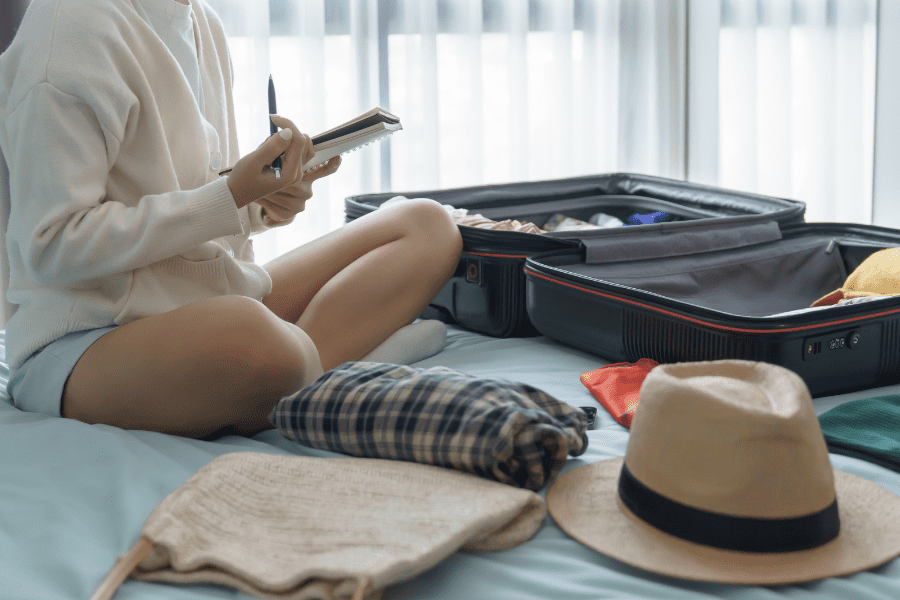
This record is necessary if you are:
- Landing as a permanent resident
- Moving to Canada in stages
- Doing a soft landing
- Arriving with only some of your belongings and sending other items later
That is very common. It was my experience too. A simple question to ask yourself is:
Will any of my belongings arrive in Canada after I land?
If the answer is yes, you should prepare a goods to follow list.
What is the difference between BSF186, BSF186A, and B4?
This is where many newcomers get confused, and honestly, that is understandable. People hear one term from friends, see another term online, and then find a different form name on the official website.
Here is a simple way to understand the different names you may see online and on official forms.
BSF186 vs BSF186A at a Glance
| Name | Status | What is it for? |
| *BSF186 | Current / Official | The main form used to list your personal belongings. |
| BSF186A | Current / Official | An “extra continuation page” if you have too many items to fit on the main form. |
| B4 / B4A | Old / Outdated | The former names for these forms. Many websites still use these terms. |
*Access the form Personal Effects Accounting Document (BSF186) also known as Settler’s Effect Lists.
Why Your Goods to Follow List Matters
This step matters because many newcomers do not move everything at once. For example, some people may do a “soft landing”, or return to finish work or family commitments, or wait until they find housing in Canada before shipping larger items. Others cannot manage a full international move in one trip.
A proper goods to follow list can help you:
- Show clearly what is coming later
- Avoid confusion when your shipment arrives
- Keep your belongings tied to your original landing record
- Make the border process smoother
This is one of those tasks that may not feel urgent before you travel, but you’ll be glad you did it properly later.
When Do I Show the Goods to Follow List?
You must show your goods to follow list Canada at your first point of entry. This is usually the first airport where you land or the first land border you cross.
💡Important: Do this even if you aren’t shipping your goods for another six months. If you don’t get your list stamped during your initial landing, it is difficult to add items later.
Many newcomers think that they need to wait until the shipment is on the way. Usually, that is not the best approach. It is better to prepare the list before you travel so you are ready when you arrive. CBSA also explains that you can complete Form BSF186 before you arrive in Canada.
How Do I Create a Goods to Follow List for Canada?
When I prepared mine, I kept it simple but detailed. The goal is to make it easy for the officer to understand what is with you now and what will arrive later. If you are still figuring out the logistics of moving your life across borders, see our complete guide on How to Transfer Money and Ship Goods When Moving to Canada.
1. Make two separate lists
Prepare:
- One list for goods accompanying you
- One list for goods to follow
Keeping them separate makes the process easier and avoids confusion at the border.
2. Describe each item clearly

For each item, include:
- What the item is
- Quantity
- Value in Canadian dollars
- Make and model for expensive items
- Serial number, if there is one
💡What to Put on Your Goods to Follow List
For each item, include a clear description, quantity, and value in Canadian dollars. For expensive items, add the make, model, and serial number if possible. The clearer your list is, the easier it will be later if your shipment is checked against it.
Sample Goods to Follow List for Canada
Here is a simple example of what your list can look like to use as a guide:
| Item | Description | Quantity | Value (CAD) | Serial Number: |
| Clothing | Men’s and women’s clothing | 4 boxes | 1,200 | N/A |
| Laptop | Dell XPS 13 | 1 | 900 | ABC12345 |
| Kitchen items | Pots, pans, utensils, plates | 3 boxes | 450 | N/A |
| Books | Personal books and study materials | 2 boxes | 300 | N/A |
| Jewellery | Gold necklace and ring set | 1 set | 1,800 | Photos attached |
| Bicycle | Trek hybrid bicycle | 1 | 600 | TRK77821 |
3. Group everyday household items together
You do not need to list every spoon, shirt, or towel separately. You can group simple items such as clothes, books, kitchen items, linens, and toys (see table above). This keeps your list practical and readable.
4. List high-value items separately
These items are more likely to raise questions if described too generally. List the following items separately:
- Laptops
- Cameras
- Watches
- Bicycles
- Musical instruments
- Tools
- Collectibles
- Jewellery
Jewellery Needs Extra Care
When I prepared my own list, I took photos of my jewellery and made sure it was listed in detail. That extra effort helped, and I still remember the border officer telling me my list was very detailed and well done.
For jewellery, it is smart to include:
- A clear description
- Type of item
- Metal or stones, if relevant
- Estimated value
- Photos
💡For higher-value items, an appraisal can also help. Even if you do not have appraisals for everything, clear photos and a careful list can make a big difference.
5. Use the current value in Canadian dollars
Do not focus on the original price you paid years ago. Convert the value of your goods to current Canadian dollars before filling out the form to meet IRCC and CBSA requirements. The value does not need to be perfect down to the last dollar. Just be realistic and consistent.
6. Bring two copies
Bring two copies of your lists so one can be stamped and returned to you.
Keep that stamped copy in a safe place.
What Can You Put on the List?
You can usually include personal and household items such as:
- Clothing
- Books
- Electronics
- Furniture
- Kitchen items
- Children’s items
- Jewellery
- Bicycles
💡Tip: Check out the CBSA site for other specifications that apply to jewellery, wedding gifts, and value limitations. For example, for personal and household items that are worth more than CAN$10,000, you must pay duty and taxes on the amount over CAN$10,000.
Can Goods Arrive in More Than One Shipment?
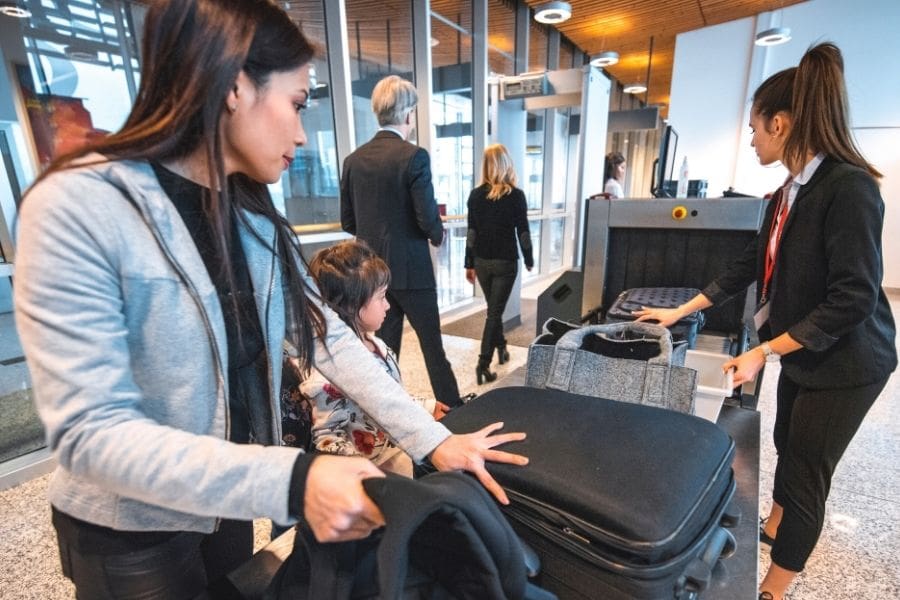
Yes. This is common for newcomers. For example, you may:
- Arrive with luggage first
- Ship a few boxes later
- Send larger furniture once you have housing
- Ask family to send more personal belongings later
The important thing is that the items were listed on your original stamped goods to follow list.
Can I Add Items Later?
Usually, you should assume no.
That is why it is so important to prepare your list as carefully as you can before you land. Many newcomers think they can add something later if they forget it, but that is not something you should rely on.
If there is any item you may ship later, it is better to include it now.
Try to include everything you may send later.
What Does Not Belong on the BSF186 Form?
You do not need to include the following documents on your BSF186 form:
- University transcripts
- Educational certificates
- Resumes
- Reference letters
- Professional licences
While these settlement documents are important, they are not personal goods for customs purposes.
Keep these documents with your important travel and immigration papers, but do not include them on your customs list. For that separate settlement prep, read our guide, Documents to Carry to Canada for PR.
What Happens When Your Goods Arrive?
When your shipment reaches the border, having a stamped goods to follow list Canada will ensure you don’t pay unnecessary duties.
The moving company or shipping company will contact you. You will need to present your stamped copy of the BSF186 to “clear” customs. To ensure your boxes are packed and labeled correctly for this process, review our checklist, Shipping Household Goods and Personal Items.
💡Tip: Keep your stamped copy in a safe place with your passport and COPR. It is one of the most important documents you will have during your first year in Canada!

Common Mistakes to Avoid
This is where many newcomers get caught, especially when they are already busy with travel plans and landing documents.
| Mistake | Why it’s a Problem | How to Avoid It |
| Waiting until the airport | Leads to stress, forgotten items, and errors under pressure. | Prepare both lists at least one week before you travel. |
| Mixing the two lists | May confuse Border Officers and delay processing. | Keep Goods Accompanying and Goods to Follow as separate documents. |
| Missing serial numbers | Makes it harder to prove ownership of high-value electronics. | Record serial numbers for laptops, cameras, and specialized tools. |
| Bringing only one copy | The officer needs to keep one; you won’t have a stamped receipt. | Always carry two printed copies of every list. |
| Excluding “maybe” items | You cannot easily add items to the list after you have landed. | List everything you might ship later, even if unsure. |
Checklist Before You Travel
Before you leave for Canada, make sure you have:
- Two printed copies of the Goods Accompanying list.
- Two printed copies of the Goods to Follow list.
- Values in Canadian dollars.
- Serial numbers for electronics and photos for jewellery.
This is one of those small steps that can make a big difference later. If you are already managing a lot before your move, you are not alone. Many newcomers find this confusing at first. But once your goods to follow list is done, you will feel much more prepared.
💡 Moving Tip: Custom forms like the BSF186 protect your belongings, but what about your health? Most newcomers face a 3-month gap before provincial health coverage kicks in. Read our guide on Travel Medical Health Insurance for Newcomers to stay protected during your move.
Final Thoughts
A goods to follow list Canada is a record of personal or household belongings that will arrive after you land. Newcomers should prepare one list for the items they bring with them and another for the items arriving later. Use the main form BSF186, and BSF186A if you need more space. The goods should be listed at first entry and should have been owned and used before landing.
FAQs
Yes, if you expect personal belongings to arrive later. This is one of the most common situations for newcomers.
It is always better to prepare the list before your first landing, because fixing this later may not be simple. This is a stressful situation for many newcomers.
It should be detailed enough that someone can understand what the item is and match it later if needed. Group simple household goods, but list valuables more clearly.
Yes. You can group everyday items like clothes, books, linens, or kitchen items.
Describe it carefully, include the value, and keep clear photos. For higher-value items, an appraisal can also help.
Yes, this happens often. What matters most is that the items were owned and used before landing and were listed on the original stamped form.
Yes, B4 is the older name many people still use. The current form names are BSF186 and BSF186A.
WRITTEN BY
Gitanjali Verma
Gitanjali Verma is a Toronto-based community advocate who is deeply involved in supporting newcomers to Canada. She serves as Co-Chair of the Toronto Newcomer Council and has been working with refugees for over a decade. Alongside her community work, she brings experience working with global organizations, including HSBC. Having lived and travelled across diverse cultures, she brings a global perspective to her work. Gitanjali is passionate about helping newcomers build confidence and find their footing, and shares practical, people-focused insights to support their journey in Canada.
© Prepare for Canada 2026