
With high fuel costs adding to car ownership, learning how to save money on gas in Canada can help you manage your monthly transportation budget. Whether you drive to work, run errands, or take longer trips, a few simple driving and maintenance habits can help your fuel go further.
Owning a vehicle involves car payments, insurance, registration, parking, maintenance, winter tires, and repairs. Finding ways to reduce everyday driving costs makes transportation far more manageable.
At a Glance: How to Save Money on Gas in Canada
- Accelerate gently and maintain a steady speed.
- Obey speed limits
- Avoid unnecessary idling.
- Check tire pressure and maintain your vehicle.
- Remove excess weight and unused roof racks.
- Plan routes and use Canadian fuel apps.
- Track your fuel use in L/100 km.
Why Fuel-Efficient Driving Matters for Newcomers
💡Newcomer Tip: Before buying a vehicle, look beyond the purchase price. Consider fuel consumption, insurance, maintenance, and regional fuel tax differences across provinces to understand what the vehicle will cost you each month.
When you are new to Canada, transportation can be a large part of your monthly budget. Gas prices fluctuate based on international oil markets and vary widely by province because of different regional fuel taxes and carbon pricing structures. For example, British Columbia, Ontario, and Alberta often have noticeably different pump prices.
Fuel costs can also vary depending on how far you commute, where you live, the vehicle you drive, and how often you travel.
For newcomers settling into a new job, city, or household budget, finding simple ways to save money on gas in Canada can make transportation costs more manageable.
If you are getting familiar with Canadian road rules, read Prepare for Canada’s guide to 10 key facts newcomers should know about driving in Canada.
💡 Planning Your Canadian Budget?
Managing transportation costs is just one part of settling in. To build a complete monthly budget, read our guide on How to Manage Your Personal Finances When You’re New to Canada.
If you are searching for a home close to work or transit to shorten your commute, use our Rental Apartment Viewing Checklist to evaluate prospective neighbourhoods. And download our step-by-step Rental Application Guide to secure your next home with confidence:

7 Tips to Save Money on Gas in Canada
1. Accelerate and Brake Gently
Accelerating rapidly uses more fuel than gradually increasing speed. Natural Resources Canada (NRCan) notes that fuel-efficient driving techniques can reduce fuel consumption and carbon dioxide emissions by up to 25%.
Try to:
- Look ahead for traffic lights and congestion.
- Leave enough space between you and the vehicle ahead.
- Accelerate gradually (aim for about five seconds to reach 20 km/h).
- Coast safely when you need to slow down.
💡 Fuel-Saving Tip: Imagine an open cup of coffee sitting on your dashboard. Accelerate and brake smoothly enough that it would not spill.
2. Maintain a Steady and Legal Speed
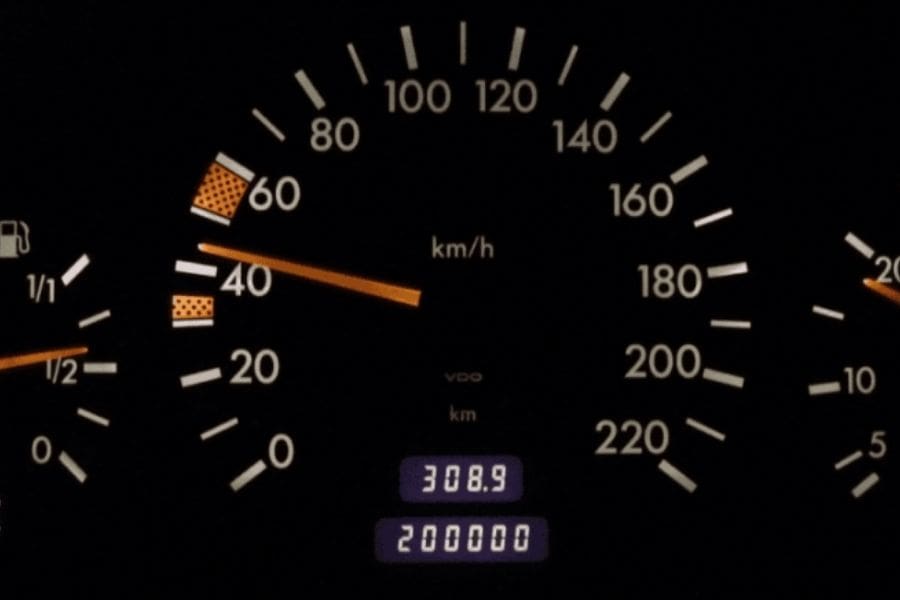
Constantly speeding up and slowing down consumes excess fuel. Speed itself is a major factor: NRCan states that a vehicle travelling at 120 km/h uses about 20% more fuel than the same vehicle travelling at 100 km/h.
When road and weather conditions are suitable, cruise control can help you maintain a consistent speed on the highway.
Avoid cruise control on:
- Wet, snowy, or icy roads
- Steep hills or winding roads
- Heavy traffic
3. Avoid Unnecessary Idling
Idling means leaving your engine running when your vehicle is not moving. NRCan recommends turning off your engine if you expect to stop for more than 60 seconds (except in traffic).
Modern vehicles generally do not need long warm-up periods. In cold weather, follow your vehicle manufacturer’s instructions and drive moderately during the first few minutes.
4. Check Your Tire Pressure

Properly inflated tires help your vehicle operate efficiently and safely. NRCan reports that driving with tires underinflated by 56 kPa (8psi) can increase fuel consumption by up to 4%.
- Check tire pressure at least once a month.
- Match the recommended pressure found on the driver’s door jamb label, not the maximum pressure printed on the tire itself.
💡 Quick Check: Tire pressure is one of the simplest things you can monitor yourself, and it can help with fuel economy, tire life, and vehicle safety.
5. Remove Unnecessary Weight
The heavier your vehicle, the more energy it needs to move. NRCan estimates that fuel consumption in a mid-size car increases by about 1% for every additional 25 kg of weight carried.
To save money on gas in Canada, clear out items in your trunk such as heavy boxes, sports gear, or unused tools. Be sure to keep essential emergency and winter safety supplies in the vehicle.
If you are buying a vehicle and want to control long-term costs, Prepare for Canada also has a guide on buying a used car in Canada.
6. Remove Roof Racks When Not in Use
Roof boxes, bike racks, ski racks, and other external accessories create aerodynamic drag. NRCan highlights that exterior racks noticeably increase fuel consumption, particularly at highway speeds.
When possible, pack luggage inside the vehicle without blocking your view or exceeding the vehicle’s cargo limit to save money on gas in Canada.
💡Road-Trip Tip: Remove unused external accessories when your road trip or activity is complete.
7. Plan Routes and Use Canadian Fuel Apps

Combining errands into a single trip is another simple way to save money on gas in Canada. This is more efficient than taking multiple short, cold-start trips.
To maximize savings at the pump, track local prices using tool apps for Canadian drivers.
- GasBuddy: Features real-time crowd-sourced pump prices across Canadian cities and provinces.
- CAA Fuel Price Finder: Displays provincial averages and local station prices to help you plan where to fill up.
Note: Avoid driving long out-of-way distances to save a cent per litre, as extra driving will reduce the savings.
Track Your Fuel Consumption in L/100 km to Save Money on Gas in Canada
In Canada, fuel consumption is commonly measured in litres per 100 kilometres, or L/100 km. A lower number means better fuel efficiency.
Formula:
Litres used ÷ kilometres driven × 100 = L/100 km
Example: If you use 45 litres of gas to drive 600 kilometres:
45 ÷ 600 × 100 = 7.5 L/100 km
Tracking your fuel consumption over time can help you notice changes caused by tire pressure, driving habits, additional cargo, weather, or vehicle maintenance.
NRCan’s 2026 Fuel Consumption Guide provides model-specific fuel ratings for all light-duty vehicles sold in Canada.
Checklist: Save Money on Gas in Canada on Road Trips
Before heading out on a long drive, run through this quick checklist to save money on gas in Canada and protect your travel budget:
- Check your tire pressure.
- Remove unnecessary trunk cargo and unused roof racks.
- Plan routes via mapping apps to avoid peak gridlock.
- Compare local station prices via GasBuddy or CAA.
- Drive smoothly and obey speed limits.
If you are still learning to drive here, the Prepare for Canada’s Learning to Drive in Canada as a Newcomer guide can help you build safe Canadian driving habits.
Potential Gas Savings by Driving Habit (NRCan Data)
| Driving / Maintenance Habit | Estimated Fuel Impact (NRCan Data) |
|---|---|
| Smooth Acceleration (5s to 20 km/h) | Reduces fuel use and carbon dioxide emissions by up to 25% |
| Driving at 100 km/h vs. 120 km/h | Reduces highway fuel consumption by ~20% |
| Correct Tire Inflation (+56 kPa / 8 psi) | Prevents up to a 4% increase in fuel use |
| Trunk Cargo Weight Reduction (-25 kg) | Improves fuel economy by ~1% |
Save Fuel Without Sacrificing Safety
Fuel-efficient driving is about making smarter choices, not compromising safety or comfort. Even modest improvements in fuel consumption can help you save money on gas in Canada and make car ownership more manageable.
And remember that Canadian driving conditions change considerably with the seasons. When the temperature drops, Prepare for Canada’s Winter Driving in Canada: 7 Essential Safety Tips for Newcomers can help you prepare for snow, ice, winter tires, and colder-weather driving.
Frequently Asked Questions
Start with zero-cost habits: accelerate gently, maintain a steady speed, avoid idling, check cold tire pressure monthly, and use Canadian gas-tracking apps to find lower fuel prices.
Yes. Natural Resources Canada states that driving at 120 km/h can use about 20% more fuel than driving at 100 km/h.
Check tire pressure at least once a month and before long trips, using the recommended pressure listed inside your driver’s door frame.
It measures how many litres of fuel a vehicle requires to travel 100 kilometres. The lower the number, the more fuel-efficient the vehicle is.
Summer festivals across Canada are a great way for newcomers to explore their city, experience local culture, and connect with local communities. From live music and comedy to multicultural celebrations and outdoor fairs, these events can help you feel more connected to your new home. Whether you enjoy live music, outdoor comedy, or multicultural street fairs, late July through early September is packed with memorable events.
Top Festival Picks for Late Summer 2026
| Festival Name | City, Province | 2026 Dates | Best For |
| Winnipeg Fringe Theatre Festival | Winnipeg, MB | July 15 – 26 | Theatre, Comedy, Street Performances |
| Montréal Comedy & Arts Festivals | Montréal, QC | Late July – August | Bilingual Live Comedy & Performing Arts |
| Calgary Folk Music Festival | Calgary, AB | July 23 – 26 | Outdoor Live Music & Family Outings |
| Halifax Busker Festival | Halifax, NS | July 29 – August 3 | Waterfront Entertainment & Street Acts |
| Toronto Caribbean Carnival | Toronto, ON | July 30 – August 3 | Parade Costumes, Music & Caribbean Culture |
| Edmonton Heritage Festival | Edmonton, AB | August 1 – 3 | Multicultural Food, Dance & Traditions |
| Folklorama | Winnipeg, MB | August 2 – 15 | Global Cultural Pavilions & Performances |
| Festival acadien de Caraquet | Caraquet, NB | August 2 – 15 | Francophone Culture & Maritime History |
| Edmonton Folk Music Festival | Edmonton, AB | August 6 – 9 | Relaxed Outdoor Concerts in the Park |
| Canadian National Exhibition (CNE) | Toronto, ON | August 21 – September 7 | Rides, Food, Games & Classic Canadian Traditions |
📌Key Takeaway for Newcomers
- You do not need a large travel budget to participate. Visiting a local street fair, an outdoor concert, or a weekend community festival is one of the easiest ways to build confidence and feel at home in Canada.
My Experience: Finding Belonging Through Summer Festivals
Some of my own early festival outings in Ontario helped me better understand the place where I was starting to build my life. Later, experiencing events in other parts of Canada, including the atmosphere of Montréal’s summer streets, showed me how distinct each region can feel in summer. You do not need a huge budget to enjoy that experience.
Even a local festival, an outdoor concert, or a short weekend outing can help you feel more connected to your new home and more confident exploring life in Canada.
Why Summer Festivals are Worth Exploring as a Newcomer
When you are settling into Canada, festivals can help you feel more at home. Many are free or low-cost, easy to access, and filled with activities for all ages. Festivals are also a great way to learn more about the city or region where you are building your new life.
Attending local summer festivals can help you:
- Discover new neighbourhoods and navigate public transit systems.
- Enjoy free or low-cost entertainment without overspending.
- Learn regional traditions and experience Canada’s multicultural identity firsthand.
- Create positive memories in your first months in Canada.
10 Top Summer Festivals to Enjoy Across Canada
1. Winnipeg Fringe Theatre Festival
Location: Winnipeg, Manitoba
Dates: July 15 to 26, 2026
The Winnipeg Fringe Theatre Festival is one of the city’s signature summer events, bringing theatre, comedy, and lively street energy to Winnipeg in the second half of July.
For newcomers, this festival is especially appealing because it feels accessible. You can enjoy a few shows, spend time downtown, and experience a well-known Canadian arts festival without needing a large budget.
🌾Thinking of making Manitoba your home? Read our Living in Winnipeg guide to learn more about the city’s cost of living, settlement services, and community life.
2. Montréal Summer Comedy & Performing Arts
Location: Montréal, Québec
Dates: Late July to August 2026
Montréal is world-famous for its summer comedy and street arts culture. Events like the Montreal Comedy Festival and regional performing arts showcases fill the Place des Festivals with bilingual performances. It is an ideal showcase of Québec’s vibrant culture and international flair.
3. Calgary Folk Music Festival
Location: Calgary, Alberta
Dates: July 23 to 26, 2026
The Calgary Folk Music Festival takes place in Prince’s Island Park and is known for its outdoor setting, relaxed atmosphere, and wide mix of performers.
If you are new to Canada, this festival is a good reminder that summer here is not only about tourism highlights. It is also about local traditions, community gatherings, and enjoying parks, music, and long evenings outdoors.
4. Halifax Busker Festival

Location: Halifax, Nova Scotia
Dates: July 29 to August 3, 2026
The Halifax Busker Festival brings performers, entertainers, and crowds to the Halifax waterfront in a fun, casual setting.
For newcomers in Atlantic Canada, this is a simple and memorable way to enjoy summer. The waterfront setting makes it easy to combine festival time with sightseeing, dining, or a relaxed walk by the harbour.
🌊 If you’re considering settling in Nova Scotia, explore our complete guide on Living in Halifax for insights on housing, transit, and local neighbourhoods.
5. Toronto Caribbean Carnival

Location: Toronto, Ontario
Dates: July 30 to August 3, 2026
As one of North America’s largest cultural events, the Toronto Caribbean Carnival features vibrant costumes, music, parade atmosphere, and food. It stands as a vivid celebration of Caribbean culture in Canada’s most diverse city. For newcomers, it is also a powerful reminder that multiculturalism in Canada is something you can experience in a very real and joyful way.
6. Edmonton Heritage Festival

Location: Edmonton, Alberta
Dates: August 1 to 3, 2026
The Edmonton Heritage Festival is one of the best newcomer-friendly festivals on this list. Designed around multicultural food, music, dance, and community participation, visitors experience many cultures in one event.
If you want to experience Canada’s diversity in a practical, welcoming, and family-friendly setting, this is one of the best festivals to attend. It is also a great choice if you are looking for a low-pressure event where you can explore and enjoy.
7. Folklorama
Location: Winnipeg, Manitoba
Dates: August 2 to 15, 2026
Folklorama is one of Canada’s best-known multicultural festivals and a standout event in Winnipeg. Visitors can explore cultural pavilions, food, performances, and traditions from communities across the city.
This is an especially meaningful festival for newcomers because it reflects the many backgrounds that shape life in Canada today. It can also be comforting to attend an event where culture, identity, and community are celebrated so openly.
8. Festival Acadien De Caraquet
Location: Caraquet, New Brunswick
Dates: August 2 to 15, 2026
The Festival Acadien de Caraquet offers something different from the larger urban festivals on this list. It highlights Acadian culture and traditions, giving newcomers a chance to learn more about francophone life outside Québec
This is a valuable reminder that Canada is regionally diverse, with strong local histories and identities from coast to coast. Exploring festivals like this can help you better understand the country beyond the biggest cities.
9. Edmonton Folk Music Festival
Location: Edmonton, Alberta
Dates: August 6 to 9, 2026
The Edmonton Folk Music Festival is another strong Western Canada option for late summer. It is known for its welcoming atmosphere, outdoor setting, and mix of artists that appeal to a broad audience.
For newcomers, this kind of festival can be a very easy introduction to summer life in Canada. Bring a blanket, enjoy the music, and take in the community atmosphere. Sometimes those simple experiences are the ones that stay with you.
🏙️ Check out our Living in Edmonton guide for practical tips on renting, job markets, and everyday life in the “Festival City.”
10. Canadian National Exhibition (CNE)

Location: Toronto, Ontario
Dates: August 21 to September 7, 2026
The Canadian National Exhibition, often called the CNE or The Ex, is one of Canada’s classic fairs. With iconic rides, food, entertainment, exhibits, games, shopping, and family attractions, it offers a classic end-of-summer Canadian experience. For newcomers who recently arrived in Ontario, it can be one of the first major seasonal traditions they experience.
🏠Fell in Love with a City or Neighbourhood During Summer Festival Season?
Attending local events is often how newcomers discover their ideal neighborhood. Ready to turn exploring into settling down? Download our guide to build a winning rental application, even without a Canadian credit history.
How to Choose the Right Festival For You
The best festival for you depends on where you live, what you enjoy, and your budget.
Choose by Interest
- Multicultural Experiences: Edmonton Heritage Festival, Folklorama, Toronto Caribbean Carnival
- Music: Calgary Folk Music Festival, Edmonton Folk Music Festival
- Comedy and Live Performance: Montréal Comedy Festivals, Winnipeg Fringe Theatre Festival
- Regional Culture: Festival acadien de Caraquet, Halifax Busker Festival
- End-of-Summer Tradition: Canadian National Exhibition
Choose by Location
If you are still settling into Canada, start close to home. A local festival can help you get to know your city, use public transit more confidently, and discover neighbourhoods you may not have explored yet.
Choose by Budget
Not every festival requires a big spend. Some offer free outdoor activities, while others let you enjoy the atmosphere without paying for every attraction. Set a simple budget before you go, and remember that even one afternoon out can be enough to make the day feel special. If housing costs are taking up a big part of your income, these tips to save money on rent in Canada may help you make more room in your budget for outings and daily life.
Newcomer Tips Before You Go
Before you head out to a summer festival, keep these tips in mind:
- Verify Official Details: Check official event websites for ticket pricing and venue policies.
- Take Public Transit: Parking near major festivals can be limited and costly. Transit is often the fastest route.
- Pack Summer Essentials: Bring water, sunscreen, comfortable shoes, and a light jacket for cooler evenings.
- Set a Budget: Decide on a budget ahead of time for festival food, rides, or other purchases.
- Explore with Friends: Inviting a neighbour or fellow newcomer is a great way to explore local culture.

A Simple Newcomer Example
Imagine you arrived in Canada just a few weeks ago. You may have been busy with housing, banking, paperwork, job searching, or simply trying to adjust. By late July or August, you may finally feel ready to explore a little more.
That is exactly why festivals matter. They give you an easy reason to go out, see more of your city, and start building positive memories. Even one good festival day can help you feel more connected to your new home.
Final Thoughts
Your first summer in Canada does not have to be only about settling in. It can also be about exploring, enjoying your new surroundings, and finding moments of connection along the way. Festivals make that easier.
Whether you choose a comedy festival in Montréal, a multicultural pavilion in Winnipeg, a music event in Alberta, or the CNE in Toronto, you will be taking part in experiences that help Canada feel more familiar.
Next Steps for Newcomers
Exploring summer festivals is just one part of feeling comfortable in your new community. Check out these popular Prepare for Canada housing guides to help you settle in:
- 📊 Rental Affordability: Discover how much you should expect to spend on rent in top Canadian cities.
- 📄 Tenant Rights in Canada: Understand lease agreements, deposits, and landlord rules.
- 🏠 Housing Resources for Newcomers: Step-by-step guides to finding and securing your first apartment.
FAQs About Summer Festivals in Canada
Some of the strongest options include Winnipeg Fringe Theatre Festival, Montréal Comedy Festivals, Calgary Folk Music Festival, Halifax Busker Festival, Toronto Caribbean Carnival, Edmonton Heritage Festival, Folklorama, Edmonton Folk Music Festival, Festival acadien de Caraquet, and the CNE.
Yes. The CNE is one of Canada’s best-known late-summer events and gives newcomers a chance to experience a long-running Canadian tradition in a lively, accessible setting.
Yes. Winnipeg is especially strong in this article because it includes both the Winnipeg Fringe Theatre Festival and Folklorama. Together, they offer arts, culture, and multicultural experiences later in the summer.
Edmonton Heritage Festival, Folklorama, and Toronto Caribbean Carnival are the strongest choices if you want multicultural food, music, dance, and community celebration.
Many of them are. The Halifax Busker Festival, CNE, Edmonton Heritage Festival, Folklorama, and the folk festivals in Calgary and Edmonton are all good examples of events that can work well for families.
At A Glance
- Build Critical Skills: Summer jobs help newcomer teens build confidence, responsibility, and vital Canadian workplace habits.
- Know the Rules: Before your teen starts working, ensure you understand provincial age rules, Social Insurance Number (SIN) requirements, and work eligibility.
- Active Parental Help: Parents can help with resume building, the job search, and interview preparation.
As a newcomer parent, you may be wondering whether teen summer jobs in Canada are a good idea for your child. In many families, school comes first, and part-time work may not feel necessary or even desirable. Many newcomer parents focus entirely on academics first, which is completely understandable. However, when your teen begins to grasp how local work culture functions, it actually helps the whole family. Watching your child navigate independent schedules, professional communication, and workplace expectations makes it easier for them to approach future career steps confidently.
In Canada, summer jobs are often seen as a normal and useful part of growing up.
When I moved to Canada, I was not raising teenagers myself, but I watched my friends’ children go through this process. Over time, I came to appreciate how summer jobs can help young people build soft skills, responsibility, and a strong work ethic. Adjusting to a new country involves a large checklist, from setting up housing to figuring out daily routines. If your family has recently arrived, reviewing the First Things to Do After Landing in Canada can help you build your baseline before diving into the youth job market.
Here is what newcomer parents need to know.
Why Do Summer Jobs Matter for Newcomer Teens?
A summer job can do much more than give your child extra spending money. It can help them grow in ways that matter later at school, in future careers, and in daily life.
The Biggest Benefits of Early Work Experience
- Builds responsibility: Teens learn the importance of showing up on time, following instructions, and taking their commitments seriously.
- Develops soft skills: A first job improves teamwork, customer service, problem-solving, and communication skills.
- Boosts confidence: Working helps teens become more comfortable speaking with adults, asking questions, and handling unfamiliar situations.
- Teaches workplace habits: They begin to understand how Canadian workplaces function, including schedules, taxes, and professionalism.
- Starts building experience: Even an entry-level job gives your child valuable skills for their resume.
For newcomer families, the benefits are even greater. A summer job provides your teen with their first local reference, helps them feel more connected to their community, and makes the Canadian job market feel less unfamiliar.
💡 Why Many Newcomer Parents Support Summer Jobs
In Canada, early work experience helps your teen build local confidence, learn independence, and secure vital Canadian references. For more on navigating these cultural shifts, see our guide on parenting styles and raising children in Canada.
Can High School Students Work In Canada?
Yes, many high school students can work in Canada. But labour laws vary by province, which means the rules are not the same everywhere.
Before your teen accepts a job, parents should look at these three key factors:
- Age requirements: Minimum working ages and job restrictions vary by industry.
- Provincial or territorial rules: Labour laws and regulations vary depending on where you live.
- Immigration status: You must verify that your teen’s visa or permit conditions allow them to work in Canada.
If you are unsure, the Government of Canada’s youth and student employment page is a good place to start. You can also ask a trusted settlement worker, school advisor, or community agency for guidance.
What Should Parents Check Before Their Teen Starts Working
Before your child begins applying for summer jobs, make sure these basics are in place.
| What to Check | Why it Matters |
|---|---|
| Social Insurance Number (SIN) | Your teen needs a SIN to work and be paid legally in Canada. |
| Work Eligibility | Their immigration status or permit conditions must allow them to work. |
| Provincial Age Rules | The minimum working age and job restrictions vary by province. |
| Resume | A Canadian-style resume helps your teen successfully apply for first jobs. |
| Job Safety and Schedule | Parents should make sure the work is safe and manageable. |
To help you get these basics sorted, here is a closer look at each requirement, what it means, and how to check it.
1. A SIN
Your child needs a Social Insurance Number (SIN) to work legally in Canada. Parents or guardians can also help a minor apply for a SIN online or at a Service Canada location. For a step-by-step guide and the documents you need, read our guide on How to Apply for a Social Insurance Number in Canada.
2. The Right Work Eligibility
If your child is here under a temporary status (such as a work permit or study permit), check their documents carefully before they accept a job. The Government of Canada explains more about working as an international student in Canada or as a dependent.
3. Age Rules in Your Province
The kind of work a teen can do often depends on their age and where they live. For example, some provinces allow 14-year-olds to work in retail or food service but restrict them from working in factories or construction for safety reasons.
4. A Simple Resume
Many teens have zero paid work experience, and Canadian employers expect that. A great first resume can focus on:
- Volunteer work and community service
- School clubs, sports teams, or committees
- Casual neighbourhood jobs (babysitting, lawn mowing, tutoring)
- Leadership roles at school or places of worship
- Languages spoken
- Certifications (such as First Aid, CPR, or food safety)
📥 Free Download: Canadian Resume Template
Don’t let a lack of experience hold your child back. Check out our practical guide on Eight Tips to Write a Canadian-Style Resume to ensure your child highlights their strengths effectively. You can also help your teenager build a clean, professional, and employer-ready resume in minutes with our free layout.
👉 Download Your Free Canadian-Style Resume Template Now

Minimum Legal Working Age Across Canada
While laws can vary for specific high-risk industries (like construction or mining), here is the general age rule for standard youth-friendly positions like retail, camp counselor roles, and food service:
| Province or Territory | Minimum General Working Age | Key Requirements & Rules |
| Ontario | 14 | Ages 14–15 are restricted from factory floors and fast-food kitchens (serving areas are fine). |
| British Columbia | 16 | Ages 14–15 can perform supervised “light work” with written parental consent. |
| Alberta | 15 | Ages 13–14 can work specific retail, food service, or office roles with parental permission. |
| Quebec | 14 | Youth under 14 require formal, written parental consent to be hired legally. |
| Manitoba | 13 | Anyone under 16 must complete the mandatory Young Worker Readiness Certificate. |
| Saskatchewan | 16 | Ages 14–15 require parental consent and completion of young worker training. |
| Nova Scotia | 14 | Shift hours are restricted for 14- and 15-year-olds on school nights. |
| New Brunswick | 14 | Under-16s cannot work in heavy industrial, garage, or manufacturing environments. |
| Newfoundland & Labrador | 14 | Requires written parental consent; shifts must never conflict with school hours. |
| Prince Edward Island | 16 | Generally, 16 for most standard service jobs; younger requires direct permission. |
| Territories (YK, NWT, NU) | 14 – 15 | Varies slightly by region; strict oversight regarding nighttime hours and hazardous tasks. |
How Can Parents Help Their Child Find Teen Summer Jobs?

If you want to help your child secure teen summer jobs, Canada offers many seasonal opportunities. It helps to start early and look at local options together.
Many teenagers want to work but do not know how to begin. Here is how you can help them:
1. Talk About Why Your Teen Wants a Summer Job
Start with a conversation. Does your child want to earn money, gain experience, meet people, or feel more independent? Understanding their reason can help you guide them better.
2. Help Them Build a Simple Resume
Teens often need help explaining their strengths. You can help them list school activities, volunteer work, sports, and responsibilities that show reliability and teamwork.
3. Encourage Them to Start Early
Many summer jobs are posted well before summer begins. Job Bank has a youth section that can help teens look for opportunities.
4. Show Them Where to Look for Summer Jobs for Teens in Canada
A teen can look at:
- Canada Job Bank for Youth
- Local grocery stores
- Shopping malls
- Restaurants
- Community centres
- City recreation programs
- Summer camps
- Library websites
- Neighbourhood businesses
5. Encourage Safe Support
If your child feels shy or unsure, encourage them to talk to teachers, coaches, neighbours, family friends, or settlement workers. A newcomer employment centre, youth hub, or settlement agency may also offer resume help, workshops, and interview support.
6. Help Them Prepare for Interviews
Before an interview, encourage your child to read the job posting carefully, learn a little about the employer, and prepare one or two simple questions. That small step can make them feel much more confident.
Newcomer Spotlight: How “Tania” Found Her First Summer Job Through Networking
Name and some details have been changed for privacy.
“Tania” came to Canada with her parents and started high school while adjusting to a new country, a new school system, and a new routine. Like many newcomer teens, she did not have Canadian work experience, local references, or a big network when she started thinking about summer work.
At first, the idea of finding a job felt overwhelming. Instead of giving up, she started small. She talked to people around her, attended local community events, and let teachers and other adults know she was eager to find a summer job.
Those small steps helped her find part-time summer work in customer service and community support roles. That first job helped her improve her communication skills, become more confident, and understand what employers in Canada look for.
Her advice to other newcomer teens is simple: ask for help, stay open to opportunities, and keep trying. And for parents, her story is a reminder that even a small first job can help a child grow.
A Simple Parent Checklist
Before your teen starts applying, make sure you help them to:
- Confirm that they are allowed to work.
- Check the provincial employment age rules.
- Apply for a SIN.
- Create a simple resume.
- Research safe and youth-friendly local businesses that offer manageable schedules.
- Prepare for interviews.
Final Thoughts on Summer Jobs for Teens in Canada
For newcomer families, navigating summer jobs for teens can be a positive and practical first step toward long-term success. Securing a first summer job for teens helps them grow into confident, independent young adults while adapting to life in a new country.
That does not mean every teen needs a job right away. But it does mean that summer work can be a helpful option for many high school students, especially when parents understand the rules and support them along the way.
Questions Newcomer Parents Often Ask About Teen Jobs
Not necessarily. For many families, the key is balance. A summer job can work well if the schedule is manageable and your child still has time to rest, help at home, and prepare for the next school year.
That is normal for first jobs in Canada for teens. Most teenagers start with little or no formal work experience. Employers often look more at attitude, reliability, and willingness to learn than at past job titles.
A first job can actually help shy teens become more confident. Starting with a smaller role, a local employer, or a familiar environment can make the transition easier.
Check first. Do not assume. Review your family’s immigration, study, or work visas carefully. If the wording is confusing, consult a settlement worker or an immigration professional to confirm your teen’s work eligibility.
What You Need to Know
- Discovery Pass: A paid annual pass providing unlimited entry to over 80 Parks Canada destinations for 12 months.
- Canada Strong Pass 2026: A free public initiative running from June 19 to September 7, 2026, offering free Parks Canada admission, free youth rail/museum access, and 25% rebates on campgrounds and train fares.
- Canoo: A dedicated mobile app giving eligible newcomers free or deeply discounted access to thousands of cultural and natural experiences across Canada.
Exploring Canada as a newcomer is one of the most rewarding parts of settling into your new life. It helps you connect with your new community, understand the country’s vast geography, and discover its rich history. The good news is that it doesn’t have to break your budget. Three programs make travel affordable this year: the Parks Canada Discovery Pass, the Canada Strong Pass 2026, and the Canoo app.
Why Exploring Your Province Matters for Newcomers
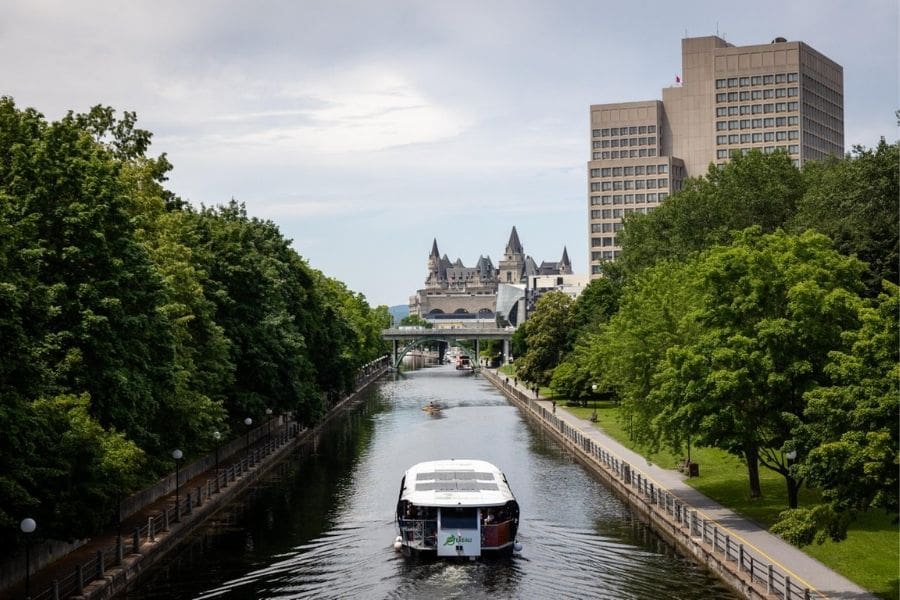
Settling in is about much more than managing paperwork, setting up banking, or starting a new job. It is about turning an unfamiliar place into a true home. When you explore your province, you start to understand the unique places, people, distances, and history around you. A museum visit, a day trip, or a weekend drive can help you connect to your new community.
My Experience: My own early visits in Ontario helped me understand the place where I was building my life. Later, travelling further showed me just how distinct each Canadian region is. You don’t need a massive travel budget to start. Immense value comes from simple day trips, local museum visits, and weekend drives.
Exploring your new province is exciting, but it also helps to balance travel plans with everyday settlement costs. As you build your budget, it’s smart to conquer your vital settlement milestone first. You can check out our handy checklist in First Things to Do After Landing in Canada to map out your initial setup.
💡 Newcomer Tip: Secure Your Home Base First
Finding an affordable place to live is the secret to freeing up your budget for Canadian travel. Before you map out your next weekend road trip, make sure your housing is lined up. Browse thousands of neighbourhood apartment and housing listings tailored for new arrivals at Rentals for Newcomers! To stand out to landlords the moment you find the perfect place, download our Ultimate Rental Application Guide for Newcomers to prepare your paperwork in advance.
See How the Discovery Pass, Canada Strong Pass 2026, and Canoo App Compare
If you are wondering which option is right for you, this quick comparison shows the main differences at a glance.
| Program | Who it is For | Key Benefits | Estimated Cost |
|---|---|---|---|
| Parks Canada Discovery Pass (view pass details) | General public & tourists | 12 months of unlimited entry to 80+ national sites. | Paid annual pass ($83.50 adult / $167.50 family) |
| Canada Strong Pass 2026 (check summer dates) | General public & tourists | Free entry to federal sites/museums; 25% off camping & VIA Rail (June 19 – Sept 7, 2026) | Free |
| Canoo App (download mobile app) | Permanent Residents (<5years) & New Citizens (<1 year) | Free or discounted admission to 2,000+ national & local attractions. | Free mobile application |
While the table gives you a high-level breakdown, each of these programs has specific rules, hidden costs, and eligibility windows. Here’s what you need to know to maximize the benefits of each program.
1. How Much Does the Parks Canada Discovery Pass Cost?
The Parks Canada Discovery Pass is an annual admission pass valid for 12 months. It covers entry fees for more than 80 national parks, historic sites, and marine conservation areas the federal government manages.
Who is eligible?
This public pass is for the general public and newcomers. Canadian citizens, permanent residents, temporary workers, students, and international students can buy a pass.
Current 2026 Pricing
- Adult (18-64): $83.50
- Senior (65+): $71.50
- Family/Group (Up to 7 people in one vehicle): $167.50
- Note: Youth aged 17 and under receive free entry to Parks Canada sites.
When does it make sense to buy one?
A Discovery Pass is cost-effective if you:
- Plan to visit several national parks throughout the year
- Expect to travel outside of the summer months
- Want year-round value in addition to the summer offer
💡Important 2026 Rule: Because of the summer tourism initiative, standard Discover Passes are only sold outside of the Canada Strong Pass period. If you already hold and active Discovery Pass that overlaps with the summer, Parks Canada will automatically extend your pass expiry date for an extra three months at no additional charge. You can verify your automatic pass extension via Parks Canada.
2. What is included in the Canada Strong Pass 2026?
The Canada Strong Pass is a temporary federal initiative returning for the summer of 2026. It is open to all domestic residents and international travellers.
Key dates & benefits (June 19 to September 7, 2026)
- Parks Canada Sites: Free admission for all visitors at national parks, historic sites, and marine conservation areas, plus a 25% discount on camping and roofed accommodations (view the official list of participating Parks Canada places).
- National & Regional Museums: Free train travel nationwide for kids aged 17 and under (when accompanied by an adult) and 25% off Escape and Economy fares for young adults aged 18 to 24.
- Free Waterway Lockage: Waived lockage fees at seven canals administered by Parks Canada on historic waterways
How do you apply for the Canada Strong Pass 2026?
You don’t need to apply, sign up, or download a code. The discounts are automatic when you show up at participating sites from June 19 to September 7 to claim your savings.
Why the Canada Strong Pass 2026 is helpful for newcomers
Even though it is a public offer, it is especially useful if you want to explore your province or another part of Canada on a budget during summer 2026. With free admission to Parks Canada sites, free or reduced admission at participating museums and galleries, and selected VIA Rail discounts, it’s a low-cost travel option for newcomers.
3. What is the Canoo App and Who Qualifies?
Canoo is the most newcomer-focused program in this article. It is specifically designed to welcome new arrivals by removing financial barriers to Canadian culture.
Canoo is a free app for newcomers that gives eligible newcomers access to thousands of experiences across Canada, including museums, parks, theatre festivals, concerts, and other attractions.
Who is eligible for Canoo?
- Permanent Residents (PR): Anyone who has received their PR status within the last 5 years.
- New Canadian Citizens: Individuals who received their citizenship within the last 12 months.
Why I like this option for newcomers
Not every newcomer is ready for a long national park trip. Many of us start by exploring our own city or province first. Canoo can help because it is not limited to parks. It can open up museums, galleries, cultural attractions, and events that help you connect to Canada without breaking the budget.
For recent arrivals, this pairs well with practical settlement planning. Read our helpful guide on Living in Edmonton to understand local job markets, housing markets, and newcomer networks.
From Ontario Trails to the Rocky Mountains: A Personal Journey
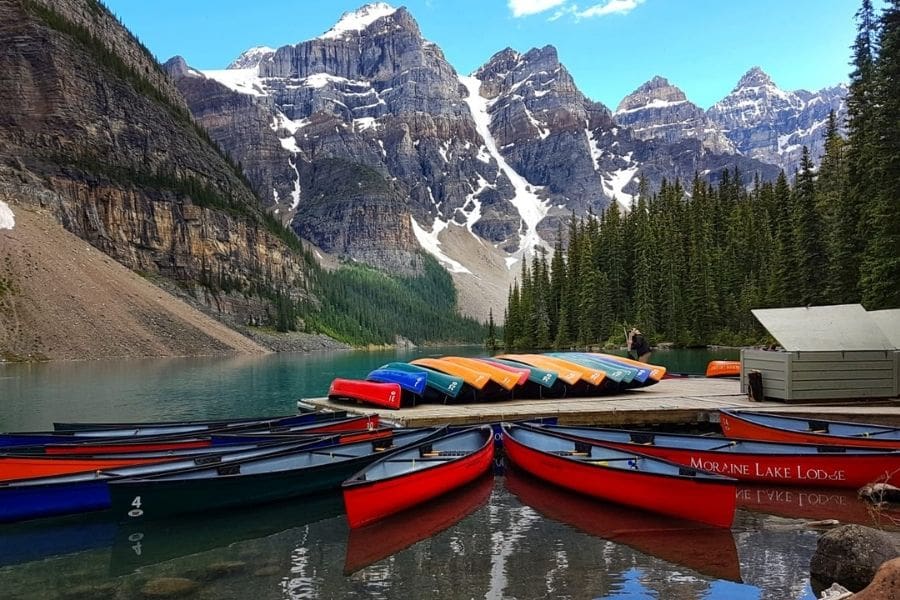
Photo Credit: Gitanjali Verma
When I first arrived, I didn’t jump into an expensive, cross-country trip. I started closer to home in Ontario, with places like the ROM, the Bata Shoe Museum, Black Creek Pioneer Village, and the Mast Trail in Rouge National Urban Park. Those smaller visits helped me understand the history, culture, and natural spaces around me without stressing over finances. One of the first provinces I visited outside Ontario was Quebec, and even that felt like discovering a different side of Canada.
Later, I visited Banff, Glacier National Park, and the surrounding Rockies, and that experience stayed with me. I was living in Ontario then too, so seeing Alberta and nearby British Columbia felt breathtakingly different. We stayed in Golden, B.C. for a week and drove about three hours in the morning and at night after visiting Banff National Park, Bow Lake, the Athabasca Glacier, and other places. It reminded me how much there is to discover across Canada.
If you are inspired to build your own memories out west, you can check out verified Calgary rental listings or look into Apartments for Rent in Vancouver to find your ideal home.
I also visited St. John’s, Newfoundland and Labrador, in March 2024. One of the highlights was Cape Spear Lighthouse National Historic Site, the easternmost point of North America. Standing there felt incredibly special. It was a reminder to me that exploring Canada is not only about saving money on admission, but also about experiencing places that stay with you.
That is one reason I think it helps to start close to home. Exploring your own province first can be more affordable, more realistic, and still deeply meaningful.
A Practical Newcomer Budget Strategy
To get the most out of these programs without overspending, try this layered approach.
1. Start local with Canoo
Months 1-3
Download the Canoo app immediately upon arrival. Use it to explore museums, galleries, and local attractions in your city or province.
2. Capitalize on the Canada Strong Pass 2026
- June 19 – September 7
Plan your long-distance train travel, national museum tours, and camping trips during the offer window to eliminate entry fees and slash transit costs.
3. Evaluate a Discovery Pass later
If you fall in love with the Canadian outdoors, you may want to continue hiking or snowshoeing past September. In that case, consider purchasing a Discovery Pass once the summer promotional window closes.
This kind of layered approach helps you explore and feel more at home while keeping costs down.
You can also balance travel goals with day-to-day settlement priorities by using resources on the cost of living in Canada, saving money on rent, and finding the right home in Canada.
Quick Guide: Where do these summer travel savings apply?
| Park or Site Type | Who Operates It? | Are the Summer Passes Accepted? | Examples |
| National Parks & Historic Sites | Federal Government (Parks Canada) | YES (Free gate entry via Canada Strong Pass 2026) | Banff, Jasper, Rouge Urban Park, Cape Spear |
| National Museums | Federal Government | YES (Free for youth under 17 / 50% off ages 18–24) | Canadian Museum of Nature, ROM, National Gallery |
| Provincial & Territorial Parks | Provincial Governments | NO (Requires separate day passes or vehicle permits) | Algonquin (ON), Garibaldi (BC), Mont-Tremblant (QC) |
| Municipal & Private Parks | Local Cities / Private Owners | NO (Standard local entry or parking fees apply) | Local conservation areas, city beaches, private campgrounds |
Quick Tips to Explore Your Province Affordably
1. Start nearby
You do not need a major trip to get value from this. A museum visit, a short road trip, or a day at a historic site can still help you learn about your province and community.
2. Check for hidden costs
“Free admission” cuts your front-gate costs, but you still need to budget for gas, accommodations, special tours, reservations, and transportation.
3. Mix cultural with nature
This is one of the best ways to get to know Canada. Museums and historic places help you understand the country’s story. Parks and natural sites help you understand its landscapes and distances.
Places like Wapta Falls in British Columbia reminded me that some of Canada’s most memorable experiences come from simply spending time in nature and seeing a different landscape up close.

Final Thoughts
As an immigrant, I have found that exploring Canada helps turn it from a place you live in into a place you begin to know. For me, that started with museums, local attractions, and trails in Ontario. Later, places like Banff, Moraine Lake, Glacier National Park, and Cape Spear showed me how varied and unforgettable this country can be.
Affordable options like the Discovery Pass, the Canada Strong Pass, and Canoo are worth knowing about. Exploring Canada as a newcomer does not have to be expensive or overwhelming. These options can make it easier to explore your province, understand your new country, and create meaningful memories without overspending.
Next Steps for Newcomers
Exploring your new country turns an unfamiliar landscape into a place where you truly belong. Pair this travel guide with Prepare for Canada resources on Living in Canada: Essentials for Newcomers, and webinars for newcomers so you can balance housing, careers, and exploration goals with confidence.
Common Questions about These Programs
No. Both are public offers. The Discovery Pass is a standard Parks Canada annual pass, and the Canada Strong Pass is a public summer 2026 offer.
Canoo is the newcomer-focused option in this article. It offers eligible newcomers free or discounted access to thousands of experiences across Canada.
No. The Canoo app is only for Permanent Residents who have received their PR card within the last 5 years, or new Canadian Citizens within their first year of citizenship. Temporary residents can use the Canada Strong Pass or Discovery Pass.
Yes. Banff National Park, including Moraine Lake, is managed by Parks Canada. This means general park admission is free during the Canada Strong Pass period (June 19 to September 7, 2026). However, you still have to pay for shuttle fees, hot springs access, and parking reservations.
No. You do not need to purchase or sign up for it. The free entry and camping discounts apply automatically when you show up at the gates.
No, not usually. Provincial parks generally have separate passes, fees, and booking systems. The programs in this article relate to Parks Canada places and Canoo partner experiences.
Quick Summary at a Glance
- Use BSF186 for your personal effects record.
- Use BSF186A if you need more space (continuation sheet).
- Bring two copies of your lists (one for CBSA, one for you).
- Declare everything at your first point of entry into Canada.
When I first prepared my own goods to follow list, I was focused on flights and immigration documents. Like many newcomers, we arrived with suitcases first, then went back and shipped our belongings later. I also remember reaching out to a friend in Canada for guidance. That helped me realize a crucial detail: your “Goods to follow” list (or Form BSF186) may seem like a small task, but it can save you from paying duties and taxes on your belongings later.
If some of your personal belongings will arrive in Canada after you do, you should prepare a goods to follow list before you land using Form BSF186 and, if needed, the continuation sheet BSF186A. This is the list you show at the border, so your later shipment is already recorded.
What is a Goods to Follow List for Canada?
💡A goods to follow list is a record of the things you own that will arrive in Canada after you do. Declaring these items when you first enter Canada can make it easier to bring them in later.
In simple terms, this is the record that tells the Canada Border Services Agency (CBSA) which belongings are coming later.
Who Needs a Goods to Follow List?

This record is necessary if you are:
- Landing as a permanent resident
- Moving to Canada in stages
- Doing a soft landing
- Arriving with only some of your belongings and sending other items later
That is very common. It was my experience too. A simple question to ask yourself is:
Will any of my belongings arrive in Canada after I land?
If the answer is yes, you should prepare a goods to follow list.
What is the difference between BSF186, BSF186A, and B4?
This is where many newcomers get confused, and honestly, that is understandable. People hear one term from friends, see another term online, and then find a different form name on the official website.
Here is a simple way to understand the different names you may see online and on official forms.
BSF186 vs BSF186A at a Glance
| Name | Status | What is it for? |
| *BSF186 | Current / Official | The main form used to list your personal belongings. |
| BSF186A | Current / Official | An “extra continuation page” if you have too many items to fit on the main form. |
| B4 / B4A | Old / Outdated | The former names for these forms. Many websites still use these terms. |
*Access the form Personal Effects Accounting Document (BSF186) also known as Settler’s Effect Lists.
Why Your Goods to Follow List Matters
This step matters because many newcomers do not move everything at once. For example, some people may do a “soft landing”, or return to finish work or family commitments, or wait until they find housing in Canada before shipping larger items. Others cannot manage a full international move in one trip.
A proper goods to follow list can help you:
- Show clearly what is coming later
- Avoid confusion when your shipment arrives
- Keep your belongings tied to your original landing record
- Make the border process smoother
This is one of those tasks that may not feel urgent before you travel, but you’ll be glad you did it properly later.
When Do I Show the Goods to Follow List?
You must show your goods to follow list Canada at your first point of entry. This is usually the first airport where you land or the first land border you cross.
💡Important: Do this even if you aren’t shipping your goods for another six months. If you don’t get your list stamped during your initial landing, it is difficult to add items later.
Many newcomers think that they need to wait until the shipment is on the way. Usually, that is not the best approach. It is better to prepare the list before you travel so you are ready when you arrive. CBSA also explains that you can complete Form BSF186 before you arrive in Canada.
How Do I Create a Goods to Follow List for Canada?
When I prepared mine, I kept it simple but detailed. The goal is to make it easy for the officer to understand what is with you now and what will arrive later. If you are still figuring out the logistics of moving your life across borders, see our complete guide on How to Transfer Money and Ship Goods When Moving to Canada.
1. Make two separate lists
Prepare:
- One list for goods accompanying you
- One list for goods to follow
Keeping them separate makes the process easier and avoids confusion at the border.
2. Describe each item clearly

For each item, include:
- What the item is
- Quantity
- Value in Canadian dollars
- Make and model for expensive items
- Serial number, if there is one
💡What to Put on Your Goods to Follow List
For each item, include a clear description, quantity, and value in Canadian dollars. For expensive items, add the make, model, and serial number if possible. The clearer your list is, the easier it will be later if your shipment is checked against it.
Sample Goods to Follow List for Canada
Here is a simple example of what your list can look like to use as a guide:
| Item | Description | Quantity | Value (CAD) | Serial Number: |
| Clothing | Men’s and women’s clothing | 4 boxes | 1,200 | N/A |
| Laptop | Dell XPS 13 | 1 | 900 | ABC12345 |
| Kitchen items | Pots, pans, utensils, plates | 3 boxes | 450 | N/A |
| Books | Personal books and study materials | 2 boxes | 300 | N/A |
| Jewellery | Gold necklace and ring set | 1 set | 1,800 | Photos attached |
| Bicycle | Trek hybrid bicycle | 1 | 600 | TRK77821 |
3. Group everyday household items together
You do not need to list every spoon, shirt, or towel separately. You can group simple items such as clothes, books, kitchen items, linens, and toys (see table above). This keeps your list practical and readable.
4. List high-value items separately
These items are more likely to raise questions if described too generally. List the following items separately:
- Laptops
- Cameras
- Watches
- Bicycles
- Musical instruments
- Tools
- Collectibles
- Jewellery
Jewellery Needs Extra Care
When I prepared my own list, I took photos of my jewellery and made sure it was listed in detail. That extra effort helped, and I still remember the border officer telling me my list was very detailed and well done.
For jewellery, it is smart to include:
- A clear description
- Type of item
- Metal or stones, if relevant
- Estimated value
- Photos
💡For higher-value items, an appraisal can also help. Even if you do not have appraisals for everything, clear photos and a careful list can make a big difference.
5. Use the current value in Canadian dollars
Do not focus on the original price you paid years ago. Convert the value of your goods to current Canadian dollars before filling out the form to meet IRCC and CBSA requirements. The value does not need to be perfect down to the last dollar. Just be realistic and consistent.
6. Bring two copies
Bring two copies of your lists so one can be stamped and returned to you.
Keep that stamped copy in a safe place.
What Can You Put on the List?
You can usually include personal and household items such as:
- Clothing
- Books
- Electronics
- Furniture
- Kitchen items
- Children’s items
- Jewellery
- Bicycles
💡Tip: Check out the CBSA site for other specifications that apply to jewellery, wedding gifts, and value limitations. For example, for personal and household items that are worth more than CAN$10,000, you must pay duty and taxes on the amount over CAN$10,000.
Can Goods Arrive in More Than One Shipment?

Yes. This is common for newcomers. For example, you may:
- Arrive with luggage first
- Ship a few boxes later
- Send larger furniture once you have housing
- Ask family to send more personal belongings later
The important thing is that the items were listed on your original stamped goods to follow list.
Can I Add Items Later?
Usually, you should assume no.
That is why it is so important to prepare your list as carefully as you can before you land. Many newcomers think they can add something later if they forget it, but that is not something you should rely on.
If there is any item you may ship later, it is better to include it now.
Try to include everything you may send later.
What Does Not Belong on the BSF186 Form?
You do not need to include the following documents on your BSF186 form:
- University transcripts
- Educational certificates
- Resumes
- Reference letters
- Professional licences
While these settlement documents are important, they are not personal goods for customs purposes.
Keep these documents with your important travel and immigration papers, but do not include them on your customs list. For that separate settlement prep, read our guide, Documents to Carry to Canada for PR.
What Happens When Your Goods Arrive?
When your shipment reaches the border, having a stamped goods to follow list Canada will ensure you don’t pay unnecessary duties.
The moving company or shipping company will contact you. You will need to present your stamped copy of the BSF186 to “clear” customs. To ensure your boxes are packed and labeled correctly for this process, review our checklist, Shipping Household Goods and Personal Items.
💡Tip: Keep your stamped copy in a safe place with your passport and COPR. It is one of the most important documents you will have during your first year in Canada!

Common Mistakes to Avoid
This is where many newcomers get caught, especially when they are already busy with travel plans and landing documents.
| Mistake | Why it’s a Problem | How to Avoid It |
| Waiting until the airport | Leads to stress, forgotten items, and errors under pressure. | Prepare both lists at least one week before you travel. |
| Mixing the two lists | May confuse Border Officers and delay processing. | Keep Goods Accompanying and Goods to Follow as separate documents. |
| Missing serial numbers | Makes it harder to prove ownership of high-value electronics. | Record serial numbers for laptops, cameras, and specialized tools. |
| Bringing only one copy | The officer needs to keep one; you won’t have a stamped receipt. | Always carry two printed copies of every list. |
| Excluding “maybe” items | You cannot easily add items to the list after you have landed. | List everything you might ship later, even if unsure. |
Checklist Before You Travel
Before you leave for Canada, make sure you have:
- Two printed copies of the Goods Accompanying list.
- Two printed copies of the Goods to Follow list.
- Values in Canadian dollars.
- Serial numbers for electronics and photos for jewellery.
This is one of those small steps that can make a big difference later. If you are already managing a lot before your move, you are not alone. Many newcomers find this confusing at first. But once your goods to follow list is done, you will feel much more prepared.
💡 Moving Tip: Custom forms like the BSF186 protect your belongings, but what about your health? Most newcomers face a 3-month gap before provincial health coverage kicks in. Read our guide on Travel Medical Health Insurance for Newcomers to stay protected during your move.
Final Thoughts
A goods to follow list Canada is a record of personal or household belongings that will arrive after you land. Newcomers should prepare one list for the items they bring with them and another for the items arriving later. Use the main form BSF186, and BSF186A if you need more space. The goods should be listed at first entry and should have been owned and used before landing.
FAQs
Yes, if you expect personal belongings to arrive later. This is one of the most common situations for newcomers.
It is always better to prepare the list before your first landing, because fixing this later may not be simple. This is a stressful situation for many newcomers.
It should be detailed enough that someone can understand what the item is and match it later if needed. Group simple household goods, but list valuables more clearly.
Yes. You can group everyday items like clothes, books, linens, or kitchen items.
Describe it carefully, include the value, and keep clear photos. For higher-value items, an appraisal can also help.
Yes, this happens often. What matters most is that the items were owned and used before landing and were listed on the original stamped form.
Yes, B4 is the older name many people still use. The current form names are BSF186 and BSF186A.
If you are planning a move, learning how to search for jobs in Canada before you land is the best way to ensure a smooth transition and a faster hiring process. Moving to Canada is a big step, and finding work is often one of the biggest concerns. The good news is that you can start preparing for your job search before you arrive in Canada. Early effort helps you save time, reduce stress, and make smarter decisions about where to live.
Getting hired before arrival is possible in some cases, but that should not be your only goal. A better goal is to arrive prepared. When you research the labour market and understand how to search for jobs in Canada effectively, you give yourself a stronger start.
Why Start Your Job Search Early?
Starting early helps you understand how your occupation fits into the Canadian labour market. You can find out if your occupation is regulated, learn where demand is stronger, check salary ranges, and compare the job market across provinces. It also helps you set realistic expectations.
Many newcomers do not secure a job offer before they arrive, but they still benefit from doing the groundwork in advance. Canada offers free online pre-arrival services for eligible permanent residence applicants and their families, and the Canada Job Bank provides newcomer job search tools, labour market information, and job postings to help people prepare.
From Planning to Action: Your Step-by-Step Roadmap
Understanding the benefits of an early start is the first step; knowing exactly which levers to pull is the second. The Canadian job market is unique; it prioritizes a mix of formal qualifications, “soft skills,” and professional connections.
To help you navigate this, here are eight action steps on how to search for jobs in Canada. These steps, from broad research to specific tools, eventually build a plan you can execute from anywhere in the world.
Here’s how to lay the foundation for your Canadian career before you even pack your bags.
1. Access Free Pre-Arrival Services
If you are an approved Permanent Resident (PR) applicant, you can access free IRCC-funded (Immigration, Refugees and Citizenship Canada) services before you even board the plane. These free employment services can help with planning your job search, resume support, settlement advice, and referrals to services after arrival.
Note: These services are generally not available to visitors, international students, or temporary workers.
Pre-arrival services can help you:
- Understand the Canadian hiring process
- Prepare a Canadian-style resume
- Improve interview skills
- Learn about credential recognition
- Connect with settlement and employment supports
- Make a realistic job search plan before you move
This is one of the best first steps if you are eligible.

2. Research the Job Market Before You Choose a City
One of the most important parts of how to search for jobs in Canada is knowing where the work is. Before deciding where to settle, ask yourself:
- Which cities have the most openings in my specific field?
- What are the average salary ranges for my role?
- What skills do employers ask for most often?
- Is my profession regulated, or does it require a license to practice?
The Canada Job Bank is one of the best places to begin your research. It includes job postings, labour market information, wages, and newcomer resources. When searching job postings, pay attention to required technical skills, education or certificates, and whether employers prefer local candidates. This research helps you prepare smarter applications later.
💡Job Search Tip: Use the Canada Job Bank to compare opportunities by region. Read more in our guide, Canada Job Bank: Your Vital Research Tool.
A practical example

A newcomer in accounting may first focus only on Toronto. But after reviewing job postings and labour market information, they may discover opportunities in nearby cities or other provinces with lower living costs and less competition. Doing this research early can shape both your job search and settlement plan.
3. Find Out if Your Occupation is Regulated
In Canada, many jobs (i.e., healthcare, engineering, skilled trades, and education) are regulated. That means you may need a licence, registration, or certification before you can work in your profession.
Find out if your occupation is regulated in the province where you plan to live. Then find out which body handles licensing or credential recognition.
💡Knowing if you are regulated is just the start. To navigate the process of verifying your international education and work experience under the new 2026 standards, see our guide: Credential Recognition Canada 2026: Guide for Newcomers & Professionals.
Before you arrive, gather:
- Education documents
- Transcripts
- Reference letters
- Training certificates
- Proof of work experience
- Identification and immigration documents
4. Build a Canadian-style Resume
A key part of how to search for jobs in Canada is having a resume that speaks the local “language.” You may need to adapt your resume for the Canadian job market. If you are not sure where to begin, read our guide, Eight Tips to Write a Canadian-style Resume, to learn how to create a resume that fits Canadian employer expectations.
A strong resume should:
- Match the language used in the job posting
- Highlight measurable achievements
- Focus on relevant experience
- Use clear, direct wording
💡Resume Tip: Tailor your resume for each employer. Review several job postings in your field and notice which keywords, tools, and responsibilities appear again and again. Then adjust your resume to reflect the language employers are using.
5. Tap Into the “Hidden Job Market” Through Networking Before You Arrive
Networking is a vital part of how to search for jobs in Canada. Many roles are filled through referrals, conversations, and connections before they are ever posted online.
Before you arrive, start building your professional presence online.
Focus on these networking steps:
- Update your LinkedIn profile to your target city
- Connect with professionals in your field
- Join newcomer, industry, and professional association groups
- Follow employers in your target city.
- Reach out with short, polite messages asking for advice, not just for a job
Example outreach message
Hello, I am a supply chain professional preparing to move to Calgary later this year. I am researching the local job market and would appreciate any advice on hiring trends or skills employers are looking for. Thank you.
That kind of message is much more effective than asking a stranger to find you a job.
6. Know What to Do Before and After Arrival
You can make a lot of progress before you arrive in Canada, but some steps can only happen after landing.
| Before You Arrive | After You Arrive |
|---|---|
| Research jobs by city and province | Apply for your Social Insurance Number (SIN) |
| Use Job Bank tools | Attend in-person interviews |
| Update your resume and LinkedIn profile | Complete some licensing steps |
| Check if your profession is regulated | Set up local settlement supports |
| Register for pre-arrival services if eligible | Continue employment services in Canada |
Applying for your SIN is a priority, but it’s just one of several critical moves you’ll make in your first 48 hours. See our full breakdown of these initial steps in our latest post, First Things to do After Landing in Canada.
💡 Planning your first week? While this guide focuses on pre-arrival, make sure you have a plan for your first 48 hours on the ground. Check out our checklist for Your First Days After Arrival in Canada.
7. Use Sector-Specific Support on How to Search for Jobs in Canada
Some industries have specialized newcomer support programs. For example, BCCA Integrating Newcomers is a government-funded, free, nationwide employment coaching service for skilled immigrants looking to join Canada’s construction industry. It supports pre-arrival and recently landed permanent residents.
This is a good reminder that general job-search advice is important, but sector-specific support can be even more useful when it matches your experience.
8. Create a Simple Pre-Arrival Job Search Plan

Your pre-arrival checklist should include:
- Choosing two or three target cities
- Checking if your occupation is regulated
- Connecting with people in your field each week
- Checking job postings to compare employer expectations
- Gathering documents for licensing or credential review
- Planning your first-month budget after arrival
A simple plan like this can help you arrive feeling more confident and organized.
A newcomer example
Mina, a project coordinator, planned to move to Canada in six months. Before leaving, she used Job Bank to compare job demand in Mississauga, Ottawa, and Calgary. She updated her resume for the Canadian market, improved her LinkedIn profile, and joined online newcomer and professional groups. She did not arrive with a job offer, but she arrived knowing which roles to target, which skills to highlight, and where to focus her search.
That preparation gave her a much stronger start.
Final Thoughts

You do not need to wait until you land in Canada to begin building your career. By learning how to search for jobs in Canada, you turn a daunting move into an organized, confident plan.
Research the market, use official newcomer resources, improve your resume, build your network, and learn what employers in your field expect. Even if you do not secure a job before arrival, the work you do now can make your search faster and more focused once you get here.

FAQs About How to Search for Jobs in Canada
Yes. You can begin applying before you arrive, especially for roles when employers are open to virtual interviews or international candidates. Canada Job Bank also has a page for foreign candidates from outside Canada.
Yes, but it depends on your occupation, experience, and whether employers are willing to hire from abroad. Many newcomers do not get an offer before arrival, but they still benefit from preparing early.
No. You can research jobs, network, and apply before arrival. But you need a SIN to work in Canada once you are hired.
Yes. IRCC’s pre-arrival services are free online services for eligible newcomers preparing to move to Canada.
No. IRCC says pre-arrival services are not available to people coming to Canada temporarily, including international students and temporary foreign workers.
Job Bank is one of the best official starting points because it combines job postings, labour market information, and newcomer resources in one place.
Quick Summary: What is Credential Recognition?
- Definition: The formal process of verifying that your international education, work experience, and licenses meet Canadian standards.
- The 80/20 Rule: In Canada, 20% of occupations are regulated (requiring a provincial license), while 80% are non-regulated (validated by the employer).
- Key Organizations: WES, NNAS, MCC, and Provincial Regulatory Bodies.
Understanding credential recognition Canada 2026 standards is the most important step for any internationally educated professional moving to the country this year. Many newcomers arrive with strong education, work experience, and professional skills. However, depending on your occupation, you may still need an assessment, a licence, or employer approval before you can work in your field.
Why is Credential Recognition Important for Your Canadian Career?
Credential recognition acts as your “passport” to the Canadian labour market. It directly affects:
- Whether you can use your professional title (e.g., P.ENG or RN)
- How many points you earn for Express Entry or Provincial Nominee Programs (PNPs)
- How quickly can you start working in your field
- Whether you need exams, licensing, or additional training
- How employers understand your international education and experience
For many newcomers, starting this process before you land can save 6 – 12 months of career downtime.
Credential Recognition in Canada: Regulated vs. Non-Regulated Occupations
Understanding this difference is one of the most important parts of the process.
Regulated occupations (The 20%)

A regulated occupation is controlled by provincial law to protect public safety. You cannot work in these fields without a license from a provincial body.
- Examples: Nurses, Doctors, Accountants, and Compulsory Trades (Electricians, Plumbers, Steamfitters).
- 2026 Focus: Immigration, Refugees and Citizenship Canada (IRCC) is prioritizing the Healthcare Occupations Category and STEM Occupations for targeted draws.
The licensing rules depend on the province or territory where you want to work.
Primary Regulatory Bodies
To begin your licensing journey, you must connect with the organization responsible for your profession in your target province. The table below lists the primary regulatory bodies for Canada’s most in-demand fields.
Non-regulated occupations (The 80%)

You do not require a license. The employer decides if your international experience meets their hiring needs.
- Examples: Software Developers, Marketing Managers, IT Support, Sales
- Strategy: In these fields, your Canadian-style resume and portfolio are your primary “credentials”.
Tip: Even if not “required,” an Educational Credential Assessment (ECA) helps employers understand the value of your degree.
Confused about your specific path?
Join our webinar for more information about these categories and what it means for newcomers.
ECA vs. Licensing vs. Employer Recognition
This is where many newcomers get confused.
What is an Educational Credential Assessment (ECA)?
An ECA for Express Entry compares your foreign education to Canadian standards.
Approved Providers: You must use an IRCC-designated body like World Education Services (WES) or ICAS.
Validity: Reports are valid for five years.
What is licensing or registration?
This is different from an ECA. A license is a legal requirement to work. It often involves extra exams (like the NCLEX-RN for nurses) and proof of language proficiency.
What is employer recognition?
In non-regulated fields, employers look for “Information Gain.” They want to see how your skills apply to the Canadian context. Use the Canada Job Bank to research what specific skills employers are asking for in your NOC code.
Quick comparison
| Requirement | Who usually needs it? | Why it matters |
| ECA | Some immigration applicants | Supports immigration applications |
| Licence or registration | People in regulated occupations | Required to work legally in the profession |
| Employer assessment | People in non-regulated occupations | Helps employers evaluate your qualifications |
Do You Need Credential Recognition?
You likely need credential recognition if:
- Your profession or trade is regulated in the province where you want to work
- Your immigration pathway requires an ECA
- An employer asks for proof of Canadian equivalency
You may not need a formal licensing process right away if:
- Your occupation is non-regulated
- Employers in your field focus more on experience, skills, or portfolios
How Credential Recognition Works in Canada: Your 7-Seven Step Checklist

1. Identify your NOC Code and TEER Category
Before you can determine if your occupation is regulated, you must find your 5-digit National Occupational Classification (NOC) code. This is Canada’s official system for describing every job in the labour market.
- What is a TEER Category? In the NOC system, the second digit of your code represents your TEER (Training, Education, Experience, and Responsibilities) level. This identifies the level of education usually required for the job.
- Why it matters: In 2026, most federal immigration draws (like Express Entry) specifically target TEER 0, 1, 2, and 3.
- Find Your Match: Use the NOC 2026 Search Tool to find your code by searching for your job title. Don’t just look at the name; ensure your past work duties match at least 80% of the “Main Duties” listed in the NOC profile.
Pro-Tip: Job titles in Canada may differ from your home country. For example, a “Senior Marketing Executive” back home might be a “Marketing Manager” (NOC 10022, TEER 0) or a “Specialist” (NOC 11202, TEER 1) in Canada.
2. Check if your occupation is regulated
Use the CICIC Directory to see if you need a provincial license. This step is important because regulated and non-regulated occupations follow different paths.
3. Choose an IRCC-designated assessment organization
The right assessment organization depends on your goal:
- For immigration: use an IRCC-designated ECA organization or professional body
- For regulated occupations: contact the provincial or territorial regulator
- For non-regulated occupations: check what employers in your field usually expect
IRCC recognizes designated professional bodies for certain occupations, including architects, physicians, and pharmacists.
4. Gather and translate your documents
Collect transcripts and degrees before you leave. Ensure all Certified Translations are done by recognized Canadian translators if required.
5. Complete an ECA or other assessment if required
If you need an ECA for immigration, use a designated provider. If you need licensing, follow the regulator’s specific instructions.
Remember: an ECA is not the same as a licence.
6. Apply for provincial registration (if your occupation is regulated)
Start your application with the provincial regulator (e.g., PEO or CNO).
7. Build local experience via bridging programs
If you face a “skills gap,” look for Bridging Programs. These government-funded courses help you gain the Canadian context needed for employment.
Your Pre-Arrival vs. Post-Arrival Checklist
| Before You Arrive (The Prep) | After You Arrive (The Action) |
|---|---|
| Research your occupation and province | Apply for any pending assessments or licences |
| Collect your documents early: have your university send them directly to the assessment body. | Explore bridging programs and support services |
| Save funds: Budget at least $3,000 CAD for recognition expenses | Build Canadian work experience |
| Contact the regulator or assessment body | Update your resume for the Canadian job market |
| Take language test: Complete IELTS or CELPIP while you have time to study. | Use newcomer employment services |
How Long Does Credential Recognition Take?
There is no single timeline. The process depends on:
- Your occupation
- Province or territory
- How quickly your documents arrive
- Whether translations are needed
- Exam schedules
- Whether supervised practice or extra training is required
IRCC says processing times and costs vary depending on the designated organization or professional body. That is why starting early is one of the best things you can do.
How Much Does Credential Recognition Cost?
The cost of credential recognition is often the biggest hurdle for newcomers. Based on updated 2026 data, the costs involve more than a single fee; it is a series of investments.
Here is a breakdown of what you can expect to pay, along with the supports available to help manage these costs.
Estimated Costs for 2026
While every profession is different, these are the “market rates” for the most common steps in the process.
| Expense Category | Estimated Cost (CAD) | Notes |
| Education Assessment (ECA) | $240 – $310 | Fees for agencies like WES or ICAS (plus courier/tax). |
| Certified Translation | $25 – $75 per page | Required if your documents are not in English or French. |
| Professional Application | $350 – $1,200 | Initial fee to a provincial regulator (e.g., Engineering, Nursing). |
| Technical/Licensing Exams | $500 – $3,000+ | Some professions require multiple exams (e.g., NCLEX for Nurses). |
| Bridge Training Tuition | $1,500 – $15,000 | Costs for college-level “top-up” programs to meet Canadian standards. |
| Annual Membership Dues | $300 – $600 | Recurring cost to maintain your “Active” status once licensed. |
Financial Support & Loans
You do not have to cover these costs alone. The Canadian government and various non-profits, such as Windmill Microlending and Achēv, offer financial aid specifically for Foreign Credential Recognition (FCR).
Common Challenges Newcomers Face
Many newcomers face similar barriers.
Not knowing where to start
There are many websites, terms, and different requirements depending on the occupation and province.
Confusing ECA with licensing
This is one of the most common misunderstandings. An ECA may help with immigration, but it does not replace licensing for regulated occupations.
Delays in getting documents
Schools, regulators, and employers outside Canada may take time to send records.
Costs and timelines
Recognition can take time and may involve several payments along the way.
Lack of Canadian work experience
Even after your education is recognized, employers may still look for local experience or workplace familiarity.
What If You Can’t Work in Your Profession Right Away?
This happens to many newcomers, and it does not mean your career is over. You may decide to:
- Work in a related occupation
- Take a bridge job while completing licensing
- Upgrade your skills
- Build local experience first
- Create a longer-term career plan with smaller milestones
- Consider micro-credentials (short, targeted courses from Canadian colleges that validate specific skills to bridge the gap).
The goal is to keep moving forward while staying realistic about your timeline.
Tips to Make Credential Recognition Easier
- Start early before you arrive in Canada.
- Check whether your occupation is regulated in your target province.
- Use official sources such as CICIC, IRCC, and the relevant regulator.
- Keep digital and paper copies of every document.
- Budget for fees and exam costs in advance.
- Have a backup plan in case your profession takes time to enter.
- Use newcomer support services for job search and career planning.
Licensing is a major hurdle, but you should continue networking and researching the market simultaneously. Our latest guide explains searching for work before arrival.
FAQs About Credential Recognition in Canada
No. An ECA may support immigration, but if your occupation is regulated, you may still need a licence or registration from the appropriate regulator.
Check an official occupational profile and confirm the requirements with the regulator in the province or territory where you want to work. About 20% of jobs in Canada are regulated.
IRCC approves:
Comparative Education Service – University of Toronto School of Continuing Studies
International Credential Assessment Service of Canada
World Education Services
International Qualification Assessment Service (IQAS)
International Credential Evaluation Service – British Columbia Institute of Technology
Yes. In many cases, you can start by researching your occupation, collecting documents, and contacting the right organization before you arrive.
Yes. Many newcomers work in related or alternative roles while completing their assessment or licensing process.
You may still have options, such as additional training, bridging programs, related occupations, or alternative career paths.
Final Thoughts
Credential recognition in 2026 is faster than ever, provided you start before you land. By aligning your international expertise with Canadian standards, you move from “finding a job” to “continuing your career.”
Ready to Take the Next Step?
Credential recognition is just the beginning. To truly succeed in the Canadian job market, you need a strategy. Join our Working in Canada Webinar to learn how to create a solid job search action plan.