
Key Takeaways
- Regina is a financially rewarding choice for newcomers in 2026, offering low housing costs and a thriving job market.
- Job opportunities in Regina are growing, especially in ag-tech, energy, and public service, while housing remains affordable.
- The city provides a supportive community for diverse cultural backgrounds, with numerous resources for newcomers.
- Living in Regina involves navigating extreme winter temperatures, but lower living costs and friendly neighbourhoods minimize these challenges.
- Regina offers quality of life, with ample cultural events, outdoor activities, and a strong community spirit.
Planning your move to Canada? Living in Regina remains one of the most practical, financially rewarding choices for newcomers in 2026. As a primary affordability anchor in Western Canada, Regina offers a rare combination of competitive wages, remarkably low real estate prices, and a community-oriented lifestyle. Deciding where to land in Canada requires balancing career entry points with your initial budget. Regina stands out as a clear leader in this area. It ranks among the absolute best cities in Canada for immigrants seeking lower housing costs and fast-tracked pathways to permanent residency.
If you are researching whether Regina is the right fit for your move, this comprehensive guide covers housing, employment, and daily life in Saskatchewan’s capital city.
Before moving, it’s vital to research:
- Job opportunities: Regina is experiencing rapid job growth in ag-tech, value-added processing, and natural resources.
- Housing costs: Regina boasts some of the lowest average rental and purchase prices among all Canadian capital cities.
- Cost of living: Budget for housing, groceries, and winter utilities while factoring in Saskatchewan’s low provincial tax structure.
- The Provincial Advantage: Take advantage of competitive income tax brackets and a low Provincial Sales Tax (PST) of 6% when calculating your net income.
- Culture and daily life: Learn to navigate a friendly, mid-sized urban center and connect with local community hubs.
Doing this research ensures you make an informed decision and start your life in Canada with confidence.
Quick Facts About Living in Regina: 2026
| Metric | 2026 Data | Comparison Note |
|---|---|---|
| City Population | ~263,419 (Metro Area) | Rapidly growing mid-sized provincial capital |
| *Avg. 1-Bedroom Rent | $1,270/month | Over 50% lower than Toronto or Vancouver markets |
| Benchmark Home Price | $345,700 | Highly accessible for first-time buyers |
| Top Industries | Agribusiness, Energy, Steel, Tech, and Public Service | Central hub for Western Canadian value-added processing |
| Climate | Humid Continental | Averaging the most annual sunshine hours in Canada |
*While these are market averages, prices fluctuate. You can view live, Regina neighbourhood-specific listings right now at Rentals for Newcomers.
About Regina, Saskatchewan
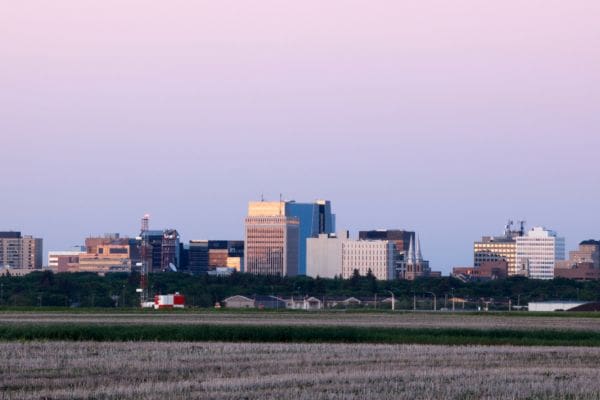
A Prairie Capital Built on Community and Growth
Regina is the provincial capital of Saskatchewan, a commercial hub for Western Canada, and the second-largest city in the province. It is located in the heart of the Canadian prairies on traditional Treaty 4 Territory.
In 2026, living in Regina combines steady jobs in government and natural resources with exciting new tech industries. The city has become a world leader in “ag-tech,” using technology for smart farming, better crop sciences, and large-scale manufacturing. Moving here means you get all the career benefits of a growing business hub, while still enjoying the safe, friendly feel of a close-knit community.
If you are considering settling in Saskatchewan and want to compare both major prairie hubs, you can also explore our complete guide to Living in Saskatoon, Saskatchewan, to see which city fits your goals.
Jobs in Regina, Saskatchewan
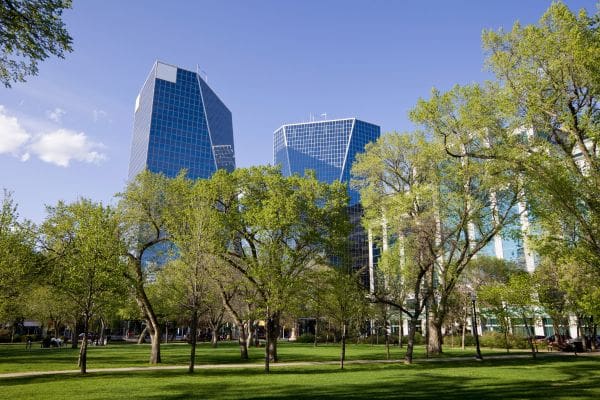
What are the top industries for jobs in Regina?
Key Sectors: Agribusiness, Steel Fabrication, Information Technology, Energy & Environment, Finance, and Public Administration.
Top 5 Occupations (2026)
- AgTech & Software Engineers: Designing digital farming solutions, data analytics platforms, and logistics software.
- Skilled Manufacturing & Trade Workers: Driven by major operations like EVRAZ Regina (the largest steel maker in Western Canada) and ag-processing plants.
- Healthcare Professionals: High demand for nursing, specialized clinical roles, and support staff across the Saskatchewan Health Authority network.
- Supply Chain & Logistics Specialists: Regina’s geographical placement makes it a primary distribution and shipping hub for the prairie corridor.
- Finance & Insurance Advisors: Supported by major national and provincial entities headquartered locally, such as Saskatchewan Government Insurance (SGI).
💡 Employment Trends: As of early 2026, Regina’s job market is steady with a low unemployment rate hovering around 5.4%. A stream of professionals are migrating from other provinces, attracted by the city’s high “real income”, where your purchasing power stretches further against local living costs.
Tips for Newcomers Seeking Jobs in Regina
- Use Provincial Job Boards: Monitor the SaskJobs portal alongside private platforms to identify positions across southern Saskatchewan.
- Target the SINP Pathways: The Saskatchewan Immigrant Nominee Program (SINP) is one of the fastest and most helpful ways to move to Canada. In 2026, the program is specifically selecting immigrants with experience in high-demand jobs in healthcare, agriculture, tech, and skilled trades.
- Connect with Local Agencies: Register immediately with the Regina Open Door Society (RODS) or Regina Immigrant Women to access tailored employment-integration networks, interview coaching, and career-bridge programming.
💡 Tip: Read more about how to research your profession in our guide, Canada Job Bank: Your Vital Research Tool.
The 2026 Cost of Living in Regina: Housing & Rent
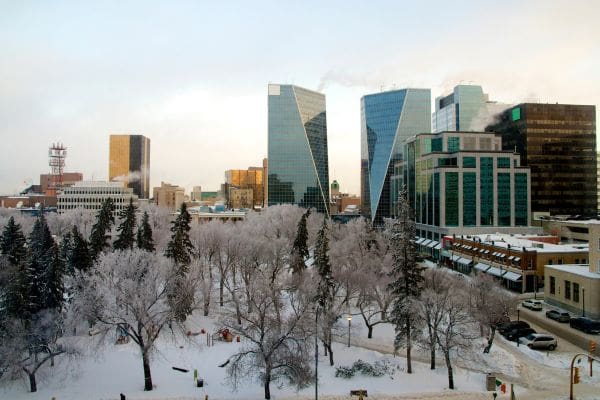
Is housing expensive in Regina?
Regina is one of the premier affordability champions of 2026. While rental prices have risen due to steady international immigration, newcomers can secure more square footage per dollar than in urban centres in Ontario, British Columbia, or neighbouring Alberta.
Regina Rent by Neighbourhood (May 2026)
Renting is often the first step for newcomers. Regina offers safe communities tailored to different family preferences, commuting needs, and budgets. According to the Rentals for Newcomers 2026 market tracking, city-wide rental rates remain balanced but highly competitive.
While the overall city-wide median for a standard apartment unit is around $1,450 per month, prices are higher in newer developments or high-demand suburban pockets. Conversely, searching for older rental units in mature, family-oriented neighbourhoods can offer greater monthly savings.
Here is a look at average rental expectations according to our current 2026 tracking:
| Neighbourhood | Avg. 1-Bedroom Rent | Vibe for Newcomers |
| *Uplands / North End | $1,180 | Budget-Conscious: Quiet, residential pocket offering lower entry rates |
| Downtown / The Core | $1,350 | Urban: Walkable, close to business offices, dining, and transit hubs |
| Albert Park | $1,290 | South Side: Mature trees, excellent shopping centers, highly family-friendly |
| Arcola East | $1,410 | Suburban: Modern master-planned developments, parks, ideal for vehicle owners |
| Lakeview | $1,325 | Historic/Scenic: Adjacent to Wascana Centre, highly walkable, excellent schools |
*Search Rentals for Newcomers for Uplands neighbourhood listings.
💡Ready to begin your housing search? Learn more about how to conduct your rental search as a newcomer.

Tips for Renting in Regina
- Understand the Landscape: Desirable historic areas like The Crescents (within the Cathedral area) are highly sought after; however, ensure you check specific low-lying sections near Wascana Creek, which can occasionally experience spring snowmelt pooling.
- Be Aware of High-Crime Pockets: Local housing agencies advise newcomers to tour and vet rental properties located within the North Central and immediate east downtown Core sectors before signing long-term leases.
- Mandatory Tenant Insurance: Most Regina landlords require proof of renter’s insurance before handing over the keys. To help budget for insurance, get a complimentary renters’ insurance quote.
- Secure Short-Term Housing First: It is much safer to look for a permanent, long-term rental in person once you can tour Regina’s neighbourhoods.
- Use the Rentals for Newcomers search tool to find apartments specifically vetted for new arrivals. Find up-to-date listings and prices!
- Follow our step-by-step Rental Application Guide for Newcomers to Canada to stand out from other applicants and secure your preferred apartment.
💡Renting in Regina Tip: You’ll need tenant insurance to protect your belongings and most landlords require it. Read more about why newcomers need tenant insurance.
Buying a Home in Regina
Moving from renting to buying your own home is a realistic goal in Regina. According to Prepare for Canada’s housing market watch, Regina is one of the most affordable capital cities in Canada to buy real estate. The local housing market is steady and balanced, which gives buyers real power to negotiate a good price.
To put local affordability into perspective, the national average Canadian home price sits at $695,412, while Regina’s record-high benchmark home price is $345,700 as of April 2026.
Here is how the Regina real estate market benchmarks by property type:
| Property Type | Benchmark Price (April 2026) | Market Trend (Year-over-year) |
| Composite (All Housing Types) | $345,700 | Up 4.0% |
| Single-Family Detached Homes | $376,400 | Up 3.9% |
| Townhouses/Row Houses | $248,900 | Up 4.2% |
| Condo Apartments | $196,500 | Up 6.3% |
Tips for newcomers buying a home in Regina
- Connect with local licensed real estate agents to help you navigate Saskatchewan’s purchasing laws and understand how to find, finance, and close on a home.
- Get mortgage pre-approval from your bank to show financial strength when submitting offers.
- Consider budget-friendly neighbourhoods like Dieppe, Coronet, or Glencairn. These areas offer great single-family houses that often sell for much less than the city’s average price.
- Review condo documents to verify the health of the condo corporation’s reserve fund and calculate mandatory condo fees.
Check out more tips for first-time home buyers.
Community Support for Newcomers in Regina, SK, Canada
Regina offers helpful programs to welcome newcomers and support the city’s growing communities.
Many people from different cultural backgrounds already call the city home. South Asian residents make up about 7% of the population, and Filipino residents make up around 6%. There are also growing Black, Chinese, and Southeast Asian communities. This means individuals living in Regina can easily find local support networks, cultural groups, and grocery stores that sell familiar foods from back home.
Key Settlement Services in Regina
| Organization | Best For | Signature Programs & Perks |
| Regina Open Door Society (RODS) | Settlement, employment integration, and language mapping. | Newcomer Employment Services: Tailored job matching and resume support. Language Assessments: Official benchmark testing for LINC classes. |
| Regina Immigrant Women (RIW) | Specialized integration for women, youth programming, and social circles. | Mother-to-Mother Programs: Peer mentoring and community building. Skill Development: Specialized computer and workplace preparation courses. |
| Language Assessment and Referral Centre (LARC) | Centralized testing for official language training pathways. | Language Referrals: Streamlined access to government-funded English training options across the city. |
Banking & Personal Finances in Regina, SK
Managing your personal finances is vital to living in Regina and building a stable life. To simplify your transition, major banks across the city offer dedicated newcomer packages, such as the Scotiabank StartRight™ Program.
Through the program, you can open a Canadian bank account online before you even leave your home country. Once you land in Regina, you can visit a local branch to activate your account, get a newcomer credit card (often without Canadian credit history), and access tailored financial products like savings accounts and specialized newcomer mortgages. Meeting with a personal banking advisor early will help you budget during your initial settlement and plan for long-term goals such as buying a home.
For a complete pre-arrival financial blueprint, explore our complete guide: Canadian Financial Tips Before You Move to Canada.
Driving & Transit in Regina
Driving in Regina is straightforward because the roads are laid out in a simple, clean grid pattern. You will easily get around the city by using a few main, fast highways.
- Ring Road: This is a major highway that loops around the city. It allows you to quickly bypass inner-city traffic when you need to travel between distant neighbourhoods.
- Lewvan Drive: This is the main north-south highway that runs through the center of the city. It is convenient, but it gets busy during morning and evening rush hours.
- Albert Street: This primary north-south road runs through the heart of Regina. It connects the north-end shopping areas to the south end, passing downtown and Wascana Lake.
- The Trans-Canada Highway (Highway 1): This major national highway runs along the southern edge of Regina. You will use it if you are driving east toward Winnipeg or west toward Moose Jaw and Alberta.
- Highway 11: This highway starts at the northwest corner of the city and is the main route you will take if you need to drive to Saskatoon.
- Driver Licensing: Newcomers must visit an authorized Saskatchewan Government Insurance (SGI) motor license issuer to exchange an international or out-of-province driver’s license for a valid Saskatchewan licence.
Getting ready for winter driving means putting good winter tires on your car, which is highly recommended for prairie weather. While Regina is quick to clear snow off the streets, the weather stays cold for a long time. Because of this, you will need to plug in a “block heater” on your car overnight. This small electric heater keeps your engine oil from freezing so your car starts easily in the morning. Read more in our guide, Winter Driving in Canada: 7 Essential Tips for Newcomers
Public Transit
The 2026 Commuter Reality
Regina Transit makes getting around the city without a vehicle simple and practical. It operates a network of 23 bus routes covering major residential, commercial, and post-secondary corridors. Buses run reliably from 5:30 AM until 12:30 AM, though exact schedules vary by route. The system provides an affordable, low-stress alternative for daily commuting.
Air Travel
- Regina International Airport (YQR): Located just 10-15 minutes west of the downtown core, YQR is a highly accessible regional airport. It offers domestic connections via major national and budget carriers, linking Regina directly to major hubs across Canada.
Healthcare & Medical Services
💡 Newcomer Tip: You should apply for provincial medical coverage immediately upon landing in Regina. To find out exactly what documents you need to gather and how to navigate the online eHealth portal, follow our guide on Newcomer Steps to Apply for a Saskatchewan Health Card.
The Saskatchewan Health Authority provides publicly funded, universal medical coverage
The Saskatchewan Health Authority provides publicly funded, universal medical coverage to eligible residents. By presenting a valid Saskatchewan Health Services Card, individuals receive 100% coverage for medically necessary services, including visits to family doctors and specialists, hospital stays, surgeries, and emergency room treatments.
While essential care is free at the point of service, the public plan does not fully cover routine dental work, prescription eyeglasses, or ambulance transfers. Because of these gaps, many people choose to buy private extended health insurance or use employer benefit plans to help cover the costs of medications and extra care.
Provincial Health Insurance: The Saskatchewan Health Services Plan
The Saskatchewan Health Services Plan (SHSP) covers Regina residents for medical services, including visits to family doctors and specialists, as well as most hospital care and surgeries. The system provides peace of mind for people establishing residency in the city.
| Resident Category | Waiting Period | AHCIP Eligibility & Coverage Notes |
| Newcomers (International PRs) | No Waiting Period | Permanent Residents moving directly from outside Canada are eligible for immediate coverage starting on the day of arrival. You must apply for a health card as soon as you settle. |
| Moving from Another Province | Up to 3 Months | Your “old” provincial plan covers you for the first 3 months (usually until the last day of the 2nd month following your arrival). Saskatchewan coverage kicks in on the first day of the third month (e.g., if you move July 10, coverage begins on October 1). |
| Work Permit Holders | No Waiting Period | Eligible for immediate coverage from their arrival date, provided they have a valid work permit and intend to make Saskatchewan their primary home. |
| International Students | Eligible | Eligible for provincial coverage. You must provide a valid Study Permit alongside proof of full-time enrollment at an accredited Saskatchewan post-secondary institution. |
| Canadian Citizens/PRs | No Waiting Period | Coverage is valid as long as you maintain your primary home in the province and physically reside in Saskatchewan for at least 5 months (150 days) in 12 months. |
How to Find a Family Doctor When Living in Regina
- Saskatchewan Health Authority Find a Doctor Registry: Consult the updated clinic directory on the Saskatchewan Health Authority website to view primary care providers currently accepting new patients.
- Walk-in Clinics: Many walk-in medical clinics in Regina provide immediate, non-emergency care without a prior appointment.
- HealthLine (Dial 811): Call 811 to speak to a licensed healthcare professional for 24/7 non-emergency medical advice.
Major Hospitals in Regina
Regina features advanced, specialized healthcare facilities equipped to serve the entire southern half of the province:
| Hospital | Primary Specialty | Key Focus for Newcomers |
| Regina General Hospital | Trauma, Cardiosciences, & Specialized Surgery | A major care center equipped with a comprehensive 24/7 emergency department. |
| Pasqua Hospital | Ophthalmology & Cancer Care | Features a full emergency department and houses the Allan Blair Cancer Centre. |
| Wascana Rehabilitation Centre | Specialized Physical & Functional Rehabilitation | Focuses on long-term recovery, children’s therapies, and specialized functional medicine. |
Schools & Learning: A Guide for Families & Students
Elementary & High School
Saskatchewan provides free, high-quality public education from Kindergarten through Grade 12. Parents can choose between two publicly funded school systems based on their family’s preferences:
Regina Public Schools: The city’s largest school division, which manages 45 elementary schools and 9 high schools.
Regina Catholic Schools: A publicly funded faith-based division operating 25 elementary schools and 4 high schools.
Specialized & Newcomer Support: French Immersion programs are widely accessible. High school students can enroll in specialized Advanced Placement (AP) or International Baccalaureate (IB) programs.
The Newcomer Welcome Centre: Families registering children in the Regina school system for the first time should visit the school board’s dedicated registration center. Staff will assess language proficiency to ensure children receive immediate, customized English as an Additional Language (EAL) support.
Early Childhood: Under the Canada-Wide Early Learning and Child Care Program, Saskatchewan continues to expand $10-a-day licensed childcare spaces and preschool options.
💡 Newcomer Tip: If your child is entering the Canadian system for the first time, you must register through the Welcome Centre (Assessment Centre). The centre will assess your child’s language proficiency to ensure they receive the appropriate support from day one. Read more in our guide, Schooling in Canada | A Look at the Education System.
Post-Secondary Schools
University of Regina (U of R): A comprehensive research institution featuring 10 distinct faculties and 25 academic departments. Globally recognized for its programs in petroleum engineering, social work, journalism, business administration, and computer science. The campus also hosts federated colleges, including Campion College, Luther College, and the First Nations University of Canada.
🎓 Vetted Housing Near the University of Regina (U of R): Are you moving to Regina as an international student, researcher, or campus professional? Finding a rental close to campus saves you time on transit and keeps you connected to university resources.
Browse newcomer-friendly, verified student rentals on our platform:
South-End / Albert Park (Quick Transit): Great for roommates or small families looking for larger apartment complex amenities with direct bus routes to the U of R.
Hillsdale & Whitmore Park (Walking Distance): Ideal for students looking for room rentals, shared accommodations, or basement suites right next to campus.
Saskatchewan Polytechnic (Regina Campus): The province’s primary institution for technical education and skills training. It delivers heavy integration with local industries, offering programs in skilled trades, nursing, business, and advanced industrial technologies.
👉 Search Live University-Area Rentals on Rentals for Newcomers
Pros and Cons of Living in Regina
To help you weigh your options, here is a look at the major upsides and downsides of moving to the city.
| Feature | Pros (The Benefits) | Cons (The Challenges) |
| Money & Jobs | Keep More of Your Money: Lower taxes and cheap housing mean you have more cash left over each month. | Fewer Job Types: Most of the good jobs are tied to farming, government work, or natural resources. |
| Housing | Easy to Buy a Home: This is one of the last big cities in Canada where you can buy a house on just one normal income. | Harder to Find Rentals: Modern rental apartments are popular, so it can be tough to find one in the best areas. |
| Lifestyle | Relaxed Pace: Traffic is light (commutes are rarely longer than 20 minutes) and the neighbourhoods are safe for kids. | Freezing Winters: Winter weather can easily drop below -30°C, so you must prepare for the extreme cold. |
| Nature | Lots of Sunshine: Regina gets more sunny days than any other city in Canada, and nice lakes are close by for the summer. | Far from Mountains: Regina sits on flat land; driving to major mountain destinations (like the Rockies) takes a full day. |
Culture and Day-to-Day Life in Regina, SK
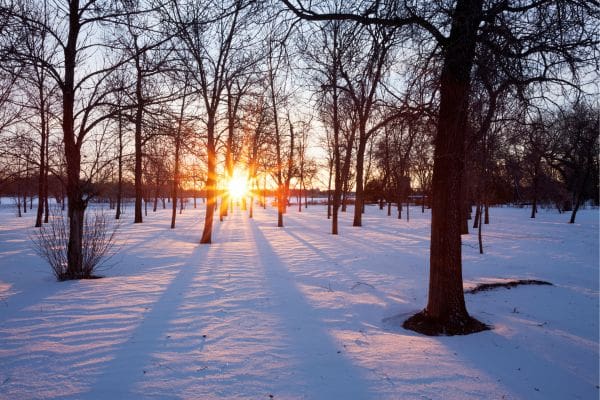
The Heart of the City
People in Regina are proud of their community and have a strong, welcoming spirit. The city has a great arts scene, including the MacKenzie Art Gallery and the Regina Symphony Orchestra (Canada’s oldest continuously running orchestra).
Wascana Centre: Spanning 2,300 acres, this massive urban park surrounds Wascana Lake and is larger than New York’s Central Park. It acts as the city’s green lung, with kilometers of paved trails, playground systems, and the stunning Saskatchewan Legislative Building.
The Saskatchewan Roughriders: Local culture is heavily tied to sports. Regina is home to the Canadian Football League’s Saskatchewan Roughriders, who play out of the state-of-the-art Mosaic Stadium. Game days transform the city into a sea of green, offering newcomers an immediate, electric way to connect with local culture.
Diverse Places of Worship: Reflecting its welcoming multicultural evolution, living in Regina grants access to diverse spiritual communities, including active Christian parishes, the Hindu Temple Regina, and the Sikh Society Regina.
Newcomer Community & Cultural Events
Regina is a welcoming city with a strong community spirit offering cultural programming and support for everyone who moves here.
Multicultural Festivals: Regina hosts multi-ethnic celebrations like Mosaic – A Festival of Cultures every summer. This city-wide event features distinct pavilions showcasing traditional food, music, dance, and crafts from dozens of different cultures. You can also explore local food and music at vibrant neighbourhood street markets and the Regina Folk Festival in Victoria Park, making it easy to see why people choose to discover exciting summer festivals in Canada in 2026.
Indigenous Connection: Newcomers can connect with the deep Indigenous history of the region (Treaty 4 Territory) by visiting the First Nations University of Canada campus for community events or participating in traditional spring and summer Pow Wows held across the city.
Lifestyle Note: Embracing the cold weather is a huge part of successfully settling into your new home! Once you’ve mastered Regina’s local events, expand your bucket list with our complete guide to Winter Festivals in Canada Every Newcomer Will Love.
💡 Moving to Regina soon? Use our step-by-step checklist to track your arrival tasks and ensure a smooth landing.

Final Thoughts: Is Living in Regina Right for You?

If you want to save money, grow your career quickly, and buy your own home, Regina is one of the smartest places to move to in Canada. The winters are very cold, and you will need to buy good winter clothes, but the benefits are worth it. You will keep more of the money you earn, spend less time stuck in traffic, and get plenty of help from the community to settle in quickly.
🏠 Ready to start your housing search? Browse vetted Regina rentals on Rentals for Newcomers today!
Common Questions About Living in Regina
Regina experiences true prairie winters. January temperatures average between -21.6°C and -10.7°C, with deep winter cold snaps occasionally dipping below -30°C or -40°C. However, the city benefits from exceptional sunshine year-round, which keeps winter skies bright blue and crisp. High-quality winter clothing, thermal layers, and proper winter footwear are essential when living in Regina.
Most people living in Regina find owning a vehicle beneficial. Having a car makes grocery shopping, winter commuting, and exploring surrounding regional parks more convenient, particularly if you settle in outer suburban quadrants. However, Regina Transit provides reliable coverage across major commuter corridors and post-secondary campuses.
Yes, living in Regina offers an excellent, safe environment to raise a family. It features highly secure, community-oriented residential developments like Albert Park, Arcola East, and Harbour Landing. These areas offer quiet streets, local schools, and many park spaces. As with any urban center, certain inner-city pockets experience social challenges, but the city’s residential areas remain peaceful and welcoming.
Saskatoon, Saskatchewan, is a great city to consider if you plan to move to Canada. And while it’s a big decision, choosing the right city to settle in Canada will shape your future. The city you choose will impact your lifestyle, financial success, and career options. Before you make a final decision, it’s important to assess the local housing market, job market, and the overall lifestyle of a city. Are you considering moving to Saskatoon? We have the information you are looking for. Prepare for Canada can guide you with helpful information about living in Saskatoon.
About Saskatoon, Saskatchewan
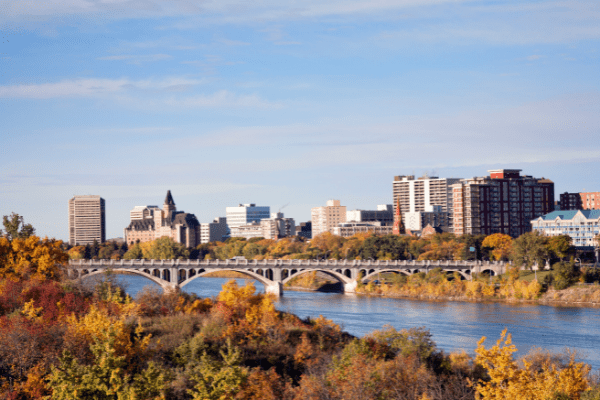
Saskatoon is a great multicultural city in which to live, work, study, and play. Known as the City of Bridges, it’s found on the banks of the South Saskatchewan River, in the heart of the Canadian Prairies. Residents of the city are called Saskatonians.
Saskatoon is the location of the Northwest Rebellion of 1885. The city’s rich culture has largely been preserved by the Aboriginal people who make up over 10% of the city’s population. Saskatoon officially became a city in 1906.
The city offers job and entrepreneurship opportunities in mining and energy, biotechnology and life sciences, manufacturing, and transportation. Educational opportunities are plentiful, with easy access to many elementary and high schools, technical colleges, and the University of Saskatchewan. Saskatoon has three major hospitals, including a teaching hospital.
How Many People Live in Saskatoon, Saskatchewan?
Saskatoon is a mid-sized city with a population of 282,900 (source: City of Saskatoon). This ranks it as the 19th-largest city in Canada. It is the largest city in the province of Saskatchewan, followed by Regina, Prince Albert, and Moose Jaw.
How to Find a Job & Build a Career in Saskatoon
Saskatoon’s Local Economy
Saskatoon, also known as the “Hub City” refers to its central location in the province of Saskatchewan. The city has a diverse economy with a range of products and services in demand globally. It has a steadily growing infrastructure, natural resources, research and development, and a well-educated workforce.
The city’s economy is associated with potash, oil, and agriculture, mainly wheat. Nearly two-thirds of the world’s potash reserves are in the Saskatoon region.
Cameco, the world’s largest publicly traded uranium company, and PotashCorp, the world’s largest potash producer, have their corporate headquarters in Saskatoon. The city is also the new home of BHP Billiton’s Diamonds and Specialty Products business unit.
Top industries include:
Agriculture and Agri-Value
- Energy
- Forestry Development
- Life Sciences and Biomass
- Manufacturing
- Mineral Exploration and Mining
- Oil and Gas.
Major Employers in Saskatoon
Some of the top employers in the city include:
- Saskatoon Health Region
- University of Saskatchewan
- Saskatchewan Institute of Applied Science and Technology
- Federated Co-operatives
- Siemens Transportation Group.
Career Pathways in Saskatoon
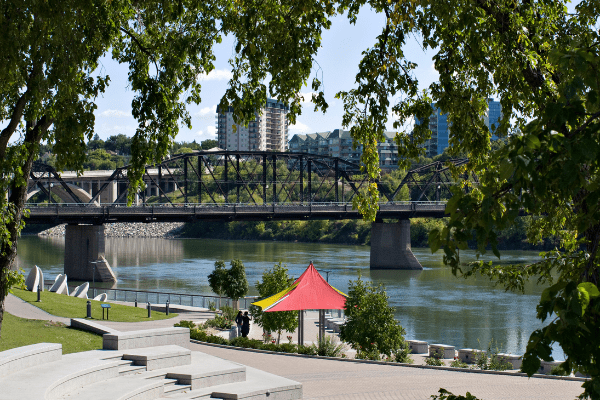
Saskatoon is growing and creating more job opportunities! The city is developing the River Landing project, a new commercial and residential district, in anticipation of population growth.
There are several ways to look for jobs in Saskatoon. You can use websites such as SaskJobs.ca and the Government of Canada Job Bank. You can also connect with local recruiters such as Essence Recruitment, Adecco, Express Employment Professionals, and Randstad Canada.
The Saskatoon Housing Market
Finding a home in Saskatoon shouldn’t be difficult, as the city offers many options, such as condos, townhouses, or single-family homes, to suit your tastes and budget.
Most people rent furnished or unfurnished apartments or houses when they first arrive. If you want to buy a house, Saskatoon has a strong real estate market, with many homes and condominiums for sale.
Is Housing Expensive in Saskatoon, Saskatchewan?
Finding a place to live is a key step when moving to Saskatoon. Housing prices in the region have increased in recent years. However, homeownership is still attainable for most people. It is more affordable compared to other cities in Canada.
Some of the more affordable neighbourhoods in Saskatchewan are Mayfair, Meadow Green, Kelsey – Woodlawn, Westmount, Pleasant Hill, and Fairhaven.
Finding a Place to Rent in Saskatoon
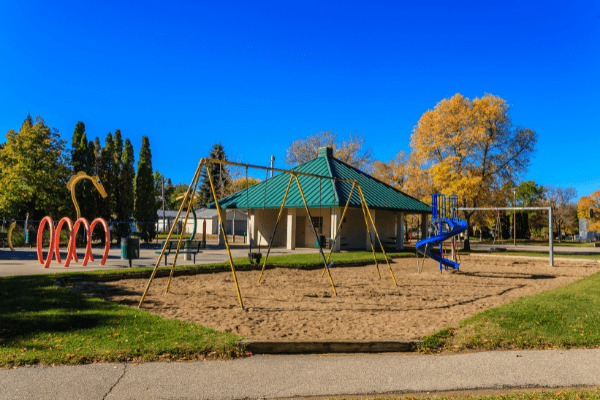
Renting is a common first step for newcomers moving to Saskatoon. There are many neighbourhoods to consider depending on your budget. The average rent for an apartment in Saskatoon is $843 for a Bachelor, $969 for a 1-bedroom, $1,080 for a 2-bedroom, and $1,169 for a 3-bedroom.
When renting a home or apartment, consider buying renter’s insurance. Even though renters’ insurance is optional, many property owners require you to have it to lease an apartment. It is an affordable form of protection for your belongings. Read more: Tenant Insurance in Canada: Why Do Newcomers Need It?
🏠 Check out Rentals for Newcomers for available rentals and current prices in Saskatoon!
Buying a Home in Saskatoon
Saskatoon is an affordable housing market compared to other major cities in Canada. According to the Saskatchewan Realtors Association, the average sale price for a home is $364,919 (as of April 2022). These prices are similar to Regina, but hundreds of thousands of dollars less than cities like Calgary and Edmonton.
Find out more about buying your first home in Canada: First Time Home Buyer: Newcomer Tips
Driving & Public Transit in Saskatoon
Driving in Saskatoon, Saskatchewan
An essential form of transportation for residents. Saskatoon is found on the Yellowhead Highway. This is part of the Trans-Canada Highway system. This is also known as Highway 16. A variety of highways meet within the city limits. They include Highways, 5, 7, 11, 12, 14, 41, 219, 684, and 762. So, you can see why the city is referred to as a hub. The city has a ring road – Circle Drive. Nine bridges cross the Saskatchewan River in the city.
All drivers must have a valid Saskatchewan driver’s licence. The province has a graduated licensing (GDL) program. Get more licensing information on the SGI website.
Learn more information about driving in Canada:
Winter Driving in Canada: 7 Essential Safety Tips for Newcomers

Saskatoon Public Transit
There are many options to get around the city or travel to other destinations. Depending upon where you are, your destination may even be within easy walking distance!
Saskatoon Transit runs a fleet of buses with numerous routes to get you where you need to go in the city. Over 100 of these buses have bicycle racks on the front. For those who have mobility issues and cannot use regular transit buses Access Transit provides lift-equipped buses and cabs within the city limits.
By air, Saskatoon is served by the John G. Diefenbaker International Airport. You can reach most major Canadian, United States, and international destinations with one-stop connecting flights in several North American airline hubs. VIA Rail Canada operates a train station approximately 8 kilometres from Saskatoon’s downtown if you prefer train service.
Community Support for Newcomers
The Newcomer Information Centre is an important first stop for any newcomer to Saskatoon. You can find information on housing, schools, and where to shop, as well as make an appointment for a language assessment. NIC staff can refer you to other settlement services. You can also use a computer, make free local phone calls, and have documents photocopied.
Other settlement services are Saskatoon Open Door Society, Immigration Partnership Saskatoon, and Saskatoon Newcomer Network.
Language Support in Saskatoon
Several organizations offer language support. If you need a language assessment or want to take language courses you can do so through The Saskatoon Open Door Society, Saskatchewan Intercultural Association, and International Women of Saskatoon.
Personal Finance & Banking
Opening a bank account an important step for newcomers. You can visit any local bank or credit union to open an account, get a credit card, and qualify for a mortgage. Many of these services are also available online.
Get more banking tips for newcomers:
Canadian Financial Tips Before You Move to Canada
How Do I Transfer Money to Canada & Ship Goods When Moving
Saskatoon’s Education System
Education for children in the province of Saskatchewan is free to Saskatchewan residents. Saskatoon offers several educational opportunities for both children and adults.
Elementary and High School Education
The city offers three publicly funded school systems: Saskatoon Public Schools (49 elementary and 10 high schools), Greater Saskatoon Catholic Schools (50 elementary and 7 high schools, and Conseil des écoles Fransaskoises (Francophone).
School boards include rural schools in Biggar, Humboldt, Martensville, and Warman. There are also several private schools, where attending students pay tuition.
Post Secondary Institutions
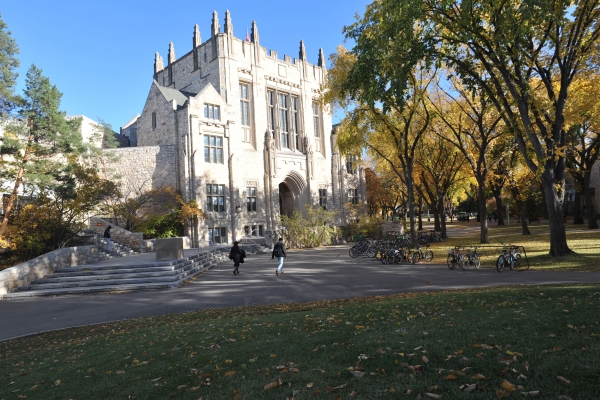
Saskatoon has two publicly funded post-secondary schools, the University of Saskatchewan and SIAST (Saskatchewan Institute of Applied Science and Technology), Kelsey Campus.
Colleges include Campion College, Luther College, St. Thomas More College, and The First Nations University of Canada.
Saskatoon also has several private career colleges, specializing in office administration, massage therapy, hair styling and aesthetics, and many others.
Read more about education in Canada:
Schooling in Canada | A Look at the Education System
Higher Education Offers Benefits to Newcomers
Where to Get Medical Care in Saskatoon, Saskatchewan
Saskatchewan is the birthplace of Medicare, Canada’s publicly funded healthcare system. To receive health care at no direct cost to you, you’ll need a Saskatchewan Health Card.
Many employers in Saskatchewan provide private health insurance to cover health needs not covered by the province’s health benefits, such as dental, eye care, and prescription drugs. If you don’t have coverage with your employer or you’d like to fill in any coverage gaps, you can purchase private health insurance.
Saskatoon has three hospitals: Royal University Hospital; City Hospital; St. Paul’s Hospital. If you need immediate medical care go to an emergency ward.
If you need medical care, but it is not an emergency, there are several walk-in clinics in Saskatoon. You do not need a family doctor to use a walk-in clinic.
How to Find a Family Doctor In Saskatoon
While you do not have to have a regular family doctor, it’s better when you consistently visit a doctor familiar with your and your family’s health. To find a family doctor in Saskatoon, visit Saskatoon Health Region, for a list of doctors currently accepting new patients. If you don’t have a family doctor yet but need to see a doctor, there are several walk-in clinics that you can go to.
Get more information about health care in Canada:
Steps to Access Free Health Care in Canada
What is Day-to-Day Life Like in Saskatoon?
Things to Do in Saskatoon
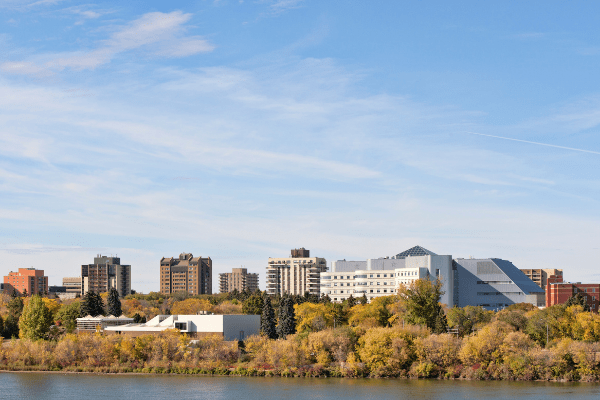
This cosmopolitan city is proud of its multicultural heritage. Residents are active throughout the year and enjoy all four seasons with festivals, special events, and rich arts, culture, sports, and recreation offerings.
Public Spaces & Attractions
The city’s rich culture has been preserved by the Aboriginal people through sites like Wanuskewin Heritage Park, Batoche National Heritage Site, and Fort Carlton Provincial Park.
Saskatoon is also home to a lively arts and entertainment community, with scores of festivals and events, performing arts, museums, and galleries. Art enthusiasts will love the permanent collection of over 500 works at the Mendel Art Gallery that houses. Then there’s TCU Place in Midtown Plaza, which hosts many concerts and theatrical performances.
Restaurants & Nightlife
If you are looking for a good restaurant, there are plenty in the Central Business District close to the South Saskatchewan River. Some top locations to check out include Little Grouse on the Prairie, Ayden Kitchen and Bar, and Hearth Restaurant.
Nature & Natural Landscapes
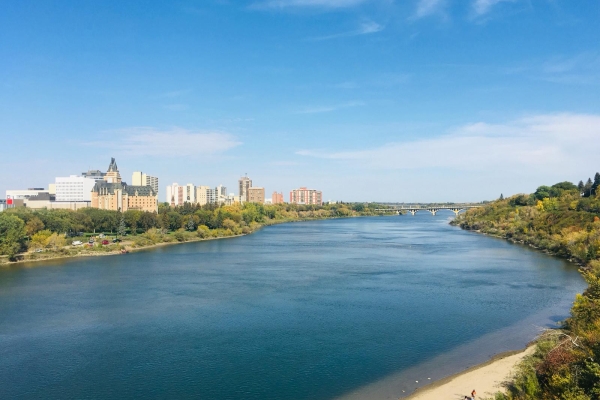
For those who enjoy spending time outdoors, a trip to the Meewasin Valley Trail offers endless opportunities to explore the South Saskatchewan River. Paved pathways provide miles of great cycling, jogging, and walking. You’ll also find seven golf courses spread throughout the city, offering challenging play for players of all skill levels.
For a day trip, head to Beaver Creek Conservation Area. This large expanse of preserved land is an accredited wildlife site with many nature trails worth exploring. Blackstrap and Pike Lake Provincial Parks are also available for activities, such as camping, swimming, and picnicking.
Sporting Events & Concerts
The city is home to the Saskatoon Blades of the Western Hockey League (WHL), and the Saskatchewan Rush of the National Lacrosse League. The University of Saskatchewan Huskies is one of the top University football programs in Canada. You can see live concerts at the SaskTel Centre, The Bassment, Capitol Music Club, and TCU Place.
Culture & Diversity In Saskatoon
Diversity
Immigration has played an important role throughout Saskatoon’s history. And the city recognizes that unique cultures add diversity and vitality to the city.
About 20% of the population in Saskatoon identifies as a visible minority. This is just under 50,000 residents. The most prominent minority groups are Ukrainians (13%), South Asian (5.5%), Filipino (4.5%), Chinese (3.2%), Black (2,2%), and Arab (1%). Over 11% of the population are Aboriginal – mainly First Nations and Metis. This accounts for more than 27,000 residents.
Worship
Saskatoon is home to people of many different cultural backgrounds and many places of worship, representing different spiritual and religious beliefs.
78.5% of residents identify as Christian, with small pockets of other residents practicing Sikhism, Buddhism, and Hinduism. About 20% of the population has no religious affiliation. Immigrant-serving centres can provide more information on places of worship.
The Weather in Saskatoon
Saskatoon is one of the sunniest cities in Canada – with an average of 2,381 hours of sunshine per year it truly does shine. On the other hand, compared with other Canadian cities, Saskatoon’s rainfall rate is quite low. The city receives an average annual rainfall of 265 millimetres and an average annual snowfall of 97 centimetres. May, June, and July are the rainiest months, while November, December, and January tend to be the snowiest.
Saskatoon is in a humid continental climatic zone and experiences four distinct seasons, with warm summers and very cold winters.
Thunderstorms are common in the summer months and can be severe with torrential rain, hail, high winds, intense lightning, and, on rare occasions, tornadoes. In summer, temperatures range as high as 30°C on the warmest summer days, while winter can see the temperature dip as low as -30°C.
Common Questions Immigrants Ask About Living in Saskatoon
Is Saskatoon a Good Place for Immigrants?
Saskatoon is an inclusive and welcoming city for newcomers. It’s a mid-sized city with big-city attractions and many great outdoor activities. The city is growing, offering career opportunities across many industries.
What are the Disadvantages of Living in Saskatoon for New Immigrants?
The weather is commonly cited as a drawback to living in Saskatoon and the Prairies. Entertainment options can also be limited, depending on your interests. Crime can be an issue in some areas of the city. So it’s important to learn about the different neighbourhoods.
What are the Benefits of Living in Saskatoon?
The cost of living is an attractive feature of living in Saskatoon. Real estate is more affordable than other big cities, and there are plenty of job opportunities.