
Utilities
How to Find the Best Mobile Phone Deal in Canada
Join the Scotiabank StartRight® Program designed for Newcomers‡ and get up to $2,300* in value in the first year.

Written By

Corinna Frattini
Aug 5, 2026
•Utilities

Yes, newcomers should arrange a SIM card or eSIM before arriving in Canada. Setting up your mobile plan before you fly takes the stress out of landing in a new country. By securing a SIM card for newcomers before departure, you can enjoy instant airport data and a local phone number on day one. Choosing the right SIM card (through authorized distributors like CanadianSIM) gives you instant 4G/5G data upon landing at major Canadian airports without roaming fees.
Having an active phone line is vital for nearly every milestone during your first month, from receiving bank 2FA codes to contacting prospective landlords. Once your phone line is ready, check out our proven rental application tips for newcomers to prepare your document package and land your first apartment in Canada.
💡Tip for Newcomers: Start comparing prepaid SIM and eSIM options 2-3 weeks before departure to activate your line and be ready to connect the moment your flight lands in Canada!
Setting up a Canadian phone line is just the first step. To ensure a smooth transition, check out our full guide on the first things to do after landing in Canada to help you organize your first weeks.

Without a Canadian phone number when you land, completing your basic setup steps becomes a challenge right away:
Most modern smartphones support eSIM (Embedded SIM) technology, which allows you to download a digital mobile profile via a QR code without inserting a physical plastic chip. However, if your phone is an older model or locked to a foreign carrier, you will need to insert a traditional physical SIM card upon arrival. While travel eSIMs are great for immediate data, ensure your primary plan provides a real Canadian phone number for SMS and bank security codes.
| Feature | Travel eSIM | Prepaid Canadian SIM/eSIM | Postpaid Monthly Plan |
| Best Used For | First 1–14 days after arrival | Immediate & long-term settlement | Permanent settlement (after credit history) |
| Canadian Phone Number | ❌ Data-Only (No voice/SMS) | ✅ Full Voice, SMS & Bank 2FA | ✅ Full Voice, SMS & Bank 2FA |
| Purchase Before Arrival | ✅ Yes (Instant QR code delivery) | ✅ Yes (Online via select providers) | ❌ No (Requires Canadian ID in-person) |
| Credit Check Required | ❌ No | ❌ No | ✅ Yes (Hard Canadian credit check) |
| Estimated Cost | $8 – $25 USD (1GB–10GB) | $25 – $45 CAD/month | $50 – $85 CAD/month |
Canada’s telecommunications market has three tiers. All tiers run on the same primary physical network infrastructure built by the major telecom companies.
| Canadian Mobile Network Hierarchy |
|---|
| Tier 1: Premium Nationwide Networks Rogers | Bell | Telus |
| Tier 2: Mid-Tier / Flanker Brands (Same network, lower prices) Fido (Rogers) | Virgin Plus (Bell) | Koodo (Telus) |
| Tier 3: Prepaid & Value Digital Brands Chatr (Rogers) | Lucky Mobile (Bell) | Public Mobile (Telus) |
| Regional Disruptors (Own regional networks + roaming) Freedom Mobile | Fizz Mobile |
Once you understand the difference between major providers and flanker brands, you can start comparing monthly data allowances. For a breakdown of current promotions and pricing, read our step-by-step guide on finding the best mobile phone deal in Canada.
It is important to distinguish between network operators (who own the cell towers) and authorized pre-arrival distributors. Distributors (such as CanadianSIM) offer prepaid options without credit checks, making it simple to pick up a SIM card for newcomers before boarding your flight.
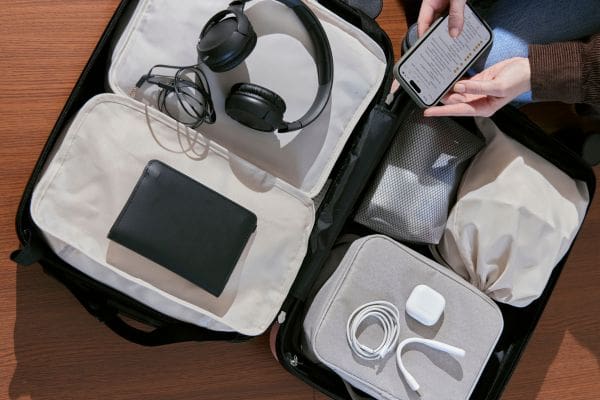
Before purchasing a Canadian SIM card or eSIM, verify that your phone meets Canadian technical standards:
1. Must Be Carrier Unlocked: Under Canadian Radio-television and Telecommunications Commission (CRTC) regulations, all mobile devices sold in Canada since December 2017 are unlocked by default. Ensure your foreign home carrier has unlocked your phone before you travel.
2. Network Band Compatibility: Canadian networks operate primarily on the following frequency bands:
3. VoIP Warning: Virtual phone apps (e.g., TextNow, Google Voice) provide local numbers but fail SMS verification for major Canadian bank log-ins and government accounts (Canada Revenue Agency, Service Canada). A real cellular SIM/eSIM is required.

Yes. You can order a prepaid Canadian SIM card online or activate an eSIM before departure through specialized newcomer mobile distributors or digital prepaid brands like Public Mobile.
Physical SIM cards typically cost $10 to $20 CAD. But carriers often waive this fee when you activate a prepaid plan. Monthly plans with 10GB–50GB of 4G/5G data average between $30 and $50 CAD per month.
Your phone will work if it is carrier-unlocked and supports North American 4G LTE/5G bands (specifically LTE Bands 2, 4, 5, 7, and 66). If you insert a Canadian SIM and see “SIM Not Supported,” your phone is locked by your foreign operator.
Prepaid Plans/eSIMS: No identity check or credit history is required; you only need an accepted payment method.
Postpaid (Monthly Contract) Plans: Requires two forms of ID (e.g., Passport, Study/Work Permit, Permanent Resident Card) and a credit check.
While prepaid plans require no credit check or government identification, postpaid plans often require proof of identity and a credit check. Once you learn how to apply for a Social Insurance Number in Canada, having your SIN and Canadian ID ready will make it much easier to upgrade to a monthly postpaid contract.
The best option depends on whether you prefer a prepaid plan on Tier 2 networks like Fido or a self-serve plan via Public Mobile.
WRITTEN BY
Corinna Frattini
Senior Editor and Content Writer, Prepare for Canada
Corinna researches and writes content to help newcomers make informed decisions about housing, employment, banking, and aspects of settling in Canada. With a background in human resources and leadership development, her articles focus on how newcomers can continue their careers in Canada. Her writing combines research, practical guidance, and clear language to support newcomers on their journey.
© Prepare for Canada 2026
How to Find the Best Mobile Phone Deal in Canada