Join the ScotiabankStartRight® Program designed for Newcomers‡ and get up to $2,300* in value in the first year.
What is the National Day for Truth and Reconciliation in Canada?
Written By
Corinna Frattini
•
Aug 14, 2026
•
Life in Canada
September 30 is Canada’s National Day for Truth and Reconciliation, also known as Orange Shirt Day. For newcomers, this day is a meaningful opportunity to learn about Indigenous history and honour First Nations, Inuit, and Métis peoples.
Fast Fact: Between the 1870s and 1990s, the Canadian government and churches took more than 150,000 Indigenous children (First Nations, Inuit, and Métis) from their families and placed them in residential schools across Canada.
📌What You Need to Know
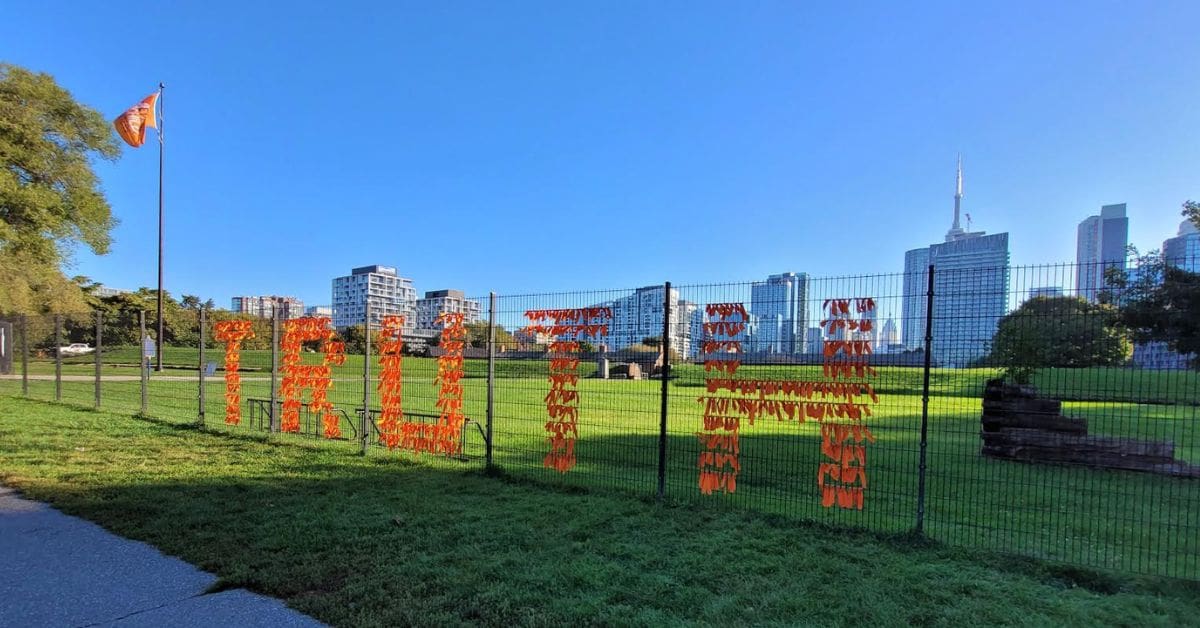
Honours Indigenous history and peoples on Canada’s National Day for Truth and Reconciliation (Orange Shirt Day) every September 30.
Originates from a movement led by Phyllis Webstad, symbolizing the loss of identity and culture caused by residential schools.
Establishes September 30 as an official federal statutory holiday, fulfilling recommendations from the Truth and Reconciliation Commission.
Encourages Canadians and newcomers to participate by wearing orange, attending local events, and learning about Indigenous history.
Offers opportunities for reflection, education, and community engagement through local events hosted in cities across Canada.
The Story Behind Orange Shirt Day
Orange Shirt Day began in 2013 as a grassroots movement inspired by Phyllis Webstad, a residential school survivor from the Stswecem’c Xgat’tem First Nation in British Columbia.
At six years old, Phyllis arrived at the Saint Joseph Mission Residential School wearing a brand-new orange shirt that her grandmother bought for her. Upon arrival, the shirt was forcibly taken from her, and she never saw it again. The experience came to symbolize the loss of identity, culture, and dignity inflicted upon Indigenous children by the residential school system.
Today, the phrase “Every Child Matters” reminds Canadians that all children deserve safety, love, and respect.
Watch: Phyllis Webstad Shares Her Story (1 min 56 sec)
Hear directly from residential school survivor Phyllis Webstad as she shares her story about the new orange shirt her grandmother gave to her, and why September 30 is a day to honour survivors.
Truth and Reconciliation: A National Commitment
In 2015, Canada’s Truth and Reconciliation Commission (TRC) published 94 recommendations, or Calls to Action, to address the harm caused by residential schools. Call to Action #80 asked for a national day of remembrance. In response, the Canadian government made September 30 an official federal public holiday in 2021.
Is the National Day for Truth and Reconciliation a Statutory Holiday in 2026?
In 2026, September 30 falls on a Wednesday. Whether you get a paid day off depends on your province’s labour laws or industry. To see how September 30 compares to other national breaks, check out our guide to statutory holidays in Canada.
2026 Statutory Holiday Breakdown
Jurisdiction/Province
Statutory Holiday Status
Notes for Workers & Residents
Federal Government & Federally Regulated Workplaces
Yes
Applies nationwide to banks, airlines, telecommunications, and federal offices.
British Columbia, Manitoba, Prince Edward Island, New Brunswick
Yes
Paid provincial statutory holiday. Schools and public workplaces are closed.
Yukon, Northwest Territories, Nunavut
Yes
Territorial statutory holiday across all three territories.
Alberta
Optional
Employer choice; not mandatory under general employment standards.
Ontario, Quebec, Saskatchewan, Nova Scotia, Newfoundland & Labrador
Commemorative Day
Not a general provincial statutory holiday for private-sector workers. Schools remain open and run educational activities.
How Canadians and Newcomers Can Observe Orange Shirt Day
Working toward reconciliation is something we should do year-round, but September 30 offers a special chance to learn together. Here are simple, respectful ways you can take part:
Wear Orange: Buy an orange shirt, ideally from an authentic Indigenous creator or an organization where proceeds support survivors.
Attend Local Education Gatherings: Cities across Canada hold healing walks, storytelling circles, and cultural ceremonies. Check municipal or university event listings in your area.
Reflect and Learn: Many Canadians take time to read the TRC Calls to Action or visit Indigenous cultural centres.
Watch the National Broadcast: Tune in to the annual “Remembering the Children” broadcast hosted on the Aboriginal Peoples Television Network (APTN) and national news channels.
Support Indigenous Businesses & Creators: Buy books by Indigenous authors, listen to Indigenous podcasters and musicians, and purchase goods from verified Indigenous-owned businesses.
Watch: A Welcome to New Canadians on Truth and Reconciliation (5 min 4 sec)
Produced by Immigration, Refugees and Citizenship Canada (IRCC), this short video features Indigenous leaders welcoming newcomers to Canada. It explains why learning about Truth and Reconciliation is an important part of becoming a neighbour on this land.
Truth and Reconciliation Events Across Canada
Every year on the National Day for Truth and Reconciliation, cities and communities across the country host public gatherings, educational workshops, and memorial ceremonies. Here is a look at how some major Canadian cities observe the day:
Ottawa, Ontario: Parliament Hill and federal buildings light up in orange. Thousands gather for the national commemorative broadcast, Remembering the Children, featuring traditional Indigenous drumming, dancing, and speeches.
Toronto, Ontario: Flags at City Hall fly at half-mast, and the iconic Toronto sign turns orange. Local museums, libraries, and parks host storytelling circles and community events.
Vancouver, British Columbia: The University of British Columbia (UBC) hosts its annual Intergenerational March, alongside educational activities and ceremonies suitable for families and newcomers.
Calgary, Alberta: Organizations such as the Calgary Public Library and the University of Calgary host free public workshops, film screenings, and discussions about residential school history and Indigenous resilience.
Winnipeg, Manitoba: Community walks and Pow Wows, such as the annual gathering hosted by the Southern Chiefs’ Organization, bring people together for intertribal dancing, drumming, and educational sharing.
Tip for Newcomers: Event details and schedules change every year. Check your municipal city website, local library, or university events calendar in September to find gatherings happening near you.
Final Thoughts
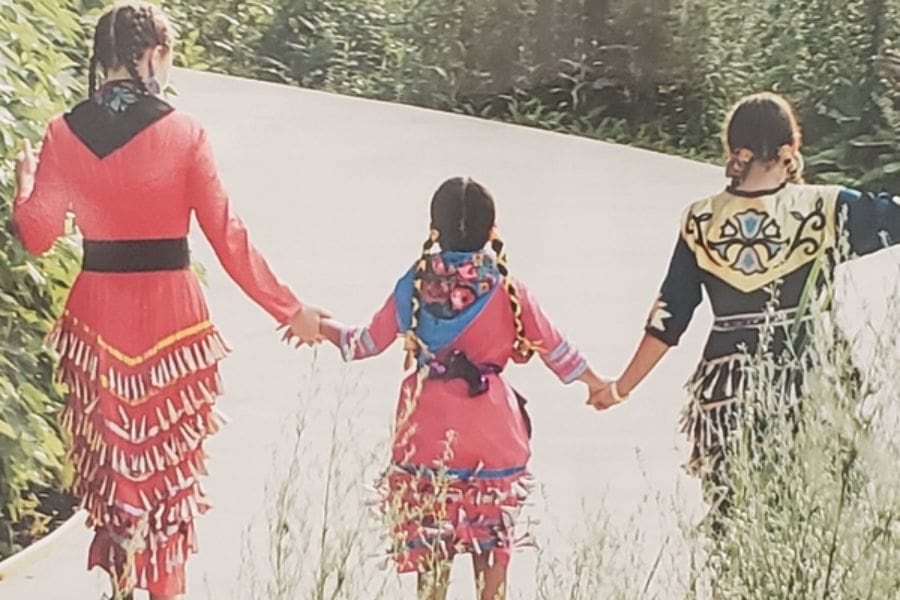
Children holding hands in traditional dress reflect the heart of Orange Shirt Day: honouring survivors and ensuring that Every Child Matters.
September 30 is a time to listen, learn, and remember. For newcomers and long-time Canadians alike, acknowledging this day is a step toward understanding, healing, and unity.
Frequently Asked Questions
What is the difference between Orange Shirt Day and National Day for Truth and Reconciliation?
Orange Shirt Day was started by Indigenous communities in 2013 to teach people about residential schools. In 2021, the Canadian government officially recognized September 30 as a federal holiday called the National Day for Truth and Reconciliation. Today, both take place on September 30 to honour survivors and remember the children who died.
Do schools close on September 30 in Canada?
It depends on where you live. Places like British Columbia, Manitoba, and Prince Edward Island observe September 30 as an official holiday and close their schools. In places where it isn’t an official holiday (like Ontario), schools stay open, but students spend the day learning about Indigenous history through special lessons and events.
Can newcomers and non-Indigenous Canadians participate?
Yes! Indigenous leaders and communities invite everyone in Canada to participate in the National Day for Truth and Reconciliation events and activities. If you are new to the country, learning about First Nations, Inuit, and Métis history is a great way to show respect and better understand your new home.
Where can I learn more about Indigenous history in Canada?
You can start by reviewing resources from the National Centre for Truth and Reconciliation (NCTR), visiting local Indigenous cultural centres, or reading Reconciliation Information for Newcomers to Canada.
Settling into Life in Canada?
Beyond understanding Canadian culture, navigating the housing market is one of the biggest steps for new arrivals. Check out our free Rental Application Guide and Rental Viewing Checklist to help you find and secure your new home with confidence.
WRITTEN BY
Corinna Frattini
Senior Editor and Content Writer, Prepare for Canada
Corinna researches and writes content to help newcomers make informed decisions about housing, employment, banking, and aspects of settling in Canada. With a background in human resources and leadership development, her articles focus on how newcomers can continue their careers in Canada. Her writing combines research, practical guidance, and clear language to support newcomers on their journey.